

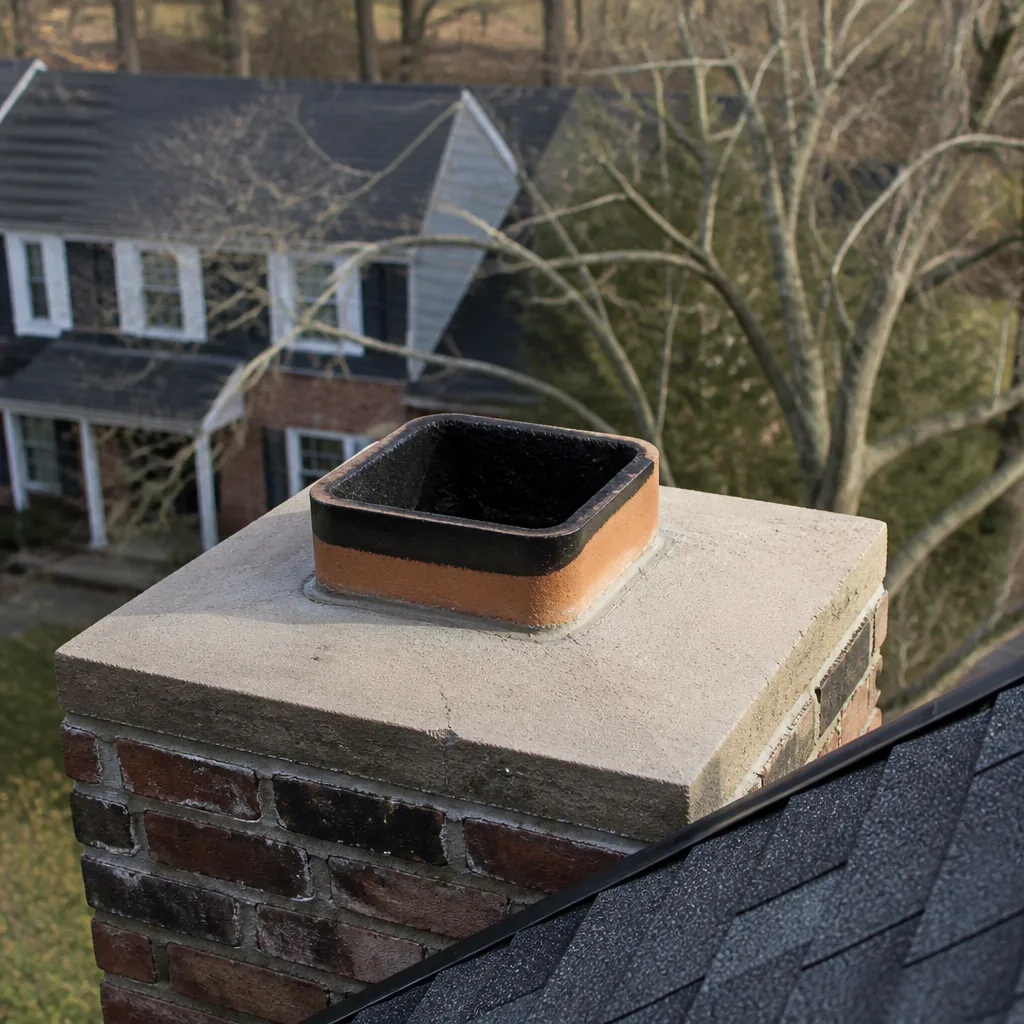
 Sweep & inspection
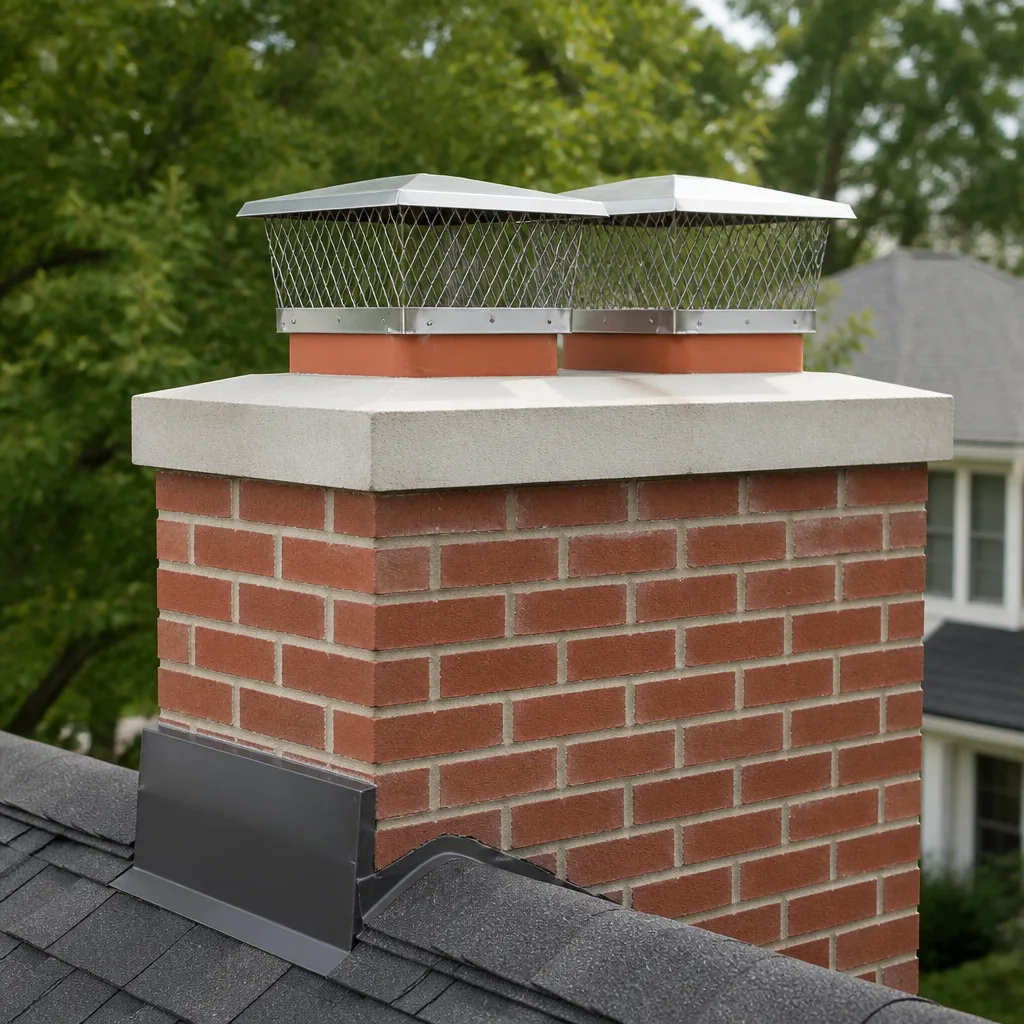 Caps & crowns
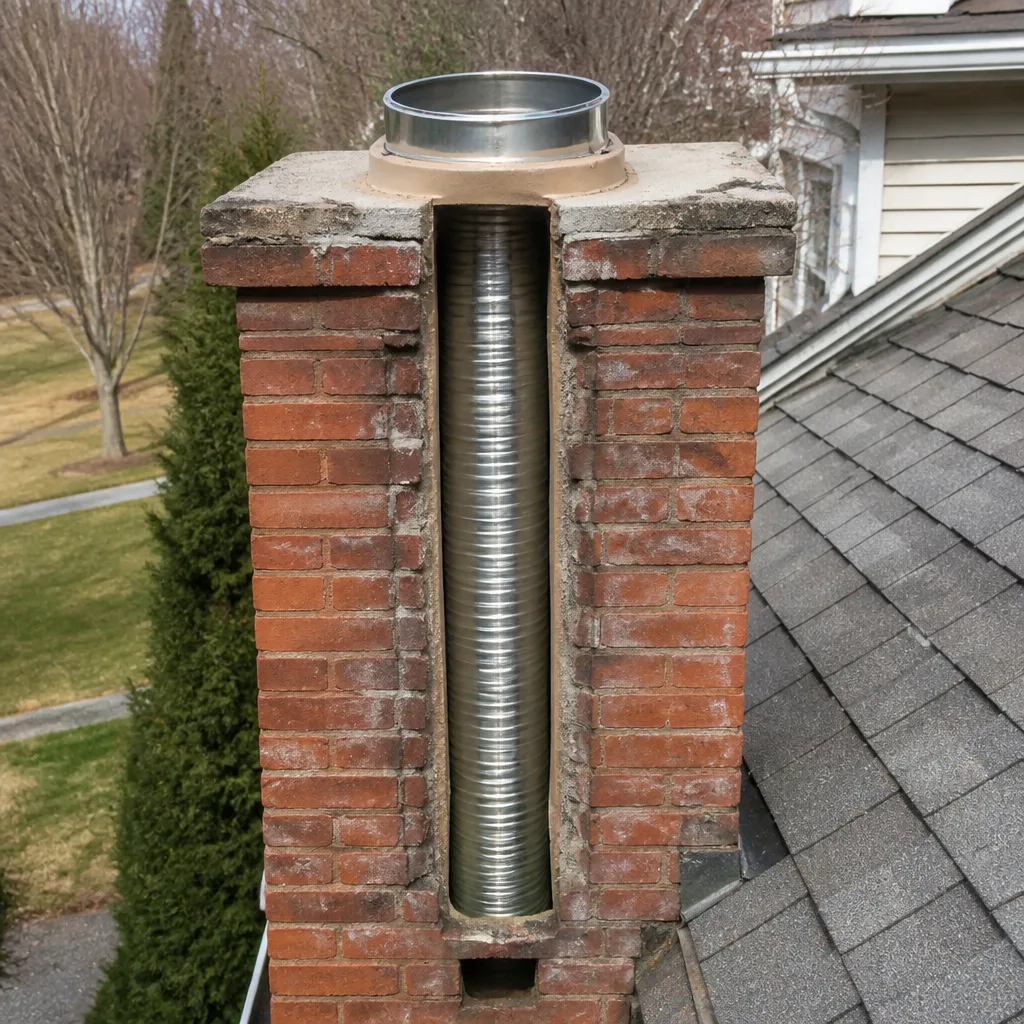 Flue relining
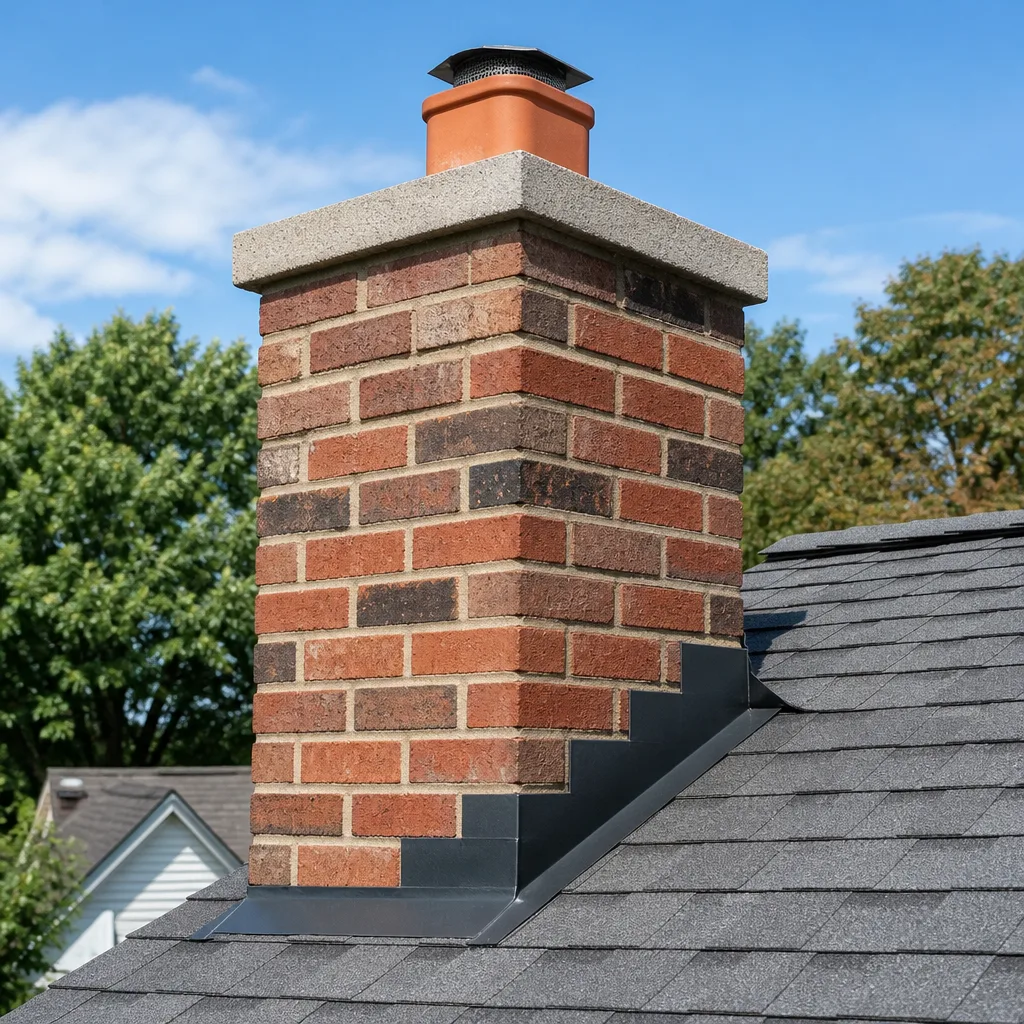 Masonry repair
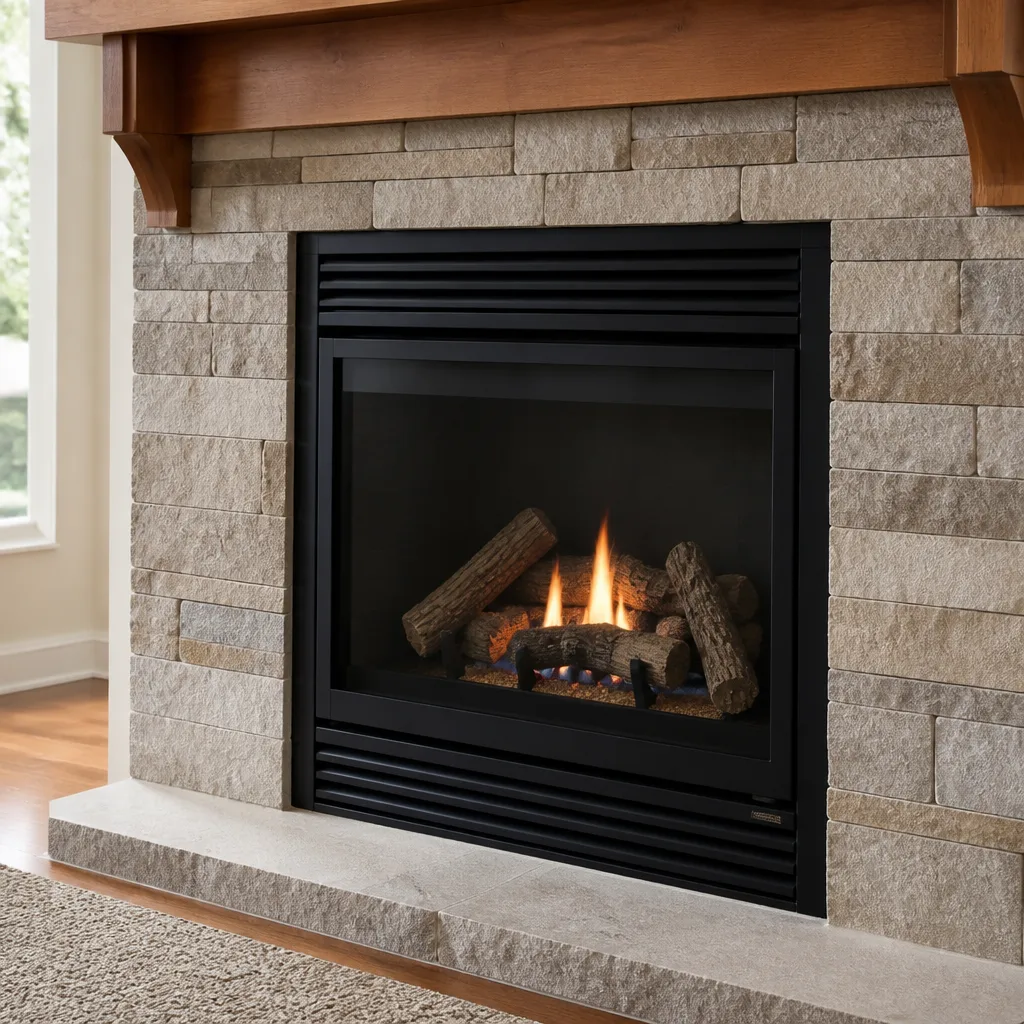 Gas fireplace service
Level 1 sweep and inspection to the NFPA 211 annual standard - flue, crown, cap, and flashing checked and photographed
Chimney sweep logs do not sweep chimneys. They loosen some creosote - which then falls where a brush and vacuum still have to collect it.
Fast, Reliable Dryer Vent Cleaning Across Julian
Dryer vent cleaning in Julian typically costs $145 – $285 for a standard single-family home, with vacation rental cabins and B&Bs running $175 – $320 depending on vent run length and access. Most jobs are completed in 60 – 90 minutes. Julian’s altitude and rental-heavy housing stock make this a different job than we do an hour downhill in El Cajon. Cold attic runs, long vent paths through canted crawl spaces, and commercial-grade lint loads from guest turnover mean a “quick once-over” doesn’t cut it here. If your dryer’s taking two cycles to dry a towel load, call (844) 510-0293 and we’ll diagnose it properly, not guess.
Why Acorn Chimney Sweep Is Julian’s Preferred Dryer Vent Cleaning Company
We work on century-old masonry chimneys in Julian’s gold-rush-era buildings and the dryer vents that run alongside them. That dual experience matters when a vent shares a chase with a clay-tile flue in an 1890s building on Main Street, or when a cabin’s vent path snakes through a cold attic that hits freezing temperatures in January. Noel Cardenas has built our team around one principle: show the homeowner what’s actually wrong, on camera, before recommending work. No scare quotes. No mystery blockages.
Julian homeowners and rental operators call us because we arrive with professional-grade equipment and we understand mountain building stock. A dryer vent in a 1920s converted miner’s cabin isn’t the same job as a vent in a 2005 tract home in Ramona. Different construction. Different failure points. Same standard: we clean the full run from dryer to exterior hood, photograph the before and after, and tell you plainly whether the vent is safe to use another season or needs components replaced.
Styles & brands we work with
Our Dryer Vent Cleaning Services in Julian
We offer three core dryer vent services in Julian, and they build on each other logically. Here’s how each one works and what it addresses in this mountain climate.
Dryer Vent Inspection
Every job starts with a full inspection of the vent run, the transition duct behind the dryer, and the exterior hood. In Julian, we’re looking specifically at cold-weather condensation damage: galvanized hood louvers that have seized from freeze-thaw cycles, lint caked against the interior walls of the duct where moist air condenses and dries on repeat, and sags in flex runs where lint settles and hardens in low spots. We use a camera to document what we find, so you’re not taking our word on a verbal description. You see the blockage or the corrosion yourself.
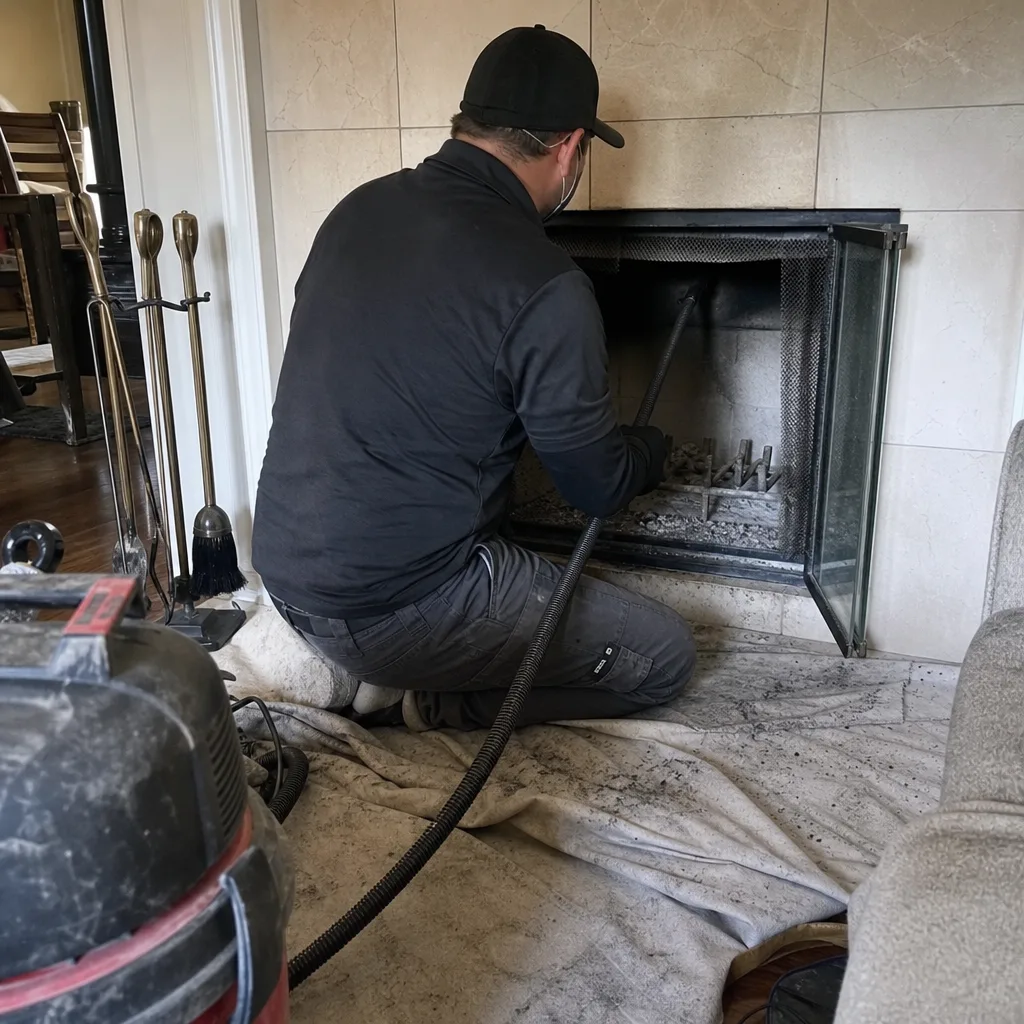
Dryer Vent Cleaning
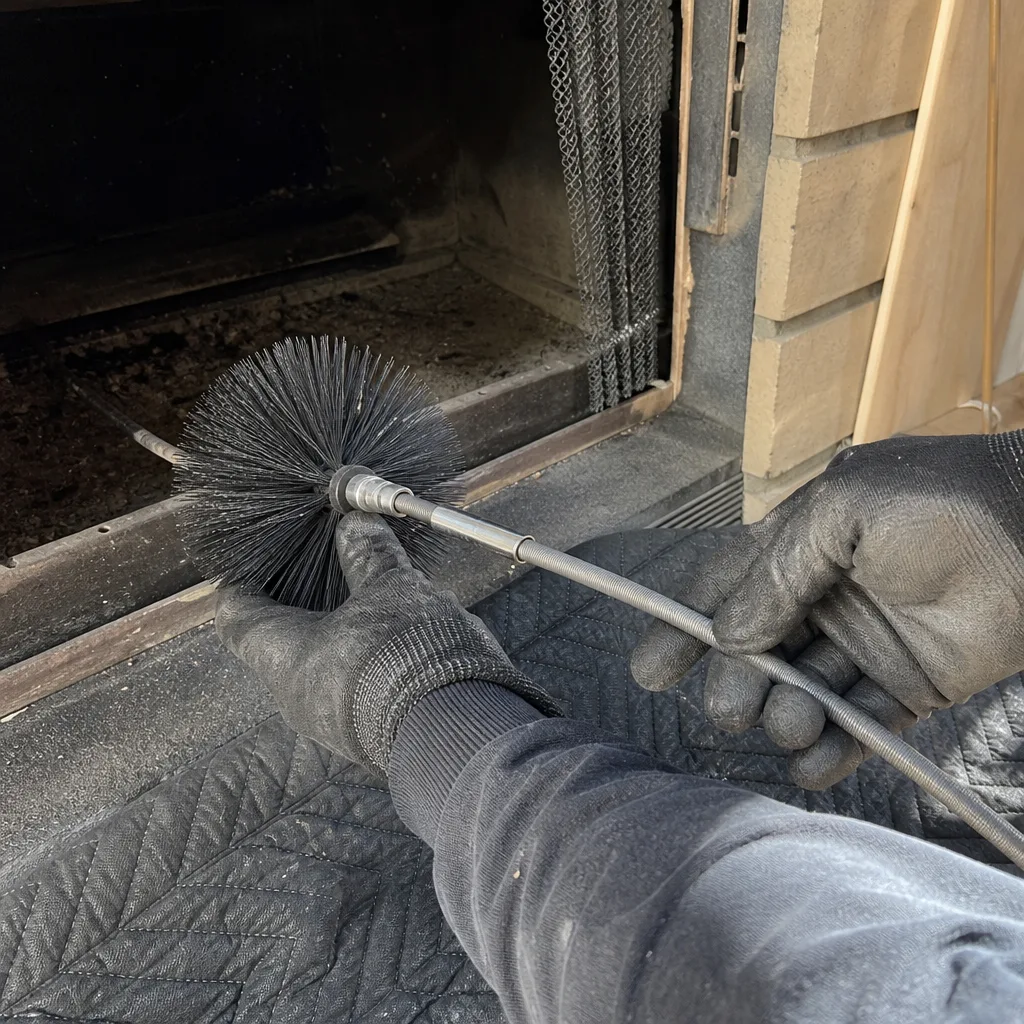
Cleaning means pulling the full run, not just vacuuming what’s reachable from the exterior or jerking a brush through the last three feet. We run rotary brushes and HEPA-filtered negative-air equipment through the entire duct path from dryer connection to the exterior termination. In Julian’s cabin stock, a full run might be 15 feet or it might be 30 feet with three elbows and a long horizontal stretch under a floor. Long runs accumulate more lint at every change of direction, so the cleaning has to be thorough, not cosmetic. A visible clean at the hood means almost nothing if there’s a compacted block 12 feet in.
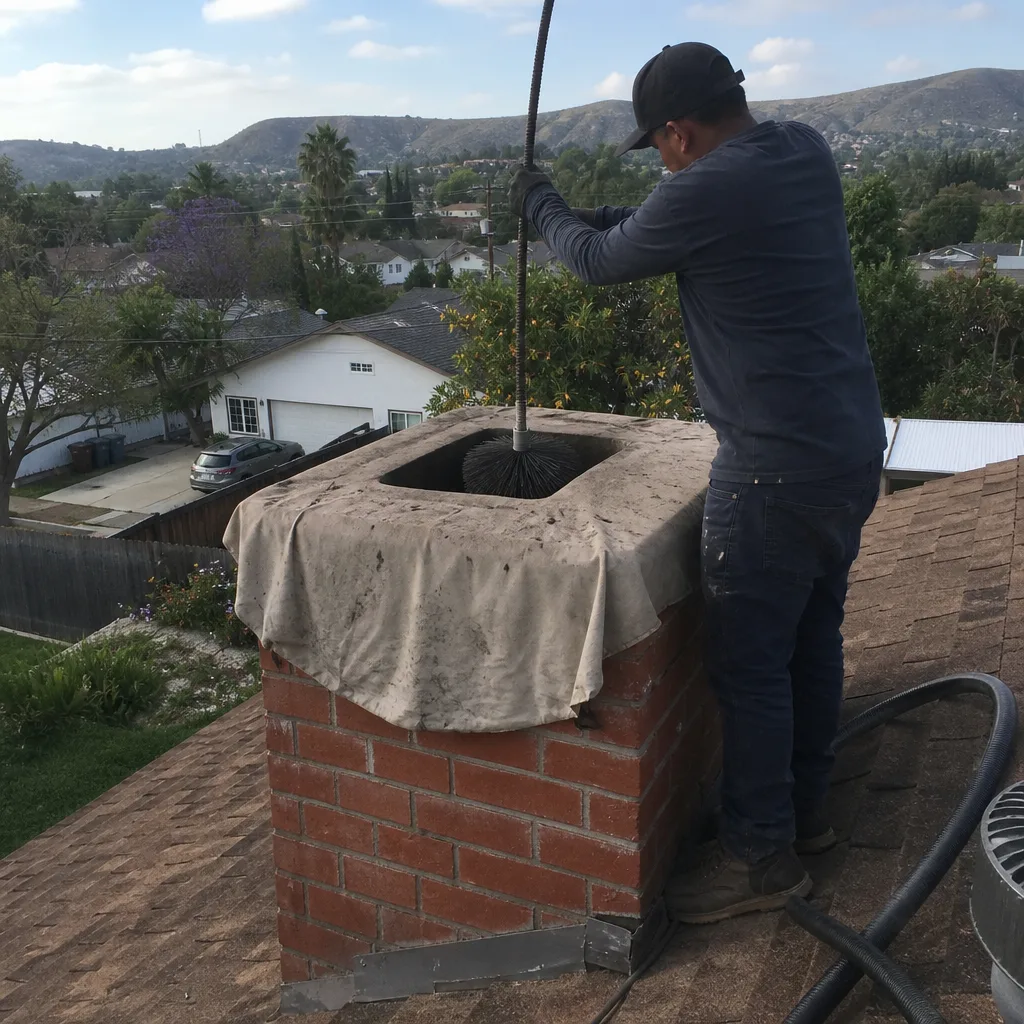
Vent Hood Replacement
Julian’s freeze-thaw cycle is hard on metal components. Galvanized hoods corrode at the seams and louver pivots, and once the louvers seize, the vent can’t exhaust properly even when the duct itself is clean. We stock and install stainless hoods, including units from Copperfield, that hold up to mountain winters far better than builder-grade galvanized. Replacement is usually a 30 – 45 minute job once the old hood is off and the duct is cleaned. For rental operators, a stainless upgrade is often the difference between a vent that works for a decade and one that needs attention every two years.
What happens when you call
- 1
A real person answersNo phone trees — you reach a local pro.
- 2
You get an upfront price rangeHonest numbers before anyone is dispatched.
- 3
A background-checked tech heads outLicensed & insured, dispatched right away.
- 4
You approve before work beginsNothing starts until you say go.
Trusted Brands We Service in Julian
We don’t stock homeowner-grade parts from a hardware store aisle. The hoods, flex runs, and termination components we install in Julian homes come from the same lines certified chimney and venting pros specify. DuraFlex rigid and semi-rigid vent sections, Copperfield hoods and caps, and HeatShield materials when a vent runs through a fire-rated assembly. That last part matters in Julian’s older buildings: when a dryer vent shares a wall cavity or chase with a chimney flue, the components have to meet a higher standard than what’s legal in a modern framed wall. We keep common lengths and hoods on the truck, so most replacements go in the same visit as the cleaning, not a follow-up appointment a week later.
See the difference
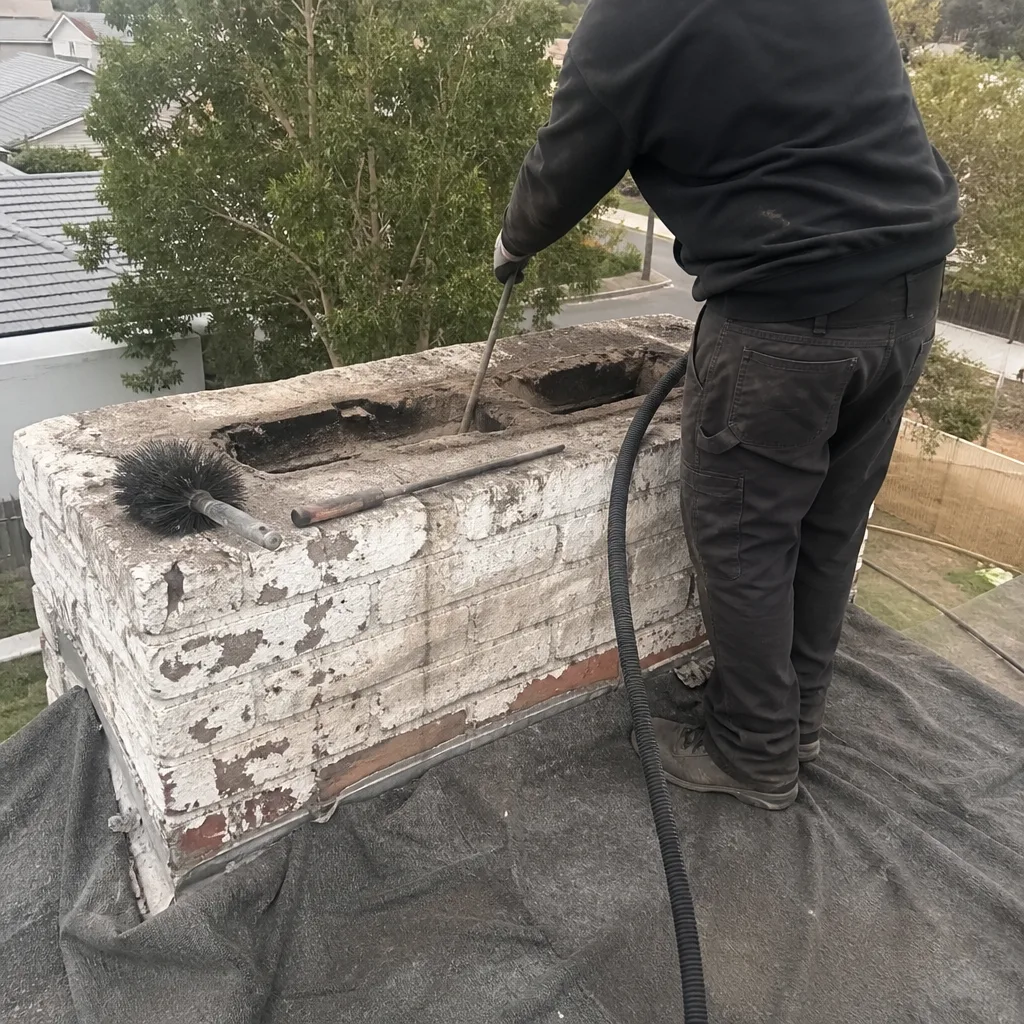 Before
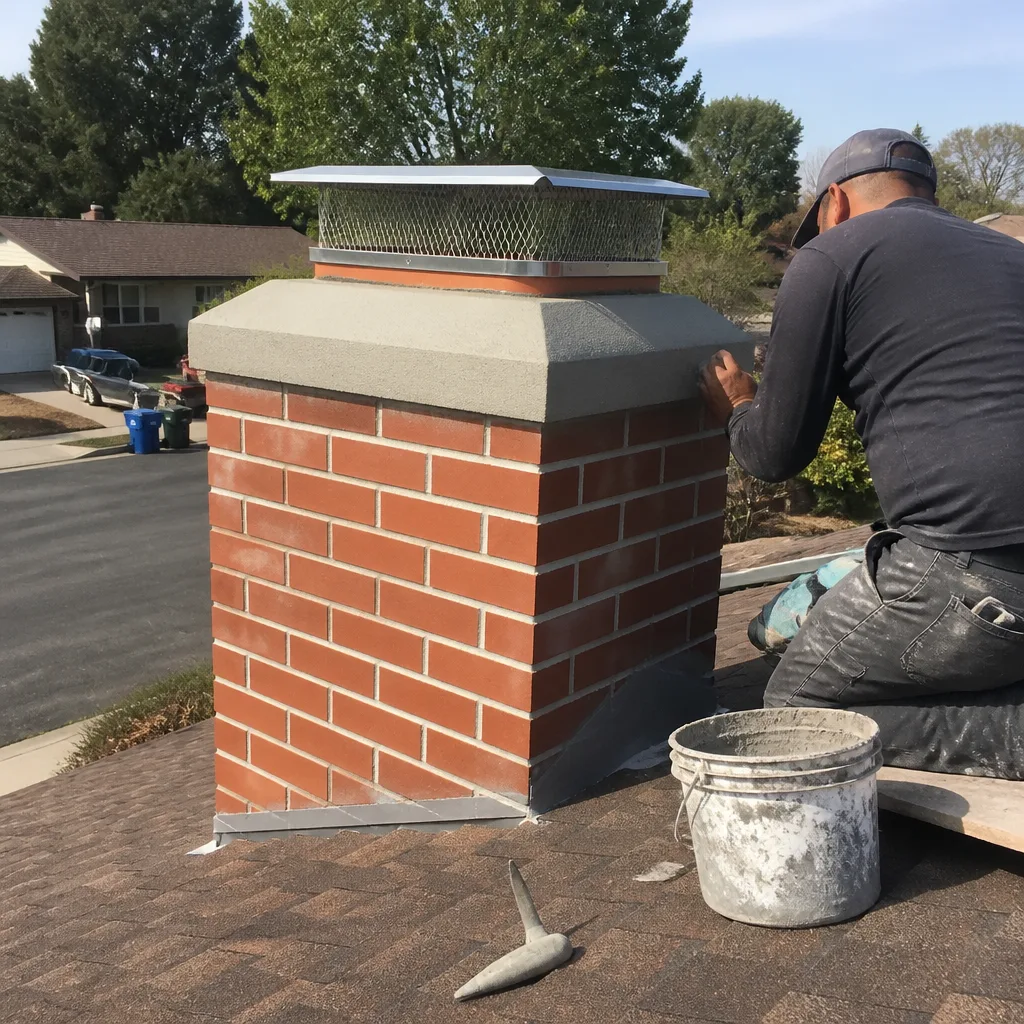 After
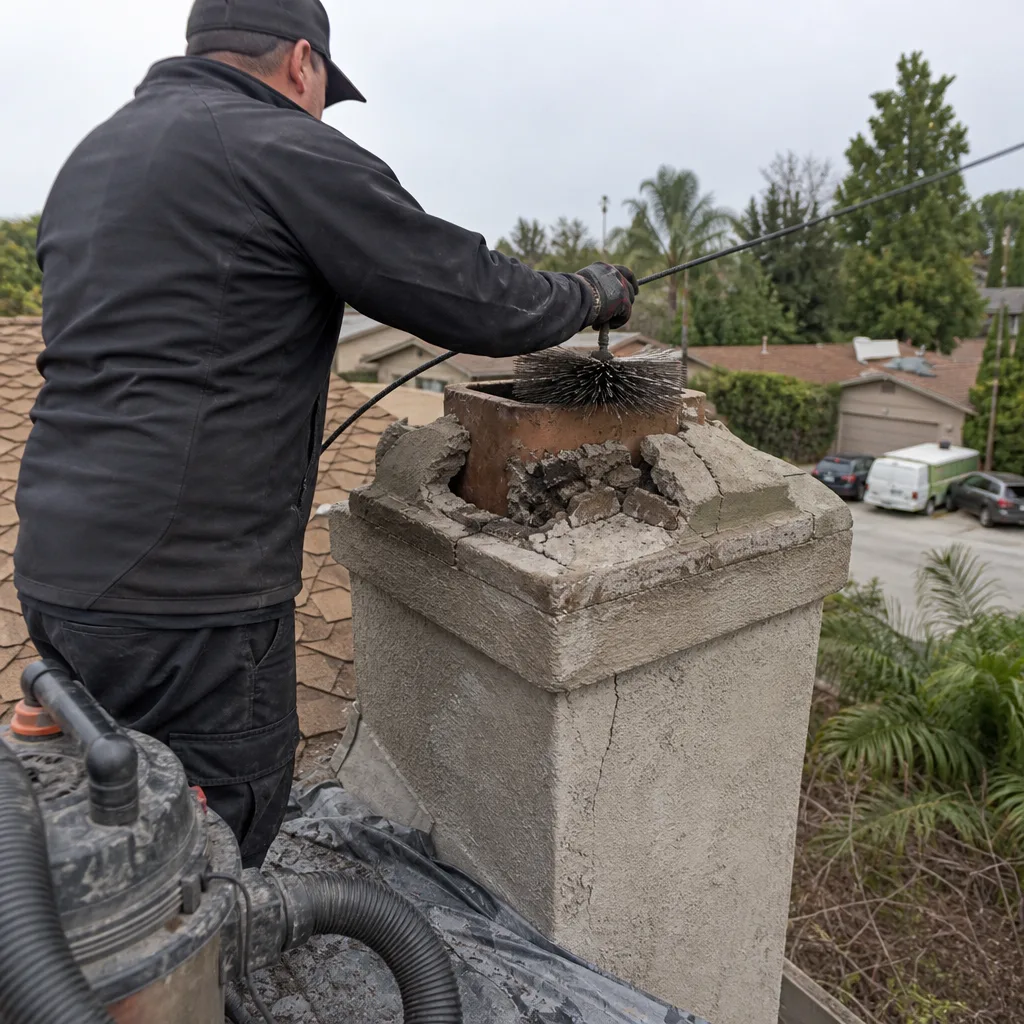 Before
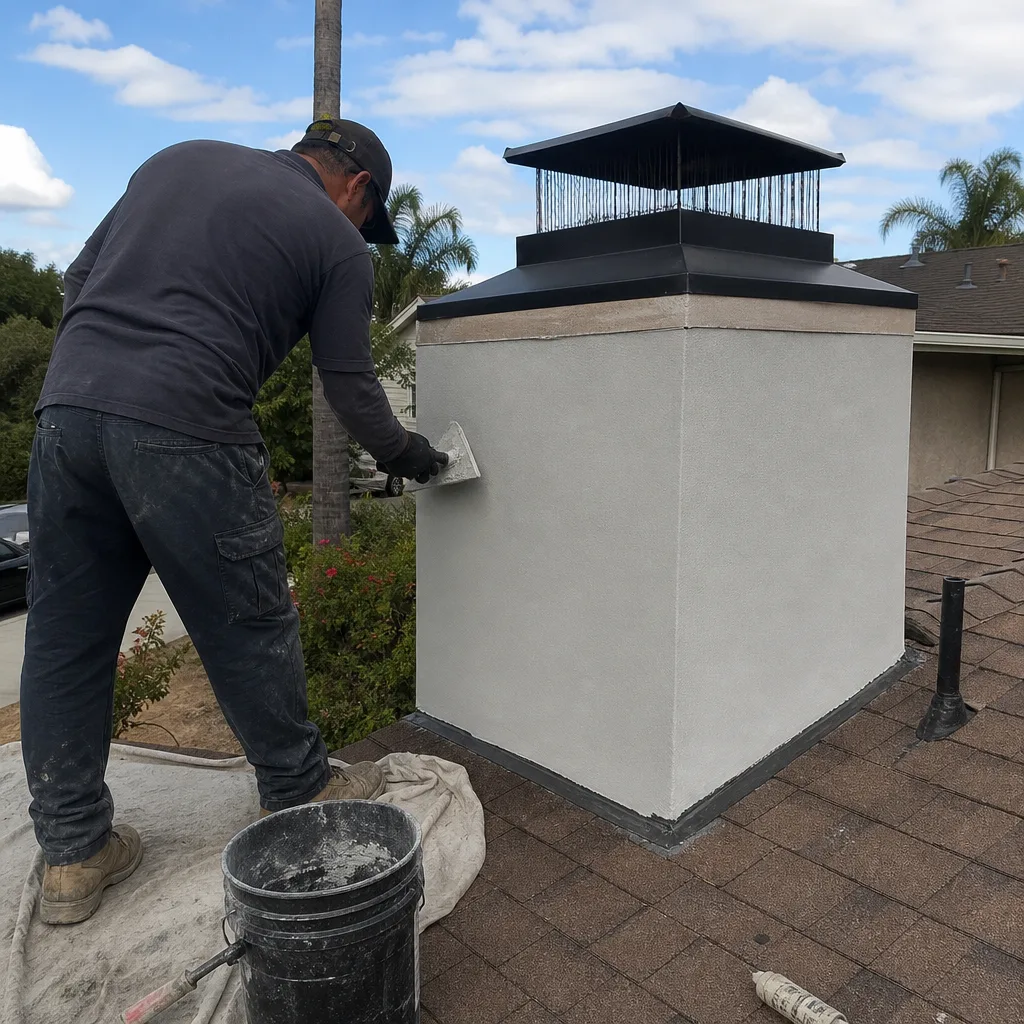 After
 Before
 After
Common Dryer Vent Cleaning Problems We See in Julian Homes
- Condensation-driven lint hardening in cold vent runs. Dryer air is warm and moist. When that air travels through an uninsulated attic or exterior wall cavity in Julian, where winter nights drop below freezing, the moisture condenses on the duct interior. Lint sticks to that wet surface, dries, and the cycle repeats until the duct narrows itself shut. This is a high-altitude failure mode you won’t see on a coastal San Diego dryer vent.
- Corroded galvanized hood louvers. Freeze-thaw cycling splits the thin galvanized coating on builder-grade hoods, and within a few Julian winters the louvers seize or fall off entirely. A seized hood traps moist air in the duct. A missing louver set lets cold air, rain, and occasionally snow straight into the vent run.
- Heavy lint loads from vacation rental turnover. A short-term rental doing guest laundry every day puts more lint through the vent in a month than a typical single-family home does in four. Combined with the cold-vent condensation problem, this is how a vent goes from “working fine” to “thermal fuse tripped” in a single season. Cabin owners often don’t know there’s a problem until a dryer stops heating.
- Long, indirect vent paths in older or retrofit construction. Julian’s housing stock isn’t designed around modern laundry layouts. Vents get routed through whatever cavity was available: under the floor, through a masonry wall, up and over structural members in a canted crawl space. Every elbow is a lint collection point. Every horizontal run over 6 feet is a place lint settles and compacts.
Pricing for Dryer Vent Cleaning in Julian, CA
For a standard single-family Julian home with a direct vent run under 15 feet, expect $145 – $215. A vacation rental or cabin with a longer run, multiple elbows, or a roof termination typically runs $185 – $285. If we need to replace a corroded hood with a stainless Copperfield unit, that adds $85 – $140 in parts and labor. The variables are access, run length, and condition. We price every job the same way: a flat quote before we start, based on what we can see at the dryer and the exterior hood, with a camera inspection included. No surprise line items after the fact. Call (844) 510-0293 for a specific quote on your place; estimates are free and you’ll get a real number, not a range with a shrug.
We Also Serve Cities Near Julian
Our Dryer Vent Cleaning team covers Julian, 92036, and the surrounding mountain communities, including Descanso, Pine Valley, Ramona, and San Diego Country Estates. Same standards, same professional-grade components, same camera-backed inspection on every job. If you’re in one of those areas and your dryer’s taking longer than it used to, give us a call and we’ll schedule a visit.
Serving Julian, CA — Our Local Coverage Area
We’re based in the Julian area and know this community well. Use the map below to see our service coverage — if you’re nearby, we can almost certainly help.
FAQs – Dryer Vent Cleaning in Julian
Every 6 to 12 months for an active vacation rental in Julian. The combination of daily guest laundry loads and cold-vent condensation means lint builds 2 – 3 times faster than in a typical San Diego single-family home, where an annual or 18-month interval might be sufficient. If your cabin sits on a well or has hard water, mineralized lint adds another reason to check the vent at least twice a year. A spring cleaning after the busy season, plus a quick camera inspection before the first big winter booking block, covers most rental operators. Call (844) 510-0293 and we’ll help you set a realistic schedule based on your specific cabin’s usage and vent configuration.
Freeze-thaw cycling and condensation corrosion. At 4,200 feet, Julian winter nights drop below freezing regularly, and the metal housing of a dryer vent hood goes through repeated expansion-contraction cycles that stress the galvanized coating and louver pivots. Moist dryer air hitting cold metal creates condensation droplets that sit in the seams and accelerate corrosion. In coastal San Diego, a galvanized hood might last 15 years. In Julian, the same hood often shows seized louvers or visible rust within 5 – 7 years. Stainless replacement hoods from brands like Copperfield avoid the problem because they resist both the corrosion and the mechanical fatigue.
Yes, and it starts with the lint itself. Lint is effectively kindling: fine, dry cellulose fibers. When a clogged vent traps heat in the duct run, that heat can migrate through the duct wall into surrounding framing, insulation, or in Julian’s older buildings, structural lumber that’s been drying for a century. The risk isn’t just the dryer; it’s the slow, invisible heating of whatever the vent runs through. In a gold-rush-era building with dimensional lumber and wood lath, the margin between “warm duct” and “smoldering framing” is narrower than in modern construction. This is one reason we inspect the full run with a camera, not just the visible 3 feet at the hood. If we find a condition we wouldn’t feel comfortable leaving in our own rental property, we tell you plainly and show you the footage.
It can, but it needs specific treatment. In some of Julian’s older buildings, a single chase carries both a masonry chimney flue and a dryer duct because the original builders consolidated venting into one structural channel. Code doesn’t prohibit this outright, but the installation must use fire-rated materials and maintain clearances between the dryer duct and the chimney flue. The problem we see in Julian is exactly this: original construction that never anticipated a dryer being there, later retrofitted with whatever flex duct was on hand. If a vent shares a chase with a flue, we treat it as a two-part job: verify both the dryer vent’s condition and the chimney’s clearance and separation. HeatShield-rated components and proper rigid vent sections are usually required. Call (844) 510-0293 if your building fits this description; we’ll assess the actual layout rather than making assumptions from the ground.
It extends the interval modestly but doesn’t replace cleaning. A stainless hood prevents the corrosion-driven failures that shorten a vent’s lifespan and cause localized blockages at the termination point. What a hood upgrade doesn’t do is reduce the volume of lint moving through the duct. If your cabin runs daily guest laundry, lint still builds inside the run, especially at elbows and on long horizontal stretches. What we tell Julian rental operators is this: upgrade the hood to stainless for longevity, but keep the cleaning schedule the same. The hood protects the exit; the cleaning protects the entire run. Call (844) 510-0293 to discuss both.
Written by Noel Cardenas, Owner at Acorn Chimney Sweep, serving Julian and the surrounding mountain communities with chimney, venting, and dryer vent services.