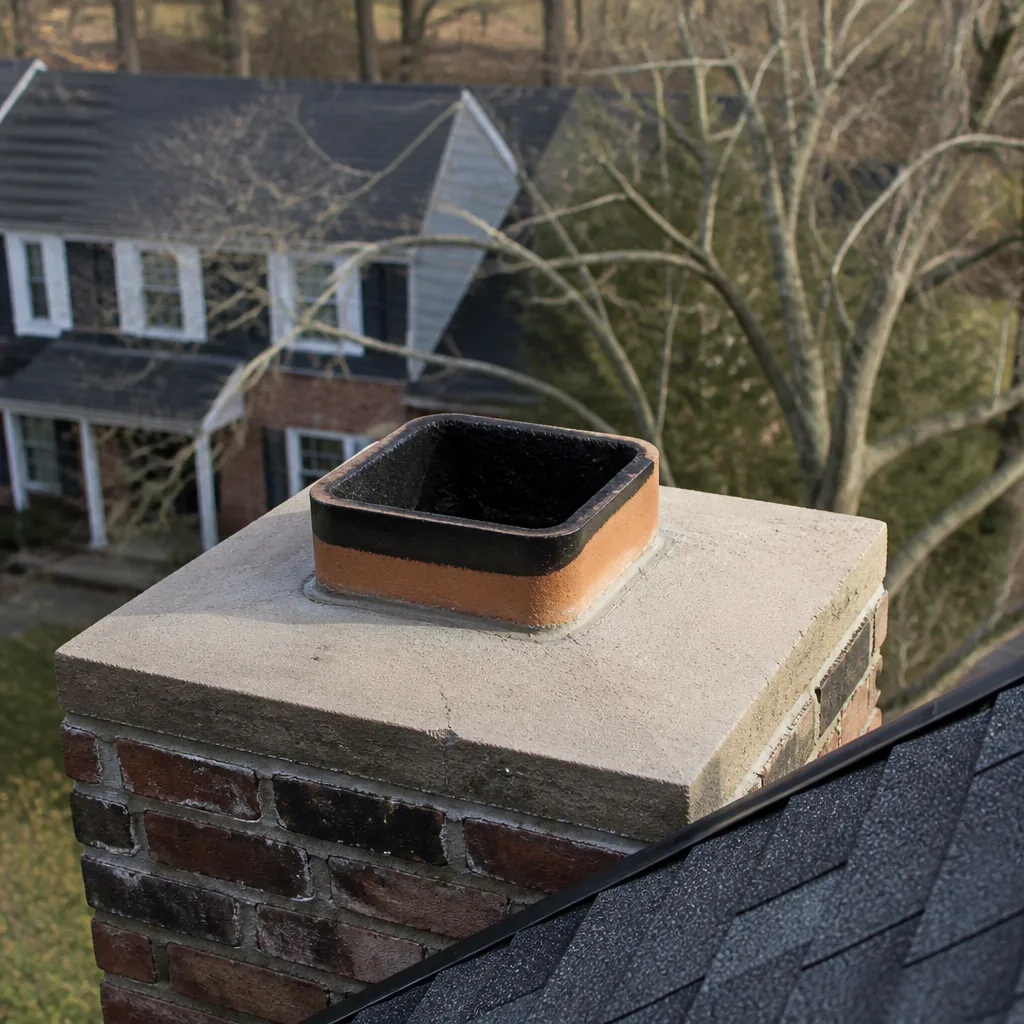
 Sweep & inspection
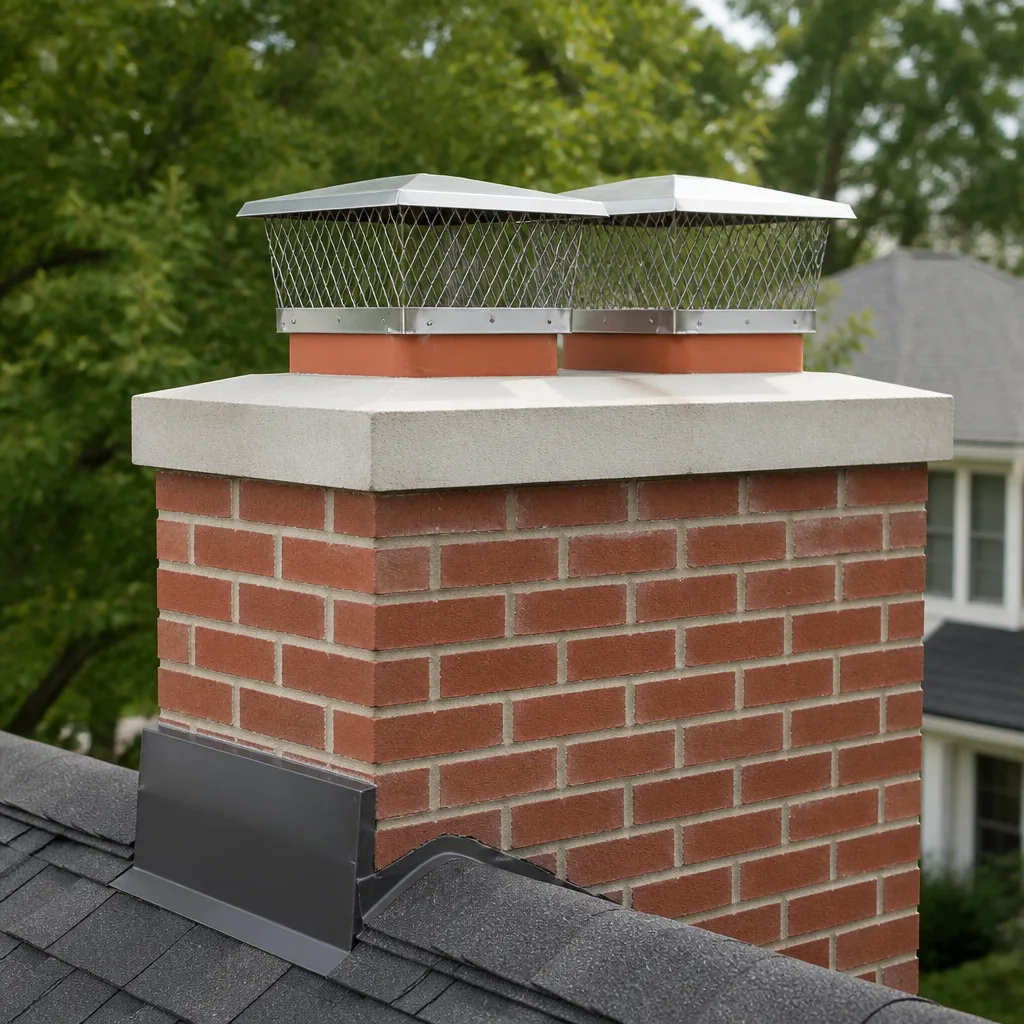 Caps & crowns
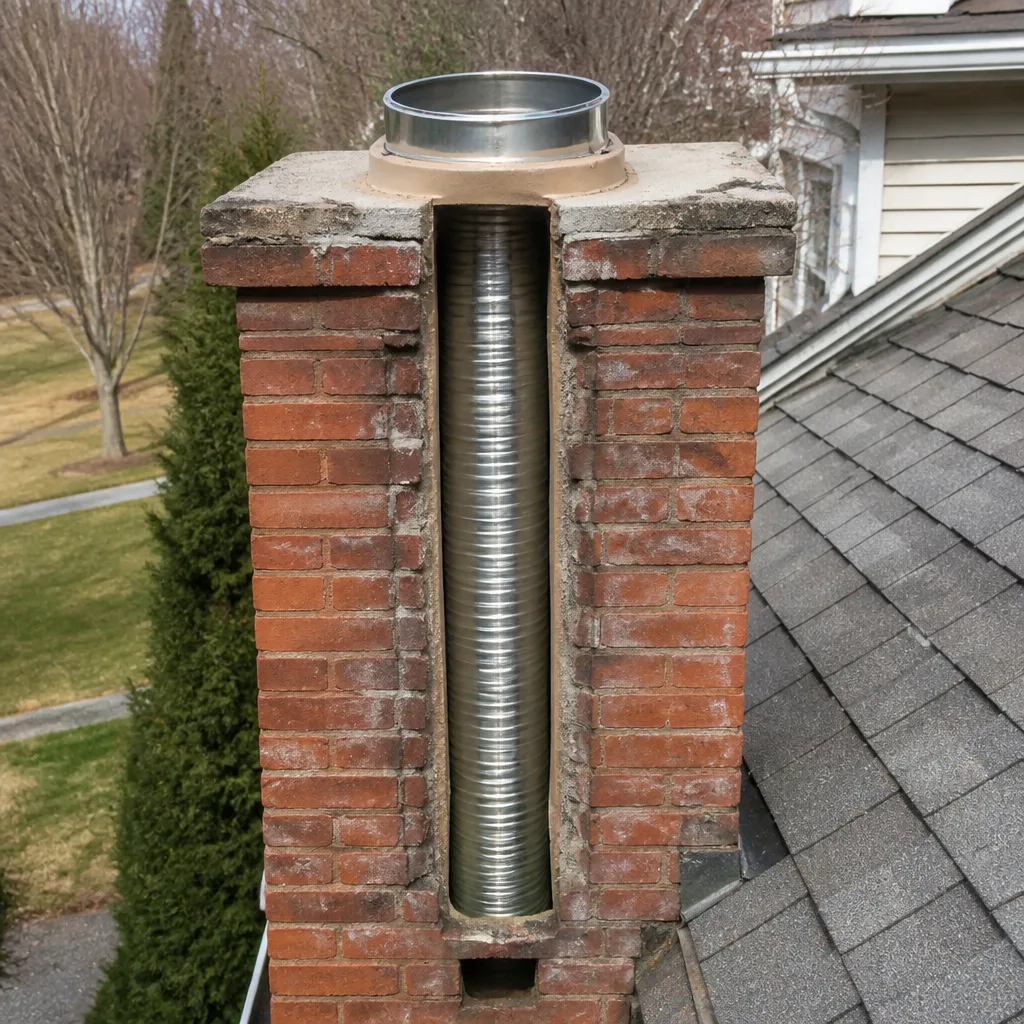 Flue relining
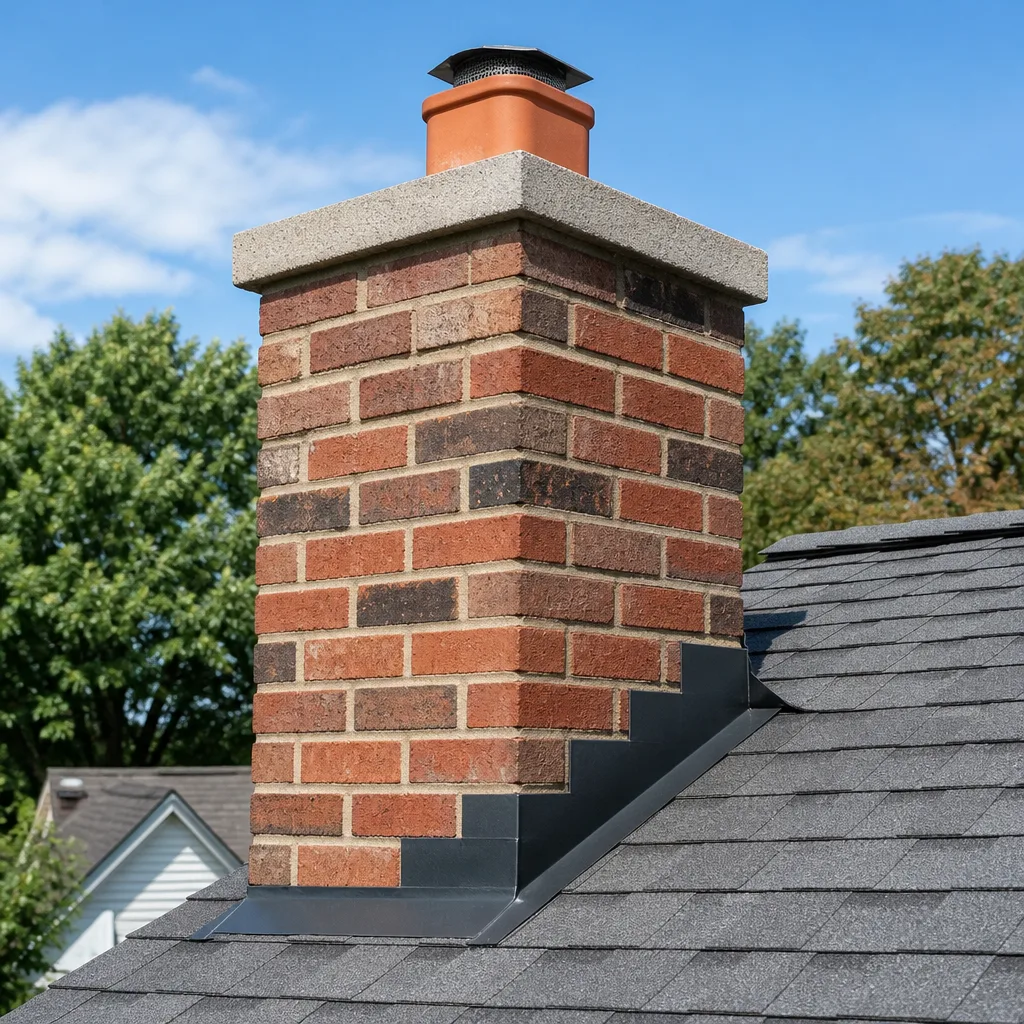 Masonry repair
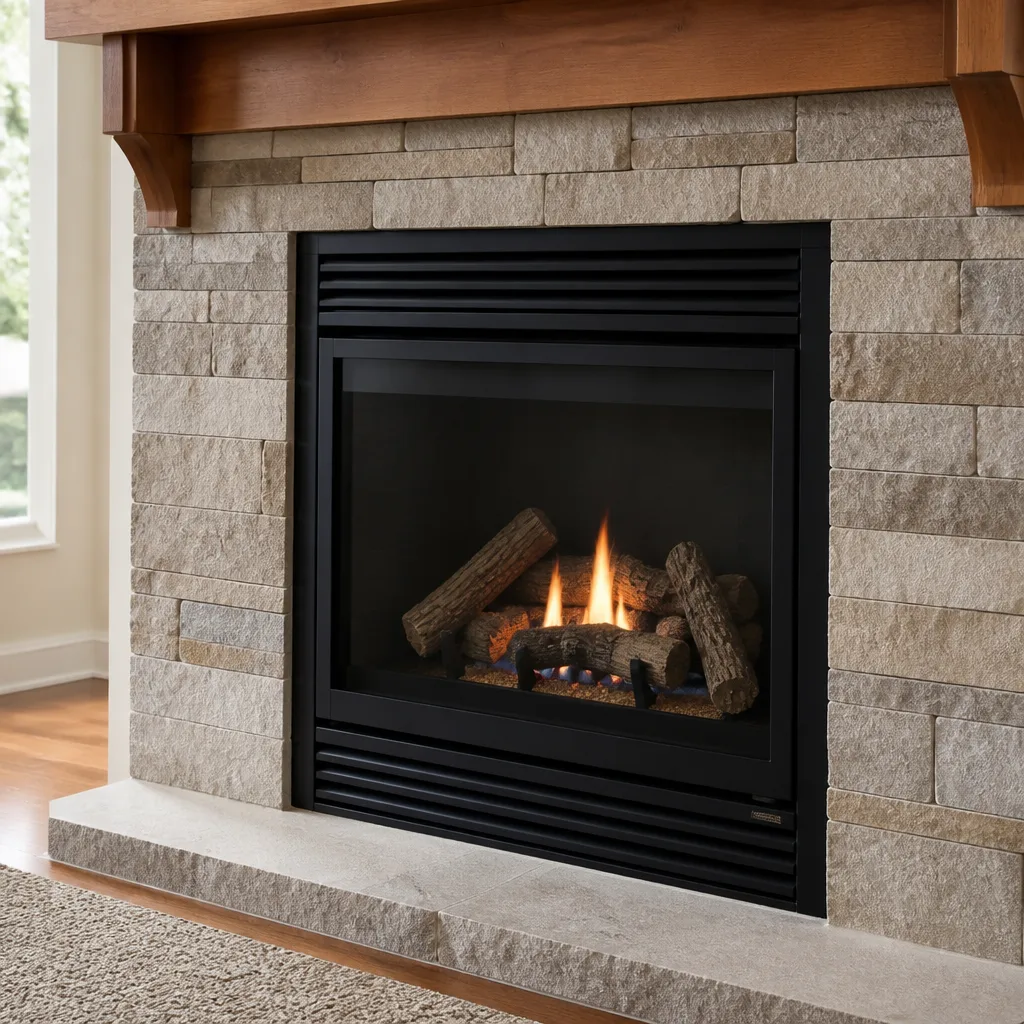 Gas fireplace service
Level 1 sweep and inspection to the NFPA 211 annual standard - flue, crown, cap, and flashing checked and photographed
Chimney sweep logs do not sweep chimneys. They loosen some creosote - which then falls where a brush and vacuum still have to collect it.
Why Camp Pendleton South Homeowners Choose HeatShield Chimney Cleaning
We provide independent HeatShield chimney cleaning and resurfacing service in Camp Pendleton South, working with the Cerfractory and Firex product lines on masonry fireboxes and flue liners throughout the 92055 ZIP. We also serve nearby communities with El Cajon HeatShield service. The difference comes down to this: we don’t just sweep the flue and walk away. We inspect the firebox, identify where the refractory surface is failing, and resurface it with genuine HeatShield materials when the underlying masonry is still sound. As an independent HeatShield service provider, not a manufacturer-authorized dealer, our recommendation comes from what we see inside your chimney, not from a sales quota. If you’re in Camp Pendleton South and need a HeatShield assessment, call us at (844) 510-0293 for a straight evaluation of what your firebox actually needs.
Why Trust Acorn Chimney Sweep for Your HeatShield Chimney Cleaning?
HeatShield work fails when the person applying it doesn’t understand what’s underneath it. That’s the honest truth. The product itself is a proven refractory resurfacing system, but it only performs when the substrate is clean, dry, and structurally sound. Our crew, led by Noel Cardenas, has spent years working with HeatShield Cerfractory and Firex on Southern California masonry fireplaces, and we’ve seen every way a resurfacing job can go sideways. Thin application over a dirty surface. Coating over glazed creosote that never should have been left in place. Firex mortar laid over a firebox floor that was never rebuilt first. We avoid those failures because we do the prep work the product demands. Noel got his start in construction fundamentals at Grossmont College before specializing in chimney and venting systems in the mid-1990s, and that grounding matters when you’re deciding whether a firebox can be resurfaced or needs a full rebuild. We tell Camp Pendleton South homeowners the truth about their firebox, even when the truth is that HeatShield isn’t the right fix.
Styles & brands we work with
Common HeatShield Chimney Cleaning Problems We Fix in Camp Pendleton South
- Spalling and flaking HeatShield Cerfractory on firebox walls. This happens when the original coating was applied too thin or over a surface that still carried soot, dust, or moisture. The refractory layer loses its bond and begins shedding into the firebox within a few seasons. We grind back the loose material, prep the substrate properly, and reapply at the correct thickness.
- Cracking along mortar joints in resurfaced fireboxes. The firebox walls move as the masonry heats and cools. If the substrate wasn’t fully cured before the Cerfractory went on, or if the original mortar joints weren’t addressed, the new surface cracks right along those joint lines. We rebuild the firebox floor with Firex before resurfacing, so the new layer has a solid base to flex against.
- Injectable HeatShield flue sealant that didn’t bond. We see this on flues where the parging or clay tile liner still had glazed creosote on it. The sealant can’t adhere to a slick, baked-on surface, so the flue stays compromised. We sweep the flue to bare masonry first, then apply the sealant only where the surface will actually hold it.
- Firebox floors that flex under a new HeatShield layer. If the original firebox floor is cracked or soft and you resurface over it, the new refractory layer moves with the base and cracks again. HeatShield Firex is designed for rebuilding firebox floors and walls, and we use it before any Cerfractory resurfacing goes down.
- Creosote buildup above the damper pressing against HeatShield surfaces. In Camp Pendleton South, fireplaces get used episodically through the mild coastal winters, so creosote builds slowly but sits for long stretches. That hardened, glazed creosote can trap moisture against the firebox and accelerate deterioration of the refractory surface. A proper sweep before resurfacing is non-negotiable with us.
HeatShield Parts & Our Repair-vs-Replace Approach
We stock genuine HeatShield Cerfractory Flue Sealant, Firex refractory mortar, and the trowel-grade resurfacing compound for larger firebox repairs. We don’t use aftermarket substitutes, because the off-brand refractory mixes don’t cure to the same hardness and won’t survive normal firebox heat cycling. That’s not a sales pitch. It’s a material science reality we’ve watched play out in fireboxes across Southern California.
The harder conversation is when a firebox is beyond resurfacing. If the structural masonry is failing, if the firebox shell has separated from the surrounding brickwork, or if the original floor is too far gone to rebuild, layering HeatShield over it would be wasted money. When that’s the case, we tell the homeowner a prefab insert or a full firebox rebuild is the better spend. We’d rather lose a resurfacing job than install a coating that’s going to crack in two seasons. Call (844) 510-0293 and we’ll give you an honest read on which side of that line your firebox sits on.
Our HeatShield Service Process – Step by Step
- 1
Diagnosis. We start with a Level 2 inspection when a fireplace has visible firebox damage or a history of water intrusion. That means a camera run through the flue and a hands-on examination of the firebox walls, floor, and mortar joints. We’re looking for the failure mode behind the visible symptoms: glazed creosote, cracked substrate, moisture in the masonry, or a previous resurfacing that’s already delaminating.
- 2
Sweep and prep. Before any HeatShield material goes on, the flue and firebox get swept back to bare masonry. Creosote removal isn’t optional prep work. It’s the difference between a bond that holds and a coating that peels.
- 3
Repair and resurface. We rebuild the firebox floor with Firex where it’s needed, then apply the Cerfractory or trowel-grade resurfacing compound to the walls. For flue liner work, we use the injectable sealant system only after the substrate passes a visual and adhesion check.
- 4
Test and document. After the material cures, we run a draft test and a final camera inspection. You get photo and video documentation of the finished surface, so you can see what we did, not just take our word for it.
See the difference
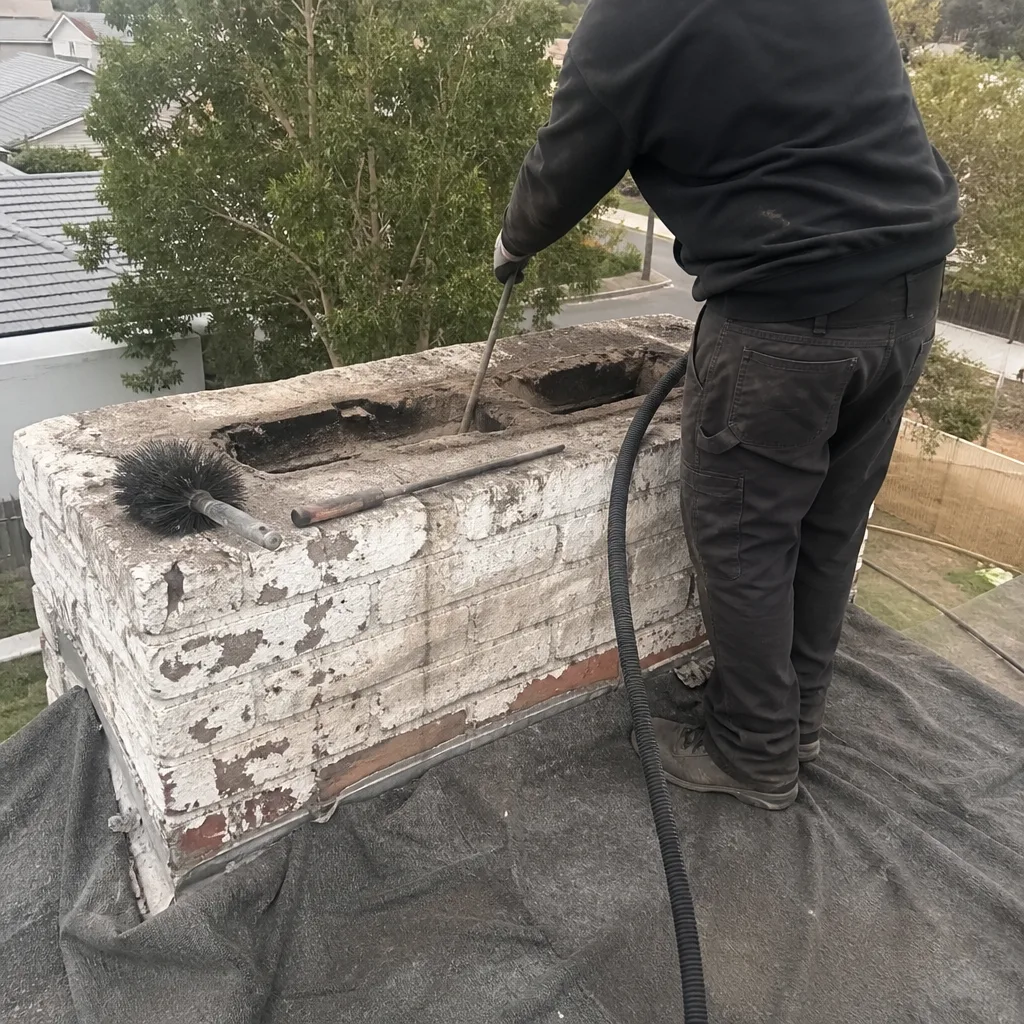 Before
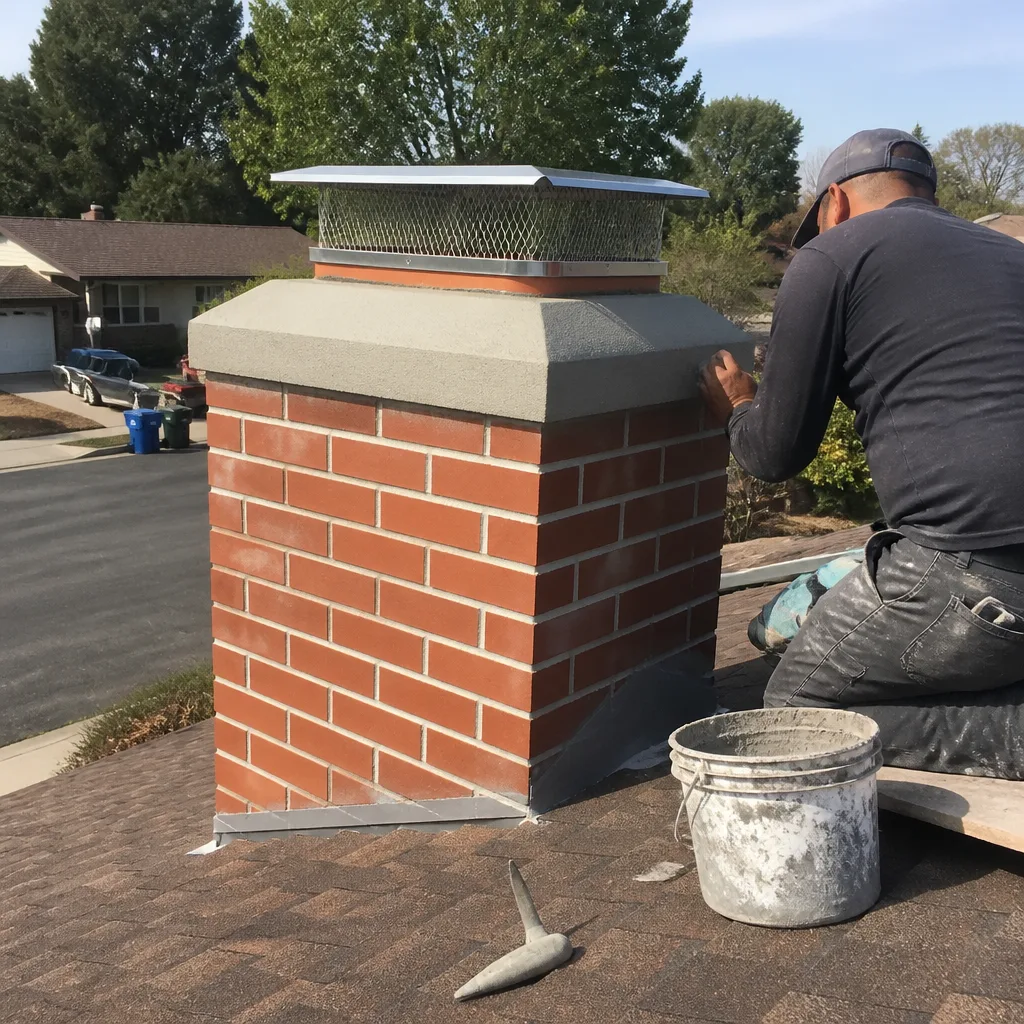 After
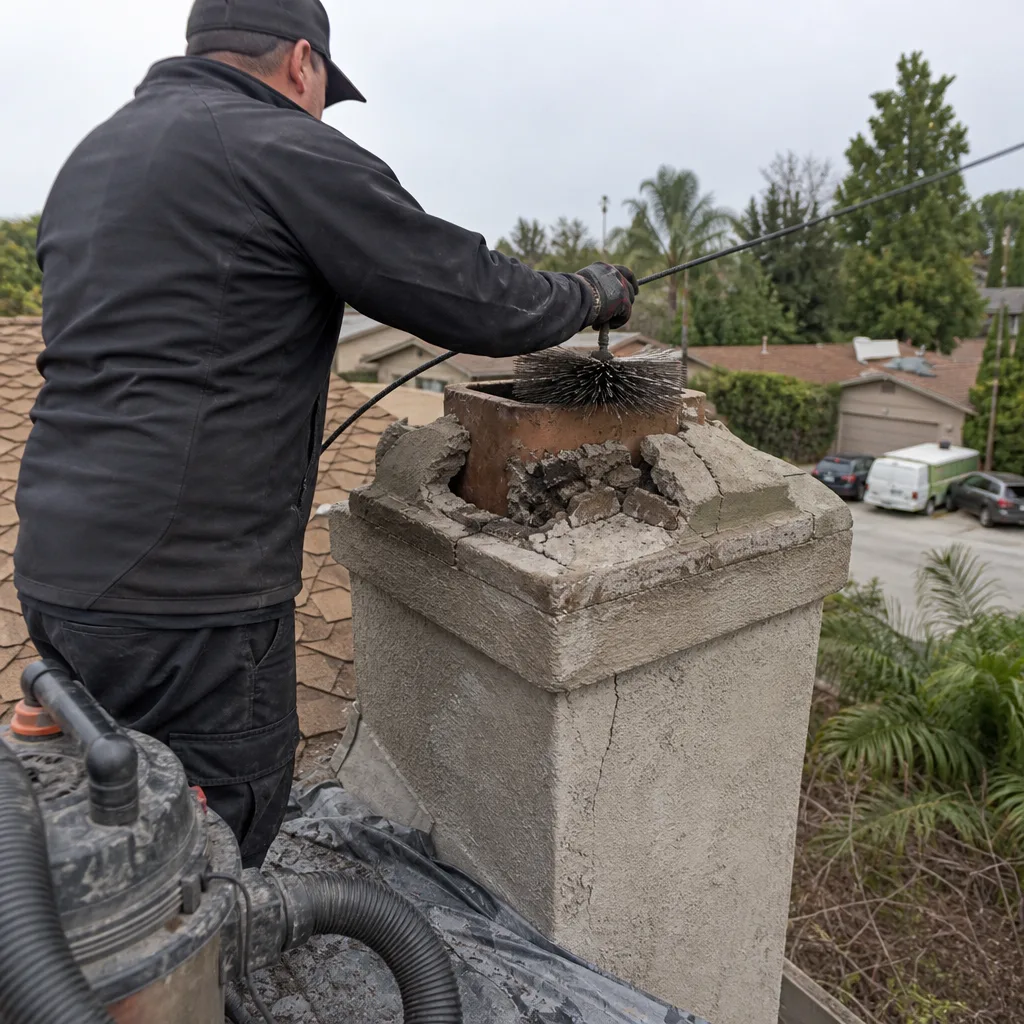 Before
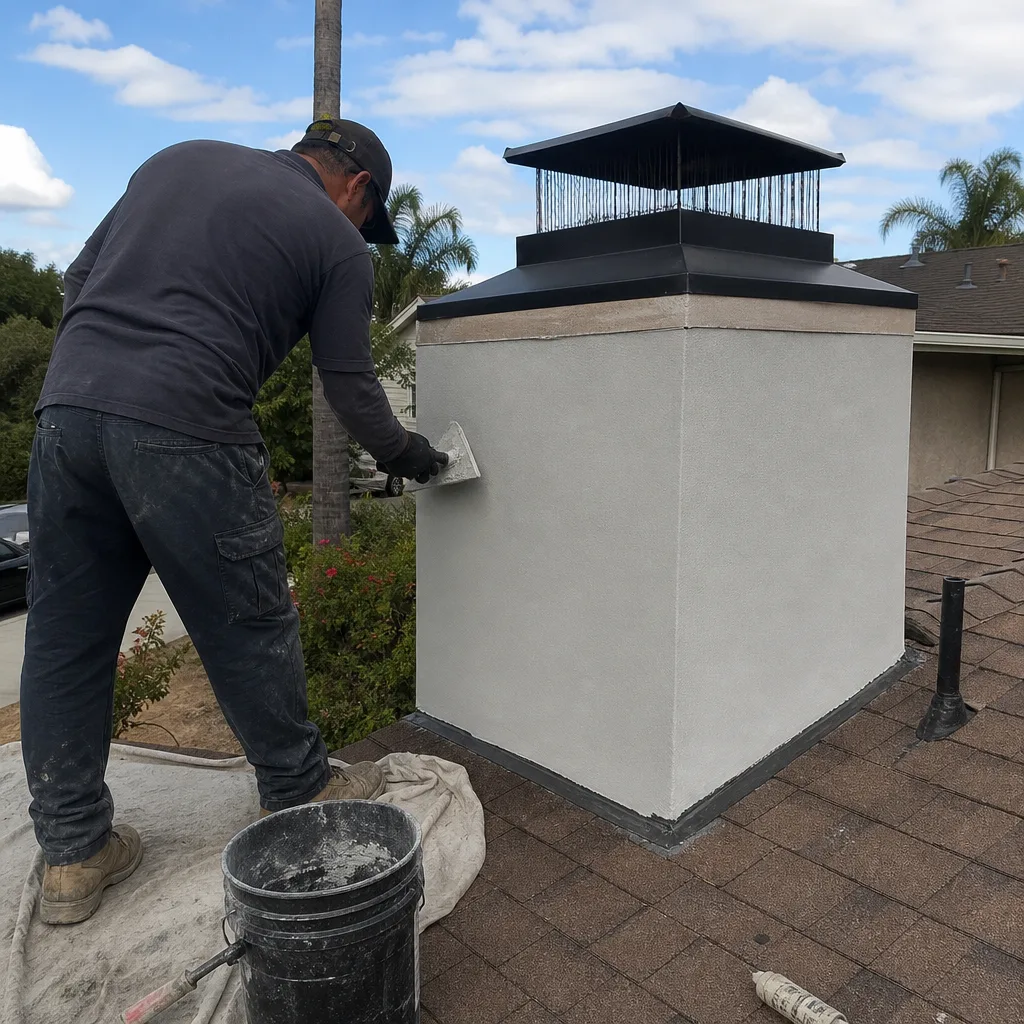 After
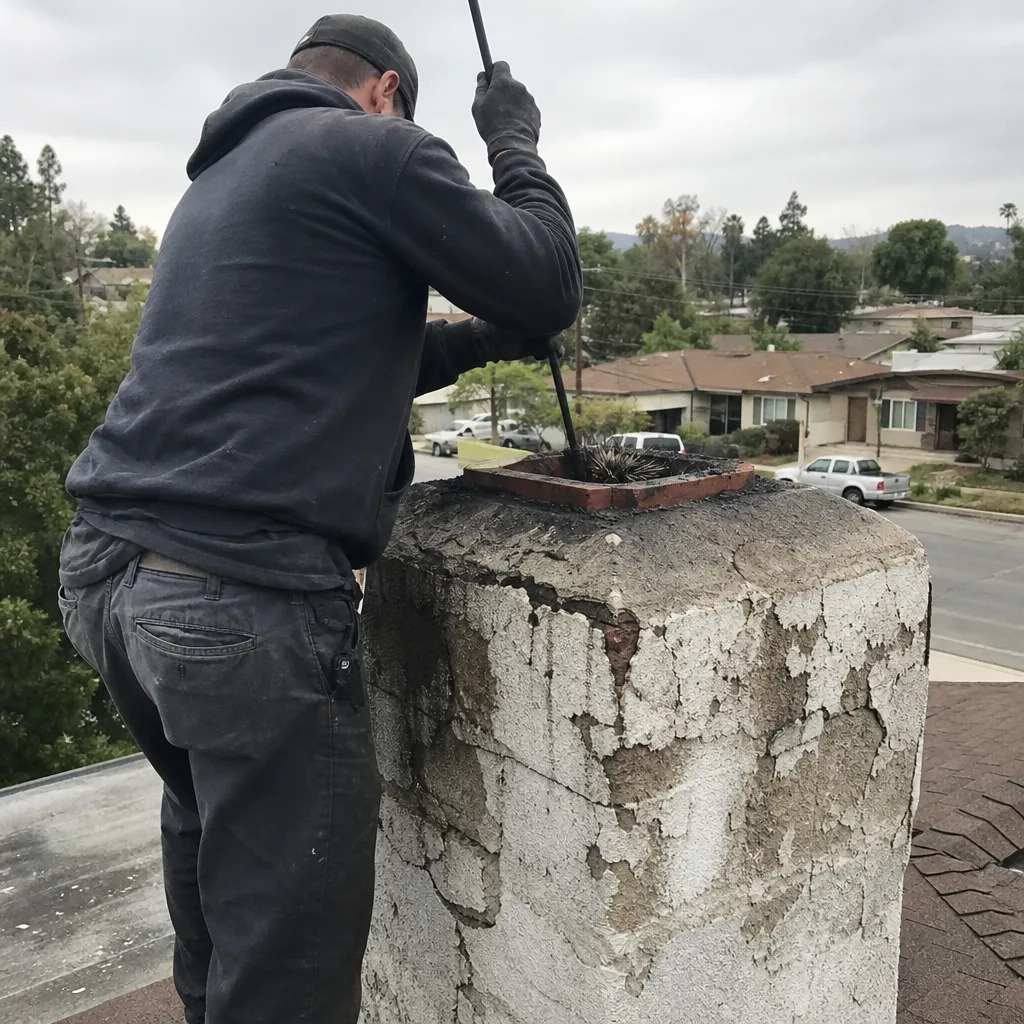 Before
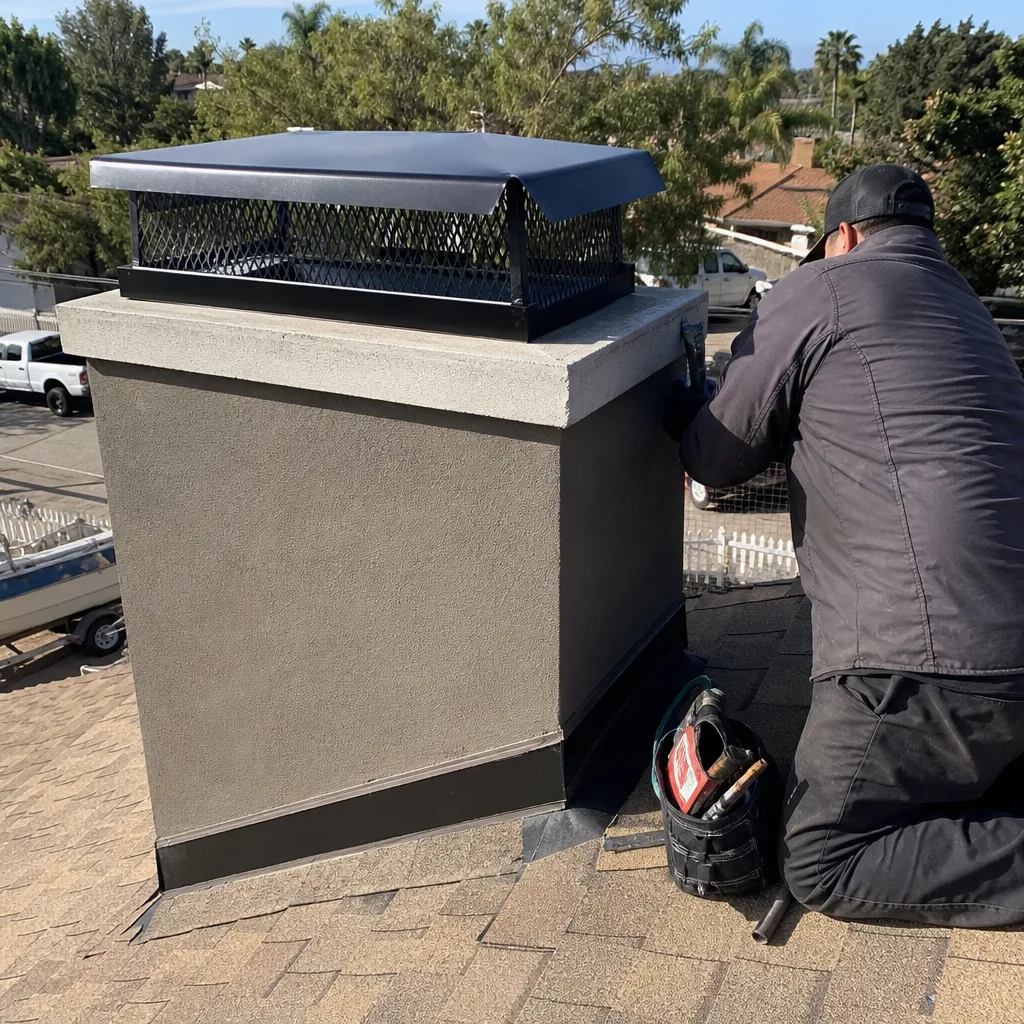 After
HeatShield Products We Service & Install in Camp Pendleton South
We work with the full HeatShield resurfacing line: Cerfractory Flue Sealant for standard masonry firebox walls, Firex ceramic refractory mortar for firebox floor and wall rebuilds, Trowel-Grade resurfacing compound for larger repairs, and the injectable flue sealant for parged or clay-tile linings. We typically stock Cerfractory and Firex locally for faster turnaround on Camp Pendleton South jobs, with trowel-grade and injectable systems ordered as needed for specific flue conditions. No two fireboxes are the same, and the product selection should match the actual damage, not a generic package.
We Also Service These Brands
HeatShield is one tool in a broader kit. We’re not a single-brand operation. We also install DuraFlex flexible liner systems for structural relining and source chimney caps and exterior components from Gelco. If your chimney needs a full reline rather than a resurfacing, we’ll tell you that and handle it in-house. No second contractor. No punch list handed off to someone else.
FAQs – HeatShield Chimney Cleaning Service in Camp Pendleton South
No, we’re an independent HeatShield service provider. We’re not affiliated with or authorized by the manufacturer, and we don’t pretend otherwise. What that means for you is that our recommendation to use HeatShield or to skip it comes from our inspection of your firebox, not from a dealership agreement or a quota.
Genuine HeatShield materials only. Cerfractory and Firex are formulated to cure to a specific hardness and withstand firebox heat cycling. The aftermarket refractory mixes we’ve seen don’t match that performance, and a resurfacing that fails in two seasons isn’t a bargain. We’d rather charge for the right material once than redo a job with the wrong one.
Yes, when the cracking is confined to the refractory surface and the masonry behind it is still stable. HeatShield Cerfractory is designed to seal cracked firebox walls and gaps along mortar joints without a full teardown. If the structural shell behind the surface is compromised, resurfacing alone won’t hold, and we’ll tell you that before any material is ordered.
With proper prep and a sound substrate, a HeatShield resurfacing can last 15 to 20 years or more under normal wood-burning use. The variables that shorten that lifespan are exactly the things we correct before application on every job, from Camp Pendleton South to Crest HeatShield service: glazed creosote left in place, uncured substrate, thin application, and a firebox floor that was never rebuilt. Get those right and the coating performs as designed.
Both. HeatShield makes an injectable flue sealant system for parged or clay-tile flue linings, and the Cerfractory line handles the firebox. The flue-side system is more limited in application because it relies on the existing liner being intact enough to hold the sealant. When a flue liner is too deteriorated for resurfacing, a DuraFlex reline is the structural fix we recommend instead.
Yes, when it’s applied correctly. HeatShield Firex and Cerfractory are rated for the temperatures a wood-burning fireplace produces. The failures we see in Camp Pendleton South trace back to installation shortcuts, not to the product itself. If the firebox is properly prepped and the material is applied at the right thickness, regular burning is exactly what it’s built for.
Yes, and this is non-negotiable for us. HeatShield won’t bond to a surface carrying glazed creosote or soot. We sweep the flue and firebox back to bare masonry before any resurfacing material is applied. Skipping that step is the single most common reason HeatShield jobs fail.
HeatShield resurfacing in Camp Pendleton South typically runs higher than a standard sweep because it includes the inspection, the full creosote removal, and the refractory materials. A firebox floor rebuild with Firex or a full firebox resurfacing will land differently depending on the size of the firebox and the extent of the damage. We don’t quote blind. Call (844) 510-0293 for a free estimate after we’ve actually looked at the chimney.
Book Your HeatShield Service in Camp Pendleton South, CA
If your firebox is cracked, flaking, or gapped and you want a straight read on whether HeatShield resurfacing is the right fix, call Acorn Chimney Sweep at (844) 510-0293. We’ll inspect it, tell you what we found, and only recommend work the chimney actually needs. Camp Pendleton South homeowners get honest answers, genuine HeatShield materials, and a firebox that works the way it should. A clean flue isn’t a luxury. It’s just the part of your fireplace that actually has to work.
Written by Noel Cardenas, Owner at Acorn Chimney Sweep, serving Camp Pendleton South and the surrounding coastal North County area.