
Last updated October 30, 2026
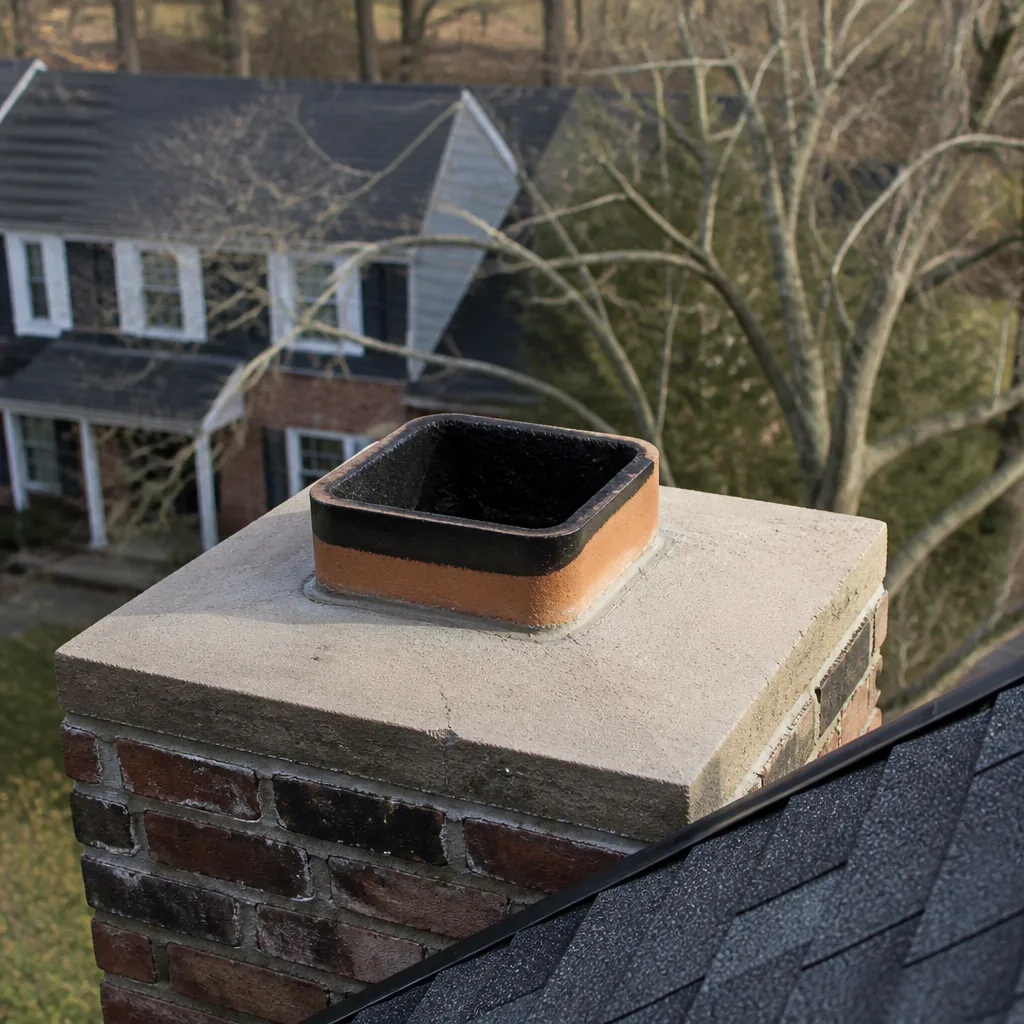 Sweep & inspection
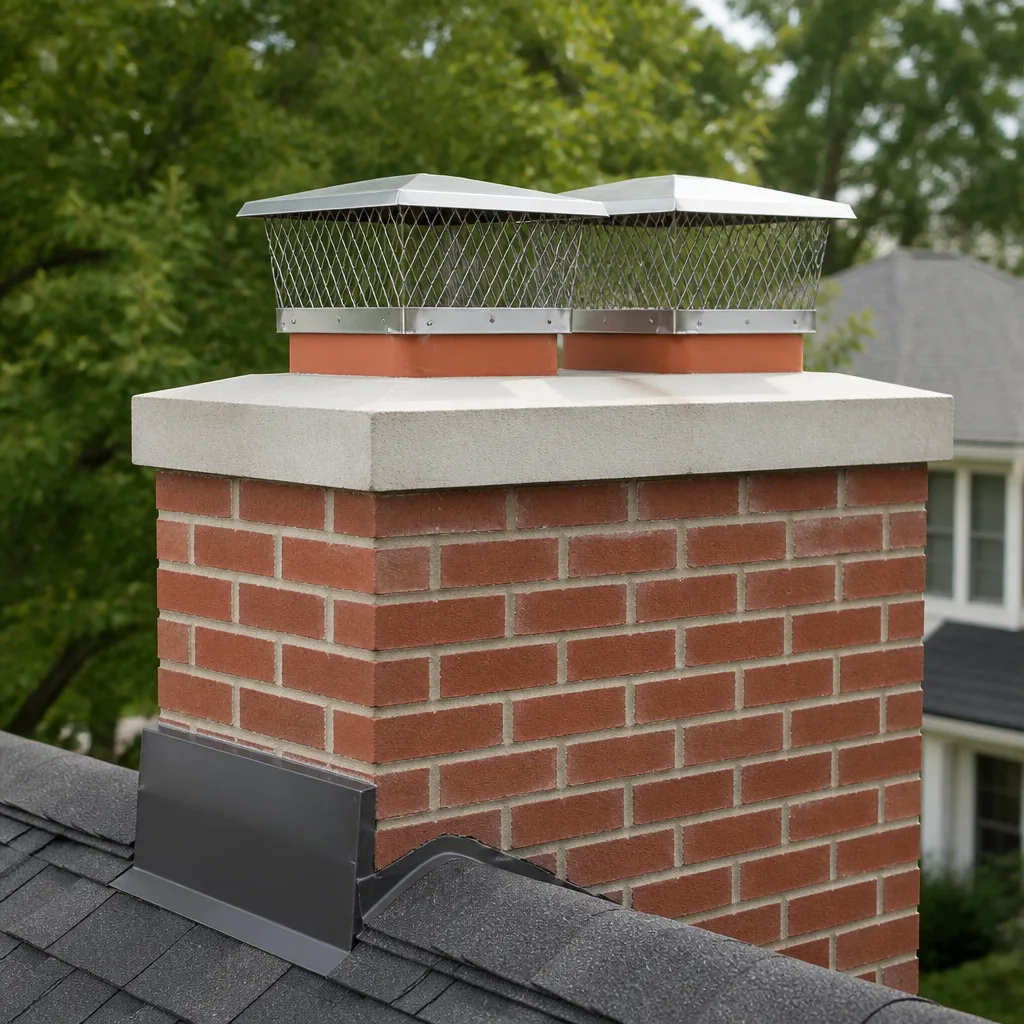 Caps & crowns
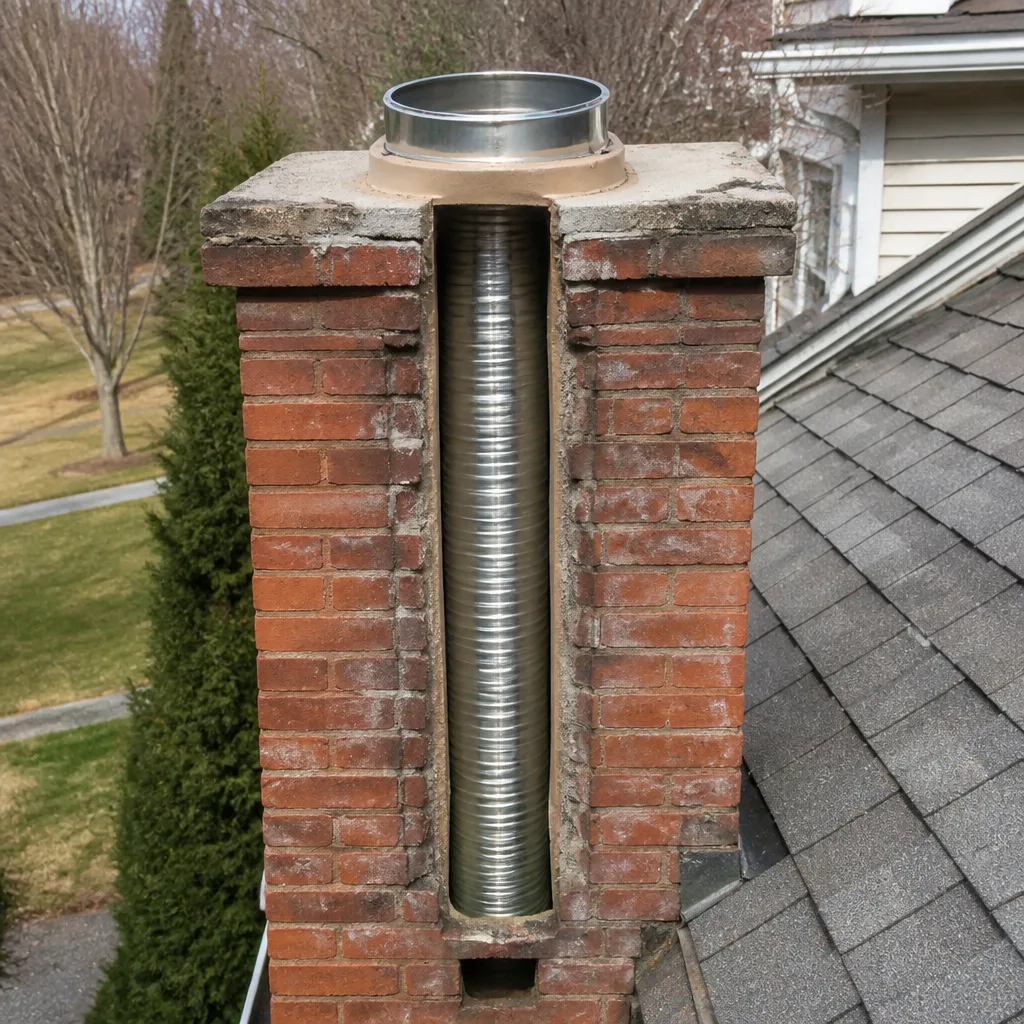 Flue relining
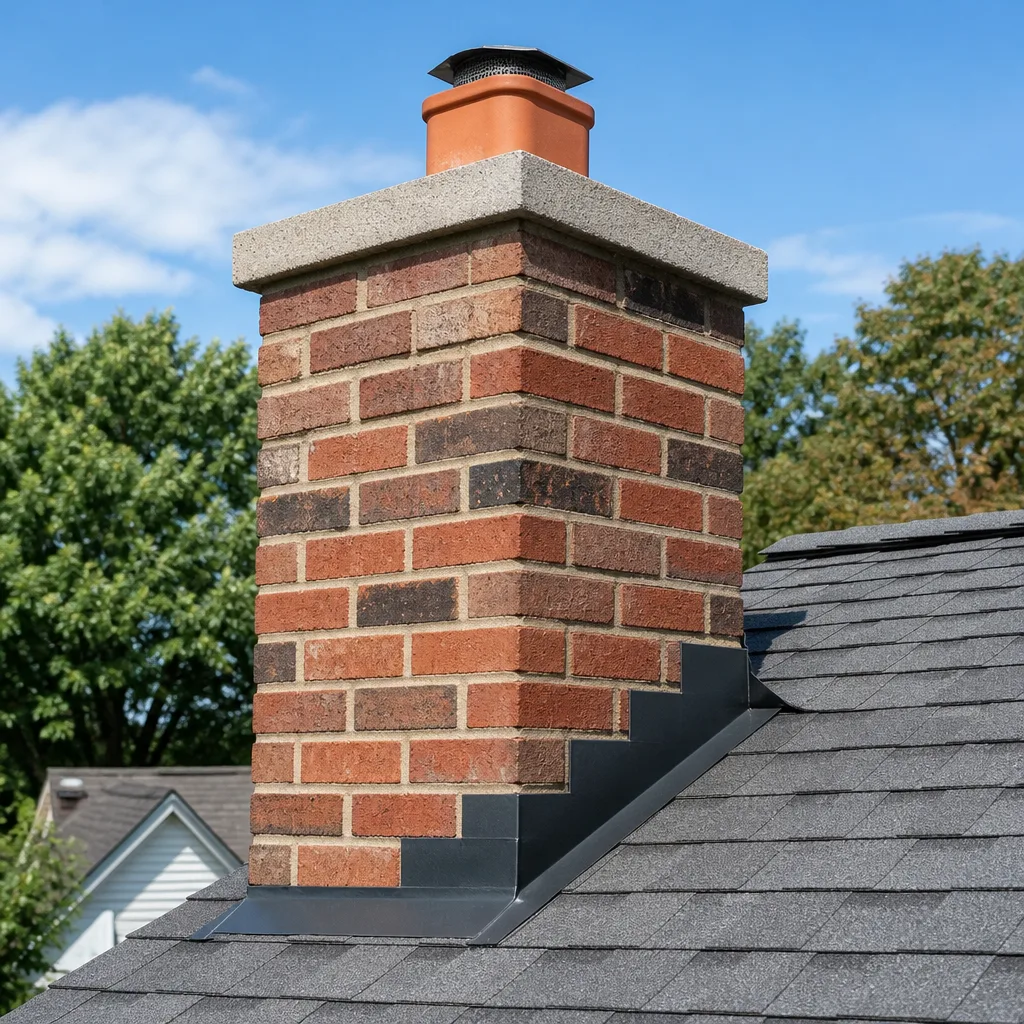 Masonry repair
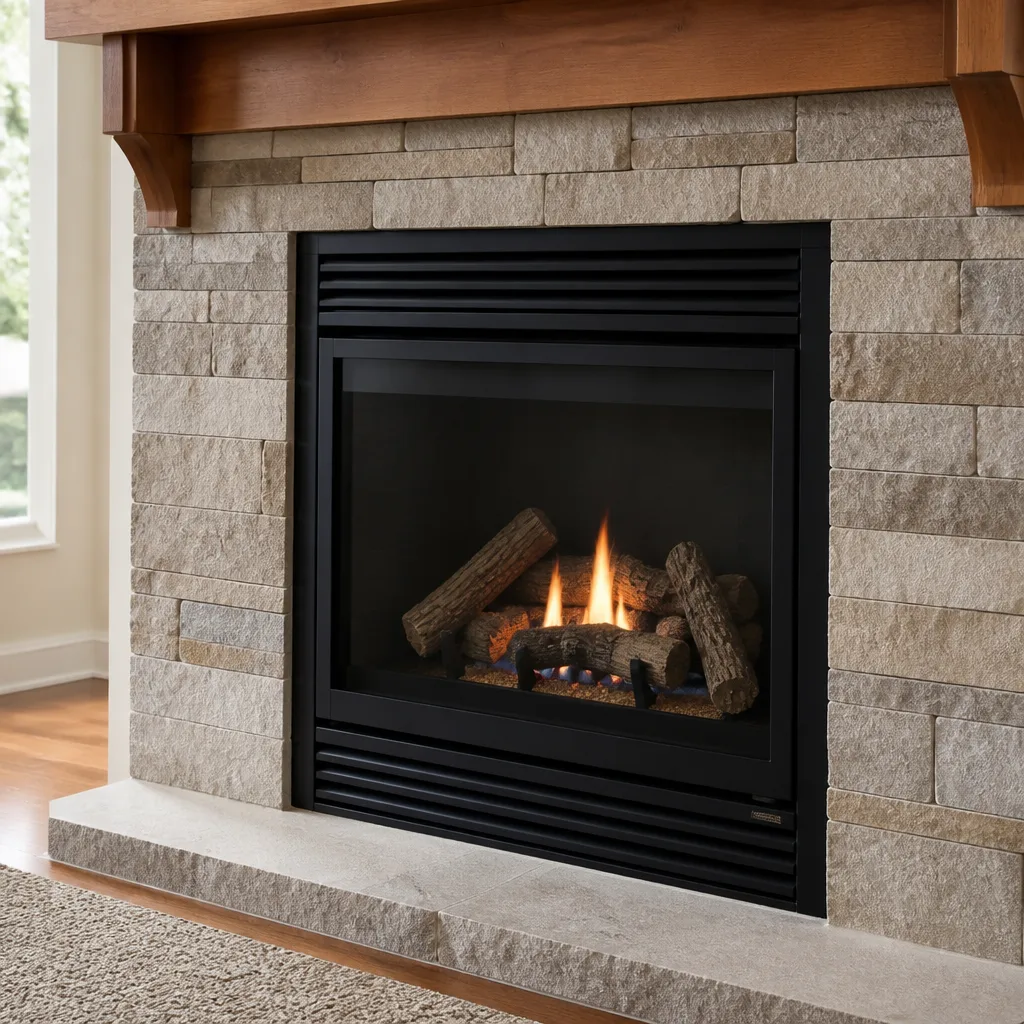 Gas fireplace service
Level 1 sweep and inspection to the NFPA 211 annual standard - flue, crown, cap, and flashing checked and photographed
Chimney sweep logs do not sweep chimneys. They loosen some creosote - which then falls where a brush and vacuum still have to collect it.
Chimney Sweep Troubleshooting: Common Problems and How to Fix Them
Here’s a number most El Cajon homeowners never hear: chimney professionals estimate that over 60% of service calls for “smoky fireplaces” turn out to have nothing to do with a dirty flue. The blockage is real, but it’s rarely where the homeowner thinks it is. What you’re usually fighting is air pressure: your house pulling air down the chimney instead of letting it rise up. Our Complete Chimney Sweep Guide for El Cajon Homeowners walks through the diagnostic process we use on every service call in El Cajon and the surrounding area, so you can understand what’s actually wrong before you spend money on a fix that was never going to work. We’ll cover smoke spillage, strange odors, drafting problems, and the repair decisions that follow.
Styles & brands we work with
Quick Answer
Most chimney problems fall into four categories: draft failure (air pressure moving the wrong way), blockages (creosote, debris, or animal nests), component failure (dampers, caps, liners), and odor intrusion (creosote, animal matter, or moisture). Each has a distinct set of symptoms and a methodical way to diagnose it. The fix might be as simple as opening a window, or it might require a liner resurfacing system like HeatShield to restore safe venting.
Table of Contents
- Draft Failure: The Real Reason Your Fireplace Smokes
- The Draft Pressure Test: A 60-Second Diagnostic
- Smoke Spillage: Damper Problems, Flue Blockages, or Sizing Mismatch
- Strange Smells: Creosote vs. Animal Intrusion vs. Masonry Moisture
- Prefab Metal Fireplaces vs. Masonry Systems: Different Failures, Different Symptoms
- The Repair Hierarchy: Same-Day Fixes vs. Return Trips
- Dryer Vent Warning Signs: The Overlooked Chimney System
- Common Mistakes to Avoid
- When to Call a Professional
- Frequently Asked Questions
- The Bottom Line
Draft Failure: The Real Reason Your Fireplace Smokes
Draft is simply the movement of air up and out of your chimney. Hot air rises, and a properly functioning chimney creates a column of rising air that pulls smoke with it. When that column collapses or reverses, smoke has nowhere to go but back into your living room. In our experience working on homes across El Cajon, draft failure is the single most common reason people call us about a smoky fireplace.
Homes built in the last 30 years are especially prone to draft problems for a reason most people never consider: they’re sealed too tightly. Modern windows, weatherstripping, and insulation do an excellent job keeping conditioned air inside, but they also starve the fireplace of the air it needs to burn. When you light a fire, the flames consume oxygen from the room. If no replacement air can get in, the house develops negative pressure relative to outside. The chimney, which is essentially an open pipe to the outdoors, becomes the path of least resistance for air to rush in. Down comes outside air, and with it, your smoke.
Here’s what makes diagnosing draft failure tricky: it often looks exactly like a blockage. The smoke comes back into the room, so the obvious assumption is that something is clogging the flue. But a blocked flue and a reversed draft are two different problems with two different fixes. A chimney sweep will clear a blockage, but if the real issue is negative pressure, you’ll have a clean chimney that still smokes.
Other common draft killers we see in El Cajon homes include oversized fireplaces on first floors, chimneys that terminate below the roof peak, and multiple appliances competing for the same air supply. A bathroom fan running during a fire can pull enough air to collapse the draft even when everything else is working correctly.
- Draft failure is the most common cause of smoky fireplaces, not a dirty flue.
- Modern sealed homes are the leading contributor to negative pressure problems.
- A clean chimney can still smoke if the draft is reversed or too weak.
- Fans, HVAC systems, and competing appliances all affect draft performance.
The Draft Pressure Test: A 60-Second Diagnostic
Before you call for a sweep or start pricing chimney work, run this simple test. It uses a lit match or a lighter to tell you whether your draft is working at all. This is the same basic check we perform at the start of many El Cajon service calls, and it takes less than a minute.
How to Test Your Draft
- Open the damper completely and wait five minutes so the flue can reach room temperature. A cold flue holds a plug of dense air that resists movement.
- Light a match or a lighter and hold it near the firebox opening, right around where the fireplace meets the room.
- Watch the flame. If it leans toward the opening and up into the chimney, your draft is working in the right direction at least partially.
- If the flame stands straight up or leans away from the fireplace into the room, you have no draft or a reversed draft.
This test is not perfect. A weak flame response might mean a partially blocked flue rather than a pressure problem. But it’s an excellent first step because it tells you which category of issue you’re dealing with before you spend money on a service call. If the flame behaves correctly but the fireplace still smokes when you light a real fire, that points toward a component problem like a failed damper or a sizing issue. If the flame leans away from the fireplace, you have a draft problem that a standard sweeping visit may not resolve on its own.
One more diagnostic worth doing: open a window in the same room and run the match test again. If the draft improves with the window open, you’ve confirmed the house is the problem, not the chimney. The source of the smoke spillage is negative pressure inside the home. The fix might be as simple as cracking a window when you burn, or it might mean installing a dedicated outside air kit for your fireplace. Either way, you’ve just saved yourself the cost of a sweep that would have changed nothing.
This is the diagnostic approach we bring to every chimney sweep in El Cajon: find the root cause before reaching for the brushes. Otherwise you’re treating symptoms, not problems.
Smoke Spillage: Damper Problems, Flue Blockages, or Sizing Mismatch
If your draft test shows air moving the right direction but you still get smoke in the room, the problem falls into one of three categories. Here’s how to tell them apart.
The Failed Damper
A damper is a mechanical door at the top of the firebox that opens to let smoke pass and closes to keep the chimney sealed when you’re not using it. Dampers fail in predictable ways. The handle mechanism breaks, the damper plate warps from heat exposure, or the linkage that connects the handle to the plate comes loose. The result is a damper that won’t open fully, won’t open at all, or opens but won’t stay open.
The telltale sign of a damper problem is smoke that starts entering the room almost immediately when you light a fire, even with the draft test showing good flow. With a fully open damper and a working draft, smoke gets pulled up. When the damper is stuck partially closed, it acts like a restrictor plate, strangling the flue path. The smoke rises, hits the obstruction, and spreads back into the room.
Dampers are also a common source of cold air intrusion in winter and warm air loss in summer. If you can feel a draft coming from the fireplace even when no fire is burning, a damper that’s not seating properly is a likely culprit. In El Cajon, where summer heat beats down for months, a leaking damper means your air conditioning is literally going up the chimney.
The Blocked Flue
A true blockage is usually easy to identify. The classic symptoms are smoke that spills heavily from the start, a strong burning smell even before the fire gets going, and poor performance that gets worse over time rather than fluctuating. Blockages come from creosote buildup, leaves and debris, or animal intrusion.
In El Cajon, we regularly pull raccoon and squirrel nests from chimneys during fall service calls. These animals seek out chimneys as den sites, and their nesting material can completely seal a flue or reduce it to a sliver. A blocked flue is not a DIY project. It requires professional removal, and it’s often accompanied by other problems like damaged caps that let the animals in to begin with.
The Sizing Mismatch
The third possibility is that your chimney and fireplace were never properly matched. Fireplace openings need to be a specific size relative to the flue that serves them. An opening that’s too large for the flue produces weak draft and chronic smoke spillage even when everything is clean and functional. An opening that’s too small wastes heat and can cause the fire to burn inefficiently.
We see sizing problems most often in older El Cajon homes where a fireplace was added or modified. A homeowner replaces an old insert with a larger one, or adds glass doors that change the air flow dynamics, or builds a custom surround that alters the opening dimensions. The chimney itself might be in perfect condition, but the system no longer works as designed.
Fixing a sizing mismatch is more involved than opening a damper. It may require a larger flue liner, a different firebox configuration, or a smoke guard to reduce the effective opening size. This is where a professional chimney repair assessment becomes essential. Guessing wrong means spending money and still having a fireplace that smokes.
Strange Smells: Creosote vs. Animal Intrusion vs. Masonry Moisture
Odor problems are the second most common chimney complaint we get in El Cajon, right behind smoke spillage. The smell is usually the first thing homeowners notice, and identifying which smell you’re dealing with tells you almost everything you need to know about the fix.
The Creosote Smell
Creosote odor is sharp and acrid, somewhere between burnt tar and asphalt. It’s strongest on humid days and during summer heat when the chimney warms up and releases the volatile compounds trapped in the creosote layer. If the smell gets worse after rain or during high humidity, that’s a creosote signature.
The fix is straightforward: regular sweeping. Creosote builds up every time you burn wood, and the rate depends on what you burn and how. Soft woods like pine produce more creosote than hardwoods like oak. Wet or unseasoned wood produces dramatically more. Burn properly seasoned hardwood, keep your fires hot enough to establish good draft, and get the flue swept at least annually if you burn regularly. We’re glad to handle that as part of our standard chimney sweep service.
The Animal Smell
Animal intrusion has a completely different odor profile. It smells organic: musty, decaying, or like a dirty cage. The smell comes from the animal itself if it has died in the chimney, from its droppings, or from nesting material left behind. You might also notice flies in the house, scratching sounds from the flue, or feathers and twigs falling into the firebox.
This is a removal and prevention problem. The animal or the nest has to come out, and then the entry point has to be sealed. In most cases, the entry point is a missing or damaged chimney cap. A proper cap with the right mesh size keeps animals out while still allowing smoke to pass. Professional-grade components from brands like Gelco and Famco are built for this exact purpose, and they last years longer than the caps you’ll find at a home center. See our guide on Choosing the Right Chimney Cleaning Brand: A Buyer’s Guide for El Cajon for details.
The Masonry Moisture Smell
The third distinct chimney odor is damp, earthy, and basement-like. It’s the smell of water getting into porous masonry or rusting a metal flue. In El Cajon, our rainy season is short, but it’s enough to expose a chimney that isn’t properly protected. A moisture smell often accompanies visible spalling (flaking bricks), water stains on the ceiling near the chimney, or rust streaks running down the firebox.
The fix depends on where the water is entering. It could be a cracked crown, missing mortar joints, damaged flashing where the chimney meets the roof, or a failed cap. Some of these are same-day repairs. Others require mortar work and a return trip once materials are on hand. The important thing is to act before the damage spreads. Water intrusion doesn’t stop on its own, and the repair bill grows every season you ignore it.
Prefab Metal Fireplaces vs. Masonry Systems: Different Failures, Different Symptoms
Most El Cajon homes fall into one of two categories: traditional masonry chimneys built from brick and mortar, or prefab metal fireplaces with factory-built flues. These two systems fail in completely different ways, and treating one like the other is a fast path to a misdiagnosis.
Masonry Systems
Masonry chimneys fail from water and age. The mortar joints weaken, the bricks spall from freeze-thaw cycles, and the clay tile liners crack from heat stress. A cracked liner is a fire safety issue because it can allow heat to reach the combustible framing around the chimney. It’s also a carbon monoxide concern because flue gases can seep into the house through the cracks.
The visible symptoms of a failing masonry chimney in El Cajon are flaking brick on the exterior, efflorescence (white mineral deposits) on the face of the chimney, and cracked or missing mortar. Inside the house, you may notice damp spots on the ceiling or walls adjacent to the chimney, or a persistent musty smell that gets worse when it rains.
Prefab Systems
Prefab metal fireplaces are factory-engineered systems with specific clearance requirements and venting paths. They don’t fail from water in the same way masonry chimneys do, but they have their own vulnerabilities. The metal flue pipes can rust through, the joints between sections can separate, and the termination cap can fail. Most critically, prefab systems have strict clearance-to-combustibles requirements that can be violated when nearby construction or remodeling occurs.
The visible symptoms of a prefab failure include rust on the firebox, a wobbly or corroded chimney pipe visible from the outside, and sections that appear to be pulling apart. Inside, the symptoms are often subtle: a fireplace that was working fine and gradually stopped drafting well, or a faint smoke smell even when the fireplace hasn’t been used for days.
One important note about prefab systems: you can’t simply replace a failed prefab flue with any pipe that fits. These systems are tested as complete assemblies. The replacement components have to be compatible with the original manufacturer’s specifications. This is where working with a company that stocks professional-grade components matters. We carry product lines that certified chimney professionals specify, not the generic sections you might find at a big-box store.
The Repair Hierarchy: Same-Day Fixes vs. Return Trips
One question we get constantly from El Cajon homeowners is what can be fixed during a standard sweep visit and what can’t. Having realistic expectations saves you time and prevents the frustration of scheduling a service only to learn the real fix requires a second appointment.
Same-Day Repairs During a Sweep Visit
- Chimney cap replacement: If we have the right cap on the truck, it goes on the same day. The most common sizes fit most standard flues.
- Damper adjustments and minor repairs: A damper that’s sticking but mechanically sound can often be adjusted, lubricated, or re-seated during the visit.
- Firebox panel replacement: If the panels are available and the fireplace is a common model, replacement can happen same-day.
- Minor masonry sealing: Small cracks in the crown or exterior can be sealed with appropriate products during the visit.
- Animal nest removal: If the occupants are gone and the nest is accessible, removal happens during the sweep.
What Requires a Return Trip
- Full liner replacement: Installing a DuraFlex flexible liner system requires specific materials, measurements, and installation time. It’s a scheduled job, not an add-on.
- HeatShield resurfacing: This liner restoration system requires curing time and specific weather conditions. It’s always a dedicated appointment.
- Major masonry work: Rebuilding a firebox, repointing an entire chimney, or replacing a crown means mortar work and multiple visits.
- Custom cap fabrication: Odd-sized flues need caps ordered to spec, which takes days or weeks, not hours.
- Structural repairs: Anything involving the chimney’s structural integrity requires assessment, planning, and often permits.
What makes Acorn Chimney Sweep different from a sweep-only company is pretty simple: when we find a problem during a sweep, we don’t hand you a punch list and wish you luck. We can quote the repair, schedule it, and do it ourselves. One call to schedule a sweep in El Cajon covers the diagnosis and the fix. You’re not coordinating between a sweep and a separate mason, hoping each one understood what the other found.
That said, we’d rather tell you honestly when a repair can wait than rush you into something you don’t need. If the liner has minor cracks that aren’t yet a safety hazard, we’ll tell you. If the cap is rusted but still keeping animals out, we’ll note it for next season. The goal is a chimney that works safely, not a bill that works for us.
Dryer Vent Warning Signs: The Overlooked Chimney System
Most chimney sweeps never mention your dryer vent. We do, because it’s part of the same venting discipline, and lint-clogged dryer vents are one of the leading causes of residential fires in this country. In El Cajon, with our dry climate and high fire season, this matters more than in most places.
Signs Your Dryer Vent Needs Attention
- Clothes take more than one cycle to dry: This is the most reliable early warning. Restricted airflow means moisture can’t escape efficiently.
- The dryer feels unusually hot to the touch: Heat is building up inside the cabinet because the exhaust path is restricted.
- The outdoor vent flap doesn’t open when the dryer runs: Either the vent is blocked or the flap is jammed. Either way, air isn’t moving.
- There’s a burning smell when the dryer runs: Lint near the heating element is scorching. This is an urgent situation.
- The laundry room is humid or the walls sweat: Exhaust is leaking into the house instead of going outside.
Lint clearance matters as much as creosote clearance. A dryer vent clogged with lint is structurally the same problem as a chimney packed with creosote: the exhaust path is blocked, heat builds up, and the system fails in a dangerous way. We include dryer vent cleaning in El Cajon as a core service because leaving it out would be ignoring half the venting systems in your home.
Here’s the part that surprises people: your dryer vent and your chimney can affect each other. A clothes dryer is a powerful exhaust fan. When it’s running, it’s pulling air out of the house. In a sealed home, that creates the same negative pressure problem we described earlier, which can cause your fireplace to backdraft even when the chimney is clean. If you’re chasing a smoke problem that only happens on laundry day, now you know why.
Common Mistakes to Avoid
- Having a sweep done before diagnosing the draft problem. If your match test shows reversed draft, cleaning the flue won’t change that. Diagnose first, sweep second.
- Burning wet or unseasoned wood. In El Cajon’s dry climate, wood seasons well when properly stored, but it still takes six months to a year. Burning green wood doubles your creosote production and guarantees odor problems.
- Ignoring a chimney cap that’s missing or damaged. An uncapped chimney is an open door for animals, rain, and debris. The $200 cap you skip today becomes a $2,000 repair when a raccoon family moves in.
- Closing the damper too soon after a fire. Smoldering embers release carbon monoxide. Wait until the fire is completely out and the ashes are cold, preferably the next morning.
- Assuming a prefab fireplace can be repaired like a masonry one. They’re different systems with different rules. Using the wrong repair approach on a prefab system can create a fire hazard.
- DIY liner “repair” with sealants or patches found online. No off-the-shelf product restores a cracked flue liner. If a liner is compromised, the professional options are resurfacing with HeatShield or replacement with a DuraFlex system. Anything else is a bandage on a fire safety problem.
When to Call a Professional
Some chimney problems are safe to assess on your own with the match test and the odor identification we described above. But certain situations require a trained eye and proper equipment. Call a professional if you notice any of these: smoke entering the room despite a good draft test, a strong creosote smell that returns regularly even after cleaning, signs of animal activity in the flue, visible cracks in the firebox or chimney exterior, water stains near the chimney, or a burning smell from your dryer. These are not DIY situations. They’re indicators that a system designed to contain fire and vent exhaust has lost its integrity. Acorn Chimney Sweep offers free estimates in El Cajon. Call (844) 510-0293 and we’ll come out, run the diagnostics, and tell you exactly what you’re dealing with.
Frequently Asked Questions
The standard recommendation is once per year if you burn wood regularly, even lightly. Homes that burn more than a cord per season should consider a mid-season check. Gas fireplaces need less frequent sweeping but should be inspected annually. The real answer depends on what you burn and how often. If you notice the creosote smell returning between sweeps, schedule an additional visit.
The cost depends entirely on the cause. A simple fix like opening a window or adjusting a damper costs nothing or nearly nothing. Replacing a failed damper typically runs a few hundred dollars. Installing a dedicated outside air kit ranges higher. A full reline job with DuraFlex or HeatShield is a larger investment. That’s why the diagnostic step matters so much. Call for a free estimate before assuming the worst, and explore our more guides & resources to learn what to expect.
In most cases, yes. Draft problems are frequently solved with airflow adjustments, damper repairs, or minor modifications like a smoke guard. A liner replacement is only necessary when the liner itself is cracked, deteriorated, or improperly sized. Don’t let anyone quote you a liner job without showing you evidence of the damage. We use camera inspection and provide photos so you can see exactly what we’re seeing.
It prevents animal intrusion, rain entry, and debris buildup. In El Cajon, where roof space is shared with wildlife and our occasional heavy rains can do concentrated damage, a cap is cheap insurance. The caps we install come from manufacturers like Gelco, Olympia Chimney, Famco, and Copperfield, built to withstand years of sun and weather. A missing cap is the single easiest problem to prevent and one of the most expensive to ignore.
The odor compounds trapped in creosote and soot become more volatile when the chimney heats up. Heat rises, and the warm air in the flue carries the odor down into the house. It’s also how air conditioning gets pulled up the chimney if the damper isn’t sealing. The fix is a thorough cleaning and sealing the chimney properly when not in use.
Someone running a dryer can absolutely affect fireplace performance. The dryer is exhausting hundreds of cubic feet of air per minute out of the house. In a sealed home, that creates negative pressure that can pull smoke back down the chimney. If your fireplace misbehaves on laundry days, the dryer vent is part of the picture. Treating the whole house as a system clears up a lot of these mysteries.
The Bottom Line
Chimney problems rarely fix themselves, and they rarely start where homeowners think they do. The smoke in your living room might be a draft issue, not a dirty flue. The strange smell might be moisture, not creosote. The fix might be a cap replacement, not a liner job. What separates a good diagnostic from guesswork is method: run the pressure test, identify the odor, look at the condition of the components, and only then decide what work the system actually needs. That’s the approach we take on every job in El Cajon, whether it’s a routine sweep, a complex repair, or a dryer vent cleaning that most companies ignore. When the diagnosis is right, the fix is usually simpler than you feared. Call (844) 510-0293 for a free estimate and get answers you can see.
Written by the team at Acorn Chimney Sweep, serving El Cajon since 2015.
See the difference
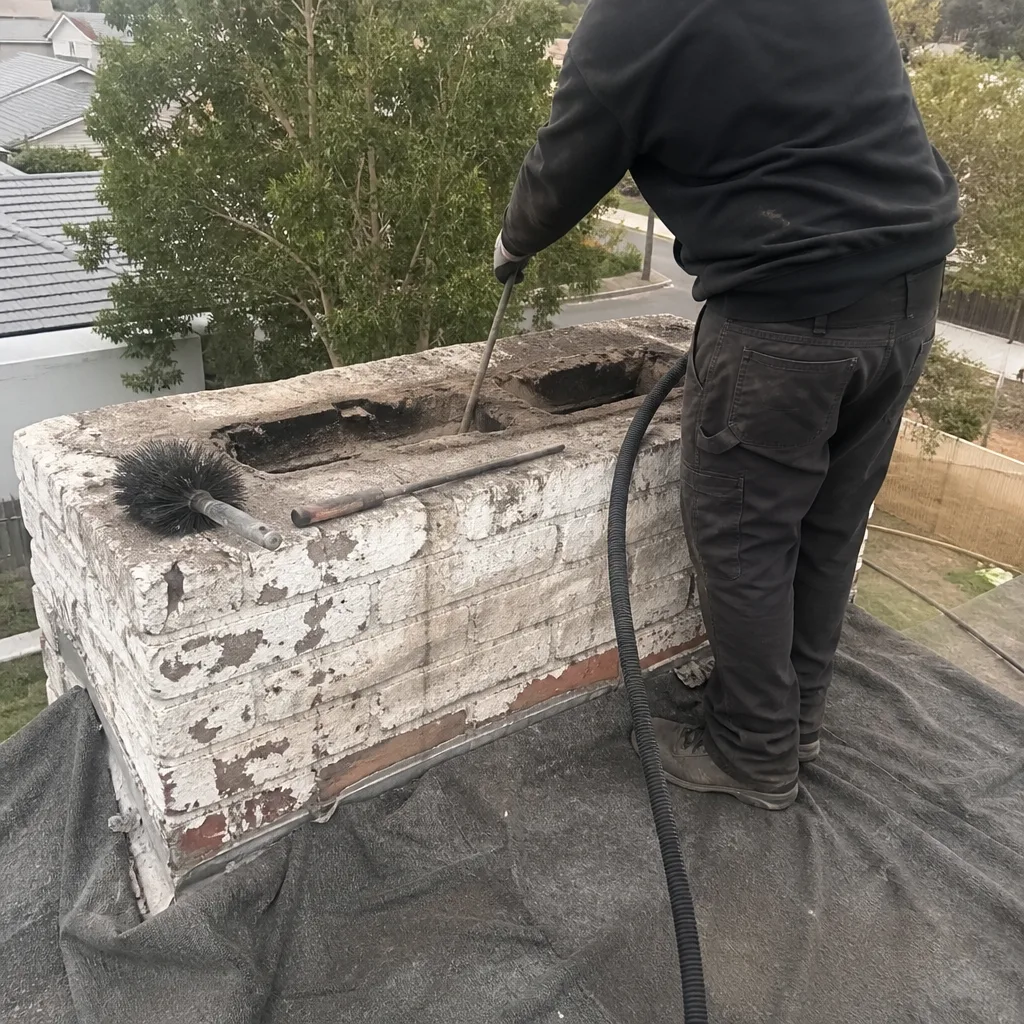 Before
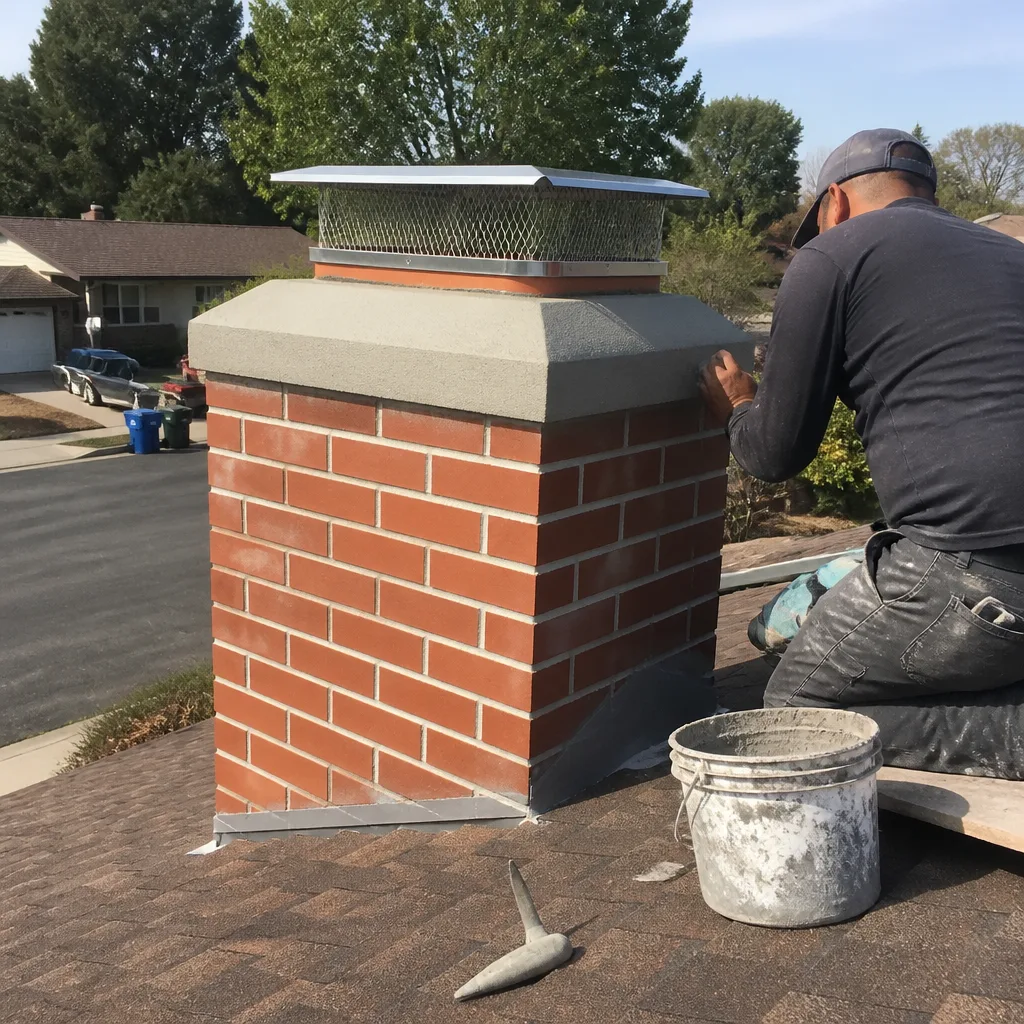 After
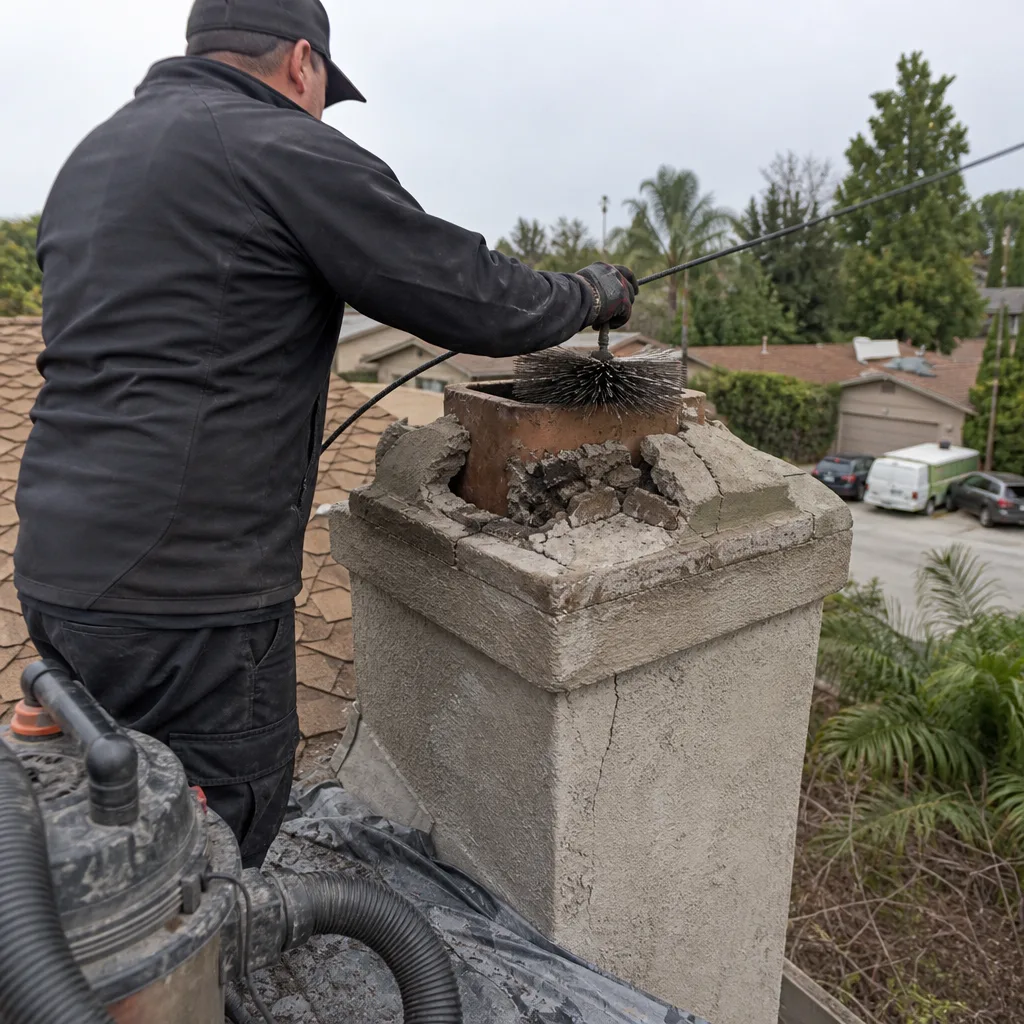 Before
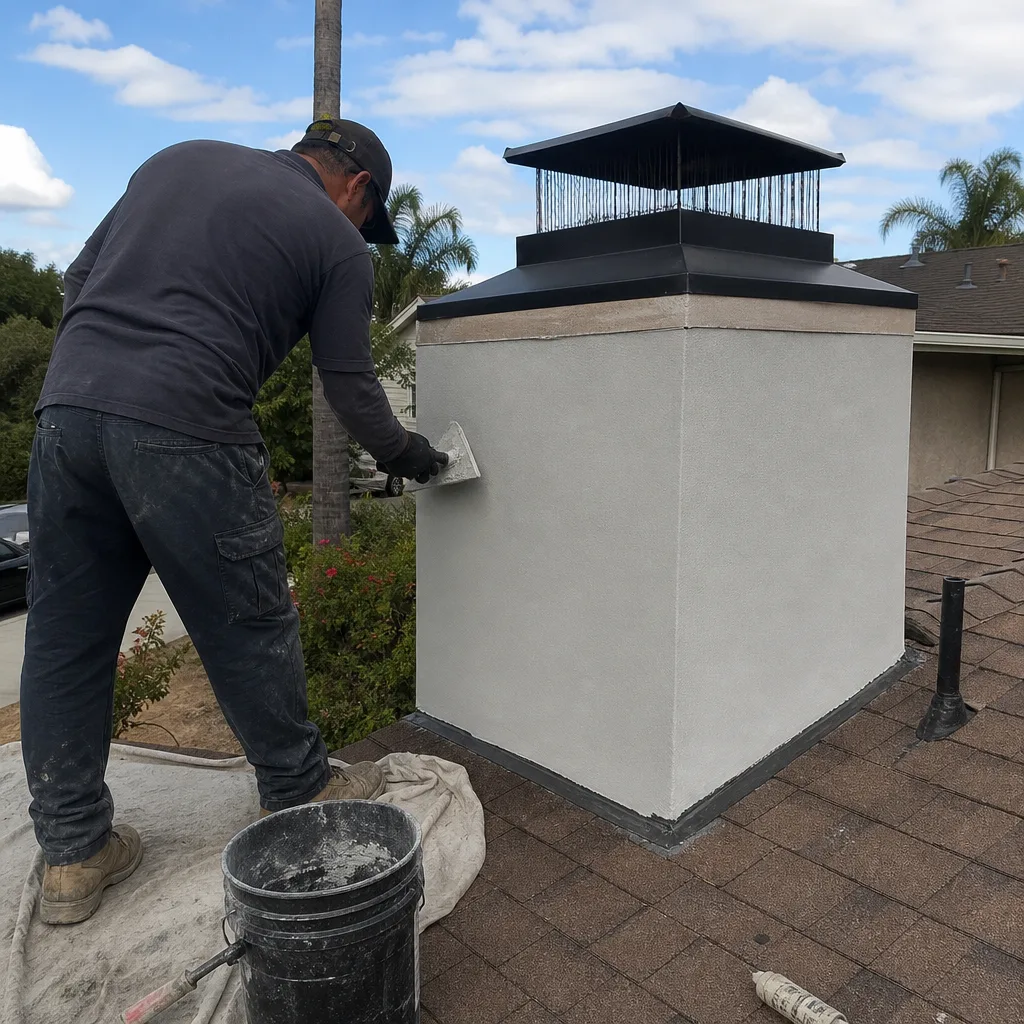 After
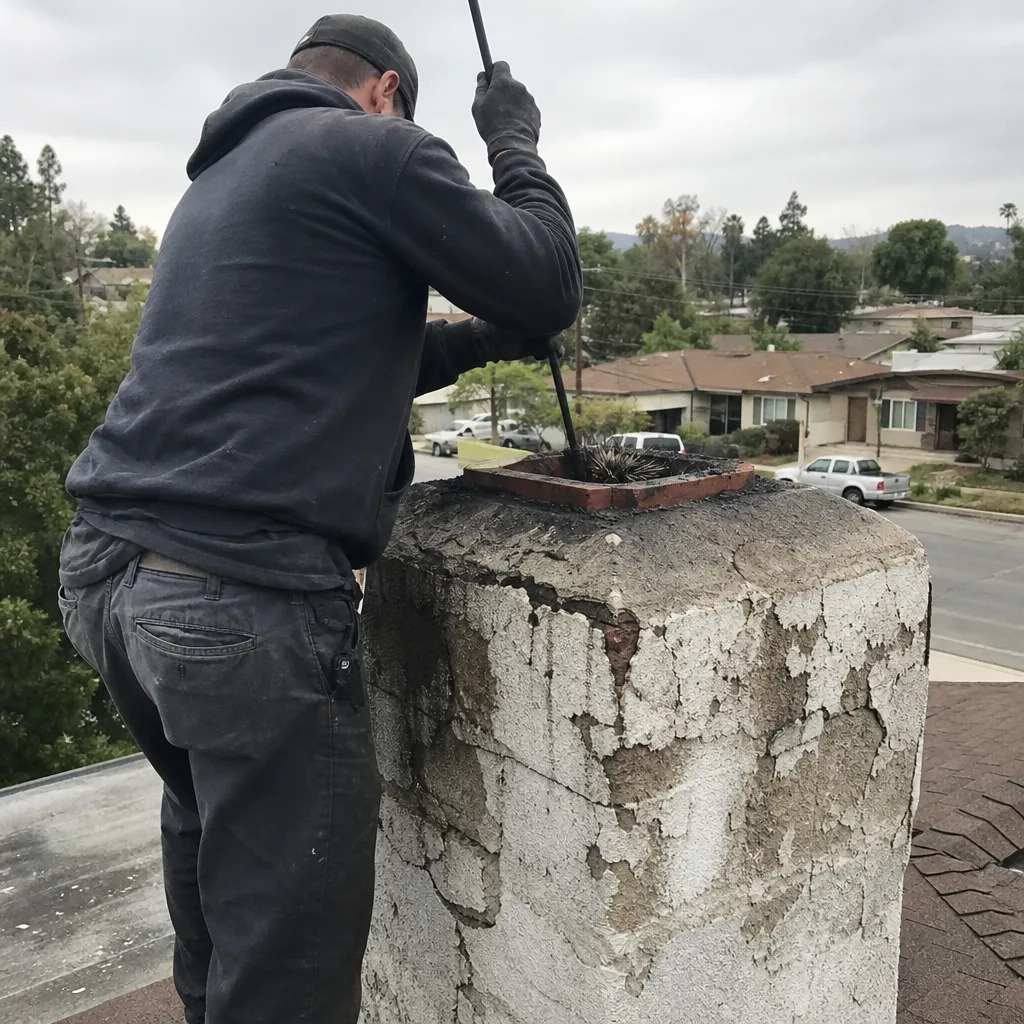 Before
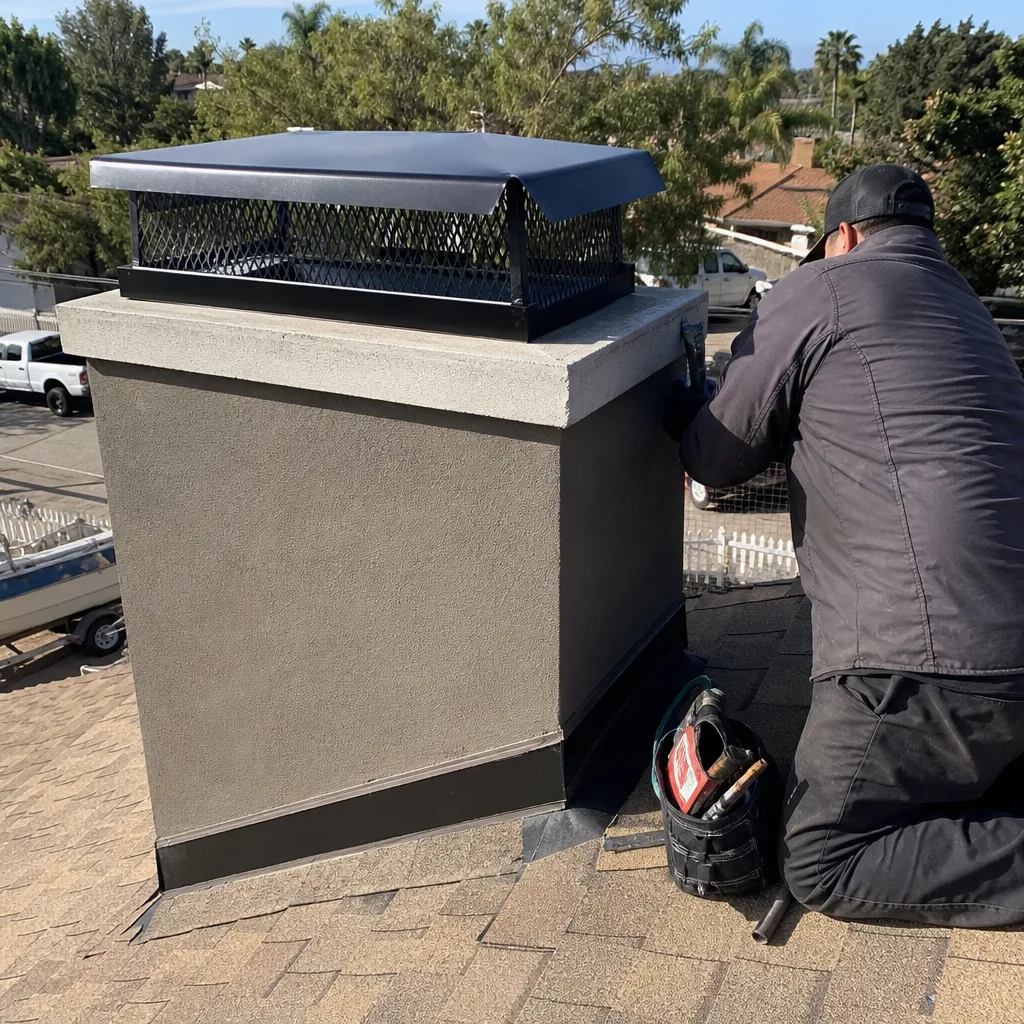 After