
Last updated October 30, 2026
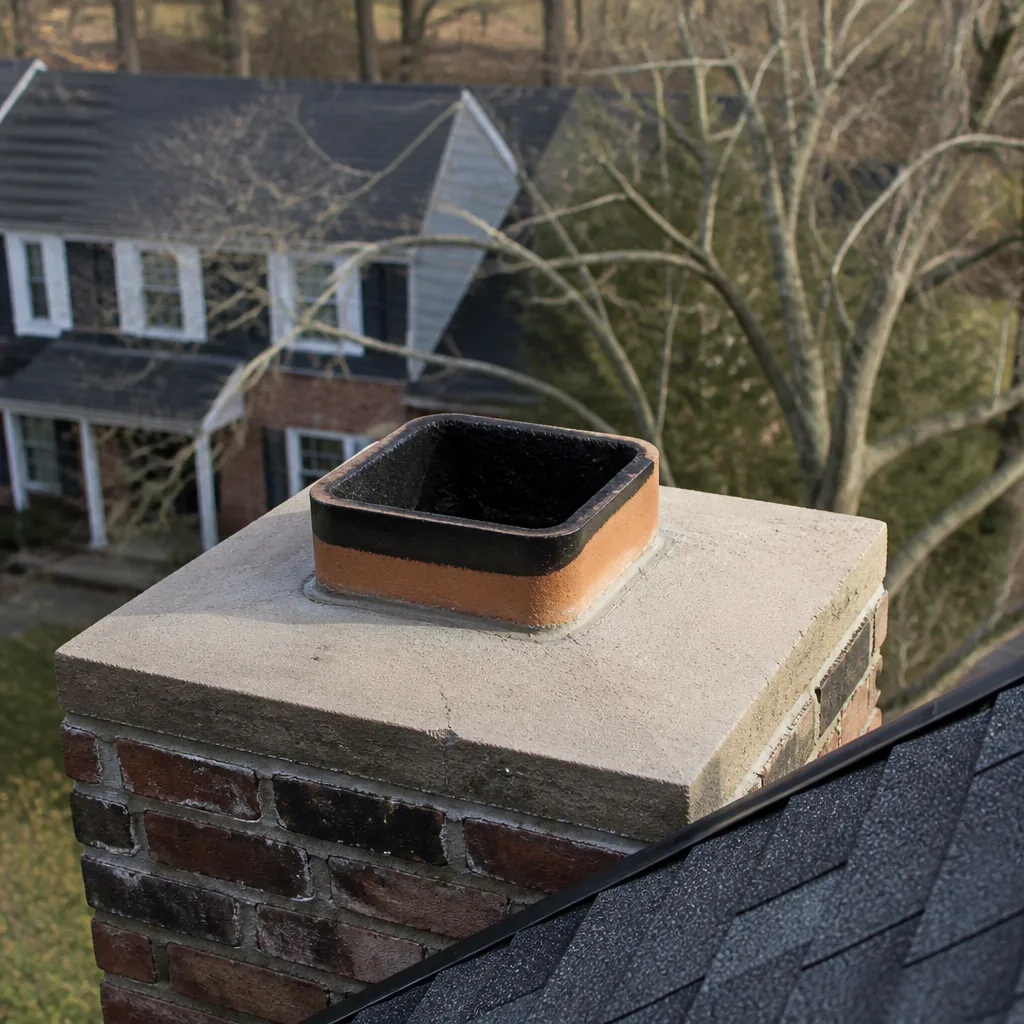 Sweep & inspection
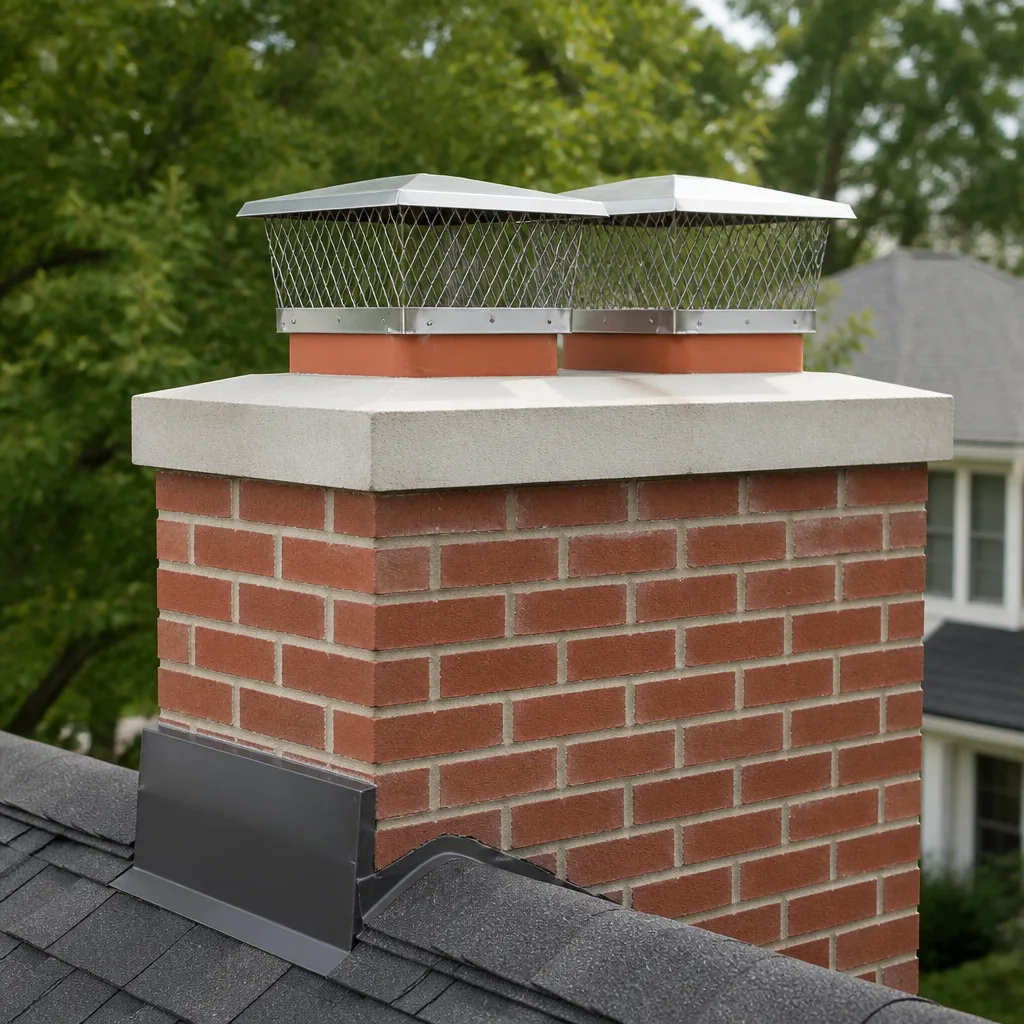 Caps & crowns
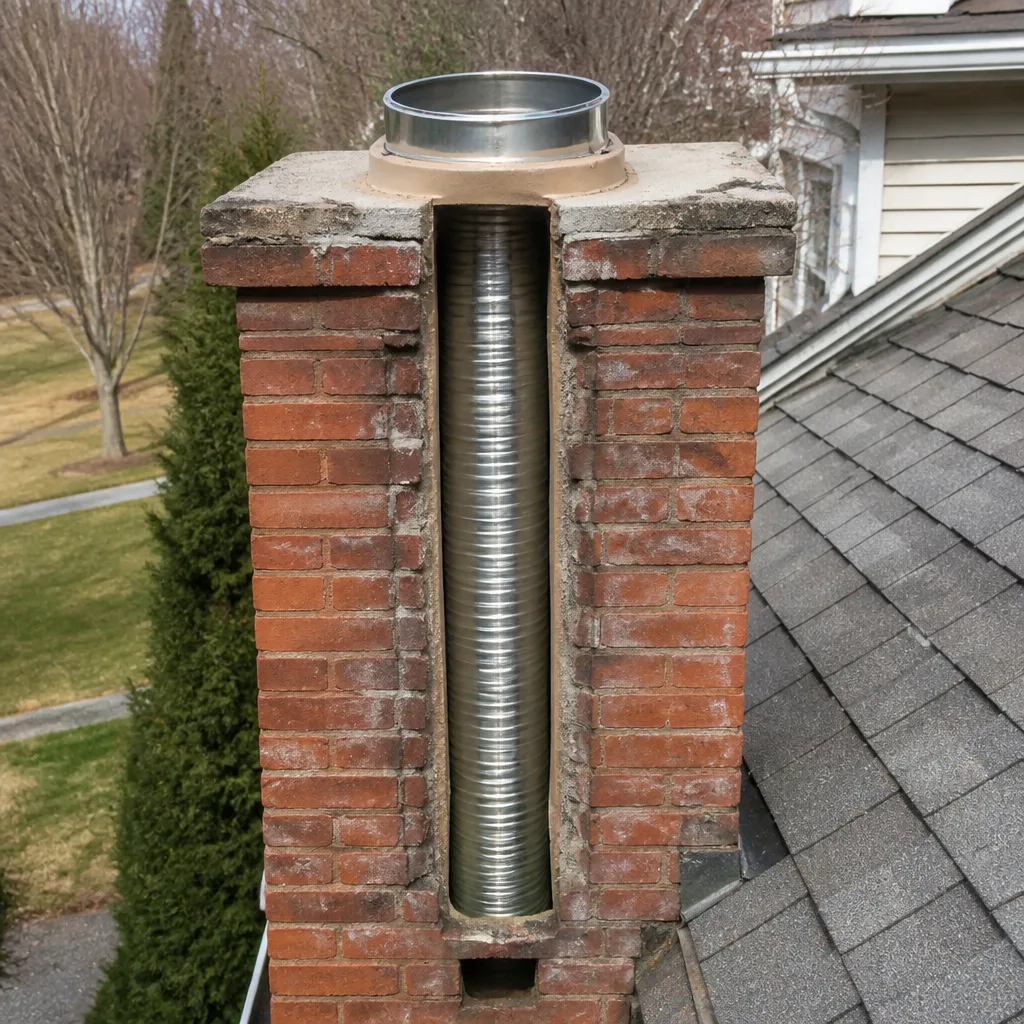 Flue relining
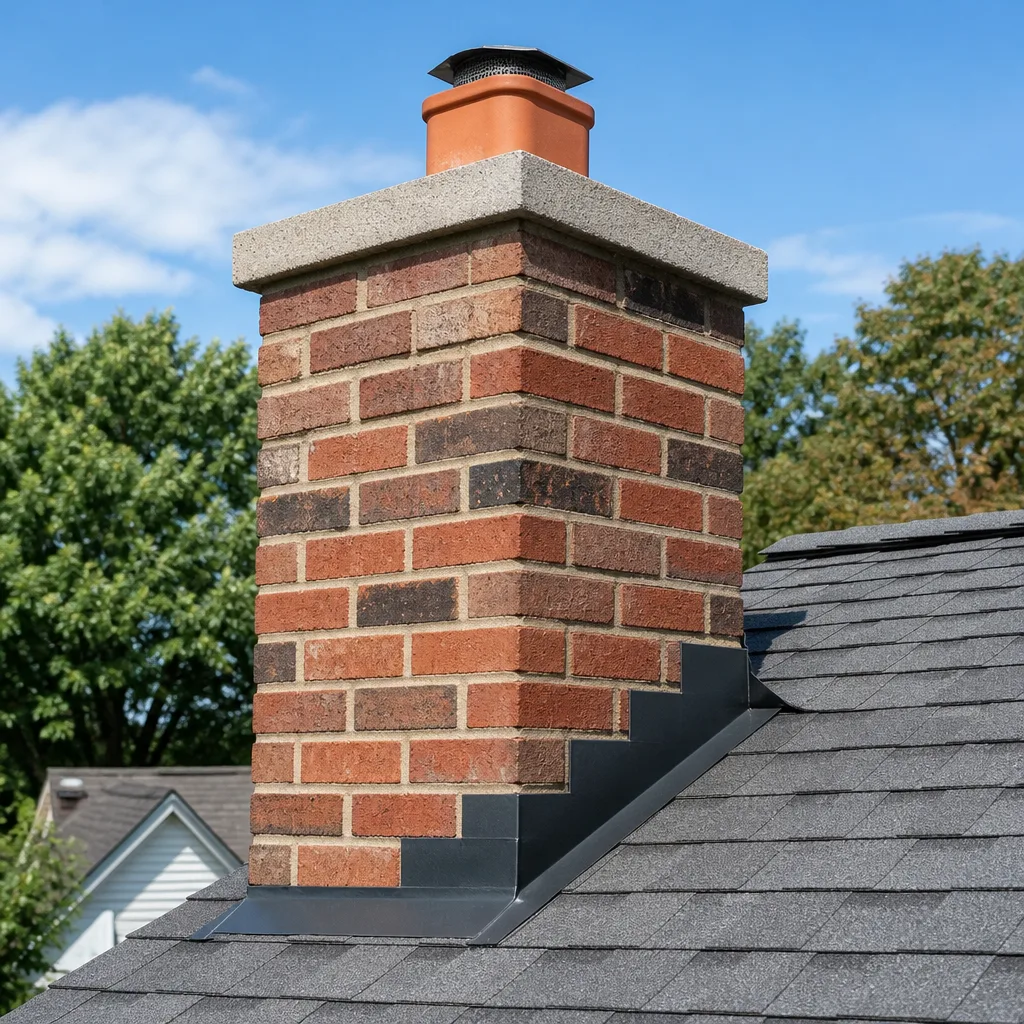 Masonry repair
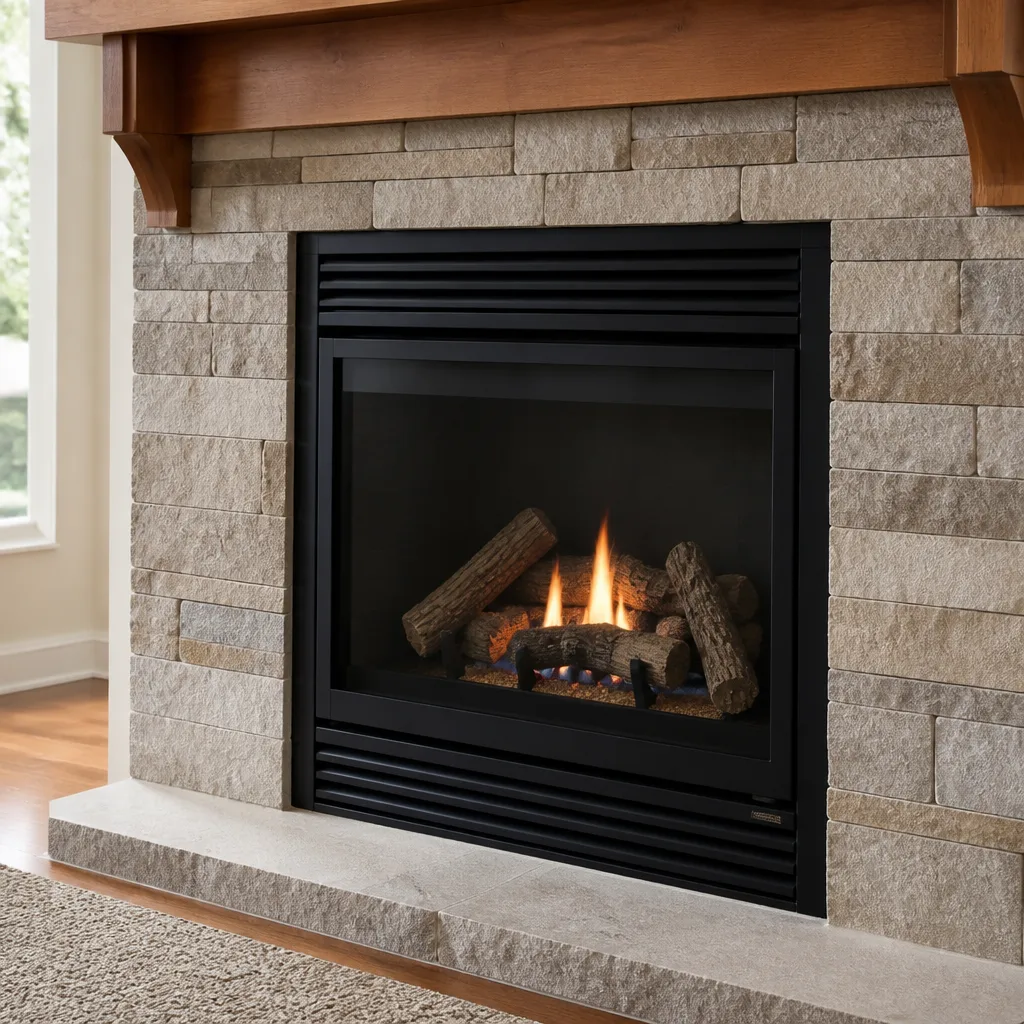 Gas fireplace service
Level 1 sweep and inspection to the NFPA 211 annual standard - flue, crown, cap, and flashing checked and photographed
Chimney sweep logs do not sweep chimneys. They loosen some creosote - which then falls where a brush and vacuum still have to collect it.
DIY vs Professional Chimney Cleaning: The El Cajon Homeowner’s Decision Guide
The $40 chimney brush kit at the hardware store will clean Stage 1 creosote off your flue walls. It will also smear and compact Stage 2 glazed creosote, making a professional’s job harder and potentially sealing hairline liner cracks under a layer of debris you can’t see and didn’t know was there. That’s the uncomfortable truth behind the DIY chimney cleaning question in El Cajon, where fireplaces get used hard from November through February and the difference between a weekend project and a system failure comes down to what you can actually see from the top of a ladder versus what’s happening inside your flue. This guide draws a clear, honest line between what’s reasonable for a homeowner to handle and what isn’t, and you can find more guides & resources on our blog.
Styles & brands we work with
Quick Answer
DIY chimney cleaning is reasonable for removing loose ash from the firebox and doing visual checks of the cap and crown from the ground, but it is not a substitute for professional sweeping when your chimney sees regular wood-burning use. A professional sweep in El Cajon includes camera inspection and creosote stage assessment that a homeowner simply cannot replicate with a brush kit, and skipping that diagnostic step is what turns a $200 maintenance call into a $4,000 liner replacement.
Table of Contents
- What DIY Chimney Cleaning Can Legitimately Do
- What a Professional Chimney Sweep Does That You Can’t
- Understanding Creosote: The Three Stages and Why They Change Everything
- How to Assess Which Category Your Chimney Falls Into
- The Liability and Insurance Dimension Nobody Mentions
- What “I’ll Just Watch a YouTube Video” Misses
- Cost Breakdown: DIY vs Professional in El Cajon
- Common Mistakes to Avoid
- When to Call a Professional
- Frequently Asked Questions
- The Bottom Line
What DIY Chimney Cleaning Can Legitimately Do
Let’s be fair to the DIY approach before we talk about its limits. There are genuine maintenance tasks that an El Cajon homeowner can and should handle between professional sweeps, and our Seasonal Chimney Cleaning Care for El Cajon: Year-Round Homeowner’s Guide covers when to do each one. These tasks keep your system functioning safely and extend the life of the work a professional does.
The firebox is yours. Removing ash after fires, once it has fully cooled, is basic fireplace hygiene. Use a metal ash bucket with a tight-fitting lid and take it outside immediately. Never vacuum ash with a household vacuum unless it has a HEPA filter rated for fine particulates. Ash that sits for weeks absorbs moisture from El Cajon’s coastal air, and moist ash is mildly acidic. It will etch firebrick over time.
You can also do a ground-level visual inspection. This is more useful than most people realize. Stand in your yard and look at the chimney cap. Is it still there? Is it rusted through at the edges? Is there a screen intact, or has it been bent or torn? A missing or damaged cap lets rain into flue, and rain plus creosote equals an acidic slurry that eats mortar joints from the inside. You can check damper operation too. Open and close it fully. Grinding, resistance, or a damper that won’t stay open signals a problem worth a professional look.
What you cannot do from the ground or from the firebox: see more than about 18 inches up the flue. This is the entire problem in one sentence. If your chimney has a 12-foot run above the firebox, you are blind to 90% of the system’s interior. And the interior is where the risk lives.
What a Professional Chimney Sweep Does That You Can’t
A professional chimney sweep in El Cajon arrives with equipment that costs more than a good used car. That’s not a flex. It’s the reason the work is different in kind, not just in degree, from what a homeowner with a brush kit can accomplish.
Rotary cleaning systems use spinning chains or whip heads driven by a drill to mechanically remove Stage 2 and early Stage 3 creosote. A push-pull brush run through by hand removes loose soot. It does not remove glazed creosote, which has a tar-like consistency and bonds to flue walls. In fact, as we noted earlier, hand brushing over glazed creosote can smear it and make subsequent professional removal more difficult.
The single most valuable thing a professional does is camera inspection. A professional-grade chimney camera runs on a flexible rod and records what the flue walls, mortar joints, and liner actually look like. You see exactly where the creosote has accumulated, whether the liner has cracked, whether the smoke chamber is parged properly, and whether the flue has separated joints. This is diagnostic information, not opinion. It’s the difference between “we recommend a sweep because you burn wood” and “here are photos of Stage 2 creosote glazing on the right wall at the 8-foot mark and a hairline crack in the terra cotta liner at the 11-foot mark.”
Chimney professionals in this area also perform smoke chamber inspection. The smoke chamber is the sloped area above the damper that funnels smoke into the flue. It’s notorious for creosote accumulation, corbelled brick that was never parged, and gaps in the shoulders. You can’t see it from the firebox without the right tools, and you can’t clean it with a standard brush kit.
Chemical creosote treatments, like the anti-creosote sprays and powders used during professional sweeps, alter the chemical structure of Stage 2 glazing so it can be removed more effectively. These aren’t homeowner products applied from the top of the chimney. They’re professional-grade treatments applied during the sweep, often in combination with mechanical agitation.
At Acorn Chimney Sweep home, we run camera inspections as part of the sweep, not as an upsell. The photos are yours to keep, and they create a record of your flue’s condition over time. That record matters more than most homeowners realize, especially in El Cajon where fireplace use is seasonal and year-over-year comparisons tell the real story about creosote accumulation rates and liner wear.
Understanding Creosote: The Three Stages and Why They Change Everything
Every DIY-versus-professional decision should start with one question: what stage of creosote is in my flue? Here’s what each stage means and why it determines whether a brush kit is even relevant.
Stage 1: Soot and Loose Creosote
Stage 1 is the flaky, dusty creosote that forms during complete, hot burns. It’s dry, it brushes off easily, and it’s what a homeowner’s brush kit can actually remove. If you burn only well-seasoned hardwoods, keep your fires hot, and use your fireplace fewer than 20 times per year, you may never move beyond Stage 1. But that’s a narrow set of conditions, and most El Cajon homes with wood-burning fireplaces don’t meet all three.
Stage 2: Glazed Creosote
Stage 2 forms when flue temperatures drop below the creosote condensation point. The tars and unburnt wood gases that were suspended in the smoke condense on the flue walls and bake into a dark, shiny, tar-like glaze. This is where DIY cleaning becomes actively counterproductive. A hand brush will smear Stage 2 creosote across the flue walls, compact it into the rough surfaces of masonry and terra cotta, and make it harder for a professional to remove. Stage 2 creosote is also a much more concentrated fuel source than Stage 1. It burns hotter and longer if ignited.
Stage 3: Solidified Creosote
Stage 3 is Stage 2 that has baked repeatedly until it becomes a hard, coke-like deposit. It can be an inch thick or more. It dramatically reduces the flue’s internal diameter, which means reduced draft, more smoke spillback into the home, and a highly concentrated fuel load. Stage 3 glazing sometimes requires chemical treatment before mechanical removal is even possible. A homeowner with a Stage 3 flue and a $40 brush kit has no viable path to a clean chimney.
Here’s the practical translation for El Cajon homeowners. If you burn hardwood or manufactured logs more than twice a month through the winter, you’re likely producing Stage 2 creosote. The only way to know for sure is a camera. Guessing wrong on the side of “it’s probably just soot” is how flue fires start.
How to Assess Which Category Your Chimney Falls Into
- Identify your fuel type. Gas-log fireplaces are the lowest-risk category. They produce essentially no creosote, but they do have their own issues: soot accumulation on logs, blocked burner ports, and possible venting problems. A once-yearly professional check is usually enough. A wood-burning fireplace or freestanding wood stove is the highest-risk category. These systems produce creosote on every burn, and the amount depends on how you burn and what you burn.
- Count your annual fires, honestly. Under 20 burns per year with seasoned hardwood, mostly hot and complete fires, and you’re probably dealing with Stage 1 soot most of the time. More than 20 burns, or any amount of green or soft wood, or extended smoldering fires, and you should assume Stage 2 is present until a camera proves otherwise.
- Check the age and condition of your chimney from the outside. An older El Cajon tract home with its original terra cotta liner from the 1970s or 1980s has different risk characteristics than a newer build with a stainless steel liner. Terra cotta cracks with repeated thermal cycling. Once it cracks, creosote and water both have paths into places they shouldn’t be.
- Look at what you already know. Has the smoke alarm near the fireplace gone off while the damper was open? Have you noticed a campfire smell in the house days after a fire? Is there dark staining on the damper frame or the firebox opening? These are all signs of draft problems or creosote accumulation. None of them will be fixed by running a brush up the flue.
The honest truth is this: a low-use gas-log fireplace is the one scenario where “I’ll skip the sweep this year” may be defensible. An active wood-burning system is the scenario where professional sweeping isn’t really optional. It’s the fire code equivalent of changing your car’s oil. You can skip it for a while. The bill comes due eventually, and it comes due all at once.
The Liability and Insurance Dimension Nobody Mentions
Here’s a fact that doesn’t appear in most DIY chimney cleaning conversations: insurance adjusters look for maintenance records after a chimney fire. If you file a claim for a flue fire that caused $25,000 in damage, the adjuster will ask when your last professional sweep and inspection occurred. If the answer is “never” or “I did it myself with a brush kit,” you’ve handed your insurer a reason to reduce or deny the claim.
The logic is straightforward. Insurance policies require homeowners to mitigate foreseeable risks. A wood-burning chimney that hasn’t been professionally swept in five years is a foreseeable risk. Documented professional sweeps are evidence that you did what a reasonable homeowner would do. An afternoon with a brush kit and a YouTube video is, in an adjuster’s view, evidence that you may not have.
This doesn’t mean every DIY task creates insurance exposure. Removing ash from the firebox is fine. But the moment you represent to yourself or anyone else that you’ve “cleaned the chimney” when you’ve actually just brushed loose soot over a layer of Stage 2 glazing, you’re creating a record problem for yourself. If a fire starts, you’ll want a professional inspection report that predates it. That report is the single best piece of evidence you can have in an insurance conversation.
Key Takeaways
- DIY cleaning is reasonable for ash removal and ground-level visual checks, not for flue cleaning on wood-burning systems.
- Stage 2 creosote glazing is the point where DIY becomes counterproductive and professional removal is essential.
- Professional sweeps in El Cajon include camera inspection that documents condition for insurance purposes.
- A low-use gas fireplace has a minimal DIY risk profile. An active wood-burning chimney does not.
- Insurance claims after chimney fires depend on demonstrated professional maintenance.
What “I’ll Just Watch a YouTube Video” Misses
YouTube will teach you how to run a brush through a flue. It won’t teach you how to interpret what the brush pulls out, and it won’t show you the inside of the flue after you’ve finished. Those two blind spots are where the real risks live.
Offset flue joints are a good example. When a chimney has a bend, usually because the flue was routed around a structural element, the joint at the offset is a natural creosote collection point and a natural failure point. A brush run through the flue from the top will loosen some creosote, but it won’t tell you whether the mortar at that offset joint has deteriorated to the point where combustion gases are leaking into the chimney cavity around the flue. Detecting that requires a camera and someone who knows what a compromised joint looks like.
Cracked smoke chambers are another. The smoke chamber directs smoke from the damper into the flue. In older El Cajon chimneys, smoke chambers were often built with corbeled brick and never parged with a smooth refractory surface. Over decades of thermal cycling, those brick shoulders crack and open gaps. Smoke leaks through the gaps into the space between the brick and the chimney body. You will never see this from the firebox without a professional inspection scope, and a brush kit will not fix it.
Liner damage, which is perhaps the most consequential issue, is invisible to DIY methods. A terra cotta liner can crack vertically, horizontally, or at the tile joints. A stainless steel liner can corrode at the bottom where it meets the stove connection or at fastener points. You can’t see any of this with a flashlight and a brush. And a cracked liner is not a “next season” problem. A cracked liner allows heat and gases to reach combustible framing materials around the chimney chase. That is the mechanism of the worst kind of chimney fire: the slow, smoldering fire inside the house structure that nobody notices until it breaks through a wall or ceiling.
Product knowledge matters too. When a professional from Chimney Sweep in El Cajon runs a camera and finds liner damage, they can actually address it. Products like HeatShield liner resurfacing systems restore a compromised flue without full demolition. Gelco and Copperfield supply chimney caps and covers that keep water and animals out. DuraFlex flexible liner systems provide a permanent relining solution when the original liner is beyond saving. The point of professional expertise isn’t just finding the problem. It’s having the right solution available immediately, without sending the homeowner to hunt down a second or third contractor.
Cost Breakdown: DIY vs Professional in El Cajon
If you’re comparing the cost of DIY to the cost of hiring a sweep in El Cajon, you should include everything. Here’s the honest math.
- Basic DIY brush kit: $40 to $80 for a brush, rods, and a drop cloth. Some kits include a tarp or plastic sheeting. These kits remove Stage 1 soot. They do not include a camera, a rotary system, or creosote treatment chemicals.
- Upgraded DIY setup: $150 to $300 if you add a drill-attach brush, better rods, and proper containment materials. Still no camera and no creosote treatment. At this price point, you’re spending real money on equipment that cannot tell you whether your chimney is actually safe to use.
- Professional chimney sweep in El Cajon: $175 to $300 for a standard open-flue sweep, depending on chimney height, creosote stage, and accessibility. This includes the same mechanical cleaning, but adds camera inspection, smoke chamber assessment, and a written report.
- Professional sweep with Stage 2 or Stage 3 creosote: $300 to $500. Heavier glazing requires more time, chemical treatment, and sometimes multiple rotary passes. This is the scenario where a homeowner who has “been doing it themselves” for years ends up paying more than someone who sweeps annually.
- Liner replacement if damage is discovered: $3,500 to $8,000. This is the number that will reframe every DIY-versus-professional conversation you’ve ever had. Cameras find damage early, when repairs might cost a few hundred dollars for a patch or a section replacement. Finding it late, after years of unchecked creosote and thermal stress, means full relining.
There’s another cost that never shows on these lists: the value of the inspection record. When you sell your El Cajon home, a maintained chimney with documentation is a selling point. When you don’t have it, the buyer can reasonably ask for a chimney inspection as a condition of sale. At that point, you’re paying for a camera inspection anyway, and if it finds problems, you’re negotiating their repair from a weak position. A decade of $200 annual sweeps would have cost you $2,000 total and likely prevented, or at least caught early, a repair that now shapes the sale price of your home.
The final upgrade cost worth mentioning is the fire itself. A flue fire that escapes the chimney and reaches the roof structure or the walls is not a $500 problem. It’s a six-figure claim and possibly a total loss. The annual professional sweep is the cheapest fire insurance you’ll ever buy.
Common Mistakes to Avoid
- Treating a brush kit as a complete cleaning. A brush kit removes loose soot. It does not inspect the flue, assess liner condition, or treat glazed creosote. Calling a brushed flue a cleaned flue is the foundational error in DIY chimney maintenance.
- Using a standard vacuum for ash. Fine ash particles pass through standard vacuum filters and blow back into the room. Use a metal bucket and a hearth shovel, or a vacuum specifically rated for fine particulate filtration. El Cajon’s dry autumn air makes ash even more prone to going airborne.
- Burning unseasoned wood and then trying to clean the result. Green wood produces more creosote per burn than seasoned hardwood. If you’ve burned green or soft wood all winter, you’ve likely created Stage 2 glazing, which a brush kit will only smear. The correction isn’t a better DIY effort. It’s a professional sweep.
- Ignoring the cap and crown. The cap keeps rain, debris, birds, and embers out of the flue. The crown seals the top of the chimney structure. El Cajon’s wet winters and hot summers cycle these exterior components hard. Ground-level visual checks should be followed by a professional look every fall, before burning season starts.
- Using “I only use manufactured logs” as a safety justification. Manufactured logs marketed as low-creosote are not creosote-free. They produce less than green wood, but they still produce it, especially when fires smolder. A chimney that burns manufactured logs all winter still needs an annual professional inspection.
- Relying on a chimney fire to “burn the creosote out.” This is a myth that refuses to die. A chimney fire is an uncontrolled combustion event inside your flue. It can crack liners, warp metal components, and ignite structural materials. It does not solve your creosote problem. It creates new, more expensive ones.
- Delaying because “we hardly use the fireplace.” The damage from water intrusion doesn’t care how often you burn. A cap that fails in a January storm and lets rain into the flue for six months is causing mortar and liner deterioration whether you have a fire or not. Annual inspections catch this before the damage compounds.
When to Call a Professional
You should call a professional chimney sweep if you burn wood in El Cajon more than 15 to 20 times per year, if you smell smoke in the house when the fireplace isn’t in use, if you see dark staining around the damper or firebox opening, if the damper doesn’t operate smoothly, or if it’s been more than 24 months since the last camera inspection. If you’re unsure how to choose the right company, read our How to Hire a Chimney Cleaning Contractor in El Cajon: A Step-by-Step Guide. You should also call if you see anything wrong with the cap or crown from the ground, or if water has been getting into the firebox after rain. These are not DIY situations. They are situations where a trained eye and a camera are required to determine whether the system is safe. Acorn Chimney Sweep offers free estimates in El Cajon. Call (844) 510-0293 to schedule a sweep and inspection.
Frequently Asked Questions
A standard professional chimney sweep in El Cajon typically costs $175 to $300, depending on chimney height, creosote accumulation, and accessibility. For a detailed breakdown of what drives these numbers, see our Chimney Cleaning Cost Breakdown: The El Cajon Homeowner’s Reference for 2026. Heavier creosote buildup, especially Stage 2 or Stage 3 glazing, can bring the cost to $300 to $500 because of the additional chemical treatment and mechanical passes required. The price includes camera inspection and a written condition report. Call (844) 510-0293 for an exact quote. Estimates are free.
A homeowner can safely remove ash from the firebox, check the cap and crown visually from the ground, and test damper operation. Running a brush up the flue without a camera or training is not safe in the sense that matters most: it provides no diagnostic information and can make Stage 2 creosote harder to remove professionally. For a low-use gas fireplace, this level of homeowner maintenance may be sufficient between annual professional checks.
The only reliable way to know is a professional camera inspection. Indirect indicators include frequent use of green or soft wood, smoldering fires, a strong campfire smell after fires, or dark, shiny residue visible on the damper frame. If any of these are present, assume Stage 2 until a camera proves otherwise. Call (844) 510-0293 for a sweep and camera inspection.
Every skipped year allows creosote to accumulate, and in a wood-burning system, that accumulation moves from Stage 1 to Stage 2 and possibly Stage 3. With each stage, the removal cost increases and the flue-fire risk rises. Skipped years also mean missed opportunities to catch cap failures, liner cracks, and water intrusion early, when repairs are significantly cheaper.
A gas-log fireplace produces little or no creosote, but it still needs an annual professional check. Soot builds up on logs and burner ports, which can cause incomplete combustion and carbon monoxide production. Venting issues and blockages can also occur over time. The annual gas fireplace check is typically less expensive than a full wood-burning sweep, and it’s worth it for the combustion safety verification alone.
Yes. Acorn Chimney Sweep provides Chimney Repair in El Cajon as a core service alongside sweeping, which means liner damage, cap failures, and masonry issues can be addressed immediately rather than referred to another contractor. The company uses professional-grade products including HeatShield for liner resurfacing, DuraFlex for liner relining, and Gelco and Copperfield for cap and cover components. Call (844) 510-0293 to schedule a comprehensive system assessment.
Dryer vent cleaning is a separate but equally critical service. Lint accumulation in dryer vents is a leading cause of residential fires, and it builds up whether or not you use your fireplace. Dryer Vent Cleaning in El Cajon should be performed at least annually for homes that do regular laundry, and more often for large families or if the vent run is long. Acorn Chimney Sweep includes dryer vent cleaning as a core service.
The Bottom Line
The DIY chimney cleaning debate in El Cajon is not really about saving money. It’s about whether you can see what needs to be seen. A homeowner can remove ash, check the exterior, and test the damper. A homeowner cannot see the inside of the flue, assess creosote stage, or evaluate liner condition. Those diagnostic limits are the dividing line. A $40 brush kit is fine for Stage 1 soot on a lightly used fireplace. It is worse than useless on Stage 2 glazing in an active wood-burning system. Professional chimney sweeping with camera inspection costs $175 to $300 and tells you what’s actually happening inside the flue. If you’re ready for a professional assessment, Acorn Chimney Sweep offers free estimates in El Cajon. Call (844) 510-0293.
Written by the team at Acorn Chimney Sweep, serving El Cajon since 2015.
See the difference
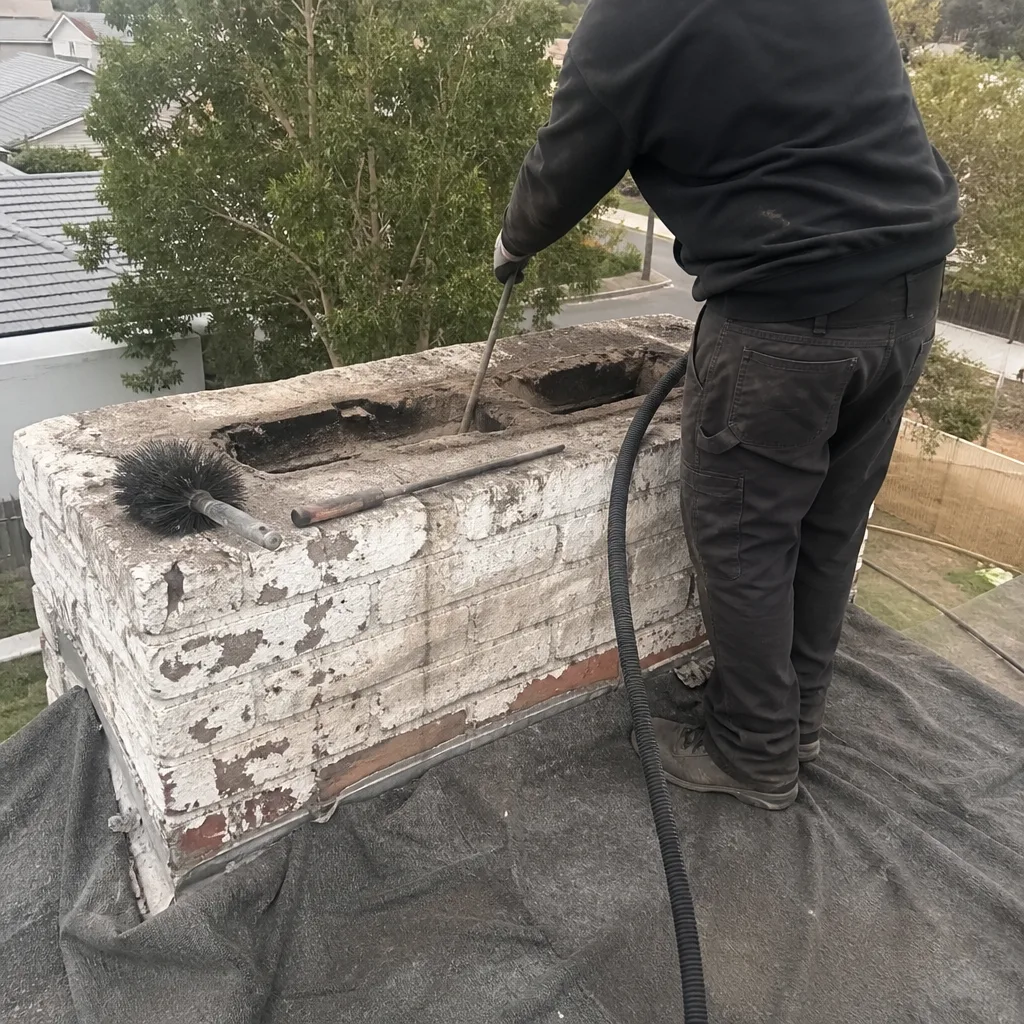 Before
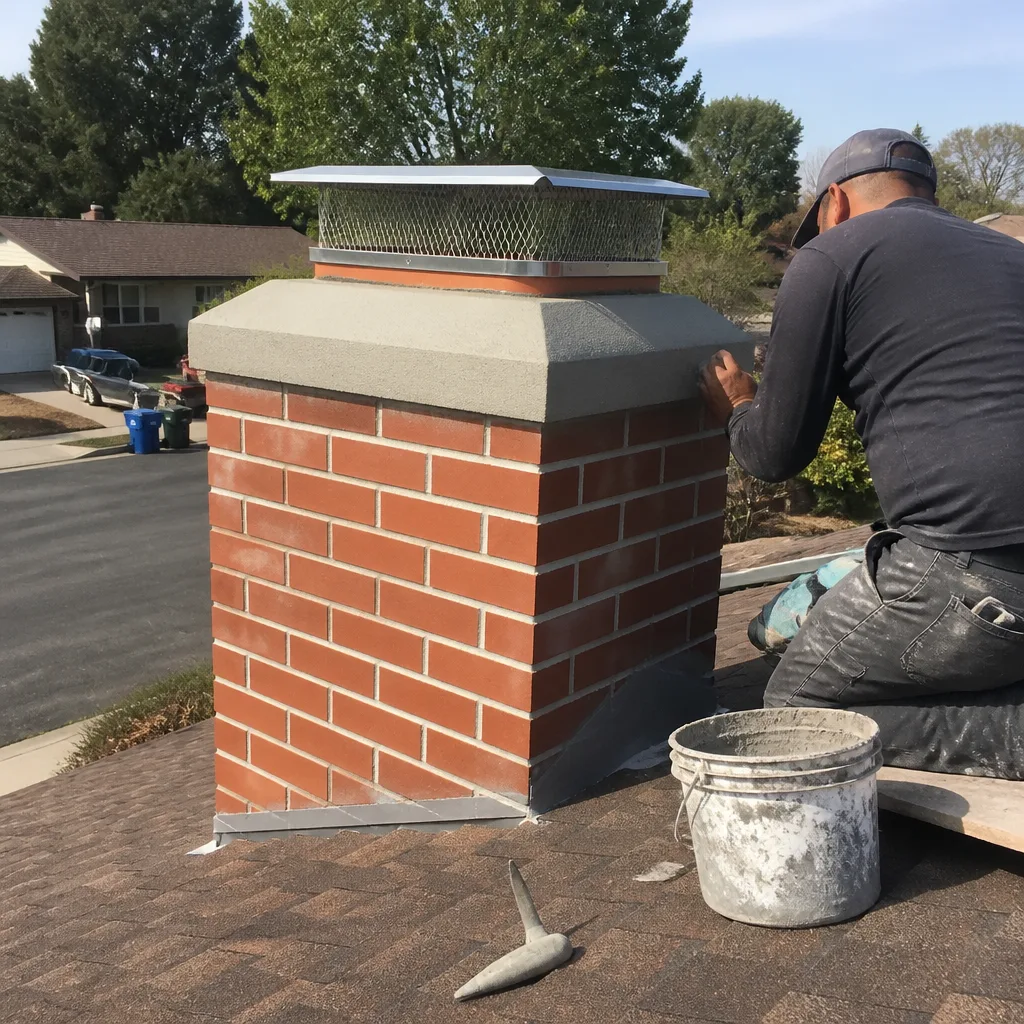 After
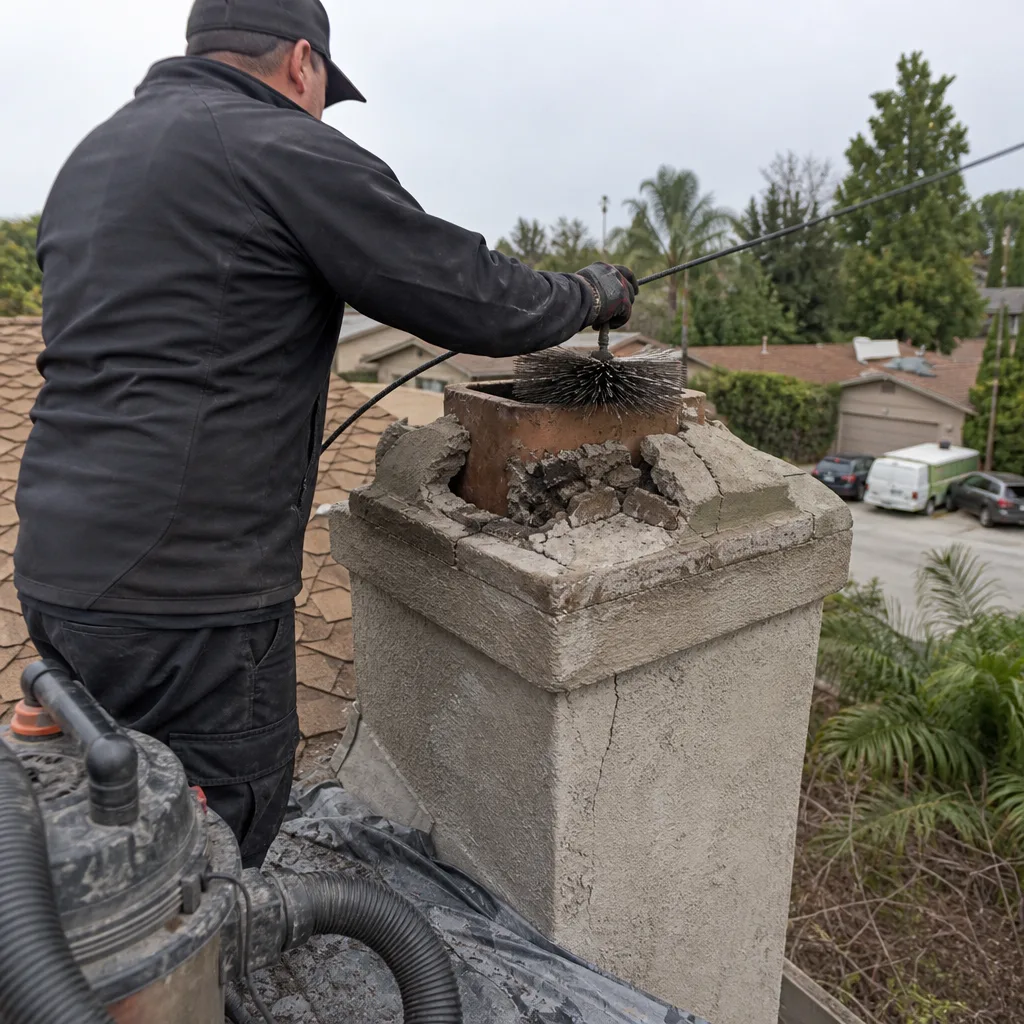 Before
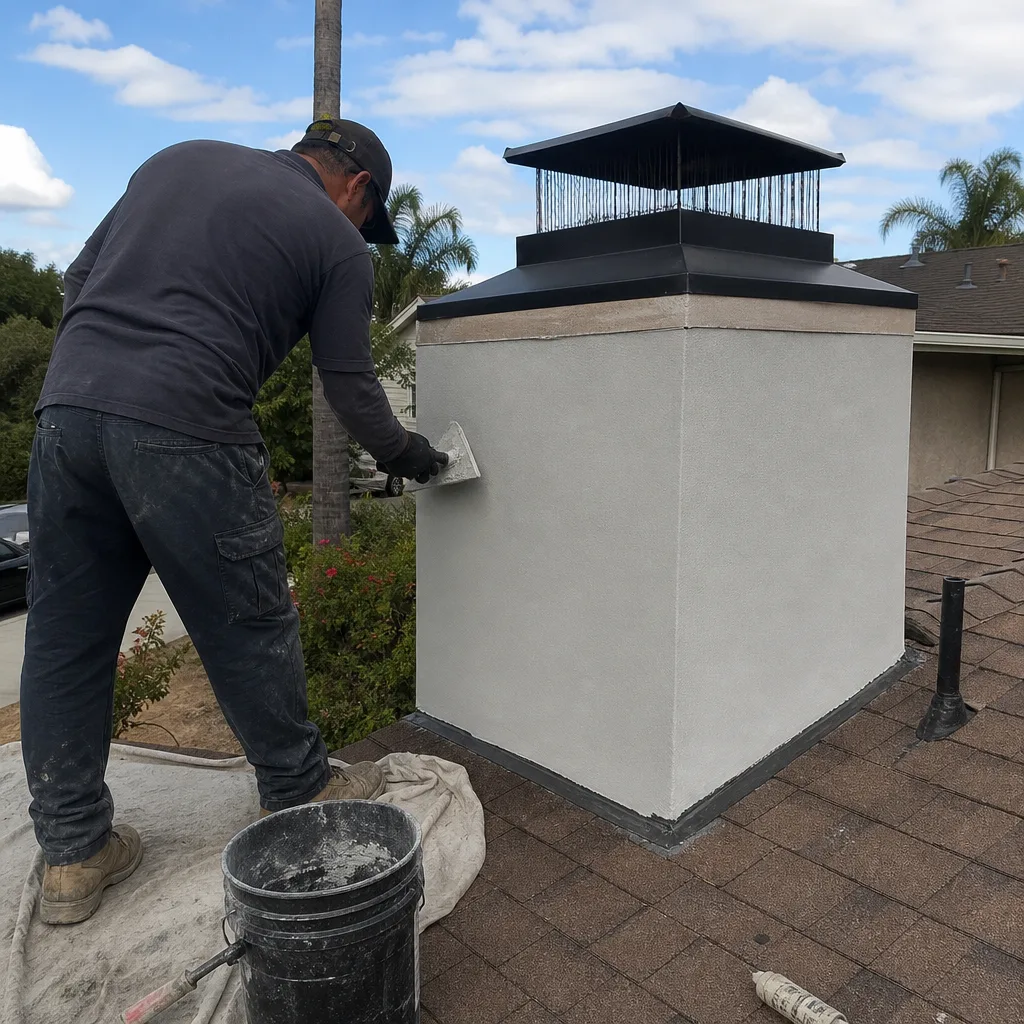 After
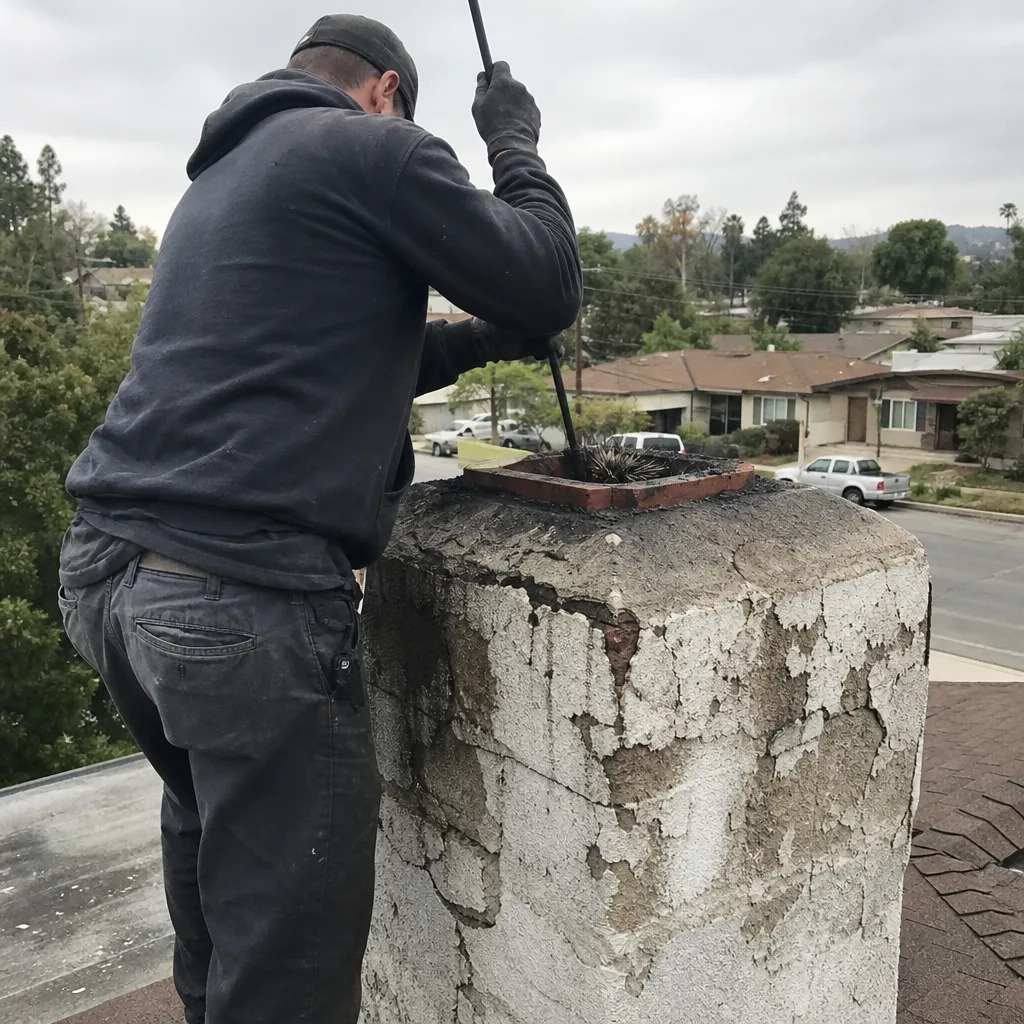 Before
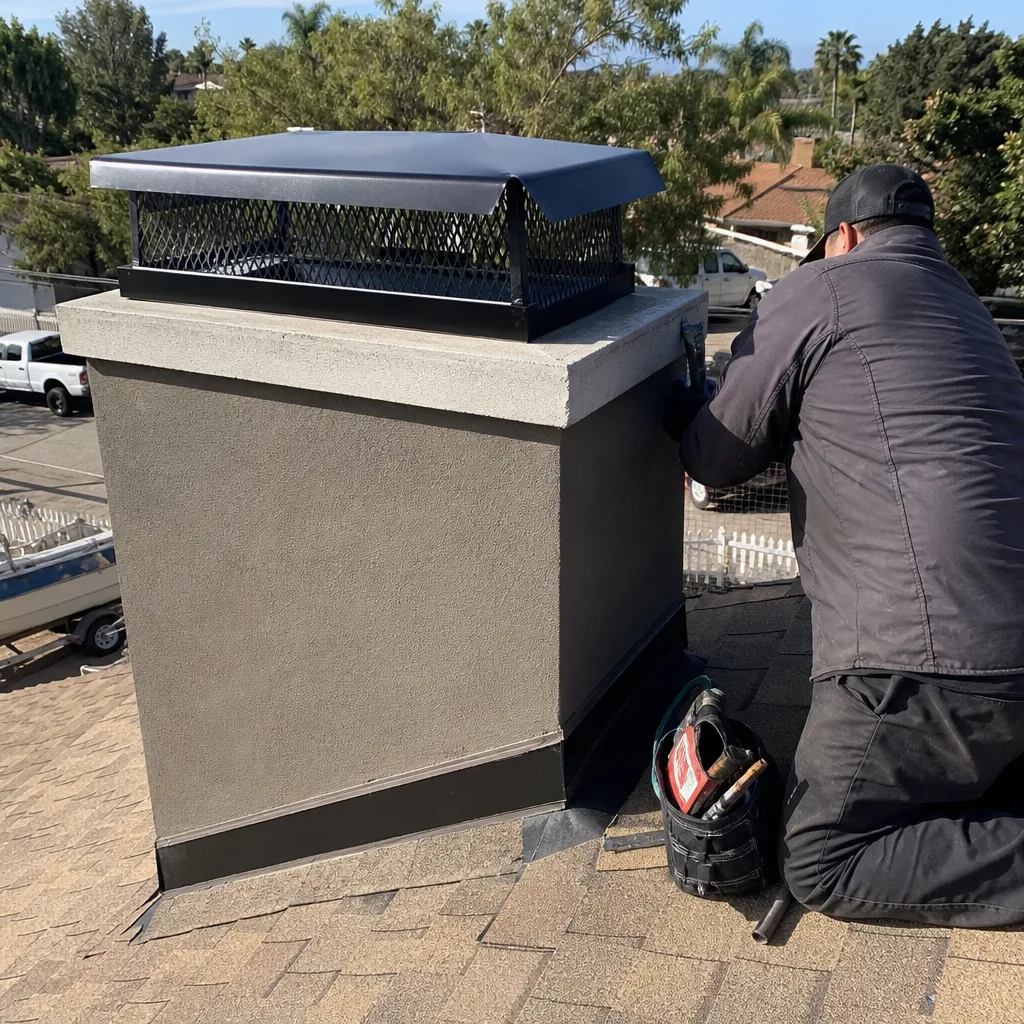 After