
Last updated October 30, 2026
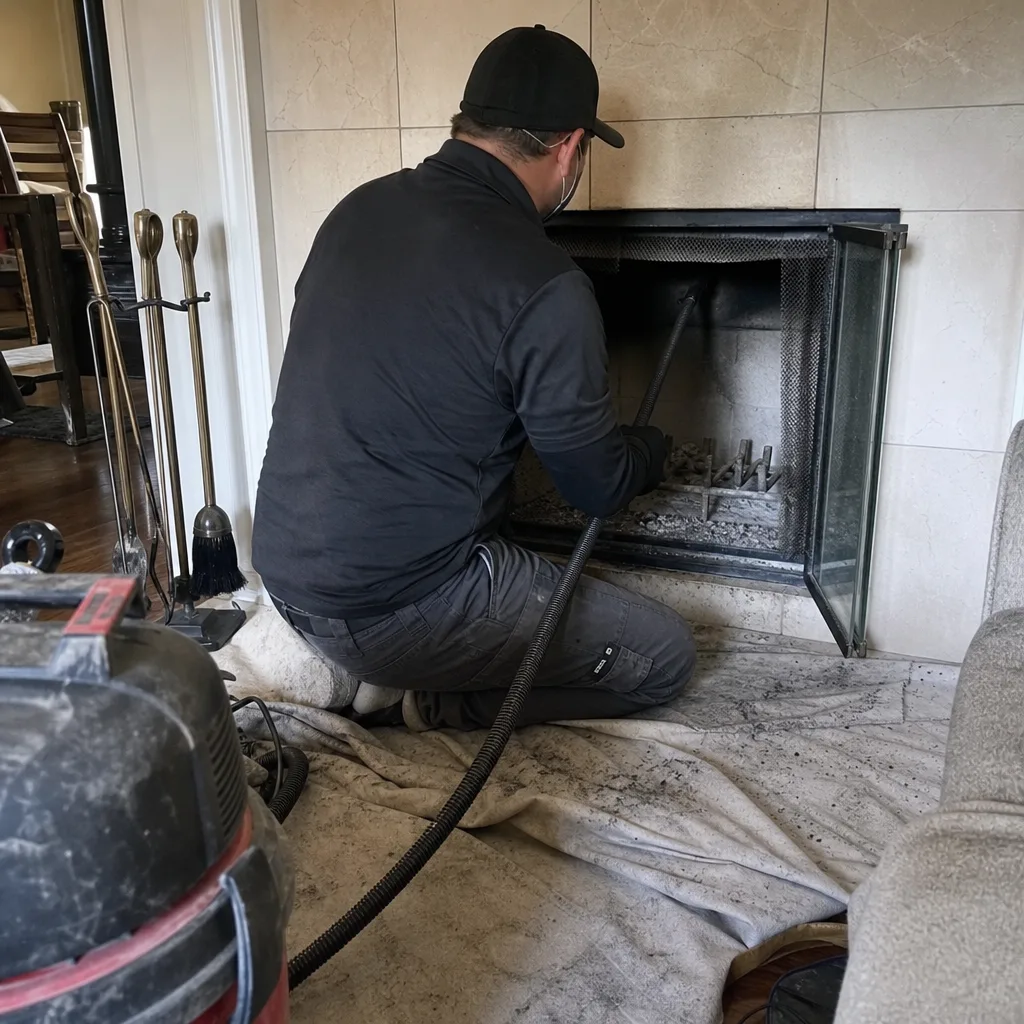
 Sweep & inspection
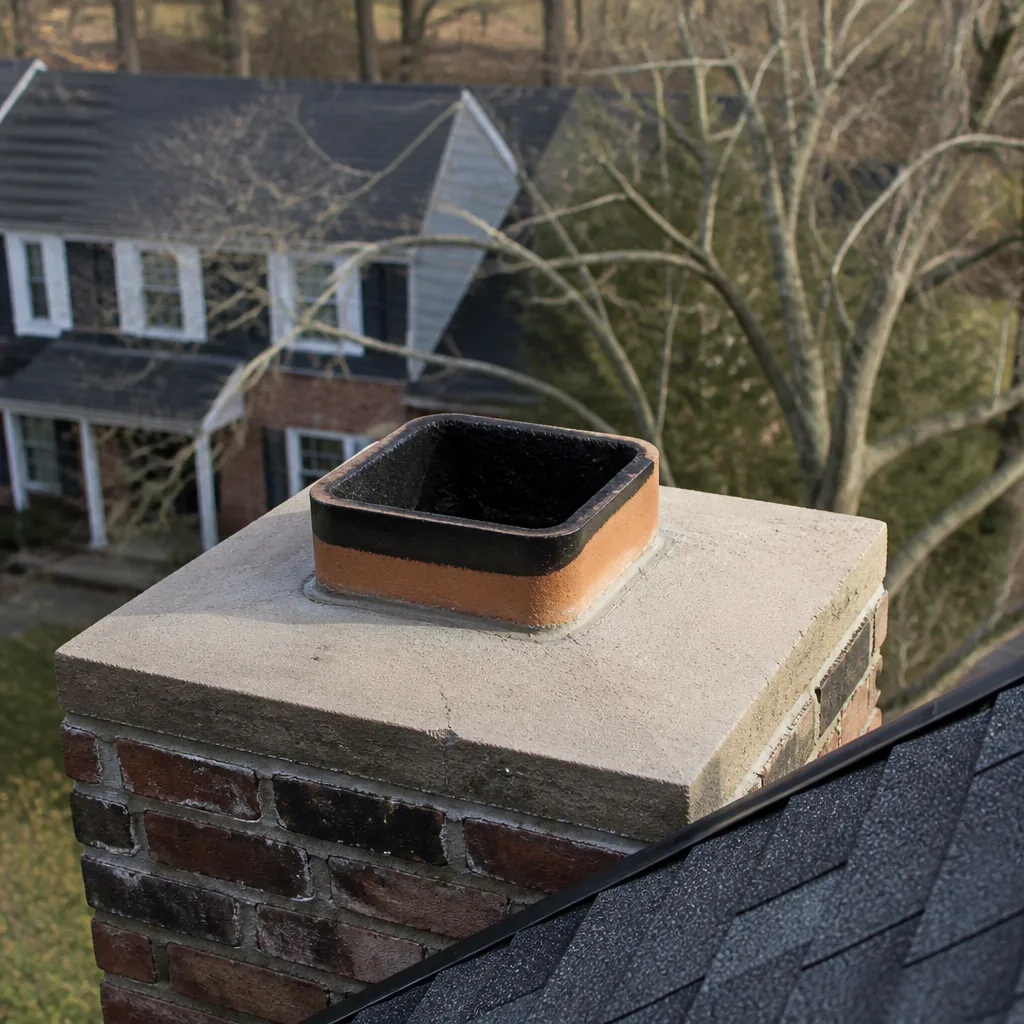
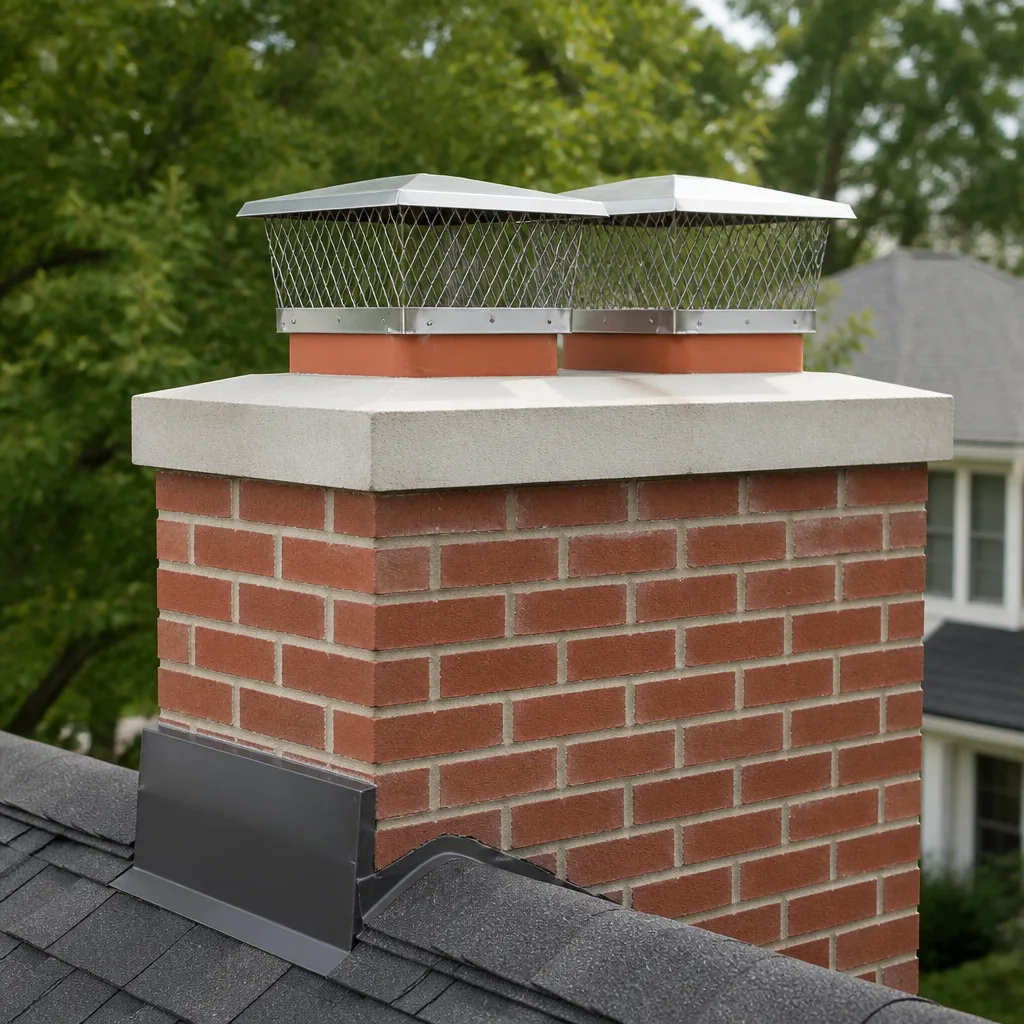 Caps & crowns
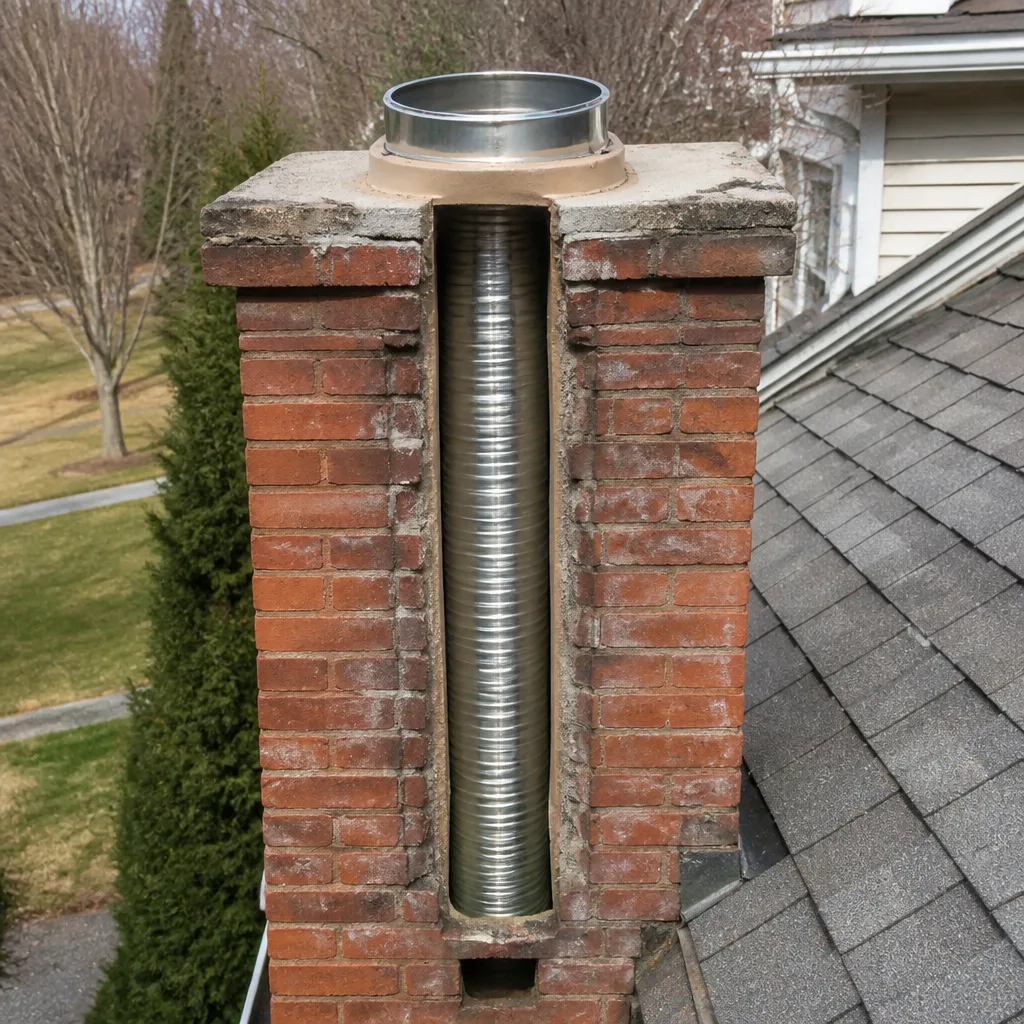 Flue relining
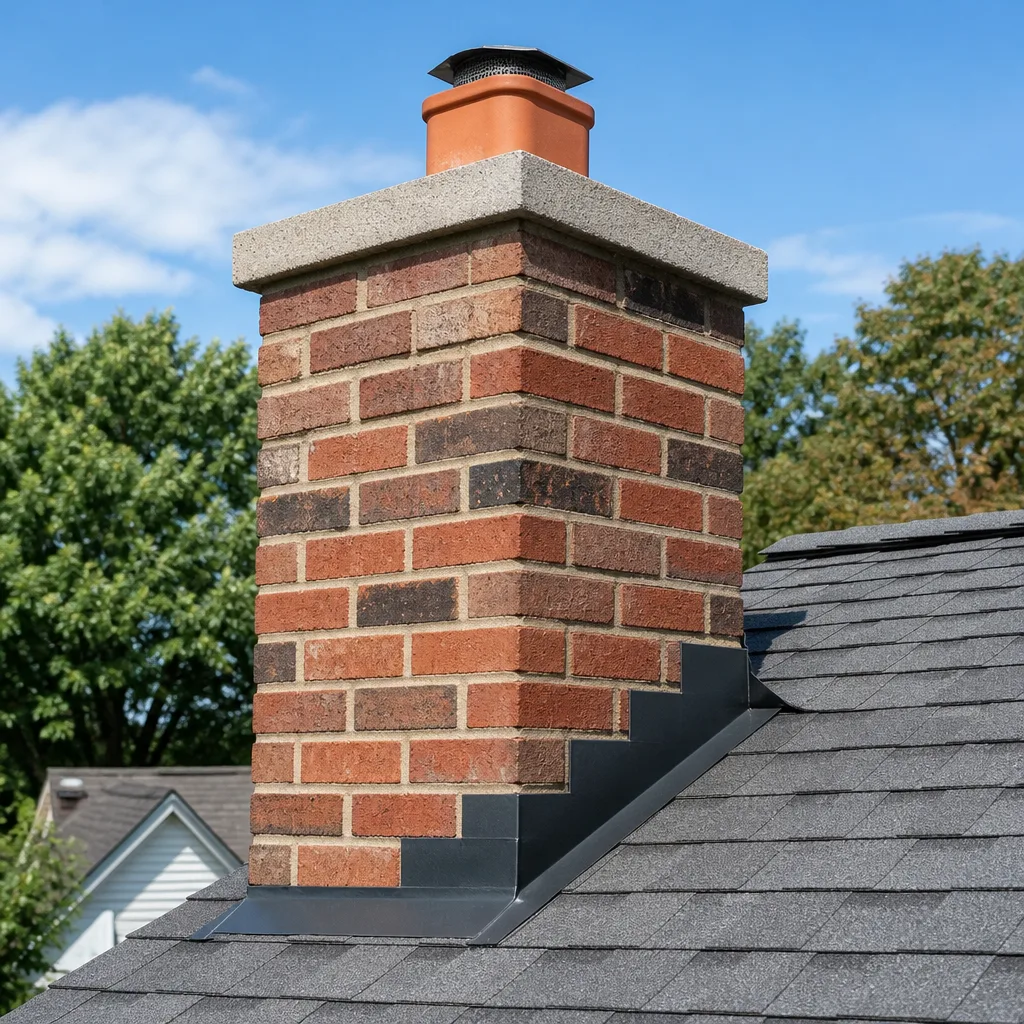 Masonry repair
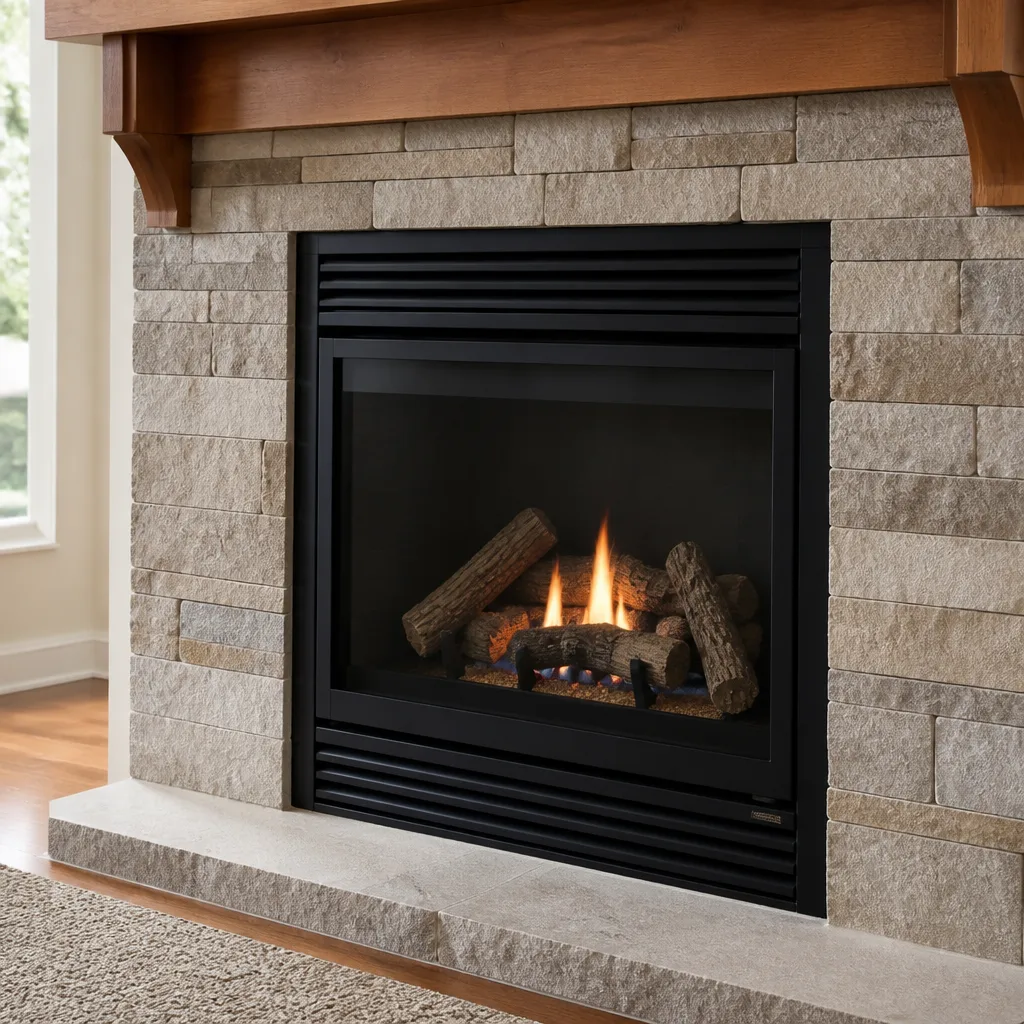 Gas fireplace service
Level 1 sweep and inspection to the NFPA 211 annual standard - flue, crown, cap, and flashing checked and photographed
Chimney sweep logs do not sweep chimneys. They loosen some creosote - which then falls where a brush and vacuum still have to collect it.
Seasonal Chimney Cleaning Care for El Cajon: Year-Round Homeowner’s Guide
Most chimney maintenance advice written for American homeowners assumes the biggest threat is a long, hard winter. That advice doesn’t fit El Cajon. Here, the fireplace sees maybe three months of occasional use, while the other nine months of heat, UV exposure, and dry wind do the quiet damage most guides & resources never mention. The owners we talk to are consistently surprised when we point out that their chimney crown has been cracking since May, not since Thanksgiving. This guide reframes the maintenance calendar around what actually happens to a chimney in San Diego’s inland valley climate, season by season.
Styles & brands we work with
Quick Answer
Seasonal chimney care in El Cajon follows a different rhythm than cold-climate guides: inspect in early spring right after the brief use season ends, address sun and heat damage during summer, do a full pre-season sweep and inspection in September or early October (before the marine layer settles in), and keep the cap and crown protected through the winter damp. The most important detail is annual timing, not just frequency: here, skipping a year often means finding a small, cheap-to-fix crack has become a liner problem by the time anyone looks.
Table of Contents
- Spring: The Post-Season Inspection That Actually Matters in El Cajon
- Summer: UV Heat, Crown Cracking, and the Real Cost of a Sealed Chimney
- Fall: A Pre-Season Checklist Built for a Short Burn Season
- Winter: Marine Layer Humidity and the Under-Use Moisture Problem
- Why Annual Timing Matters More Than “Once a Year”
- The Dryer Vent Factor: A Seasonal Hazard Hiding Behind the Wall
- Common Mistakes to Avoid
- When to Call a Professional
- Frequently Asked Questions
- The Bottom Line
Spring: The Post-Season Inspection That Actually Matters in El Cajon
Most homeowners think about a chimney inspection in the fall, right before they plan to light the first fire. In El Cajon, that’s about six months too late. Spring is when we see the most fixable problems, because the evidence is fresh: a cracked flue tile from February’s last fires, a damper that stuck open one night, creosote that built up across a dozen mild-weather burns and now sits there hardening through the warm months. If you inspect in March or April, you’re looking at a chimney that’s speaking plainly about what it went through.
Here’s the spring sequence we recommend, whether you’re doing a visual check yourself or having a professional out:
- Look up the flue with a flashlight after the firebox has cooled for a few days. You’re checking for patches of shiny, tar-like creosote from low-temperature burns, which are common here because El Cajon nights don’t get cold enough to justify a full, hot fire for long stretches.
- Check the damper movement. Open and close it fully. A damper that binds or won’t seat is more than a draft issue, it’s a sign that heat or moisture has warped metal or shifted the throat assembly. Fixing this in spring is a quick repair. Finding it in late October is a crowd.
- Walk around the exterior and look at the crown. The flat concrete or mortar surface at the top of the chimney structure is the first thing to crack in El Cajon’s heat and sun. Hairline fissures in April are still surface-level. By September, those same cracks have widened from thermal cycling and start letting moisture into the masonry itself.
- Check the cap and screen. Birds and squirrels look for quiet nesting spots starting in late March. A missing cap or a flue with no screening is an open invitation. We’ve found nests in El Cajon chimneys as early as the first week of April.
Spring cleaning also applies to the firebox. Remove the ash from the last few burns, but leave about a half inch at the bottom: a thin ash layer actually insulates the firebox floor and helps with draft on the next cold snap. More importantly, don’t shovel cold ash into a paper bag and toss it in the garage. Cold ash can hold live coals for days. Put it in a metal container with a lid, set it outside away from the house, and let it sit for a week. That’s not overcaution. We’ve heard enough garage-fire stories to know the risk is real.
The spring window is also the right time to schedule a chimney sweep in El Cajon if you used the fireplace more than a dozen times through the winter. A sweep after the season means the creosote doesn’t sit through a dry, warm summer where it can become more difficult to remove and more of a fire hazard in the fall. It also means any crack, gap, or cap problem you identify in spring gets handled before the sun does another six months of damage.
Summer: UV Heat, Crown Cracking, and the Real Cost of a Sealed Chimney
El Cajon summers are rough on chimneys in a way the rest of the country doesn’t experience. It’s not the heat itself, though 100-degree days are hard on materials. It’s the relentless UV exposure combined with the thermal cycling that happens every single day: the sun hits the chimney crown and exterior masonry, expanding the materials through the afternoon, then the temperature drops sharply at night and things contract. Do that a hundred times a summer and even well-built crowns start showing fatigue.
The crown is the flat, protective surface at the top of the chimney structure. Its entire job is to shed water away from the flue and the masonry below. In El Cajon, most crowns fail from the inside out: a tiny hairline crack forms in early summer, moisture from morning condensation seeps in, and that moisture expands on hot days, widening the crack millimetre by millimetre. By the time you can see it from the ground, the crown needs more than a patch. If the crack runs all the way through, water gets into the chase or the masonry, and that’s when we see spalling (brick faces popping off), rusted dampers, and liners that have started to rot from the top down.
What should a homeowner do in June, July, and August? Three specific things:
- Check the crown visually once a month from the ground or with binoculars. You’re looking for dark lines, white efflorescence (salt-like mineral deposits), or any chunk of concrete that looks different from the surrounding surface. If you notice a change month to month, take a photo. That progression tells a technician a lot.
- Inspect the flashing where the chimney meets the roof. Roof flashing sealant fails faster in El Cajon than in coastal climates because the dry heat breaks down flexible compounds. Lifting, curling, or dried-out sealant around the base of the chimney is the single most common entry point for water intrusion in warm-climate homes.
- Keep the damper closed, but not sealed shut. A tightly closed, never-opened chimney actually traps moisture inside the flue as morning condensation forms and can’t evaporate. If you can’t open the damper slightly or crack a window near the fireplace, a chimney cap with proper ventilation is the better solution. More on that in the winter section.
If summer is the season when crowns crack in El Cajon, it’s also the season when most homeowners aren’t looking. That’s the quiet-damage gap this guide exists to close. A full chimney repair in El Cajon doesn’t happen in August: it starts in August as a tiny crack that most people would catch in the fall. The repair itself may be minor, a crown reseal or a new cap from Gelco or Famco’s professional line, but only if somebody looks before October.
Fall: A Pre-Season Checklist Built for a Short Burn Season
October is the month when the rest of the country’s chimney companies are booking three weeks out. In El Cajon, it’s closer to a two-week window in mid-September to early October when conditions are ideal for a proper pre-season inspection: the summer heat has broken, no marine layer is sitting in the flue, and there’s enough daylight for a technician to see the entire system from crown to firebox. The key point is this: in El Cajon, October is not the only month to inspect, it’s the last good month before the coastal damp sets in.
This is the pre-season sequence we use, and it’s one any professional worth their salt will follow:
- Full visual inspection from the roof down. Crown first (looking for those summer cracks), then the exterior masonry, then the flashing, then the flue interior from the top with a camera or scope, then the damper and firebox from inside the house.
- Creosote assessment. A chimney that was swept in spring may show light, fluffy creosote from one or two shoulder-season burns. A chimney that wasn’t swept may show dense, shiny, tar-like creosote that needs more than a brush-and-vacuum, it may need mechanical removal and possibly a creosote-treating product.
- Smoke test and draft check. Light a small fire or use a smoke pencil to confirm the flue is drafting properly. A chimney in El Cajon that hasn’t been open in months may draft poorly, not because the flue is dirty, but because the interior of the house has settled into an air-sealed state. Opening a window an inch solves most of these.
- Liner and damper verification. Confirm the liner is intact (no gaps, no flaking, no mineral deposits from condensation) and that the damper operates smoothly. This is also the time to check gaskets and seals on any wood stove or insert door.
- Cap and screen check. The last thing to confirm before the season. A missing cap is a fire risk and an animal risk, and a missing screen is a pest invitation. We install caps from Copperfield and Gelco, professional lines that hold up to El Cajon’s UV and heat far better than paint-coated hardware-store versions.
The fall window matters because once November arrives with the marine layer settling into the inland valleys, moisture becomes a factor that complicates everything. A slightly dirty chimney in September is a straightforward sweep. The same chimney in January with condensation running down the flue is a messy, more expensive, more time-consuming job. That’s the El Cajon-specific detail that most generic seasonal guides miss entirely.
Winter: Marine Layer Humidity and the Under-Use Moisture Problem
The winter problem in El Cajon is not ice, not wind-driven snow, not sub-zero overnight temperatures. It’s the marine layer. From late fall through early spring, coastal air pushes into the inland valleys overnight, carrying enough moisture to condense inside an unsealed, unheated chimney. The result is a slow, persistent dampness inside the flue, especially in fireplaces that sit unused for weeks at a time.
Here’s what actually happens. During the day, the flue warms slightly. Overnight, the air inside cools and that marine-layer moisture condenses on the interior flue walls. Add even a small amount of creosote from a few fires, and you have something worse than dry creosote: wet, acidic creosote that adheres like lacquer and corrodes the flue liner. Over a single winter, the damage is minimal. Over several winters, an unmaintained fireplace in El Cajon can show liner damage from moisture that a cold-climate owner would never see, because their chimney is hot and dry all winter from actual use.
What should you do through the winter months?
- Burn hotter, shorter fires when you do burn. A quick, hot fire produces less creosote per burn than a long, smoldering one. In El Cajon’s mild climate, you’re not trying to heat the whole house for eight hours. Two hours of active flame is better for your chimney than six hours of coals-and-damp wood.
- Keep the damper closed when the fireplace isn’t being used, but not if that traps visible condensation. If you see dampness or mineral staining inside the firebox, that’s a sign the flue needs ventilation. A properly installed cap with a mesh screen and a slight gap can help, and it’s a simple fix we handle on routine visits.
- Check inside the firebox weekly through the rainy season. Dark streaks, white crust, or a musty smell are all signs of water coming down the flue or through a failed crown. The earlier you catch that, the less masonry damage you’re facing in spring.
- Run the dryer with the vent in mind. El Cajon winters mean more indoor laundry, and a dryer vent that’s slowly filling with lint is now working against the dampest air of the year. If you notice longer drying times in January, that’s your dryer vent telling you something.
- Inspecting only in October because that’s when everyone else does it. In El Cajon, the damage happens in the other nine months. A spring visual check catches problems when they’re cheap. Relying on a single fall visit means those problems have had a full summer to worsen.
- Assuming a little creosote is harmless. The short, occasional burns common in El Cajon produce dense, difficult creosote that’s more hazardous than the fluffy stuff from hot, frequent fires. A few mild-weather fires can leave a flue lining that’s a legitimate fire risk.
- Sealing an unused chimney without ventilation. Trapping moisture inside a flue for months is worse than leaving the damper slightly open. El Cajon’s marine layer means even “sealed” chimneys can sweat. The right solution is a proper cap, not a permanent seal.
- Ignoring a cracked crown because the fireplace still works fine. The crown has nothing to do with how well your fire burns. That’s the danger. A crown that’s letting water through can destroy masonry and liner material while the fireplace below continues to function normally, until suddenly it doesn’t.
- Treating a gas fireplace as maintenance-free. Gas inserts and log sets still need annual inspection. Venting problems, cracked firebox panels, and dust accumulation on burners are all issues we see in El Cajon homes where gas fireplaces haven’t been looked at in five years.
- Cleaning the lint screen and calling the dryer vent done. The lint screen catches maybe a third of the lint produced. The rest goes through the duct. A homeowner can’t clean the interior of a dryer vent without professional tools and the right access.
- Putting off a cap replacement because it’s “not that urgent.” In El Cajon, a missing or damaged cap during nesting season is a guaranteed animal intrusion. Bird and squirrel nests inside chimneys are not a rare occurrence in this climate, they’re a seasonal certainty if the cap is compromised.
Winter is also when we see the most chimney-related service calls from El Cajon homes where the fireplace has been used only a handful of times but the chimney was never properly sealed against moisture. A HeatShield resurfacing or a DuraFlex liner installation can address liner deterioration, but far more common is the homeowner who simply needs a proper cap and a crown reseal to keep the marine-layer moisture out in the first place. Prevention here is not complicated, it’s just specific to this climate.
Why Annual Timing Matters More Than “Once a Year”
The standard advice you’ll hear from any chimney professional is “have your chimney swept and inspected once a year.” That’s true, but it’s also incomplete. The timing of that annual service changes the quality of the inspection and the cost of the repairs. In El Cajon, the optimal window is late September to early October, with a follow-up visual check in spring if you used the fireplace regularly through the winter.
Here’s the local reasoning. A chimney that’s inspected in October gets checked after a full summer of UV and thermal cycling, which is the biggest damage driver in this climate. The crown cracks, the flashing gaps, the sealant failures, these are all most visible and most advanced by early fall. An inspection in October catches those problems at their most developed but still repairable stage. An inspection in, say, April would catch them earlier, but most homeowners don’t schedule a sweep at the start of summer, and by the time they think about it again, the marine layer is already in the picture.
There’s a second timing issue specific to El Cajon: the burn season is so short that people undervalue the non-burning months. In a cold-climate household, the chimney is the star of the winter. Here, it’s a seasonal amenity, and the temptation is to not think about it at all for eight months. That’s how a little crown crack becomes a water intrusion problem, how a missing cap becomes a squirrel nest, and how a slightly dirty flue becomes a creosote hazard. The calendar is what causes these issues, which means the calendar is also the solution.
For homeowners who use a wood stove or a gas insert, the timing still holds. Inserts burn differently, but they share the same exterior components: the crown, the flashing, the cap, the chase top. All of these degrade on the same El Cajon schedule whether the flue is venting a wood stove or a gas fireplace. The only difference is what’s inside the flue during the inspection.
The earlier Acorn Chimney Sweep home approach applies here as much as anywhere: full-system inspection means looking at the whole chimney, not just sweeping the flue and calling it good. That’s how a seasonal maintenance plan actually prevents problems instead of just documenting them after the fact.
The Dryer Vent Factor: A Seasonal Hazard Hiding Behind the Wall
A chimney guide that ignores the dryer vent is leaving out the part of the house most likely to cause a fire. In El Cajon, where winters are mild but interior air is often damp from the marine layer, dryers run harder through the cooler months. Every load pushes more lint through a vent that’s slowly closing up. The risk isn’t visible from the outside, and that’s exactly why it’s dangerous.
Lint is extraordinarily flammable. It’s made of the same cellulose fibre as your clothing, it compacts into a dense, airy mat that ignites easily, and it accumulates in the exact place where a dryer’s exhaust heat is concentrated. The National Fire Protection Association identifies dryer vent cleaning as one of the most effective things a homeowner can do to reduce residential fire risk. And yet, most chimney sweeps and handyman services never touch the dryer vent. They’re looking at the wrong side of the wall.
A dryer vent should be professionally cleaned at least once a year in a household that does regular laundry, more often if you have a long duct run, a flex-duct installation, or a household with pets. The signs are not subtle: clothes taking longer than 40 minutes to dry, a musty smell on dried clothes, a lint screen that still has a visible film after cleaning, or a dryer exterior that feels hot to the touch. That last one is not a normal operating condition.
What makes the dryer vent a seasonal issue is the moisture. El Cajon’s winter humidity causes lint to clump and adhere to the inside of the vent rather than blowing through freely. The same amount of lint that would pass through a dry vent in August builds up through December and January. Scheduling dryer vent cleaning in El Cajon in the fall, before the marine layer sets in, is the most reliable way to keep the vent clear through the heaviest-use months.
A full-system approach means treating the dryer vent with the same seriousness as the chimney flue. Both carry hot air and combustion byproducts out of the house. Both fail slowly and silently. Both are checked once a year or not at all. The difference is that one of them is behind a wall where no one ever looks.
Common Mistakes to Avoid
When to Call a Professional
You should call a chimney professional when you see water staining inside the firebox, when you smell something musty or burning that isn’t explained by the last fire, when the damper won’t fully open or close, when you find evidence of animals (noises, nesting material, droppings) inside the chimney, when you see visible cracks in the crown from the ground, or when your dryer takes longer than 40 minutes to dry a normal load. These are not diy-optional situations. A camera inspection will answer most questions quickly, and a full-system technician can address the actual problem rather than just documenting it. Acorn Chimney Sweep offers free estimates in El Cajon – call (844) 510-0293.
Frequently Asked Questions
Once a year is the baseline, but in El Cajon the timing matters more than the number. Schedule the full sweep and inspection in late September or early October, before the marine layer settles in, and add a spring visual check if you used the fireplace regularly through the winter. Call (844) 510-0293 to schedule an appointment.
A gas fireplace doesn’t produce creosote, but it still needs annual inspection for venting, burner condition, firebox panel cracks, and exterior component deterioration. The crown, flashing, and cap on a gas fireplace chimney degrade on the same El Cajon UV and moisture schedule as a wood-burning one. A professional check once a year is the right approach for both.
Look for visible cracks in the crown or masonry, white mineral deposits (efflorescence), dark staining on the exterior, missing or damaged caps, and flashing sealant that appears curled or dried out. Any of these warrant a professional look. They’re all indicators that water is getting where it shouldn’t be.
A standard chimney sweep and inspection typically runs $150 to $300 in the San Diego area, depending on the level of inspection, the flue type, and whether additional services like camera work or creosote treatment are needed. The exact price varies by system. Call (844) 510-0293 for a free estimate based on your specific chimney.
Yes. In El Cajon’s climate, a missing cap is an open door for animals during nesting season and a pathway for marine-layer moisture the rest of the year. Both cause damage that’s far more expensive to fix than the cap itself. The cap is the cheapest insurance on a chimney system.
Clothes taking longer than 40 minutes to dry, a musty smell on dried laundry, a lint screen that’s still coated after cleaning, and a dryer exterior that feels hot are all signs the vent is obstructed. In El Cajon’s winter humidity, lint clumps faster than in dry climates. Annual professional dryer vent cleaning is the standard recommendation.
The Bottom Line
El Cajon’s chimney care calendar doesn’t follow the cold-climate script. The damage happens in the heat of summer and the damp of winter, not during the short, mild burn season. What matters is not just cleaning once a year but looking at the right times: spring for post-season issues, summer for UV and crown degradation, early fall for the full pre-season system check, and winter for moisture management. A full-system approach that treats the chimney, the cap, the liner, and the dryer vent as one connected system is what actually prevents problems in this climate. The homes that stay safe are the ones where someone looked before the problem looked small enough to ignore.
Written by the team at Acorn Chimney Sweep, serving El Cajon since 2015.
See the difference
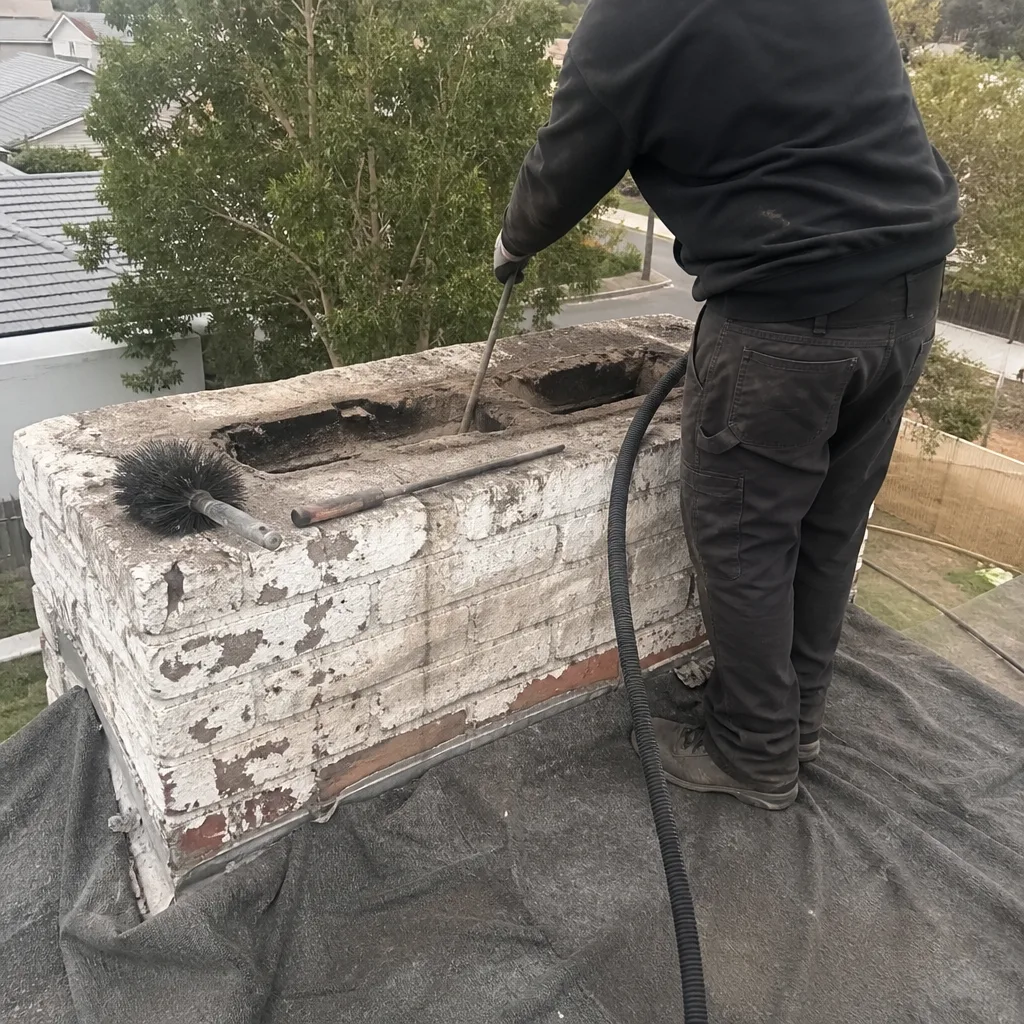 Before
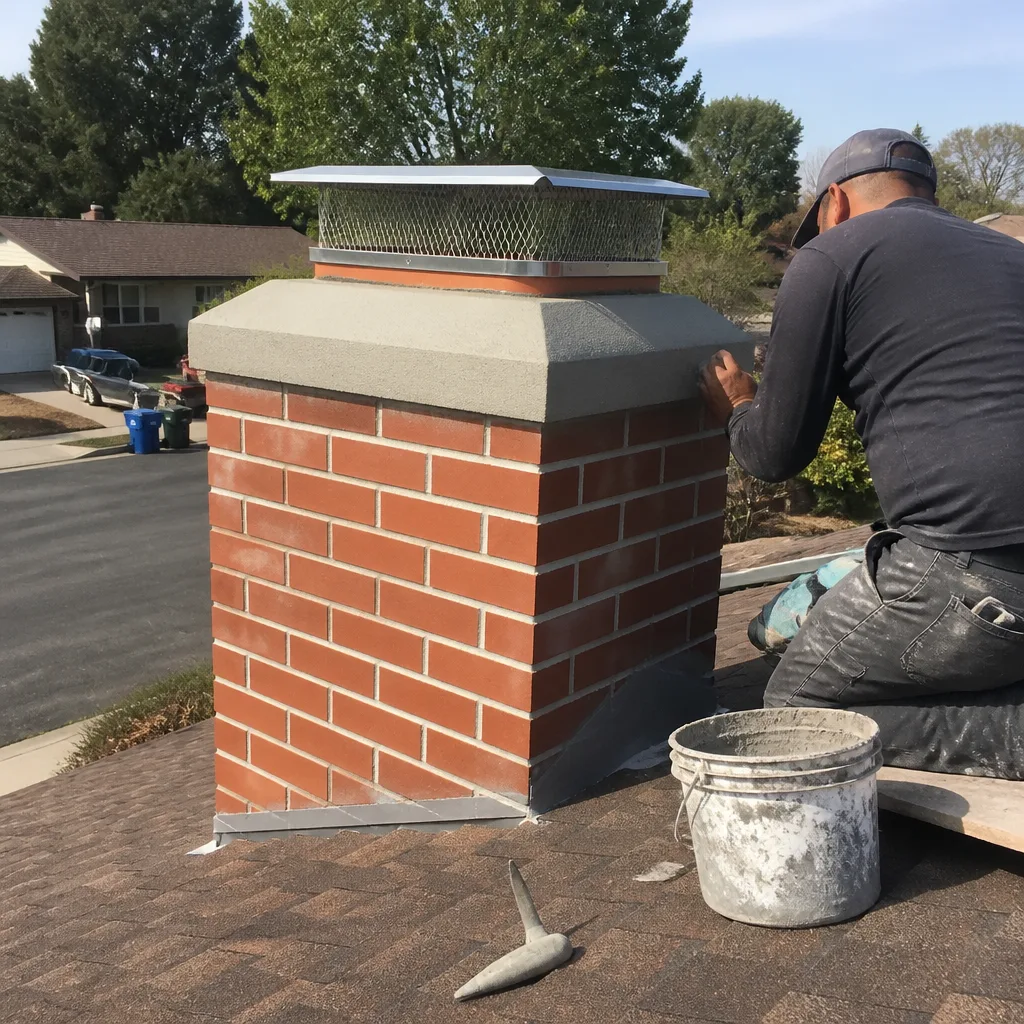 After
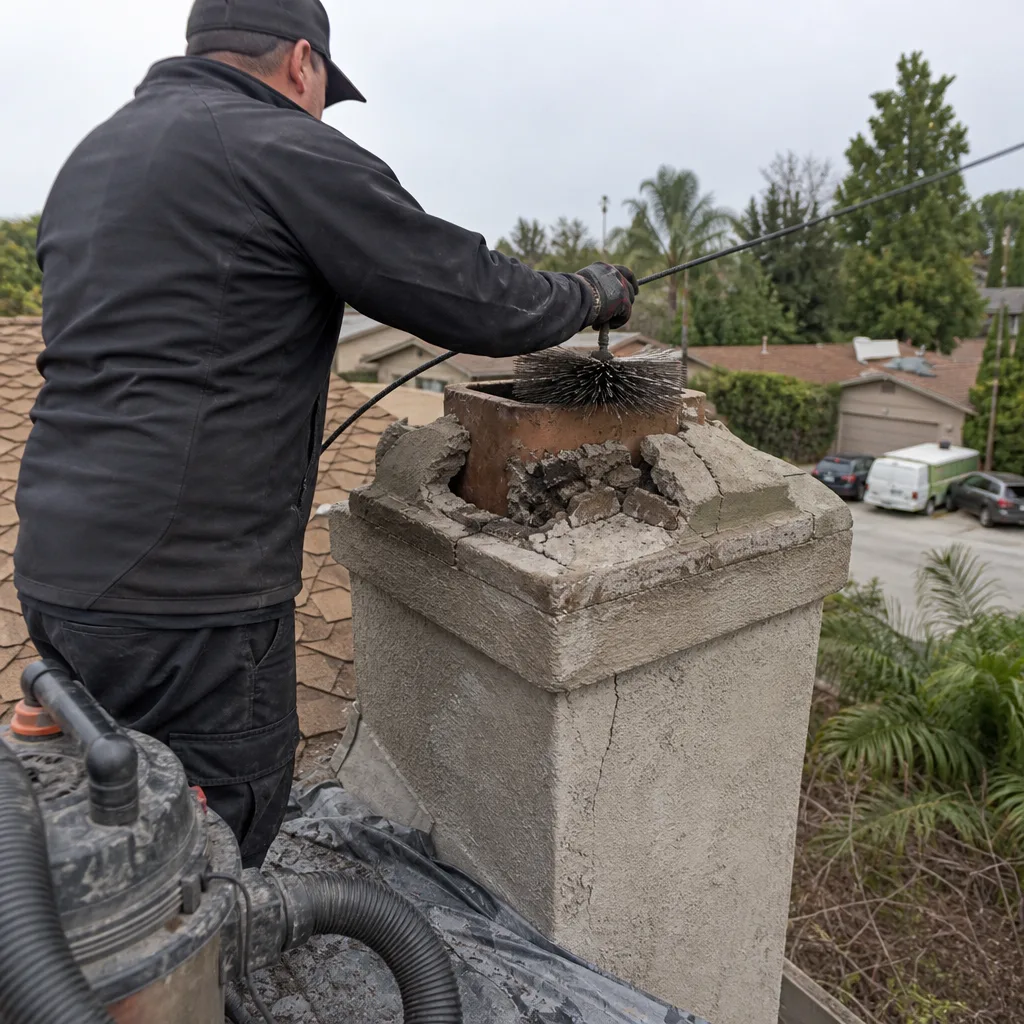 Before
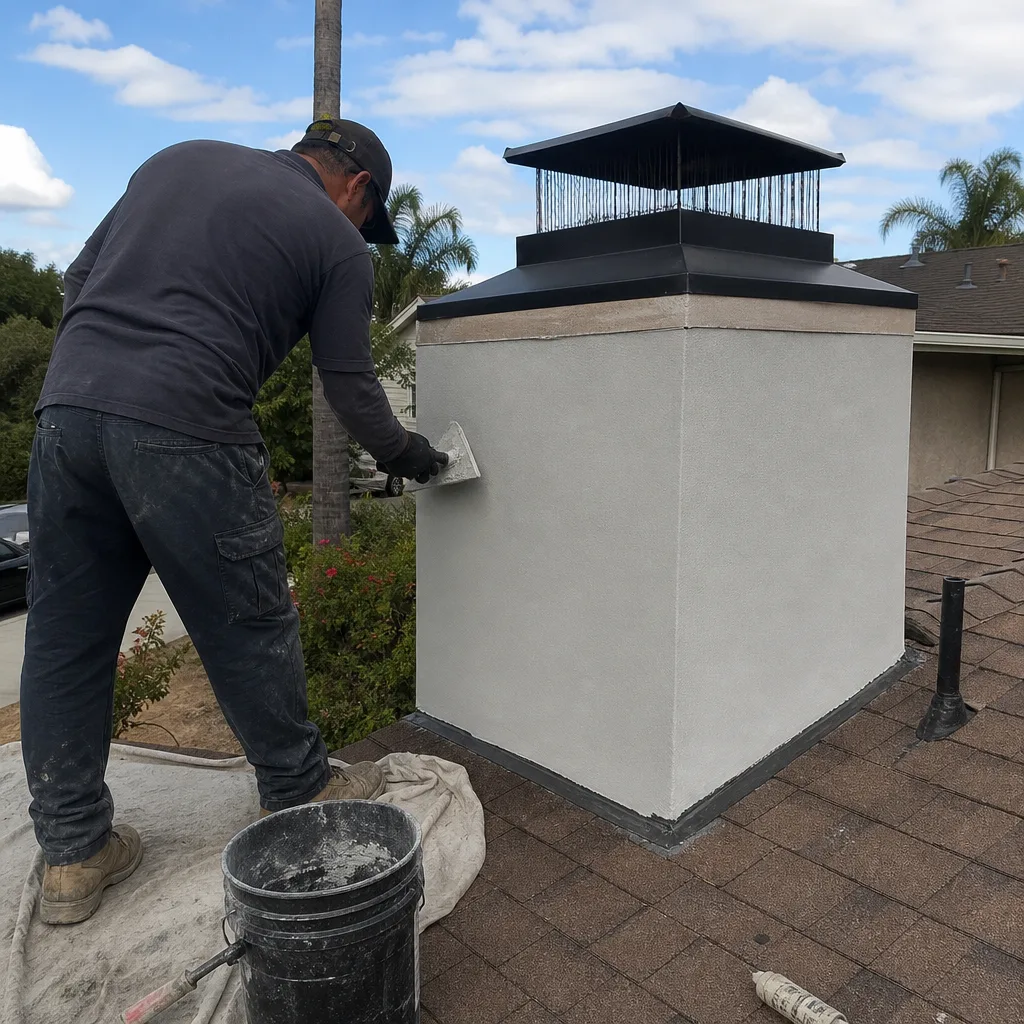 After
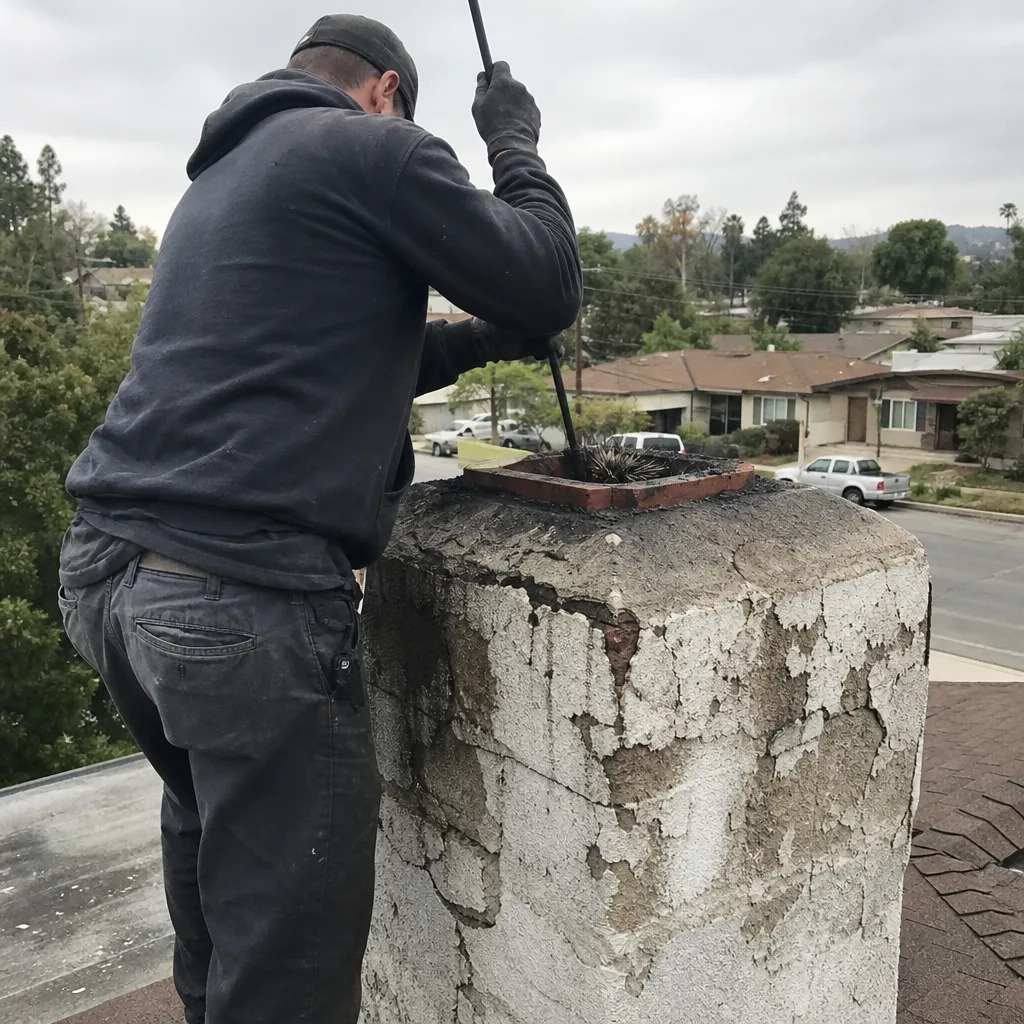 Before
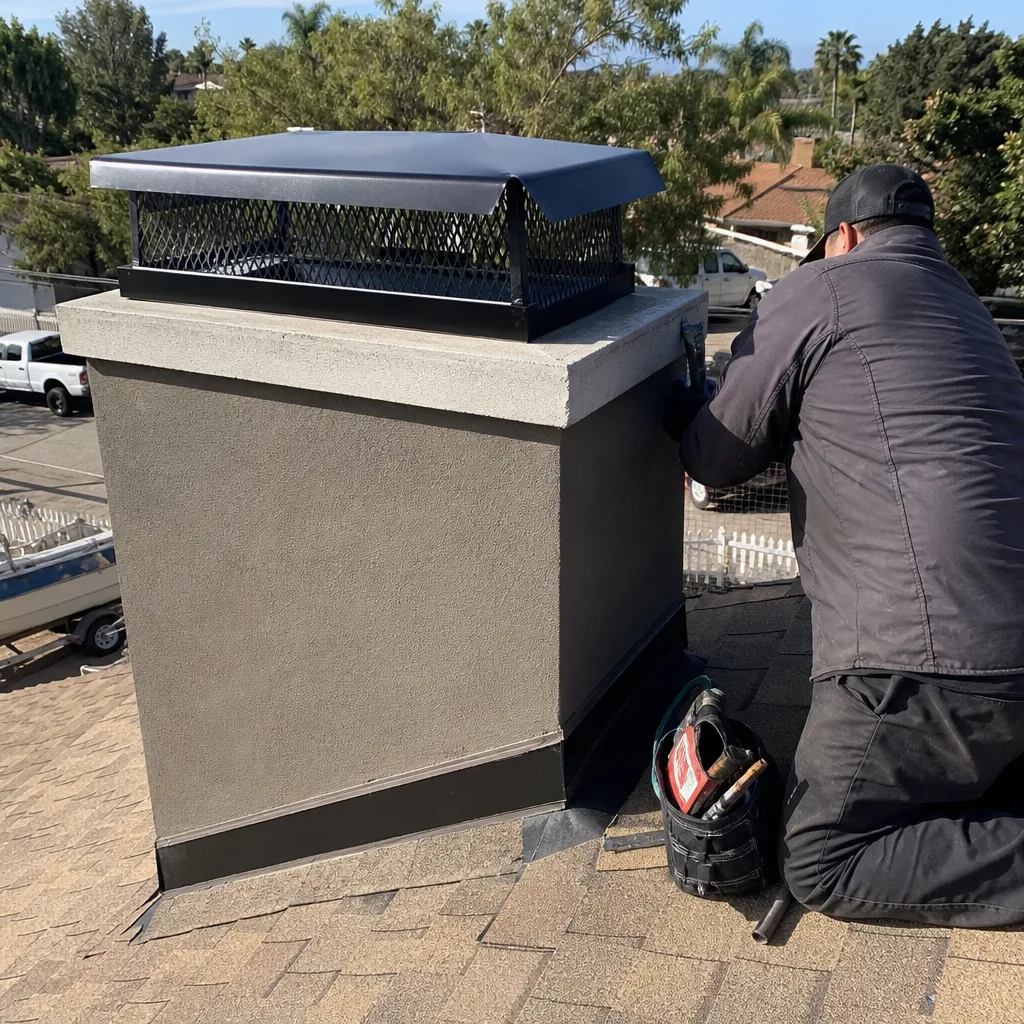 After