
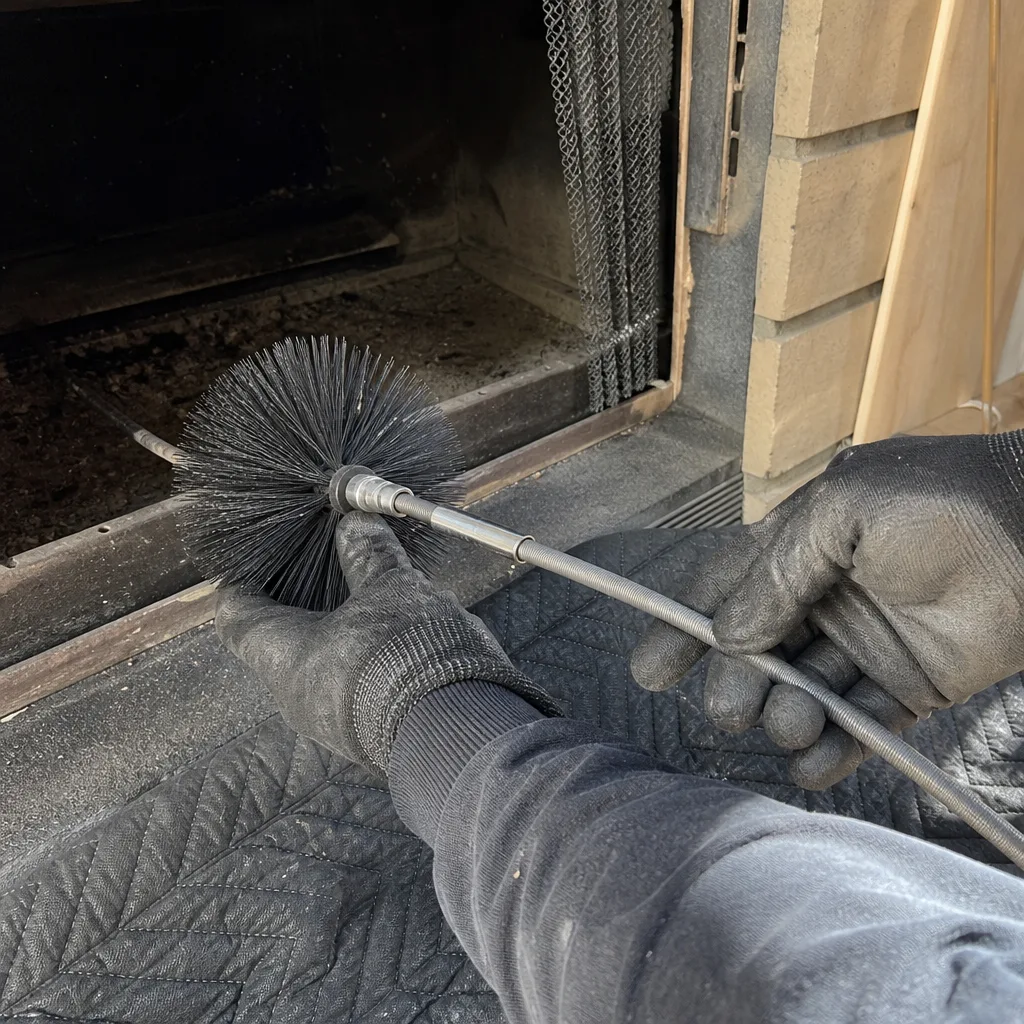
Last updated October 30, 2026
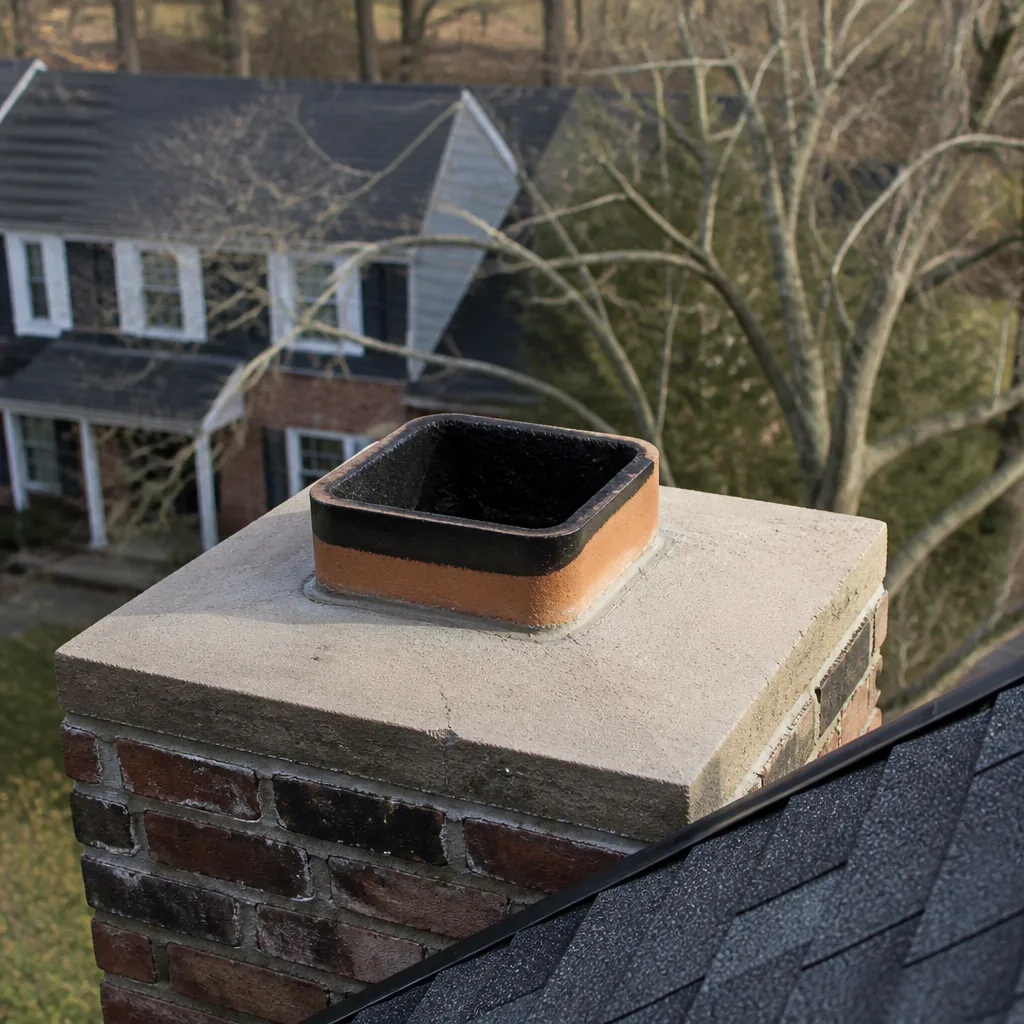 Sweep & inspection
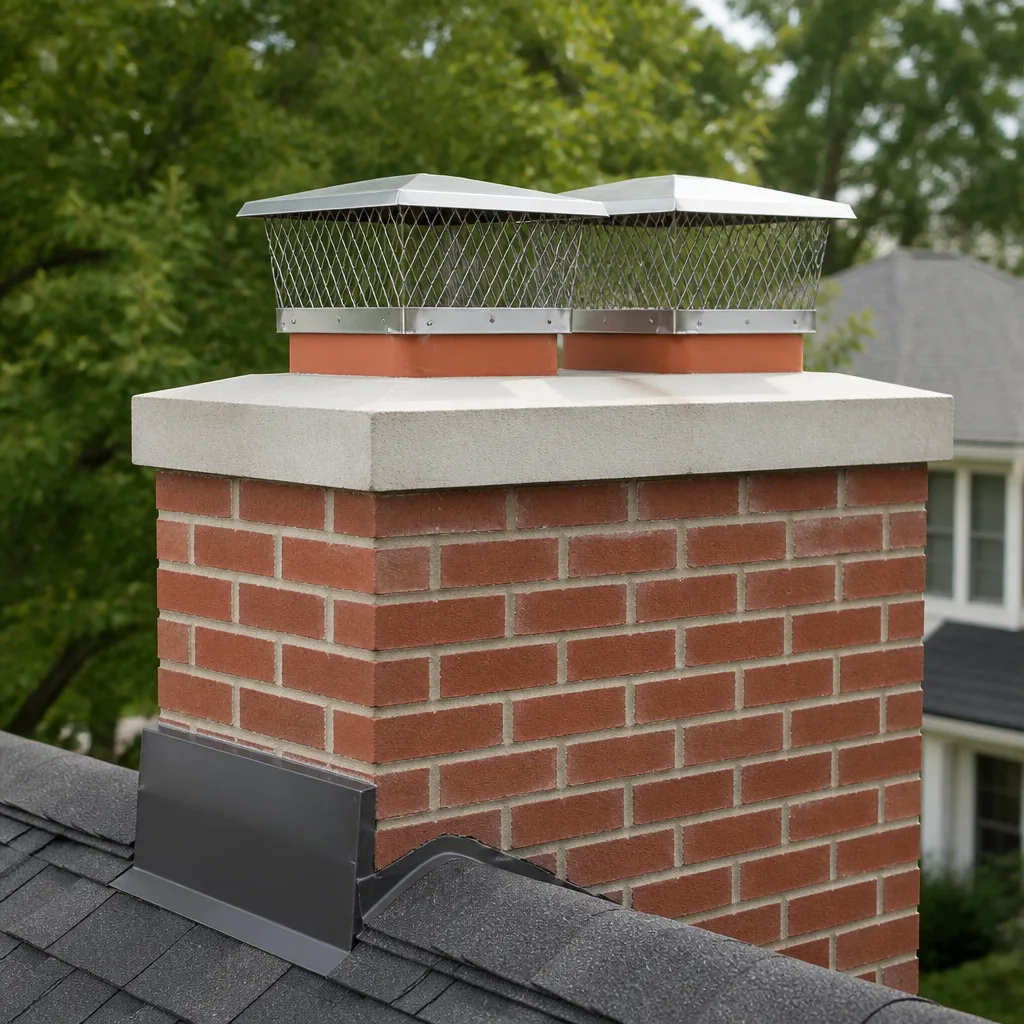 Caps & crowns
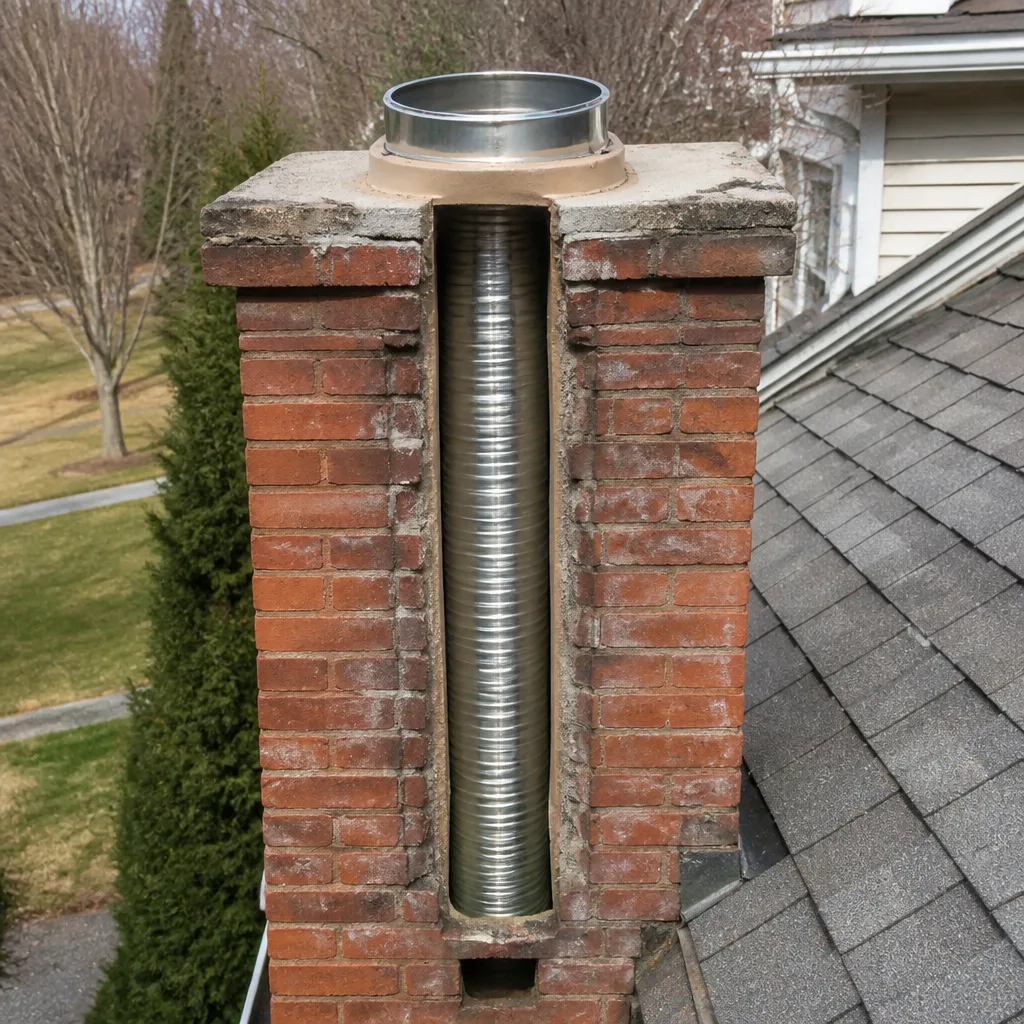 Flue relining
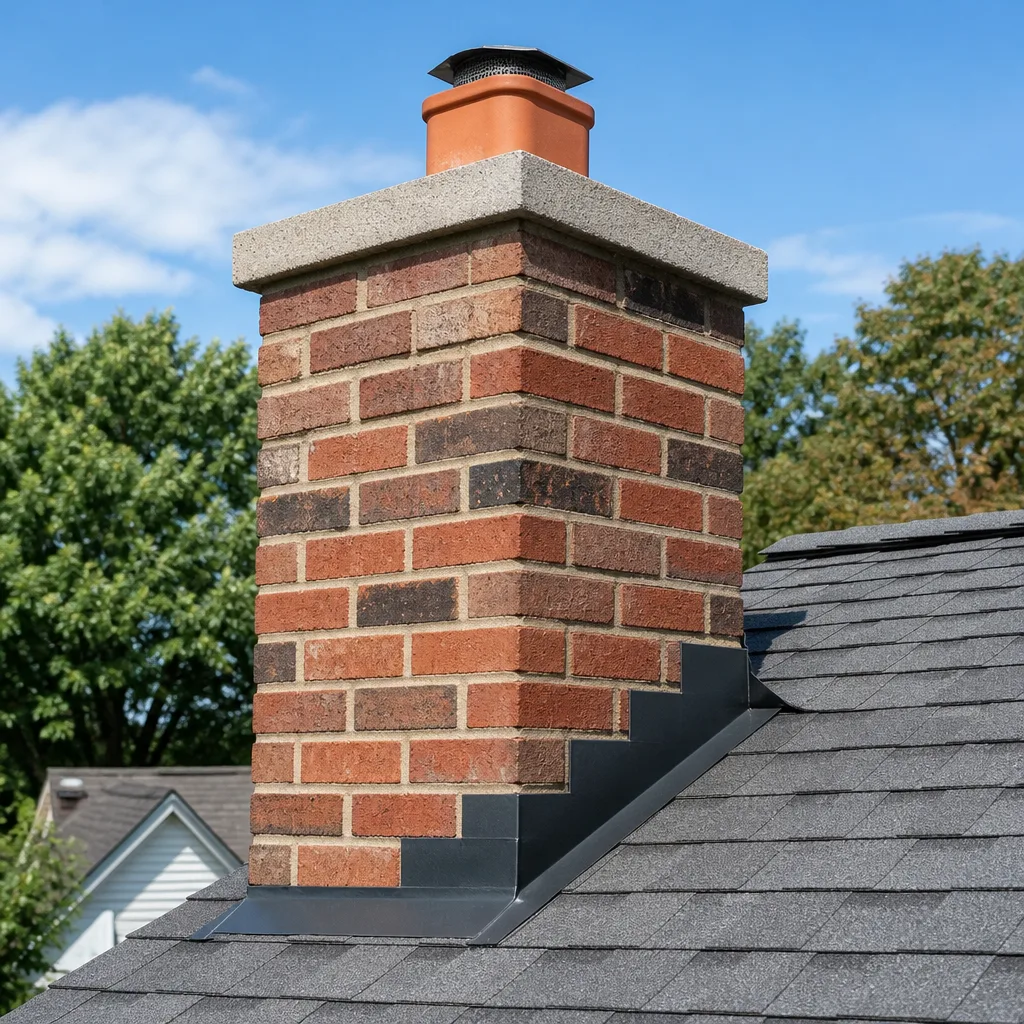 Masonry repair
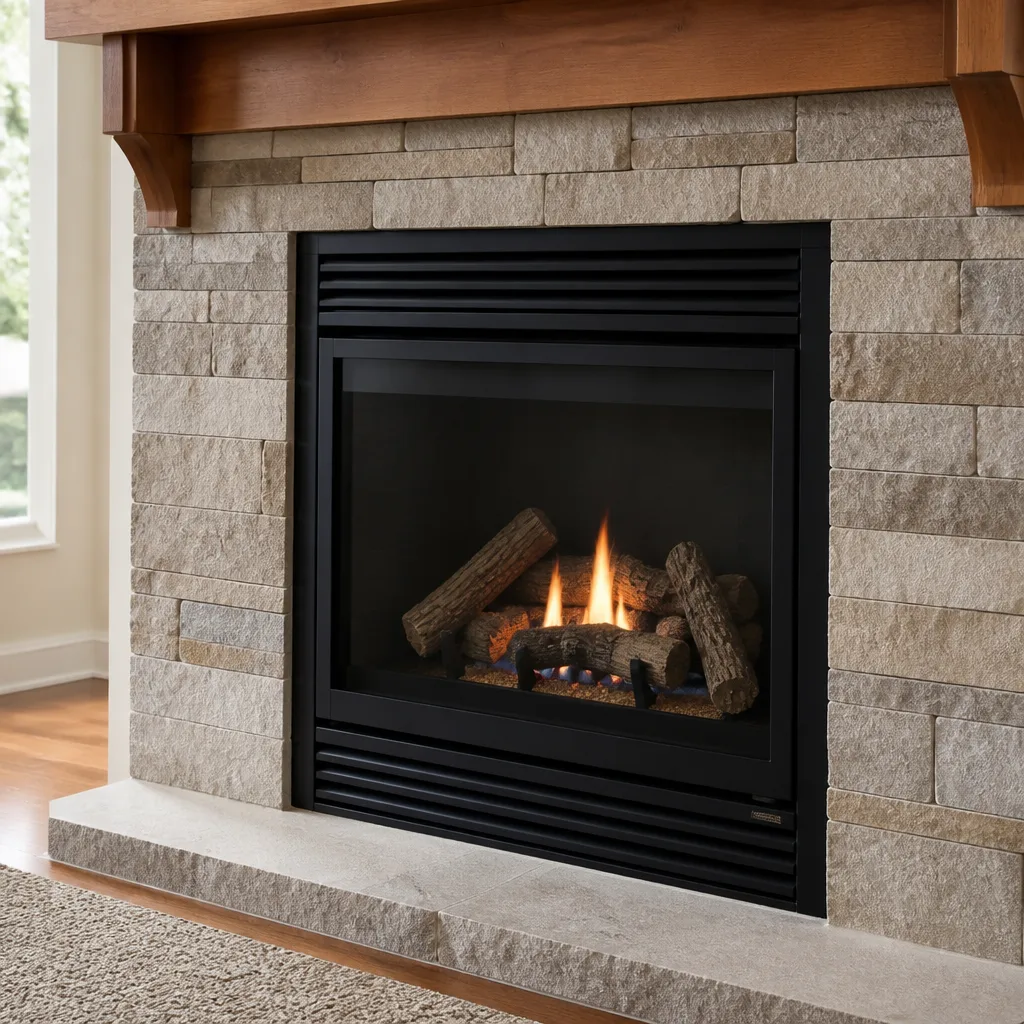 Gas fireplace service
Level 1 sweep and inspection to the NFPA 211 annual standard - flue, crown, cap, and flashing checked and photographed
Chimney sweep logs do not sweep chimneys. They loosen some creosote - which then falls where a brush and vacuum still have to collect it.
Chimney Cleaning Permits, Codes & Inspections in CA: What You Need to Know
Relining a chimney flue in California without a permit doesn’t just risk a fine. It can void a homeowner’s insurance coverage for fire damage if that liner is ever implicated in a claim. Most homeowners in El Cajon don’t discover this until they’re selling the house, filing an insurance claim, or standing in front of a code enforcement officer. This guide walks through which chimney jobs in California are permit-required, which are maintenance-only, what a real NFPA 211 inspection looks like, and how San Diego County’s local amendments change the rules. For a complete Chimney Sweep Maintenance Checklist for El Cajon Homeowners, see our companion resource. We’ll also cover how to pull inspection records for work done by a previous owner, because that paperwork matters more than most people think.
Quick Answer
Routine chimney sweeping and basic repointing are maintenance work and do not require a permit anywhere in California. Liner replacement, firebox rebuilds, and most gas insert installations are considered structural or appliance work and generally do require a permit through your local building department. In El Cajon, that means the City of El Cajon Building Division, which applies California Building Code with San Diego County amendments.
Styles & brands we work with
Table of Contents
- Which Chimney Jobs Need a Permit in California
- How San Diego County Amendments Change the Rules
- What an NFPA 211 Inspection Report Actually Is
- Gas Insert Installations: Different Rules Than Wood-Burning
- How to Pull Inspection Records for a Previous Owner’s Work
- Permits and Homeowners Insurance: What Gets Denied
- What Chimney Permits Cost in San Diego County
- Common Mistakes to Avoid
Which Chimney Jobs Need a Permit in California
California Building Code (CBC) treats chimneys as part of the building envelope. That means some work falls under “maintenance” and some falls under “alteration.” The line between them is specific, and it’s based on whether the work changes the structure, the venting system, or the appliance itself.
Here’s the breakdown as it applies in practice across California, including El Cajon:
Maintenance-Only Work (No Permit Required)
- Chimney sweeping – removing creosote and soot buildup from the flue. This is routine maintenance, the same category as cleaning gutters.
- Basic repointing – replacing deteriorated mortar joints in the exterior brickwork. As long as you’re not removing and rebuilding structural sections, this is maintenance.
- Chimney cap replacement – swapping a damaged cap for a new one. No structural change, no permit.
- Damper repair or replacement – restoring the existing damper mechanism. If you’re keeping the same type and location, it’s a repair, not an alteration.
- Smoke chamber parging – resurfacing the smoke chamber with refractory mortar. This is considered surface restoration, not structural alteration.
Permit-Required Work
- Flue liner replacement or relining – installing a new liner system, whether rigid stainless like DuraFlex or a resurfacing system like HeatShield, changes the venting characteristics of the chimney. California treats this as an alteration to a mechanical system. Permit required.
- Firebox rebuild – reconstructing the firebox walls or floor is structural masonry work. Permit required.
- Chimney rebuild – partial or full teardown and reconstruction of the chimney stack above the roofline. Permit required, plus an inspection.
- Gas insert installation – installing a gas-fired appliance into an existing fireplace changes the appliance type and venting method. Permit required in most cases, including El Cajon.
- Wood stove installation – any solid-fuel appliance installation or replacement requires a permit and an inspection.
- Adding or altering a chase cover – if the work involves modifying the chimney structure to accommodate a new chase or enclosure, it crosses into permit territory.
We’ve seen El Cajon homeowners get caught on the liner question more than any other. A homeowner buys a house, the inspector flags a deteriorated flue, and the seller says “I’ll have it relined.” The work gets done without a permit. Two years later, the buyer tries to sell and the unpermitted liner shows up on a disclosure form. Now it’s a negotiation problem, not just a code problem. The Chimney Repair in El Cajon process is easier when you know what triggers permit requirements before the work starts.
How San Diego County Amendments Change the Rules
California Building Code is the statewide baseline. But local jurisdictions can add amendments, and San Diego County has several that affect chimney and venting work. El Cajon, as an incorporated city, adopts the California codes with its own local amendments through the City of El Cajon Building Division.
What matters for chimney work specifically:
- Wildland-Urban Interface (WUI) requirements – much of San Diego County, including parts of El Cajon, is mapped in the WUI zone. That means chimneys serving solid-fuel appliances must have a spark arrestor with openings no larger than 1/2 inch. This is a California Building Code requirement (Section R1003.9.1), but San Diego County enforcement is particularly active because of fire history.
- Plan check requirements for appliance changes – when you change from wood-burning to gas, the county wants to see the venting calculations. A gas insert that’s not properly vented through the existing flue creates carbon monoxide risk. El Cajon inspectors check for listed venting components and proper termination height above the roofline.
- Seismic strapping for hearth appliances – freestanding wood stoves and pellet stoves require seismic anchorage in California. San Diego County inspectors verify this at every appliance inspection. It’s in CBC Section 1904, but local inspectors are known to enforce it strictly.
- Combustion air requirements – gas appliances draw air. If your firebox doesn’t have a dedicated combustion air intake, a county inspector may flag it during an appliance install. This is especially true in older El Cajon homes where fireplaces were built in the 1960s and 1970s with no outside air provisions.
In our experience with El Cajon properties, one of the most common chimney problems we troubleshoot is the spark arrestor requirement, which catches more people than anything else. A homeowner schedules a chimney sweep, and during the inspection we find a missing or damaged spark arrestor. It’s a simple fix using components from Gelco or Famco, both of which make listed caps and arrestors. But it’s also the most common WUI code violation on chimneys in this part of the county.
What an NFPA 211 Inspection Report Actually Is
NFPA 211 is the National Fire Protection Association standard for chimneys, fireplaces, vents, and solid-fuel-burning appliances. When someone says “I need an NFPA 211 inspection,” they’re asking for a Level 1 or Level 2 chimney inspection performed to the standard’s specifications.
Here’s what the standard actually defines:
- Level 1 inspection – a visual check of the readily accessible areas of the chimney, including the exterior, the firebox, the damper, and the visible portion of the flue. This is what happens during a routine sweep. No special tools, no access panels removed.
- Level 2 inspection – everything in Level 1 plus access to accessible attics, crawl spaces, and basements, plus a video scan of the flue interior. Level 2 is required when you’re selling a home, after a chimney fire, after an earthquake, or when changing the appliance type (like switching from wood to gas).
- Level 3 inspection – a Level 2 inspection plus removal of building components to access concealed areas. This is rare and only happens when a Level 2 finds something that requires destructive access to evaluate.
When is an NFPA 211 report actually required?
- Real estate transactions – most home inspectors in San Diego County are not chimney specialists. When a home inspector flags a chimney concern, the buyer’s agent typically requests a Level 2 inspection from a qualified chimney professional. The report becomes part of the transaction file.
- Insurance claims – if you file a claim related to a chimney fire, the insurance company will ask for the inspection history. A Level 2 inspection report with video documentation shows the condition of the flue at the time of inspection. Without it, the claim process gets harder.
- Appliance installation – when you install a new wood stove or gas insert, the installer needs to verify the existing chimney is suitable. A Level 2 report with a camera scan is the standard way to document that.
A proper NFPA 211 inspection report includes photos, video stills, flue dimensions, material condition, creosote buildup levels, and specific recommendations. A one-page checklist that says “chimney looks okay” is not an NFPA 211 inspection report. We video-scan every flue we inspect in El Cajon, and the images go in the report. The standard doesn’t require a video scan for Level 1, but for Level 2 it’s the industry norm.
Gas Insert Installations: Different Rules Than Wood-Burning
Gas inserts are a different regulatory animal than wood-burning fireplaces. The code sections change, the clearances change, and the venting requirements change.
Here’s what applies in California and El Cajon specifically:
- Listed appliance requirement – CBC Section 910 requires gas-fired decorative appliances and inserts to be listed (tested to an ANSI standard). An unlisted gas insert is not code-compliant to install, period.
- Venting method – most modern gas inserts use a direct-vent or co-linear venting system that runs through the existing chimney. The liner kit must be listed for the specific appliance. This is where professional-grade liner systems matter. DuraFlex makes co-linear aluminum and stainless liners built for gas insert applications. The liner must be properly sized, properly terminated, and properly connected to the appliance. County inspectors verify this at the final inspection.
- Existing flue condition – if the existing chimney flue is deteriorated, installing a gas insert without addressing the flue is a code violation and a safety problem. Gas inserts produce acidic condensate that can eat through an already-damaged clay tile flue. A proper installation includes a liner system that isolates the exhaust from the original flue.
- Combustion air – direct-vent gas inserts pull combustion air from outside through the vent system, which is why they don’t need a visible combustion air vent in the firebox. But this only works if the vent termination has adequate clearance from windows, doors, and other openings. CBC specifies minimum clearances, and county inspectors check them.
- Damper modification – in most gas insert installations, the existing damper must be removed or permanently locked in the open position. This is a code requirement, not a suggestion, and inspectors look for it.
- Carbon monoxide detectors – California requires carbon monoxide detectors in all dwelling units with gas appliances. When you add a gas insert, you’re adding a gas appliance, which means CO detectors become mandatory in the home if they weren’t already present.
The permit path for a gas insert in El Cajon goes through the City of El Cajon Building Division. You’ll need a mechanical permit, an appliance listing document, a venting diagram, and a final inspection. The whole process typically takes 2-4 weeks including plan review. It’s not a same-day job on the permit side, even if the physical installation takes one afternoon.
If you’re considering a gas insert and want to know whether your existing chimney can accept one, start with a Level 2 inspection. The Acorn Chimney Sweep home page outlines what a full-system assessment covers before any equipment is ordered or any permit is pulled.
How to Pull Inspection Records for a Previous Owner’s Work
This is the section most guides skip, and it’s the one that matters when you’re buying or selling a home in El Cajon.
Unpermitted chimney work is common. A homeowner relines a flue in 2019 without a permit, sells the house in 2022, and the buyer has no idea the liner was never inspected. Now it’s 2026, and the liner needs attention, or the buyer is trying to sell again and the title report flags a missing permit for the chimney work. This happens regularly.
Here’s how to find out what’s on record:
- Start with the City of El Cajon Building Division – they maintain permit records by address. You can request a property file review in person or through their online portal. The address and parcel number (APN) will get you started.
- Request permit history specifically – don’t ask for a general search. Ask for all permits issued for the property address, including mechanical permits, electrical permits, and building permits. Chimney liner work would typically fall under a mechanical permit.
- Check for final inspections – a permit that was pulled but never finaled is almost as problematic as no permit at all. The record will show “permit issued” and “final inspection: not completed.” An open permit can cloud a title and complicate a sale.
- Request inspection records from the County – for some older homes in the El Cajon area, records may be held by San Diego County Planning & Development Services if the work predates city incorporation or was done in an unincorporated pocket. The county has its own record request process, and it’s slower than the city’s.
- Check with the California Contractors State License Board (CSLB) – if you know the contractor’s name or license number, you can verify whether the contractor pulled permits for the job address. A legitimate contractor pulls permits in their own name or confirms the homeowner is pulling them as owner-builder.
Why does this history matter? Because when you go to sell, California real estate disclosure requirements include knowledge of unpermitted work. If you know the chimney work was unpermitted and don’t disclose it, you’ve created a liability. If you don’t know, but it’s easily discoverable through the city, a buyer’s attorney can argue you should have known. The safest position is to know exactly what’s on record before you list.
For El Cajon homeowners who’ve recently bought a property, we recommend pulling the permit history as part of your first chimney inspection. It tells us what was supposed to have been done, and the inspection itself tells us what was actually done. The two don’t always match.
Permits and Homeowners Insurance: What Gets Denied
Insurance companies don’t need a reason to deny a claim, but unpermitted work is one of the most common ones they use. The logic is straightforward: if the work was never inspected, the insurance company can argue the homeowner can’t prove the system was functioning safely before the incident.
Here’s what actually happens in chimney-related claims:
- Chimney fire claims – if the flue liner was replaced without a permit and a chimney fire occurs, the adjuster will ask for the permit and inspection records for the liner. If you can’t produce them, the claim gets scrutinized more heavily. In some cases, coverage is denied outright because the unpermitted alteration is considered a material misrepresentation of the home’s condition.
- Carbon monoxide claims – if a gas insert was installed without a permit and CO levels exceed safe limits, the insurance company can point to the unpermitted appliance installation as a contributing factor. This is especially true in California, where CO detector laws are well established.
- Structural damage claims – if a chimney collapses during a seismic event and the firebox was rebuilt without a permit, the structural integrity of the work is in question. Insurance companies will use the missing inspection to argue the damage was pre-existing or worsened by substandard work.
- Water damage claims – unpermitted chase cover modifications or flashing work that leads to water intrusion can also trigger coverage questions. The permit record is the paper trail that validates the work was done to code.
The practical takeaway: if you’re doing work that requires a permit, pull the permit. It costs a few hundred dollars and protects a claim worth tens of thousands. If you’re buying a home, verify the permit history before closing. If the seller can’t produce documentation, ask for a Level 2 inspection to establish the current condition of the system.
We’ve worked with El Cajon homeowners who inherited unpermitted liner work from a previous owner and had to navigate the disclosure and insurance implications. The fix is usually manageable: get the system inspected now, document the current condition, and if repairs are needed, permit them properly. It’s a paperwork headache, but it’s fixable. The alternative (discovering the problem during a claim) is far worse.
What Chimney Permits Cost in San Diego County
Permit costs vary by jurisdiction, but here’s a realistic range for El Cajon and the surrounding county areas based on typical fee schedules:
| Work Type | Typical Permit Cost | Notes |
|---|---|---|
| Mechanical permit (liner replacement) | $120 – $250 | Includes plan review and one inspection |
| Building permit (firebox rebuild) | $200 – $450 | May require structural review |
| Mechanical permit (gas insert install) | $150 – $350 | Includes appliance and venting inspection |
| Re-inspection fee (if you fail first inspection) | $80 – $150 | Varies by jurisdiction |
These are ballpark figures. The City of El Cajon publishes a fee schedule that changes periodically, and the exact cost depends on the scope and valuation of the work. A quick call to the Building Division with the work description gets you a firm estimate before any work starts.
The permit fee is a small fraction of what the work itself costs. A liner replacement might run several thousand dollars depending on the flue length and liner system used. HeatShield resurfacing or a DuraFlex liner install are both professional-grade solutions, but the choice between them depends on the specific condition of your flue. The permit is the bureaucratic layer that makes the work legitimate, and it’s worth the cost.
If you’re in the El Cajon area and want a professional assessment before pulling permits, Chimney Sweep in El Cajon services include the Level 2 video inspection that gives you the documentation you need to make an informed decision with the building department.
Common Mistakes to Avoid
- Sketchy “no permit” bids – a contractor who suggests skipping the permit to save money is asking you to assume the legal and insurance risk. The permit fee is the cheapest part of the job. If a contractor in El Cajon offers a low bid, ask whether it includes permits. If it doesn’t, the savings are coming from somewhere.
- Treating a gas insert like a wood-burning update – switching from wood to gas is an appliance installation, not a maintenance item. The venting, the clearances, the CO detector requirements, and the inspection process are all different.
- Assuming the home inspector checked the chimney – home inspectors do a limited visual check, not a full chimney inspection. We routinely follow up home inspections with Level 2 chimney scans and find issues the home inspector never flagged. It’s not a knock on home inspectors; it’s a scope-of-work difference.
- Only sweeping before the first fire of the season – annual sweeping is good, but after a chimney fire, an earthquake, or a change in appliance type, you need a Level 2 inspection, not just a sweep. San Diego County has had several moderate earthquakes in the last two decades. Flue damage from seismic movement is a real concern in El Cajon.
- Ignoring the spark arrestor – if you live in a WUI zone, and much of San Diego County qualifies, a missing or damaged spark arrestor is a code violation and a fire risk. It’s a sub-$200 fix in most cases, and it’s the first thing a county inspector checks.
- Not pulling inspection records before buying – knowing whether the chimney work was permitted affects the price you should pay and the risk you’re assuming. It takes an hour to request the records and could save you a five-figure surprise.
See the difference
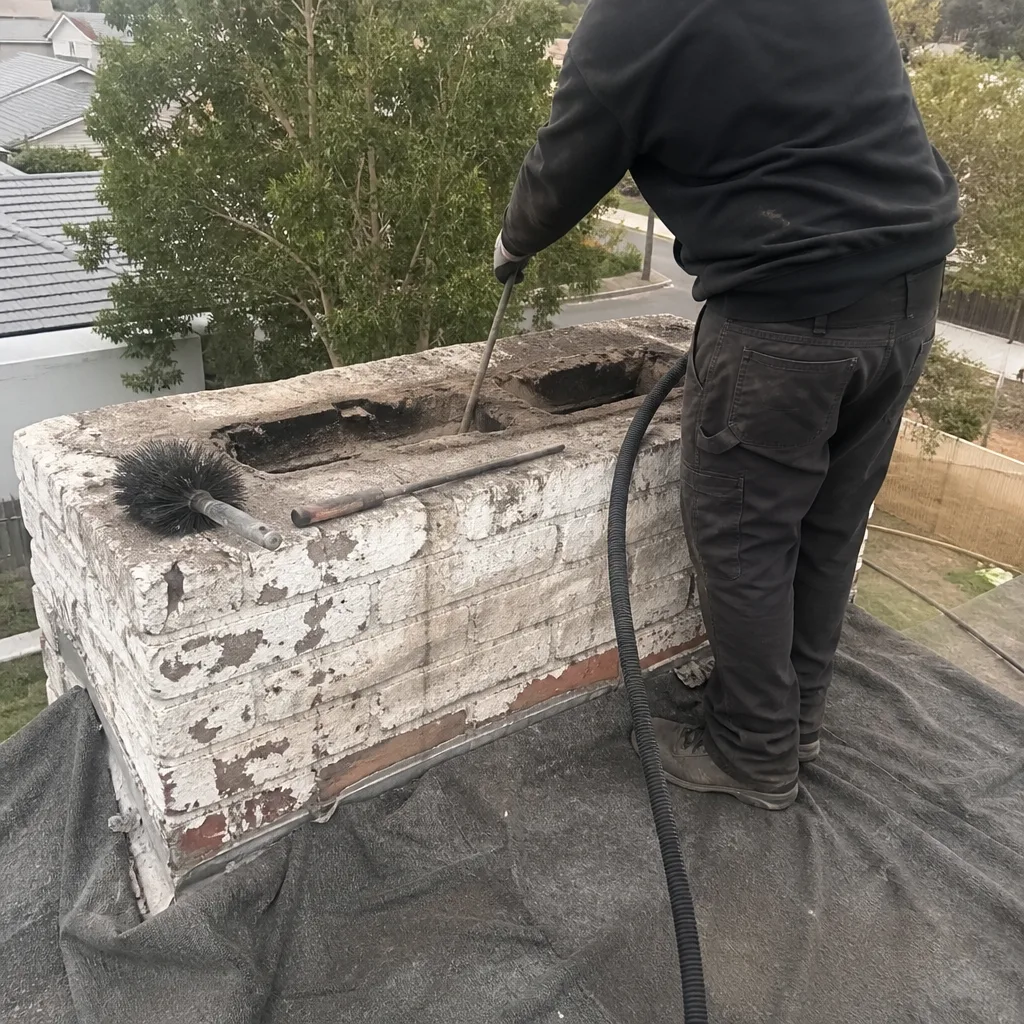 Before
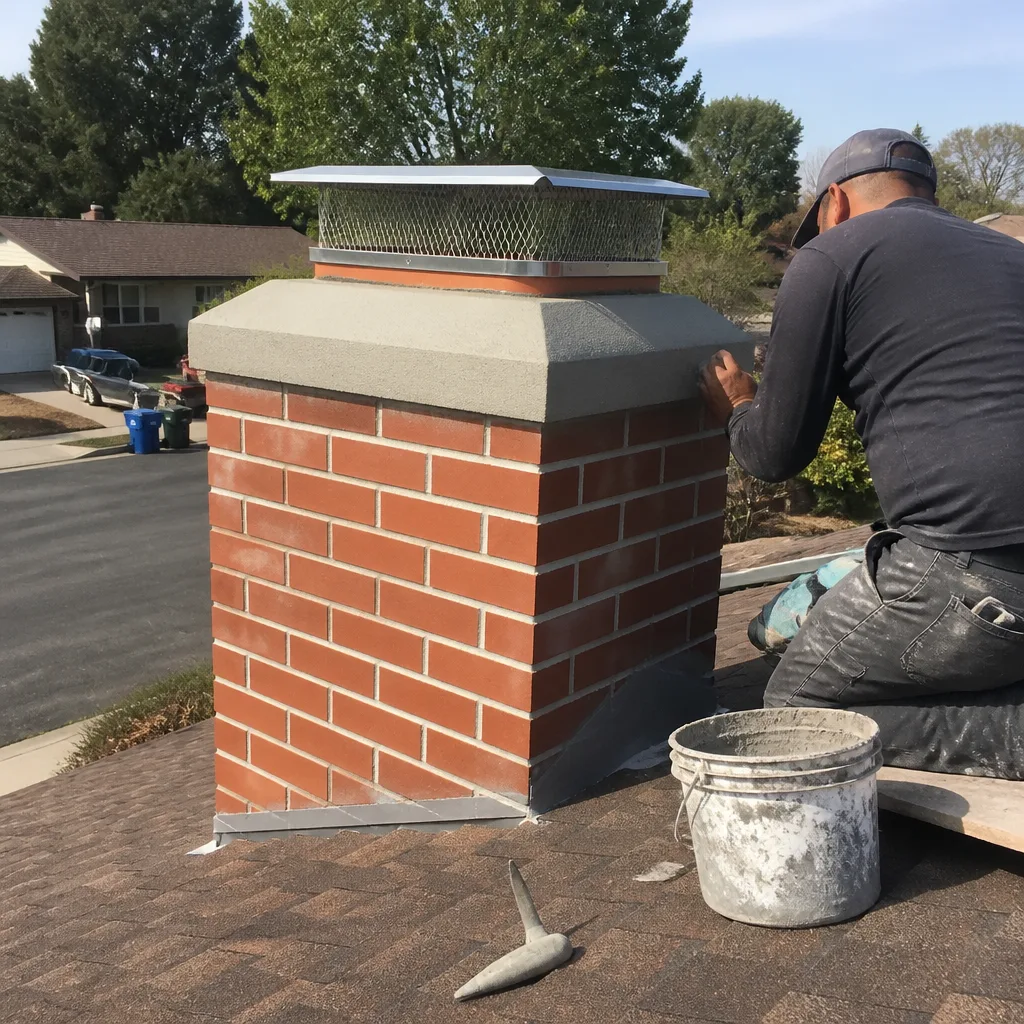 After
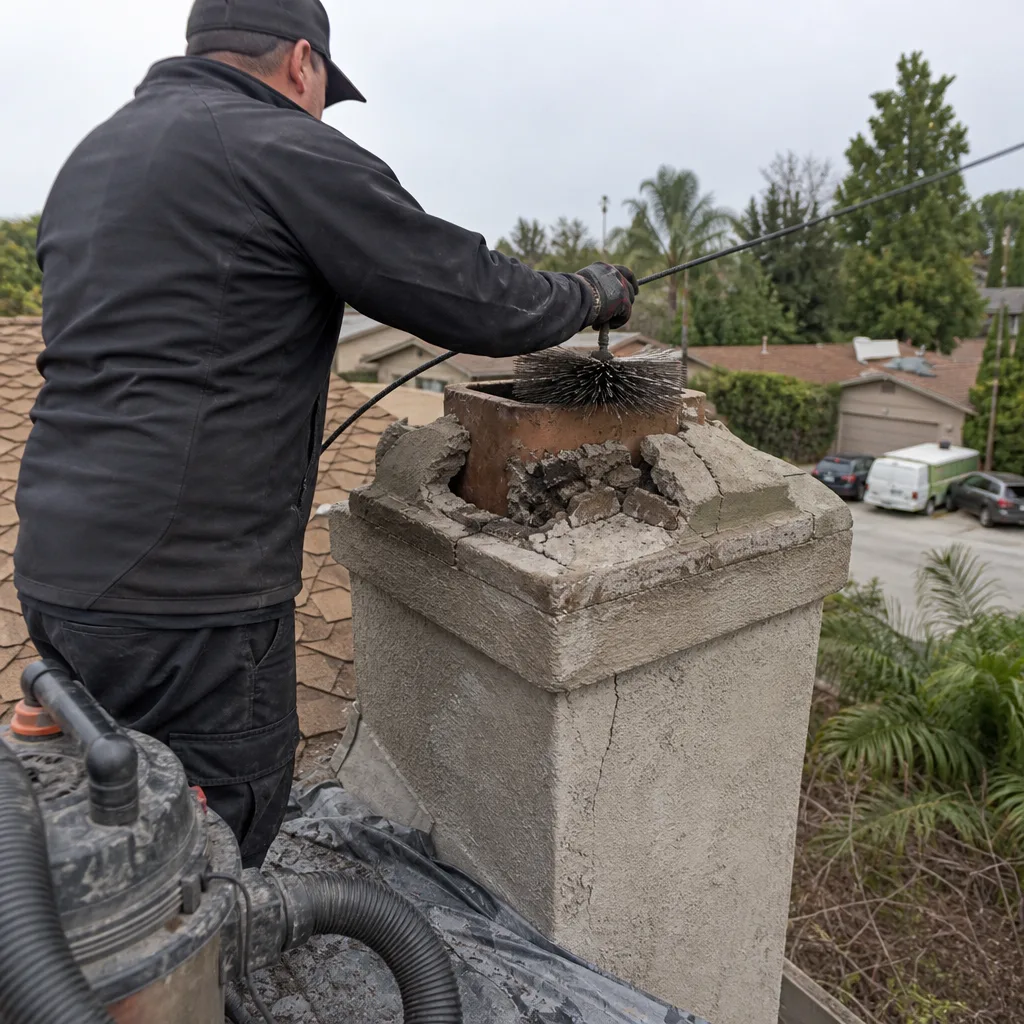 Before
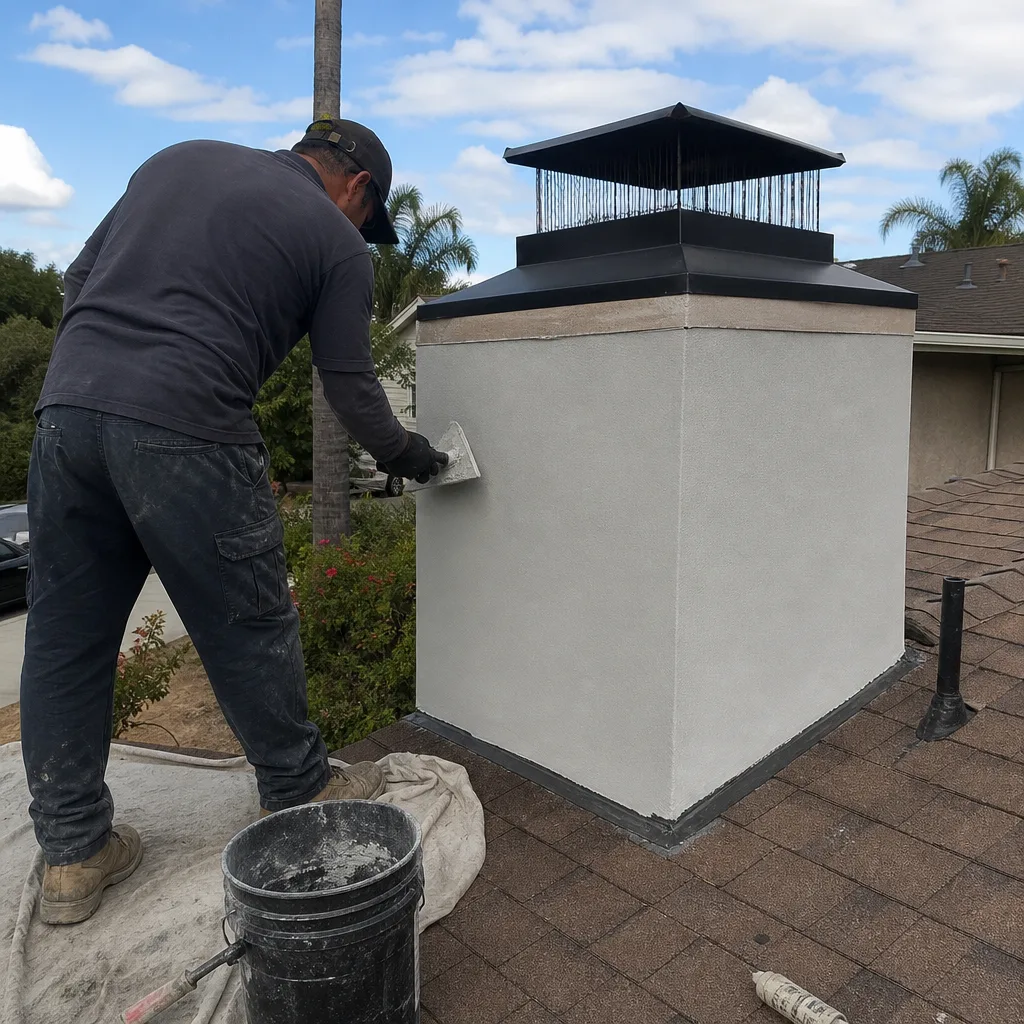 After
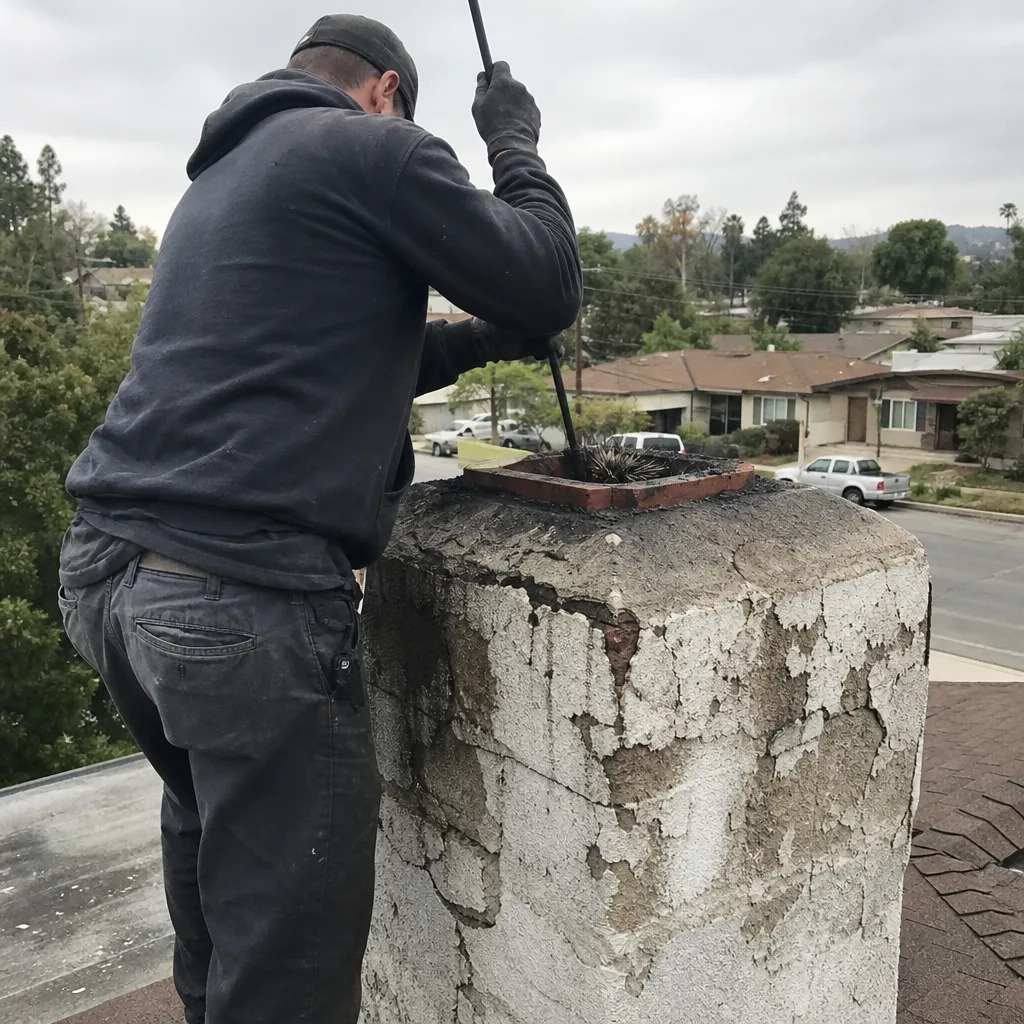 Before
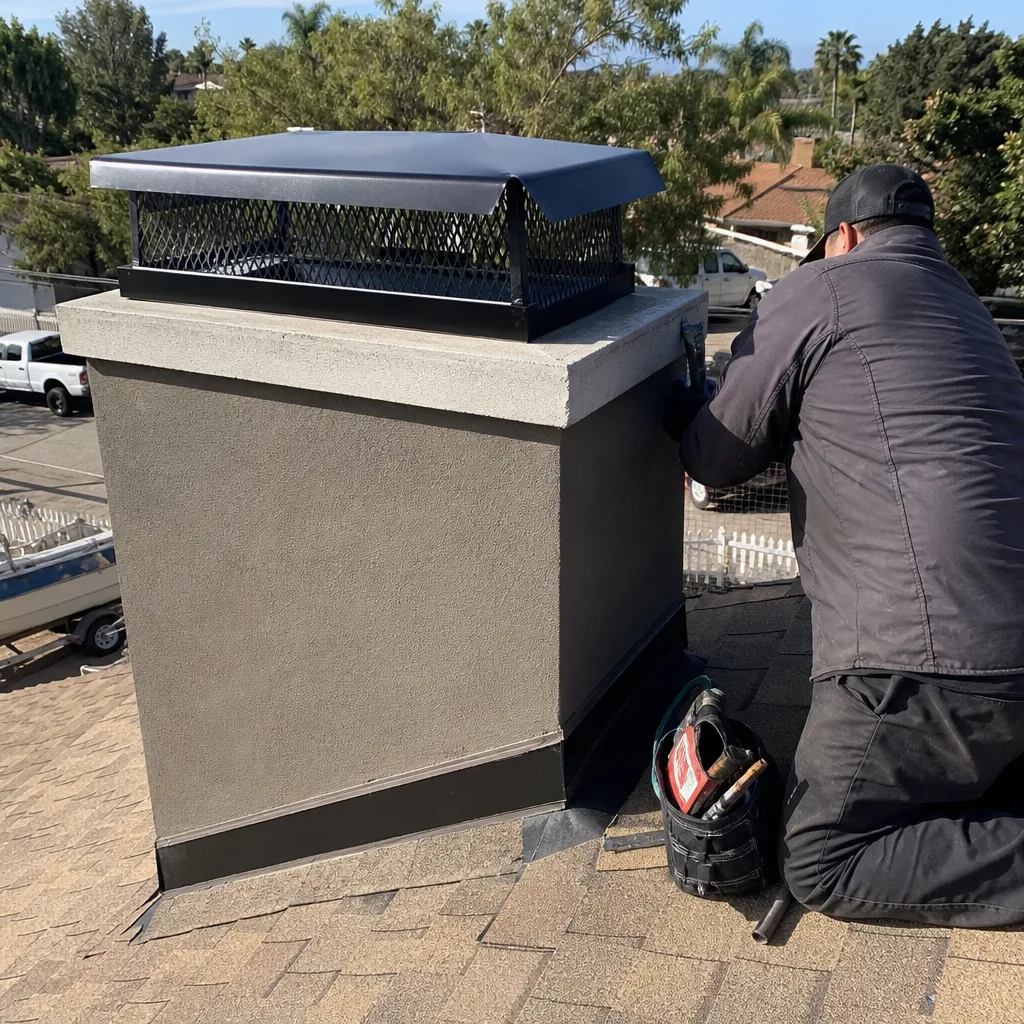 After
When to Call a Professional
Some chimney maintenance is genuinely DIY-appropriate: checking the damper, looking for visible masonry cracks, keeping the hearth area clear. For Chimney Cleaning Warning Signs: A El Cajon Homeowner’s Reference Guide, check when it’s time to call a pro. But the line is clear. If you have creosote buildup you can’t see, a flue you can’t access, a venting system that’s been modified, or an appliance change on the horizon, you need a professional with the right equipment and the right understanding of local code requirements.
Call for a professional inspection if you’ve just bought a home and don’t know the chimney’s history, if you’ve experienced a chimney fire or a nearby earthquake, if you’re switching from wood to gas, or if you see signs of water damage or masonry deterioration. We use camera-based inspection equipment to document what’s actually inside the flue, and we work with the professional-grade materials from brands like HeatShield, Gelco, Olympia Chimney, and Famco when repairs are needed. Dryer Vent Cleaning in El Cajon is also a core service, because dryer vents are a fire risk that’s often overlooked. Chimney Repair in El Cajon means one company can diagnose and fix problems without sending you to a second contractor. Acorn Chimney Sweep offers free estimates in El Cajon – call (844) 510-0293.
Frequently Asked Questions
No. Chimney sweeping is classified as routine maintenance, the same category as gutter cleaning or HVAC filter replacement. No permit is required anywhere in California, including El Cajon. Sweeping should be done annually for a wood-burning fireplace that sees regular use during the season, and it’s a fast way to confirm the flue is in good condition before burning season starts. Call (844) 510-0293 to schedule a sweep and a basic Level 1 inspection.
Yes, in almost all cases. Flue liner replacement or relining is considered an alteration to a mechanical venting system under California Building Code, which requires a mechanical permit through the City of El Cajon Building Division. Whether the job uses a HeatShield resurfacing system or a DuraFlex stainless steel liner, the permit requirement is the same. The permit ensures the installation is inspected and code-compliant, which protects your insurance position. Call (844) 510-0293 for an assessment and permit guidance.
A Level 1 inspection is a visual check of accessible areas (the exterior, firebox, damper, and visible flue) and is appropriate for a chimney that’s been used regularly with no changes. A Level 2 inspection adds a video scan of the flue interior and access to attics and crawl spaces, and it’s required for real estate transactions, after a chimney fire, after seismic events, or before changing appliance types. In El Cajon, where chimney homes range from 1950s ranches to 1980s builds, a Level 2 inspection is the right starting point for any home with an unknown chimney history.
No. Installing a gas insert is an appliance installation, not a conversion you can do without involving the building department. The mechanical permit covers the venting system, the appliance listing, the clearance requirements, and the final inspection. California also requires carbon monoxide detectors in homes with gas appliances. Skipping the permit for a gas insert creates a problem at resale and can affect insurance coverage. If you’re considering a gas insert in El Cajon, start with a Level 2 inspection to confirm your existing chimney can support the venting.
A Level 1 inspection in the El Cajon area typically runs $150 – $300, often bundled with a sweeping service. A Level 2 inspection with a video scan typically runs $350 – $600 depending on access, roof pitch, and whether the inspection is standalone or paired with other services. The cost of the inspection is small compared to the cost of a liner replacement or firebox rebuild that gets discovered too late. Estimates are free – call (844) 510-0293 for an exact quote for your home.
Yes, for solid-fuel-burning chimneys in Wildland-Urban Interface zones, which cover substantial portions of San Diego County including parts of El Cajon. California Building Code Section R1003.9.1 requires spark arrestors with openings no larger than 1/2 inch on chimneys serving fireplaces, wood stoves, or pellet stoves in WUI areas. County and city inspectors enforce this requirement, and it’s a common correction item. If your cap or arrestor is missing or damaged, we stock and install listed components from Gelco and Famco and can handle the replacement during a standard sweep visit.
The Bottom Line
Most chimney maintenance in California doesn’t need a permit. Sweeping, repointing, cap replacement: all maintenance. Liner work, firebox rebuilds, and gas insert installs: permit-required. The permit isn’t bureaucratic overhead; it’s the paper trail that protects your insurance position and your resale value. If you’re in El Cajon, the City of El Cajon Building Division is where you pull records and permits, and San Diego County amendments add WUI spark arrestor rules and strict venting requirements on top of California Building Code. Before any work starts, get an NFPA 211 inspection with video documentation. If you’re unsure whether a job needs a permit, call the building department. If you’re unsure what your chimney actually needs, call us or browse more guides & resources.
Written by the team at Acorn Chimney Sweep, serving El Cajon since 2015. Full-system chimney care – sweep, repair, and reline in one call. Call (844) 510-0293 for a free estimate.