
Last updated October 30, 2026
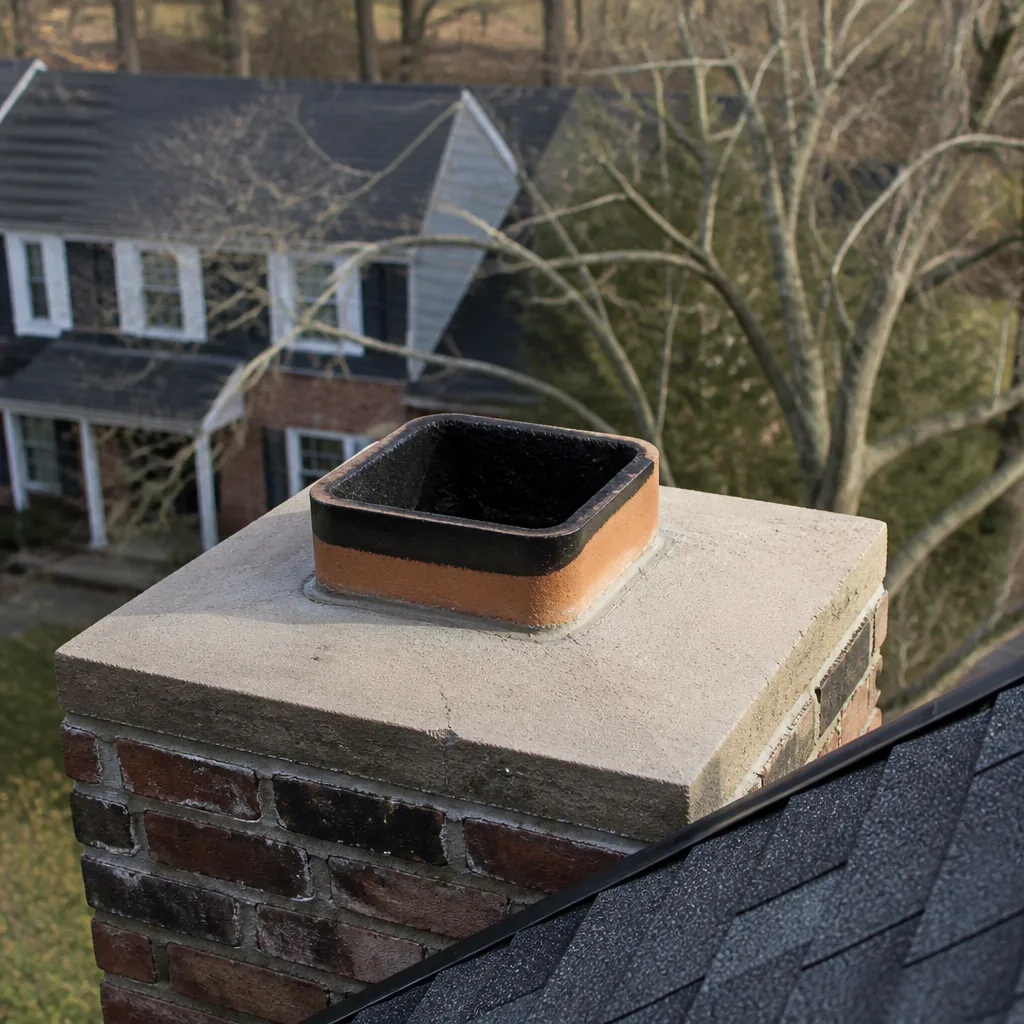 Sweep & inspection
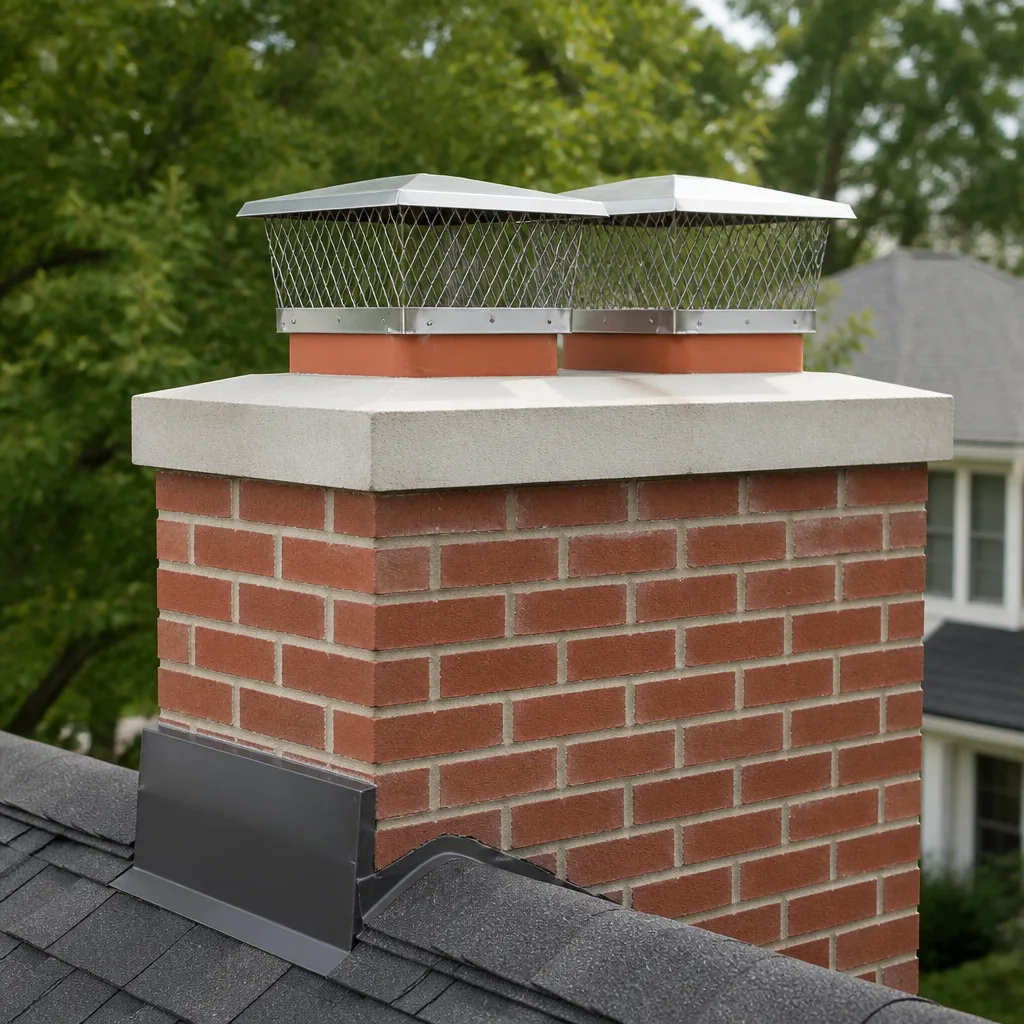 Caps & crowns
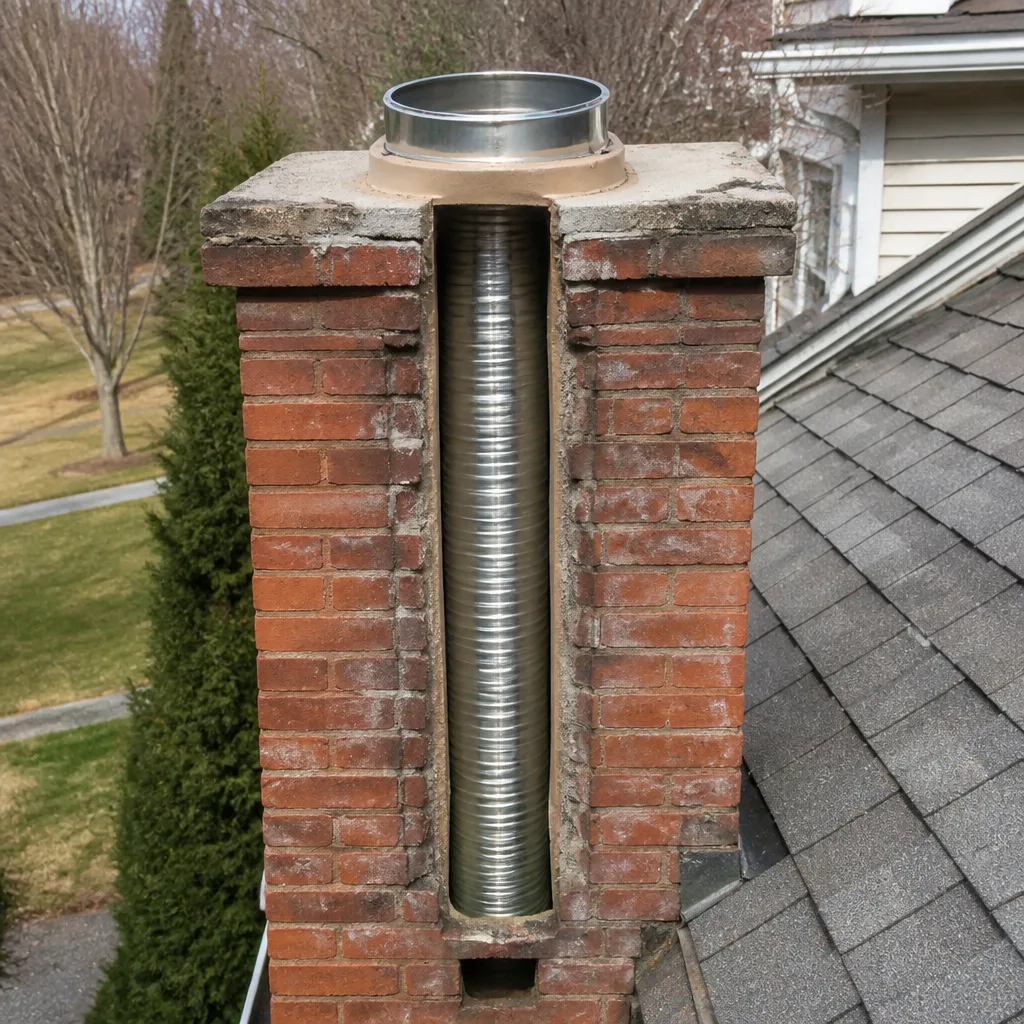 Flue relining
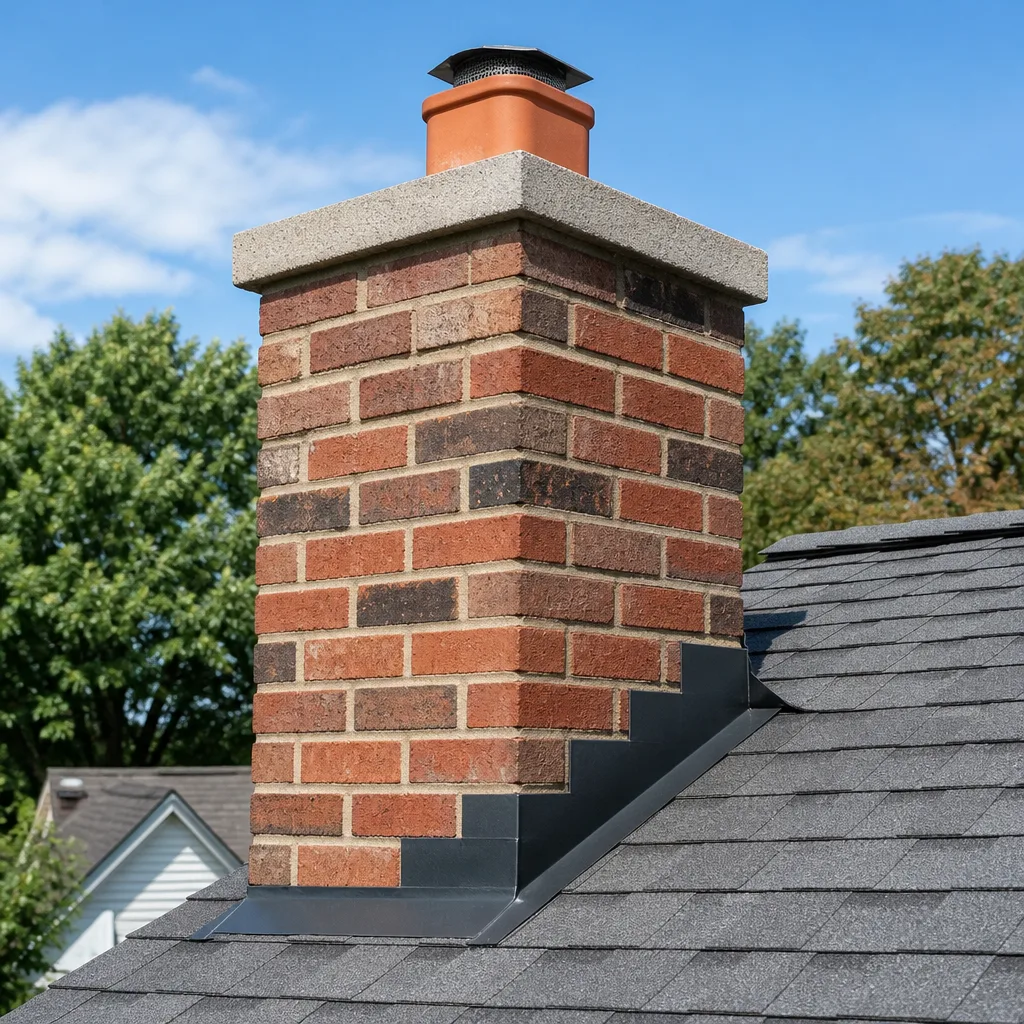 Masonry repair
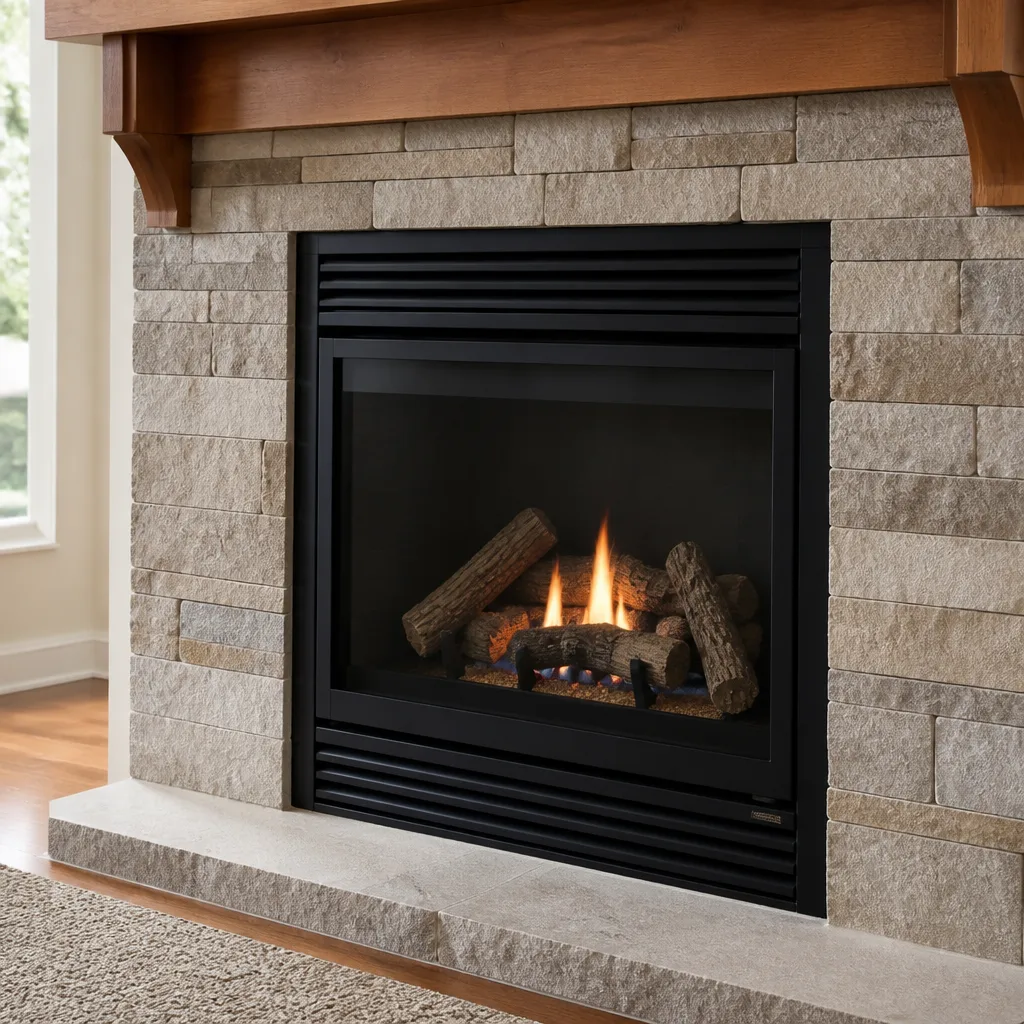 Gas fireplace service
Level 1 sweep and inspection to the NFPA 211 annual standard - flue, crown, cap, and flashing checked and photographed
Chimney sweep logs do not sweep chimneys. They loosen some creosote - which then falls where a brush and vacuum still have to collect it.
The Complete Guide to Chimney Cleaning in El Cajon
Most chimney fires in El Cajon don’t start because a homeowner skipped cleaning. They start because the cleaning was done without recognizing what stage of creosote had accumulated. Stage 1 creosote brushes off with standard tools. Stage 3 creosote does not budge without mechanical removal or chemical treatment, and brushing it just polishes the surface while leaving the fuel intact. This guide explains the full chimney cleaning process as it actually applies to El Cajon’s dry, wind-driven climate, where Santa Ana conditions change how debris collects and how creosote cures inside your flue. For more guides & resources, see our blog. You’ll learn what your chimney collects, why it collects differently here than at the coast, and exactly what should happen during a proper sweep and inspection.
Quick Answer
Chimney cleaning in El Cajon means removing creosote, soot, and wind-driven debris from your flue, smoke chamber, and firebox, then inspecting the entire system for damage. A proper cleaning should take 45 to 90 minutes and include a condition report on your liner, mortar joints, damper, and chimney cap. Because El Cajon’s dry climate and Santa Ana winds accelerate creosote hardening and push more outdoor debris into flues than coastal areas, annual inspection and cleaning is the minimum recommended interval for wood-burning fireplaces and stoves in this region.
Styles & brands we work with
Table of Contents
- What Chimney Cleaning Actually Involves
- The Three Stages of Creosote and Why They Matter
- How El Cajon’s Climate Affects Your Chimney Differently
- What a Full-System Inspection Covers Beyond the Flue
- How to Read a Level 1 vs Level 2 Inspection Report
- Why Cleaning and Repair Belong in the Same Visit
- Dryer Vents: The Overlooked Fire Risk in El Cajon Homes
- How Often Should You Clean Your Chimney in El Cajon?
What Chimney Cleaning Actually Involves
A real chimney cleaning is not running a brush up and down the flue and calling it done. The process starts with protecting the living space: drop cloths around the firebox, a vacuum with HEPA filtration running continuously, and the damper area sealed off so soot never enters your home. From there, the sweep works systematically from the flue downward, removing deposits at every level of the system.
The sequence matters. Flue first, then smoke chamber, then firebox, then damper. Each area accumulates different types of residue and requires different tools. The flue collects creosote from combustion gases condensing on the cooler walls of the chimney. The smoke chamber, that angled transition area above the firebox, is notorious for thick, baked-on creosote because smoke slows and swirls there before exiting. The firebox collects ash and partially burned wood remnants. The damper collects everything above it when it leaks.
Here is the standard cleaning sequence a professional follows in El Cajon:
- Interior protection setup – drop cloths, HEPA vacuum, and flue sealing to contain debris.
- Flue cleaning – brush size matched to the exact flue dimensions, swept from top or bottom depending on chimney access and roof pitch.
- Smoke chamber cleaning – hand scraping and wire brushing in the angled area above the firebox where creosote hides thick.
- Firebox and damper cleaning – ash removal, damper inspection, and surface cleaning of the firebox walls.
- Post-sweep visual inspection – a condition check of the liner, mortar joints, crown, and cap while the interior is clean and visible.
- Debris removal and site cleanup – all material bagged and removed, living space left as it was found.
In our experience, homes in El Cajon neighborhoods with mature landscaping or open exposure to the east often have additional debris that coastal homes rarely see. Leaves, small branches, and even bird nesting material end up on top of the chimney cap or inside the flue after wind events. A thorough sweep includes clearing the cap area and checking the spark arrestor screen for blockages that can force smoke back into the house.
The Three Stages of Creosote and Why They Matter
Creosote is not one substance. It forms in stages as combustion byproducts condense and cure on the inside of your chimney. The stage present in your flue determines the cleaning method required, and trying to brush Stage 3 creosote with Stage 1 tools wastes your time and leaves a fire hazard in place.
Stage 1: Flaky soot. This is the earliest form. It appears as a fine, dusty, dark coating that brushes off easily with a standard wire brush. Stage 1 is what most homes have when they’ve been cleaned within the last year and burn dry, well-seasoned wood. A standard sweep handles it completely.
Stage 2: Baked-on creosote. At this stage, the creosote has hardened into shiny black flakes or a brittle, tar-like crust. It resists a standard brush and often requires more aggressive rotary cleaning tools with steel cable or chain heads. Stage 2 is common in El Cajon because the dry air cures creosote faster than humid coastal conditions.
Stage 3: Glazed creosote. This is the dangerous one. Stage 3 creosote is a hard, glossy, tar-like layer that has essentially become a fuel coating on the flue walls. It can ignite at relatively low temperatures and burns hot enough to crack flue liners. Mechanical removal with specialized tools is mandatory, and in severe cases, chemical treatment or professional removal of the glazed layer is required before the chimney can be used safely. A standard brush does nothing to Stage 3 except polish it.
The takeaway: you cannot know what stage of creosote is in your chimney without looking. That is the entire point of an inspection being part of the cleaning visit. Guessing is how chimney fires happen.
How El Cajon’s Climate Affects Your Chimney Differently
El Cajon sits in an inland valley with a semi-arid climate that behaves unlike both coastal San Diego and the mountain communities to the east. The average humidity here runs lower than coastal areas, and the temperature swings between day and night are wider. Both of these factors change how creosote forms and how debris behaves in your chimney.
Creosote cures faster in dry air. When combustion gases cool and condense inside your flue, the moisture content of those deposits evaporates more quickly in El Cajon’s dry conditions. The result is that Stage 1 creosote transitions to Stage 2, and Stage 2 transitions to Stage 3, faster than in humid coastal environments. A homeowner in La Jolla might go years before seeing glazed creosote. The same homeowner in El Cajon could develop it in two seasons of regular burning.
Santa Ana wind events add another layer. These offshore winds, most common from September through December, push dust, leaves, and small debris horizontally across the valley. Chimney caps without proper spark arrestor screens collect this material. Flues with damaged or missing caps take on even more. We have opened flues after a Santa Ana stretch and found several inches of wind-packed debris sitting on top of the damper. That debris is dry, and it sits directly above the firebox. It only needs one hot ember to ignite.
The wind also creates negative pressure situations around some homes. When wind moves across a chimney cap at certain angles, it can create a downdraft that pushes smoke and carbon monoxide back into the living space. El Cajon homes on east-facing slopes or with chimneys on the windward side of the roofline are more prone to this. A proper inspection includes checking the cap design and flue height relative to the roofline to identify downdraft risk before it becomes a problem.
In practical terms, El Cajon homeowners should treat chimney maintenance as a more frequent priority than the generic once-per-year advice would suggest for other regions. The climate here does not do you any favors.
What a Full-System Inspection Covers Beyond the Flue
The flue gets most of the attention because that is where chimney fires start. But a chimney is a system, and every component affects how the system performs. A proper cleaning visit in El Cajon includes a condition check on the parts you never see.
- Firebox: The brick or refractory panel area where the fire burns. Look for cracked panels, crumbling mortar joints, and gaps behind the fireback that could allow heat to reach combustible framing.
- Smoke chamber: The angled area above the firebox. Check for creosote accumulation, cracked parging, and rough surfaces that trap debris. A smooth, properly parged smoke chamber drafts better and collects less creosote.
- Damper: The metal plate that seals the firebox from the flue when the fireplace is not in use. A warped or rusted damper wastes conditioned air year-round and can fail to seal properly when closed.
- Flue liner: The inner surface of the chimney that contains combustion gases and insulates the surrounding structure. Cracked or spalled clay tiles, or gaps in a metal liner, are the most serious findings on a chimney inspection.
- Chimney crown: The concrete or mortar cap at the top of the chimney. Hairline cracks let water in, and water is what destroys mortar joints and creates the freeze-thaw damage that El Cajon’s occasional winter temperature dips can trigger.
- Chimney cap and spark arrestor: The metal cover that keeps rain, animals, and debris out. A missing or damaged cap is a direct entry point for the wind-driven debris this area sees every fall.
Every one of these items has a failure mode that affects either fire safety, carbon monoxide risk, or structural water damage. The flue gets cleaned. The system gets inspected. A sweep that only addresses the flue is doing half the job.
How to Read a Level 1 vs Level 2 Inspection Report
The National Fire Protection Association defines three levels of chimney inspection. Understanding the difference between Level 1 and Level 2 helps you interpret what a sweep is actually telling you, and what action is genuinely required versus what is recommended for later.
Level 1: Routine annual inspection. This is the inspection performed during a standard chimney cleaning when the system has not changed since the last service. The sweep checks the readily accessible portions of the chimney: the firebox, damper, visible flue interior, and accessible exterior components. No special tools are required, and no disassembly happens. A Level 1 report tells you the basic condition of the system and flags obvious problems. If your cleaning visit produces a Level 1 report with no findings, you are in good shape for another season.
Level 2: In-depth inspection with access equipment. A Level 2 inspection is required when the system changes: a new appliance, a new liner, a change in fuel type, a property transfer, or after a chimney fire or weather event. The sweep uses video scanning equipment to see the entire flue interior, checks the attic and crawlspace areas around the chimney, and examines accessible mortar joints from the roof. This is the inspection that catches hidden liner cracks, failed mortar behind the visible surface, and clearance issues that a Level 1 cannot see.
Here is how to read the findings:
- “No action required” means the component is sound and performing as designed. Move on.
- “Recommended” means the condition will worsen over time and addressing it now prevents a more expensive problem later. This is often crown sealing, cap replacement, or minor mortar repointing. You can usually plan this work over the next few months.
- “Required” means the chimney is unsafe to use as-is. Cracked liners, major creosote glazing, or structural damage fall here. Do not burn again until this is addressed.
The key distinction: a recommendation is a maintenance decision. A requirement is a safety decision. A trustworthy sweep will tell you clearly which one you have. If everything on your report says “required,” get a second opinion before authorizing work.
Acorn Chimney Sweep includes a Level 1 inspection with every cleaning, and we use video scanning to document conditions in the flue when findings need verification. You can see exactly what we see, which means you never have to take a verbal claim at face value. Learn more about chimney sweeping services in El Cajon and what our standard visit includes.
Why Cleaning and Repair Belong in the Same Visit
The traditional model is this: a sweep comes out, cleans the chimney, hands you a list of problems, and leaves. You then call a separate masonry contractor or relining specialist, schedule another visit, pay another dispatch fee, and coordinate two companies. Most homeowners never complete that second step. The list goes on the fridge and stays there.
For El Cajon homeowners, that model is particularly inefficient. The average chimney service here reveals at least one condition worth tracking: a cracked crown, a failing cap, deteriorating mortar, or a liner that is nearing the end of its service life. Having a company that can clean and then immediately address what it finds changes the calculation entirely.
Our approach at Acorn Chimney Sweep is built around the full system. When we clean your chimney in El Cajon and find liner deterioration, we can install a HeatShield resurfacing system that restores the flue without tearing out the old liner. When a relining is needed, we install DuraFlex flexible liner systems, a professional-grade solution that is structural, not a surface patch. When the crown or cap has failed, components from Gelco, Famco, and Olympia Chimney are part of the assessment so the repair uses materials from the same professional-tier lines that certified chimney specialists spec, not whatever is on sale at the local hardware store.
The point is not that every cleaning turns into a repair. Most don’t. The point is that when cleaning does reveal a problem, you are not starting from zero with a new company. The person who saw the inside of your flue is the same person who can fix it. For the full scope of what we address after a cleaning, see our chimney repair services in El Cajon.
Dryer Vents: The Overlooked Fire Risk in El Cajon Homes
Chimney sweeps inspect fireplaces. Clothes dryers are a different appliance entirely. But the reason a professional chimney company addresses dryer vents is simple: the same expertise that understands flue systems, airflow, and fire risk applies directly to the metal duct that runs from your dryer to the outside of your house.
Dryer vent fires account for thousands of residential structure fires every year in the United States. The buildup of lint inside the vent restricts airflow, which causes the dryer to run hotter, which increases the rate of lint accumulation, which further restricts airflow. It is a compounding problem that eventually reaches ignition temperature. The dryer vent is a fire hazard hiding behind the wall, and most homeowners never see the inside of that duct until something goes wrong.
El Cajon’s dry air makes lint more combustible. Low humidity means the lint inside the vent dries out completely, becoming a finer, lighter fuel source that ignites more readily than the damp, packed lint more common in humid climates. Homes with longer vent runs, multiple elbows, or vents that terminate on the roof are at higher risk because every turn and vertical rise is a place where lint accumulates.
A dryer vent cleaning should include the full duct run from the dryer connection to the exterior termination point, with tools sized to the specific duct diameter. The vent cap at the exterior should be checked for proper flap operation and pest entry. For homes in El Cajon where the Santa Ana winds blow constantly during fall, exterior vent caps that fail to seal allow dust and debris to enter the duct even when the dryer is not running. Learn about our dryer vent cleaning in El Cajon and what a full duct system check includes.
How Often Should You Clean Your Chimney in El Cajon?
The National Fire Protection Association standard says chimneys should be inspected annually and cleaned when creosote accumulation reaches 1/8 inch or more. For most El Cajon homes that burn wood regularly during the cooler months, that standard translates to a cleaning every one to two years. But the local climate pushes toward the shorter end of that range.
Here are the factors that determine your actual cleaning interval:
- Frequency of use: A fireplace used three nights a week from November through February accumulates creosote much faster than one used once a month.
- Wood quality: Unseasoned or wet wood produces more creosote per fire than properly dried hardwood. Wood stored in El Cajon’s dry air seasons faster, which helps, but only if you buy or cut it far enough in advance.
- Fire type: Low, smoldering fires produce more creosote than hot, clean-burning fires. The habit of damping down the fire overnight to keep coals alive is a creosote factory.
- Appliance type: Wood stoves burn more efficiently than open fireplaces, but their flues run cooler and can accumulate creosote faster in certain conditions.
- Climate exposure: El Cajon’s wind events mean more external debris enters uncapped or improperly capped flues, requiring more frequent clearing regardless of how often you burn.
If you burn wood in El Cajon, plan on a professional cleaning and inspection every year. If you burn occasionally, every two years is usually sufficient, but only if the inspection confirms acceptable creosote levels. Gas fireplaces also need inspection, though they produce no creosote. Their vents collect dust, and the log sets and burners require periodic service to burn cleanly and vent properly.
Common Mistakes to Avoid
- Brushing a Stage 3 flue and calling it clean. Glazed creosote survives a standard brush pass. The flue looks cleaner on the surface, but the fuel is still there. This is how post-cleaning chimney fires happen.
- Skipping the inspection because the chimney “looks fine” from the firebox. The dangerous conditions are inside the flue and on the crown, where you cannot see them from the living room. The entire point of professional cleaning is access to the parts you cannot inspect yourself.
- Burning unseasoned wood in El Cajon and expecting normal creosote levels. Wet wood cools the flue gases faster, which condenses more creosote on the walls. The dry climate helps with storage, but only if the wood actually was cut far enough ahead of time.
- Ignoring the chimney cap because it is “just a cover.” In Santa Ana country, the cap is your first line of defense against wind-driven debris, animal entry, and downdraft problems. A missing cap is not a cosmetic issue.
- Treating the smoke chamber as someone else’s responsibility. The flue gets swept, but the smoke chamber above the firebox collects creosote that a standard top-down brushing may not fully reach. This area must be addressed during every cleaning.
- Delaying a required repair because the chimney “has always worked fine.” Cracked liners and failed mortar joints do not announce themselves. They fail during the next chimney fire or the next heavy rain. A Level 2 report marked “required” means the clock is running.
- Never having the dryer vent cleaned because the dryer works fine. Lint accumulation is invisible until airflow restriction becomes severe enough to notice. By then, you have a fire risk running through the wall.
See the difference
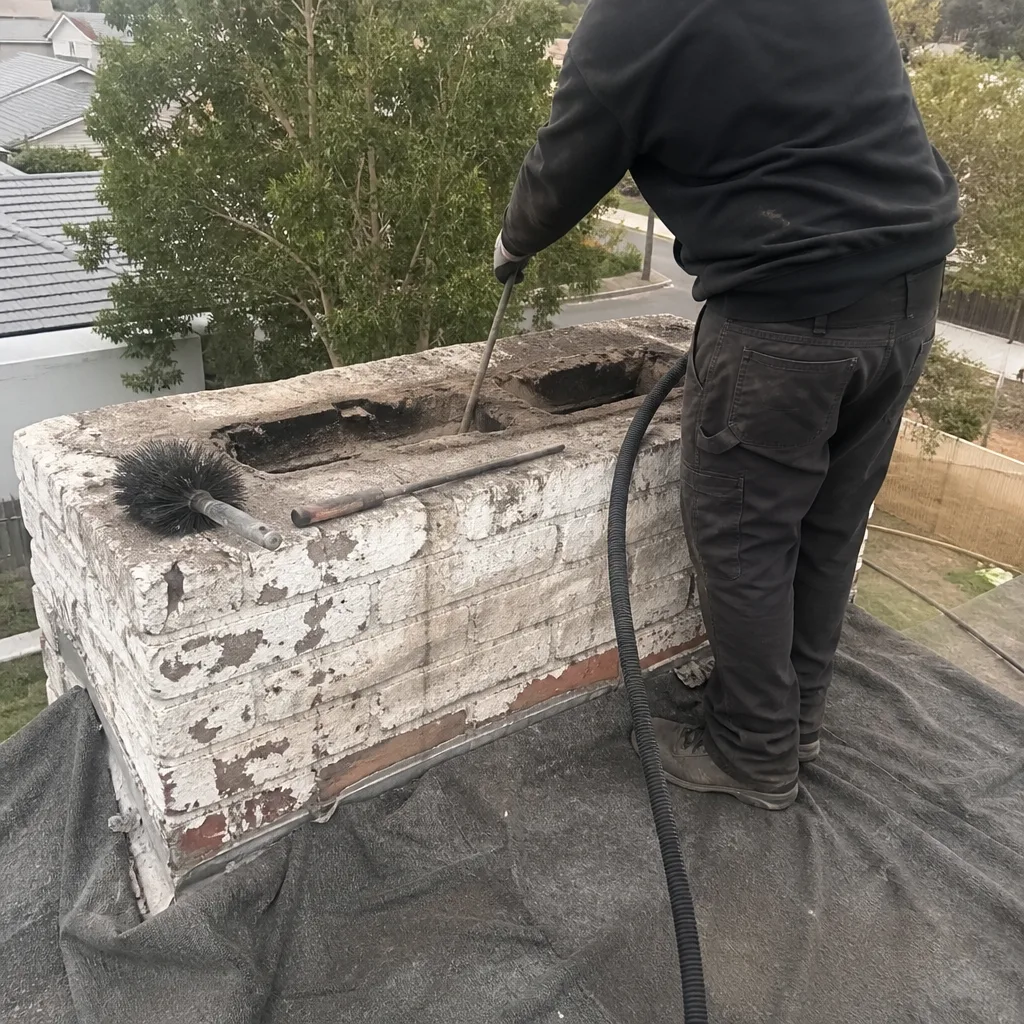 Before
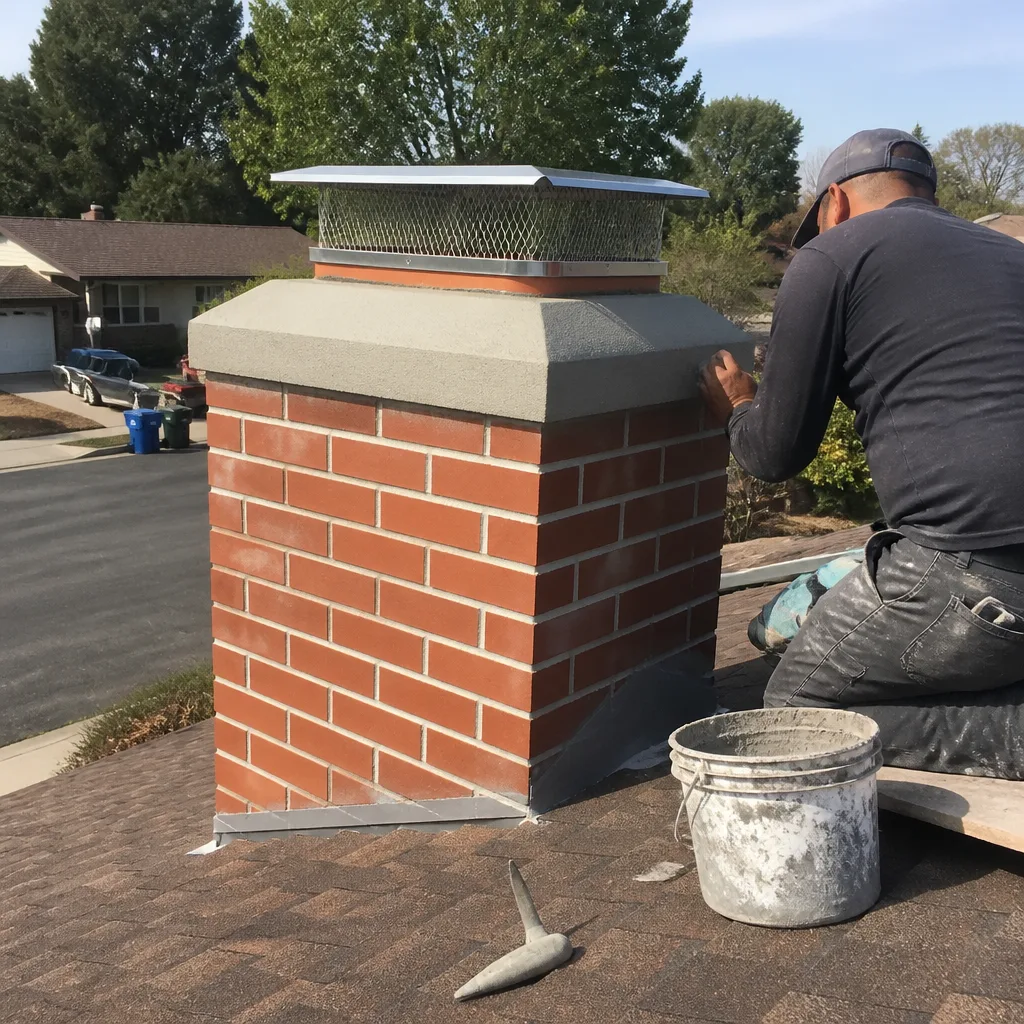 After
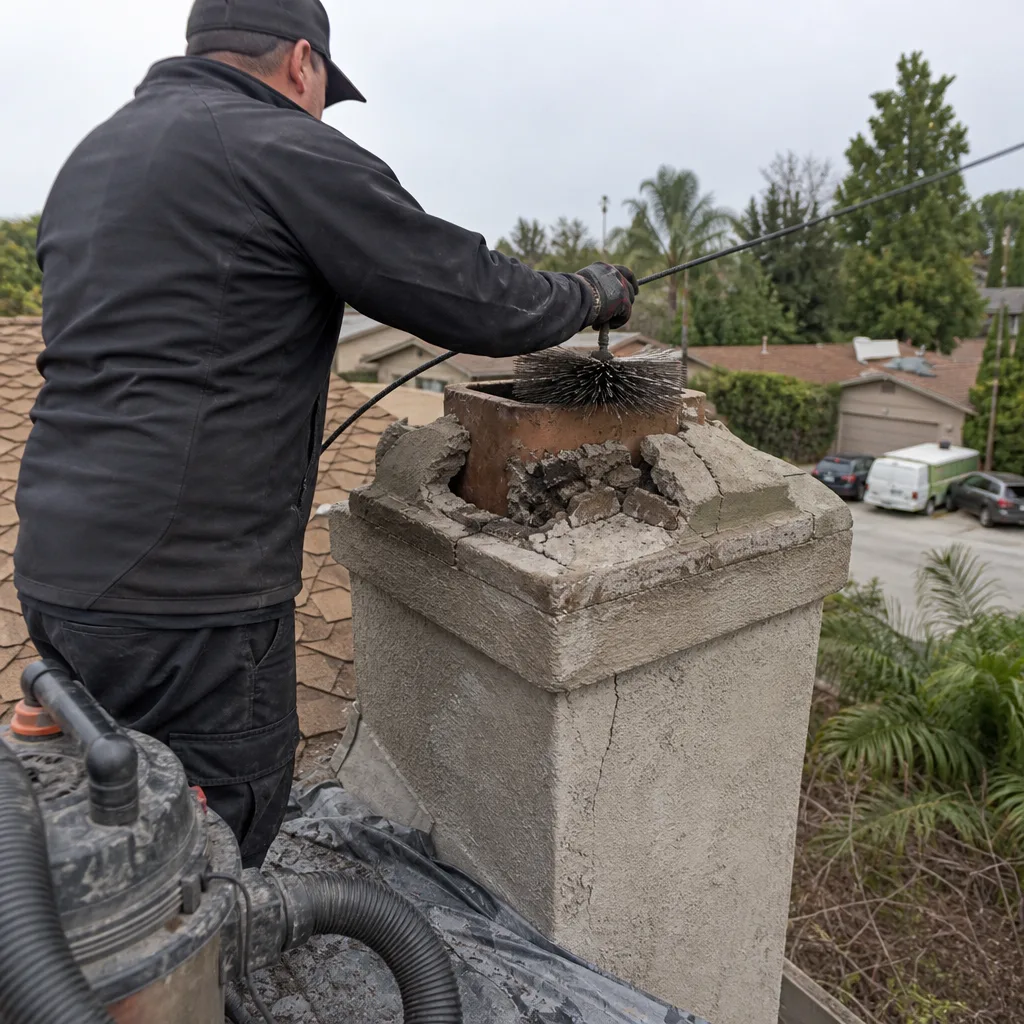 Before
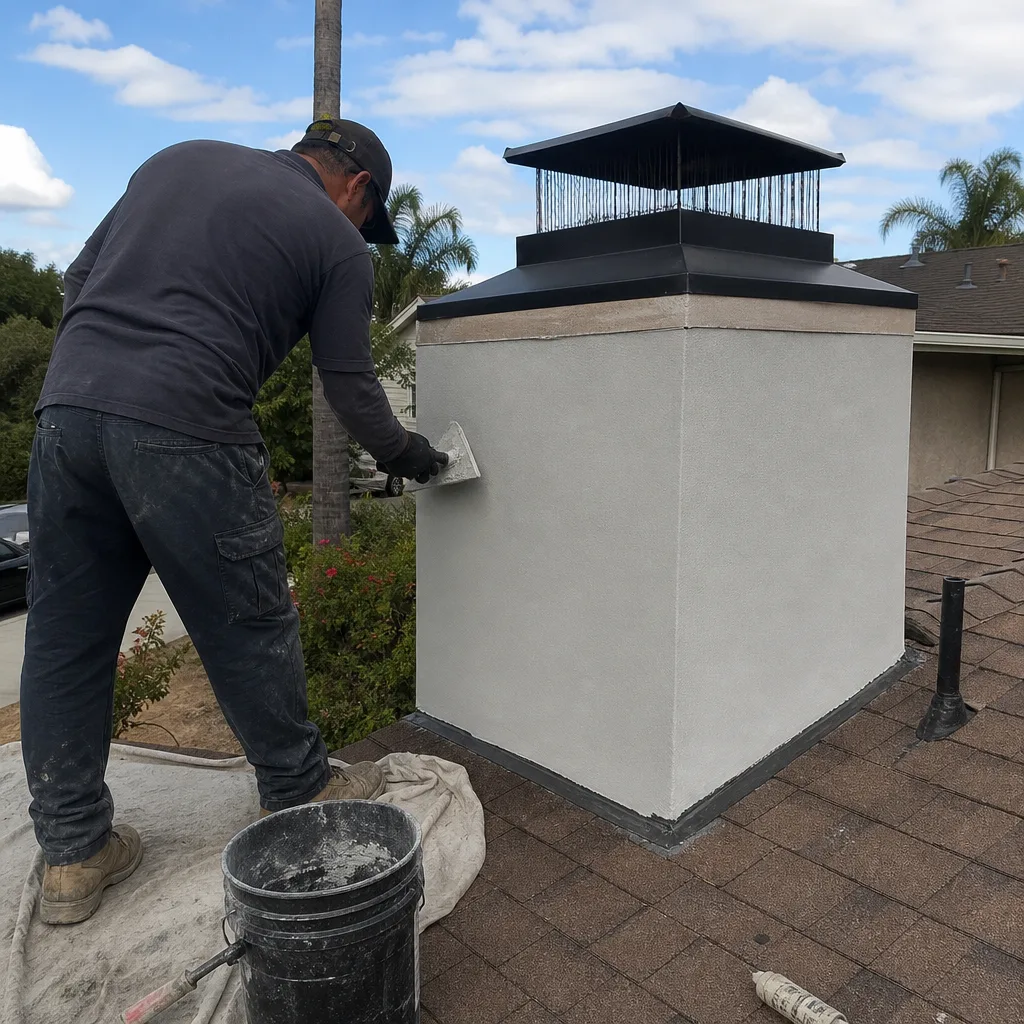 After
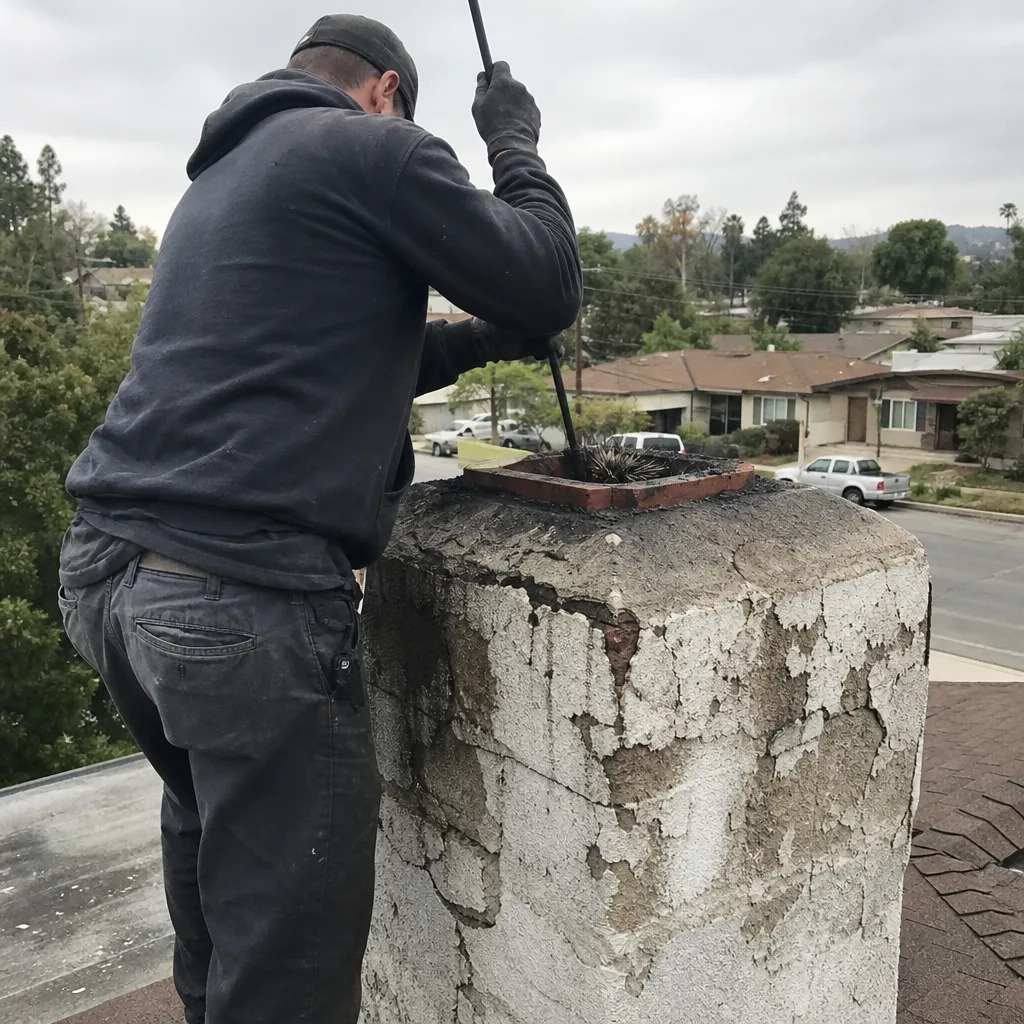 Before
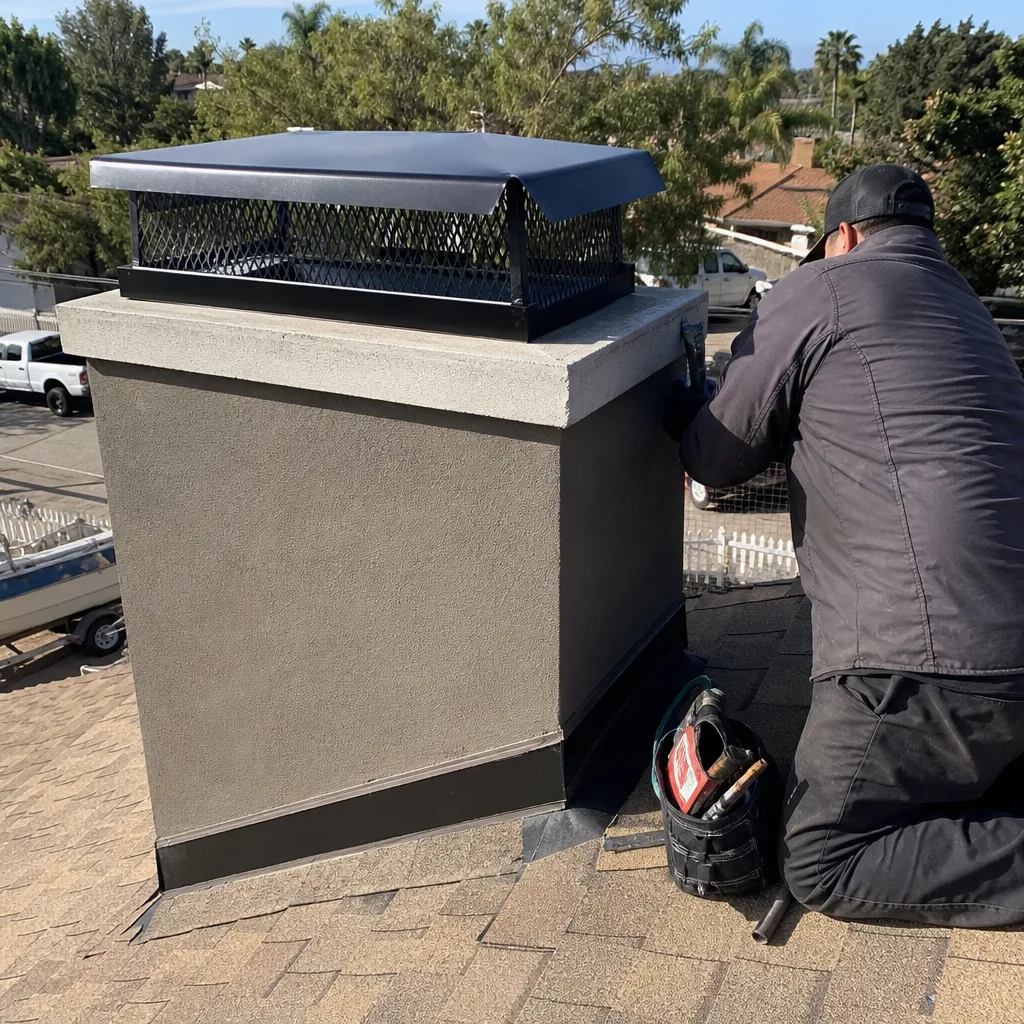 After
When to Call a Professional
Chimney cleaning is not a DIY job, and this is not gatekeeping. The tools are inexpensive, but the access and safety issues are real. Working on a roof in El Cajon means navigating steep pitches, Spanish tile runs, and gusty wind conditions that make ladder work genuinely dangerous. And getting the creosote out is only half the job. Knowing what you are looking at once the flue is clean, and whether the liner, mortar, and crown are still doing their jobs, requires training and experience.
Call a professional when you have not had the chimney inspected in more than two years, when you notice visible dark residue or flaking in the firebox, when you smell a campfire-like odor during humid weather, or when you have had a chimney fire or a near-miss. Also call before you buy a home in El Cajon with a fireplace, because a Level 2 inspection is part of due diligence in a wood-burning market. Acorn Chimney Sweep offers free estimates in El Cajon, call (844) 510-0293 to schedule.
Frequently Asked Questions
A standard chimney cleaning in El Cajon typically ranges from $150 to $350 depending on the system type, flue size, and condition of the chimney. Homes with heavy creosote accumulation, rooftop access complications, or additional appliance flues run higher. Costs increase when the inspection reveals Stage 3 glazing that requires chemical treatment or mechanical removal beyond a standard sweep. Acorn Chimney Sweep provides a flat price before work begins, so you know the cost before we start. Call (844) 510-0293 for an exact quote, estimates are free.
Wood-burning chimneys in El Cajon should be cleaned and inspected annually if the fireplace or stove sees regular use during the fall and winter months. Our Seasonal Chimney Cleaning Care for El Cajon: Year-Round Homeowner’s Guide breaks down what to do each season. The dry climate accelerates creosote curing, and Santa Ana wind events introduce more external debris than coastal areas. Occasional burners can typically go two years between cleanings, but only if a professional inspection confirms acceptable creosote levels. A cleaning schedule tailored to your actual burning habits is more reliable than a generic annual rule.
A chimney sweep removes creosote, soot, and debris from the flue, smoke chamber, and firebox. A chimney inspection evaluates the condition of the entire system, including the liner, mortar joints, crown, cap, and clearances. The two are done together during a professional visit because the flue must be clean before its condition can be assessed properly. You cannot inspect what you cannot see.
You can purchase chimney brushes and run them down your flue, but you are not performing a cleaning in the professional sense. Without the inspection expertise to evaluate liner condition, mortar integrity, and creosote staging, you are brushing blindly. The safety factors are real: rooftop work in El Cajon’s wind conditions is dangerous for untrained homeowners, and a missed Stage 3 creosote condition leaves a chimney fire risk in place. Professional cleaning also includes the containment equipment that keeps soot out of your living space.
The visible signs include a dark, shiny glaze on the firebox walls, flaking creosote falling into the firebox, a strong campfire odor even when the fireplace is dormant, and smoke that enters the room rather than drafting up the flue. Less visible signs include reduced draft, which you notice as difficulty starting a fire or smoke escaping when you open the doors. But the most reliable indicator is time: if it has been more than a year since your last professional inspection in El Cajon, schedule one.
A professional chimney sweep contains the debris with drop cloths, HEPA-filtered vacuums, and flue sealing before any brush touches the flue. The goal is that you find the firebox cleaner than when the sweep arrived, not that you spend an hour dusting. Ask about containment methods when you book. If a company cannot explain how they keep soot out of your living room, call a different one.
The Bottom Line
Chimney cleaning in El Cajon works best when it accounts for what this climate actually does to a fireplace system. Dry air cures creosote faster. Santa Ana winds push debris into flues and test cap integrity. The result is that local chimneys develop Stage 2 and Stage 3 creosote sooner than homeowners expect, and standard one-size-fits-all cleaning advice falls short. A proper service visit addresses the full system: flue, smoke chamber, firebox, damper, crown, and cap exhaust. When cleaning reveals damage, the right company fixes it in the same visit rather than leaving you a punch list and a second contractor to find. That is full-system chimney care, and that is the standard El Cajon homes deserve.
Start with Acorn Chimney Sweep home to see full-service options, then call (844) 510-0293 for a free estimate. Technicians are available for sweeps, inspections, repairs, and dryer vent cleaning throughout El Cajon.
Written by the team at Acorn Chimney Sweep, serving El Cajon since 2015.