Last updated October 30, 2026
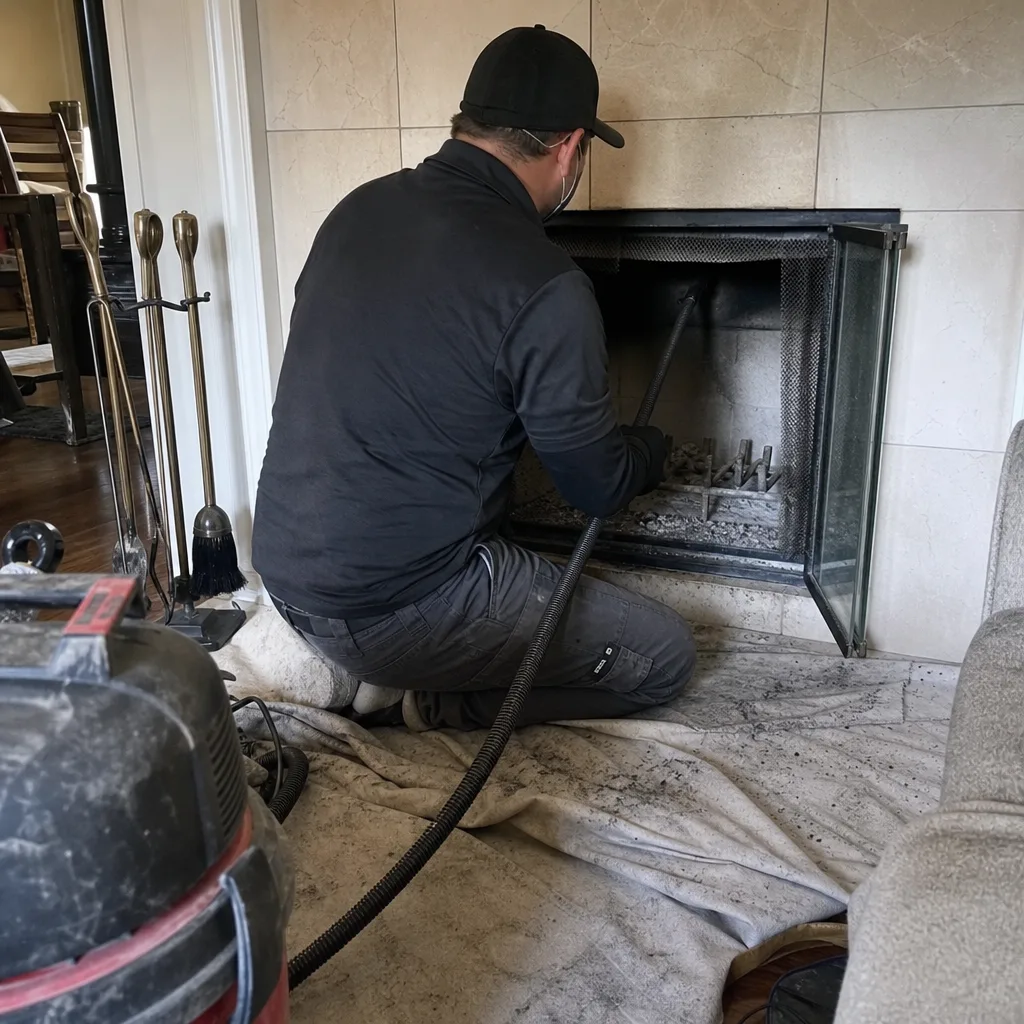
 Sweep & inspection
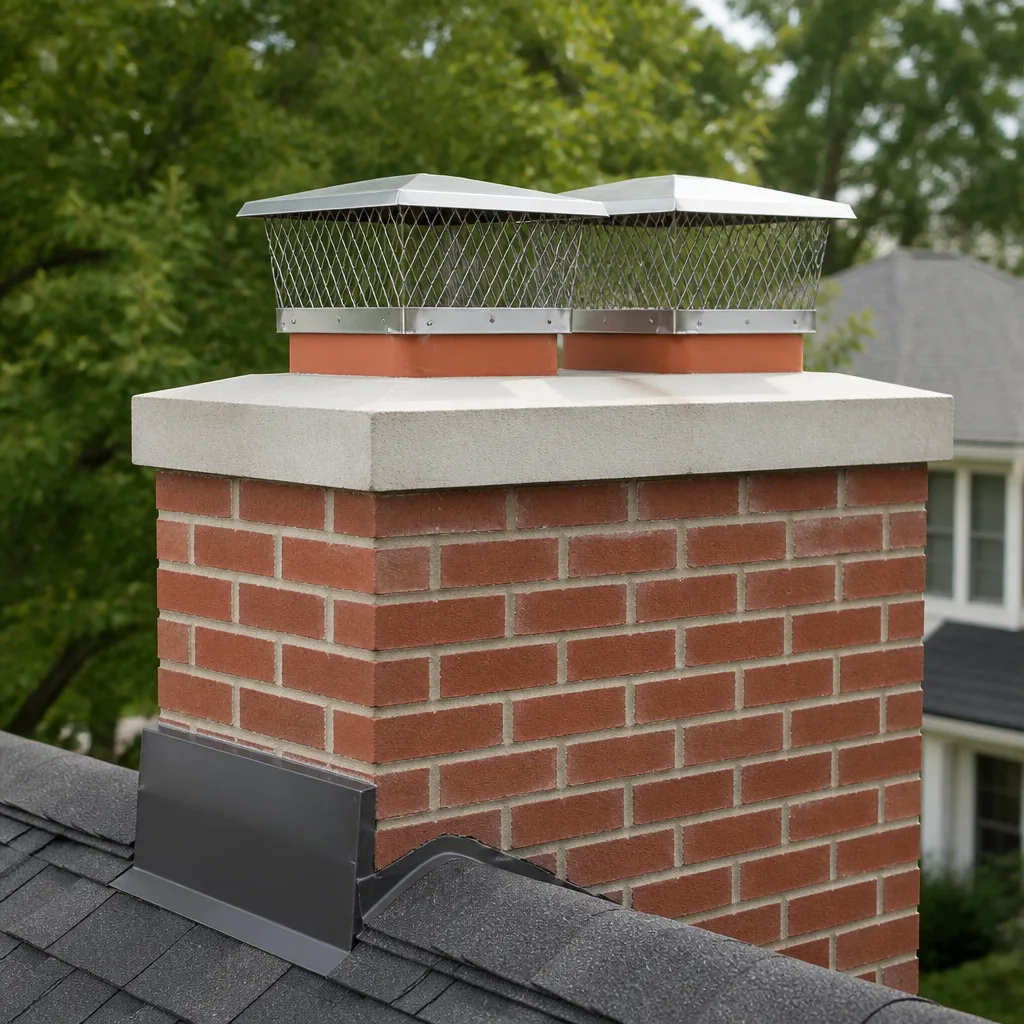 Caps & crowns
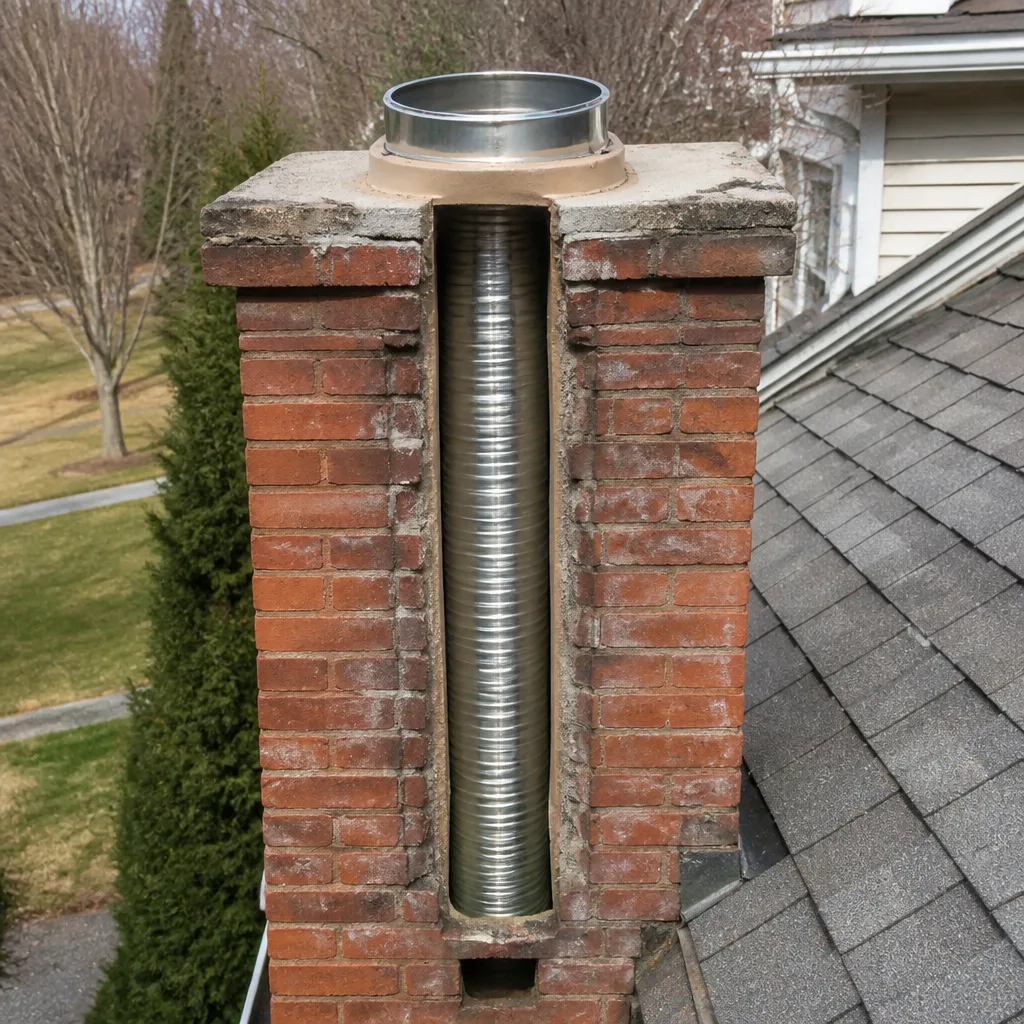 Flue relining
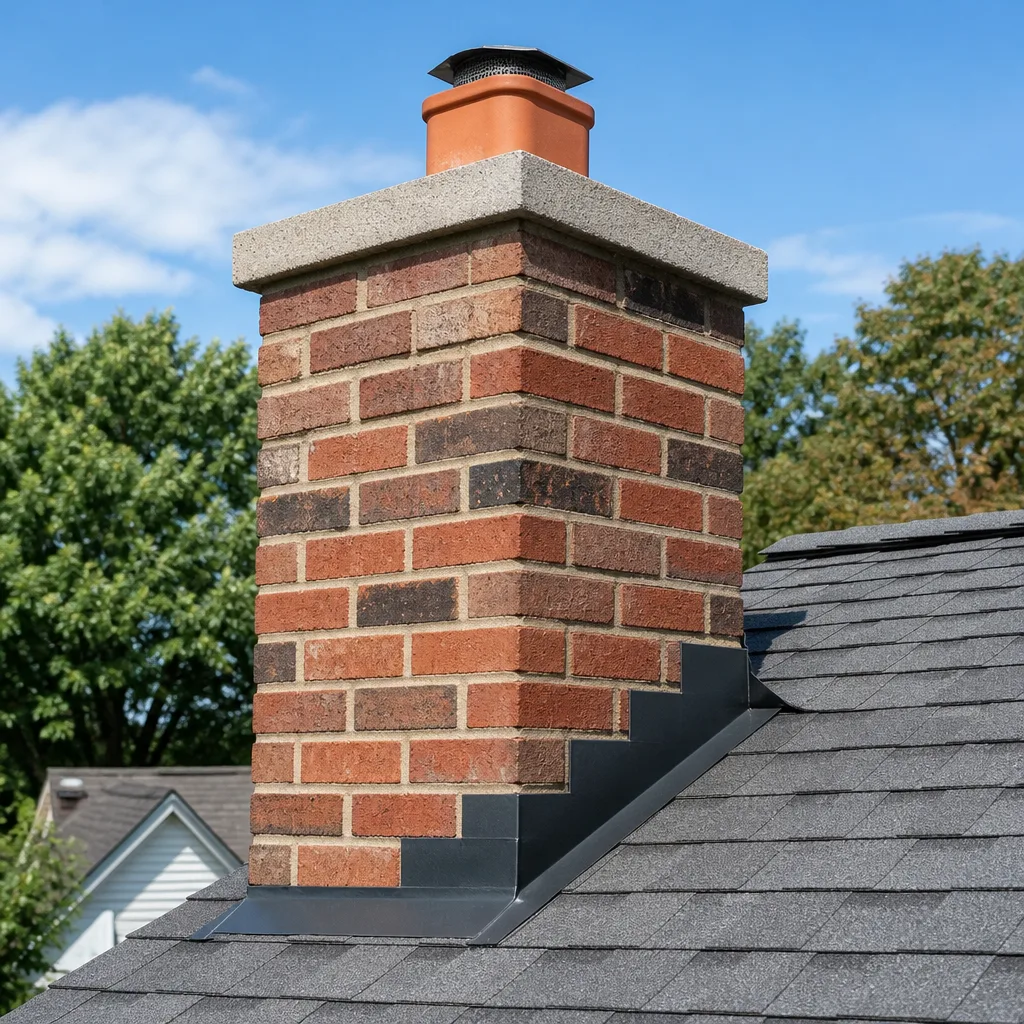 Masonry repair
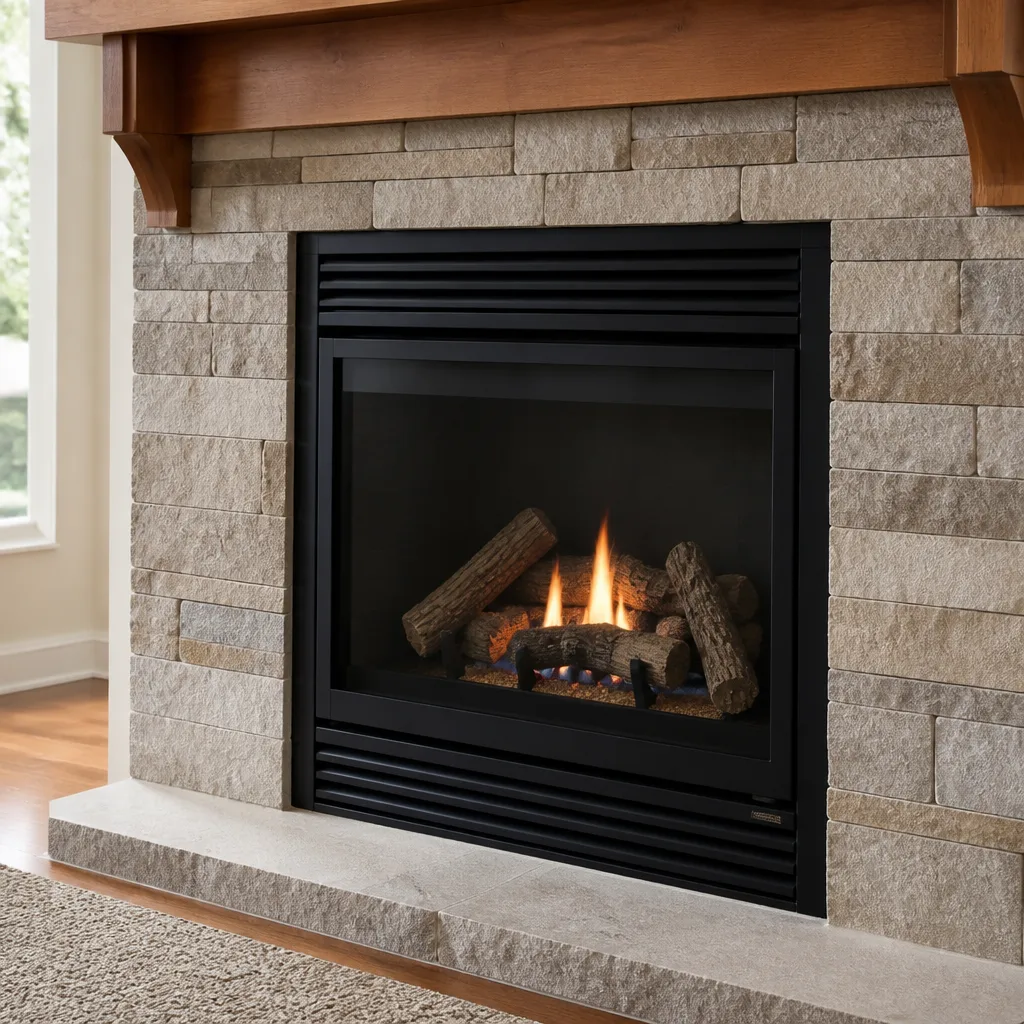 Gas fireplace service
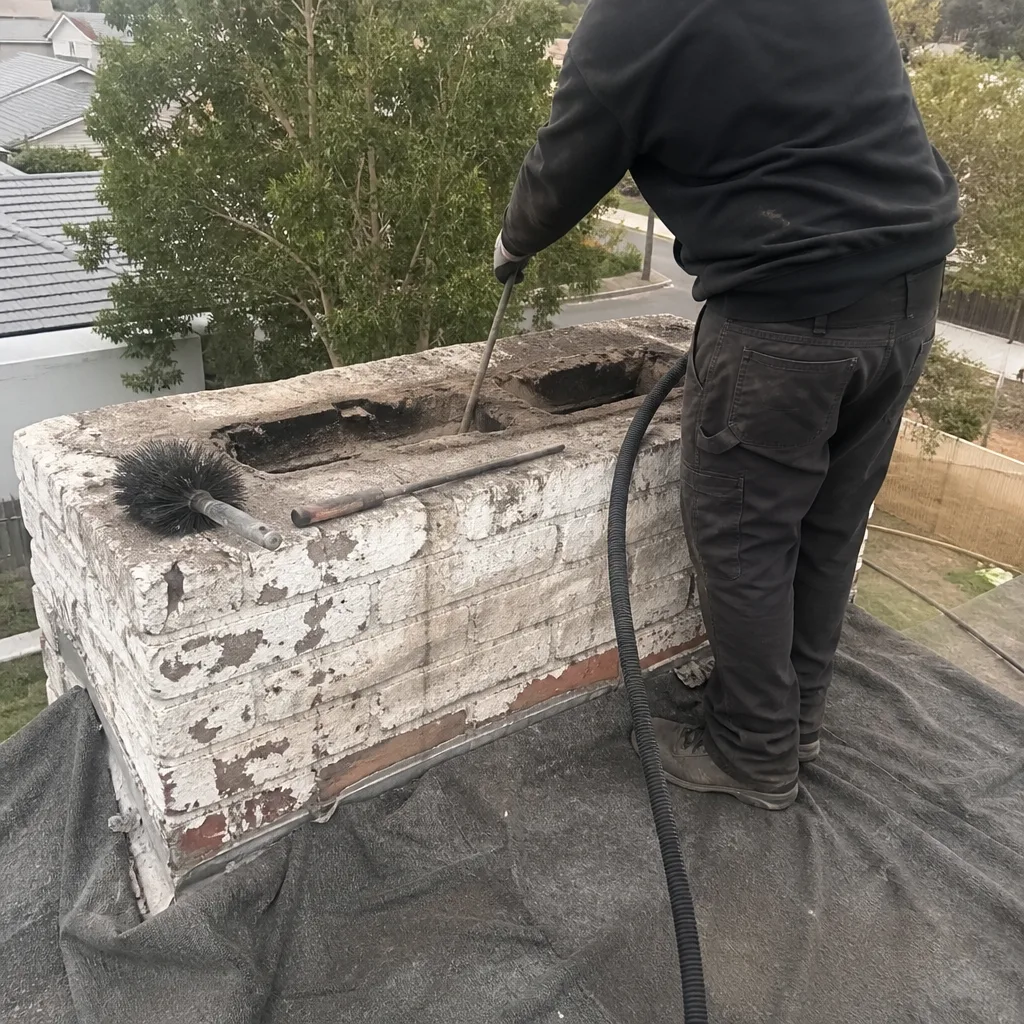
Level 1 sweep and inspection to the NFPA 211 annual standard - flue, crown, cap, and flashing checked and photographed
Chimney sweep logs do not sweep chimneys. They loosen some creosote - which then falls where a brush and vacuum still have to collect it.
Chimney Cleaning Warning Signs: A El Cajon Homeowner’s Reference Guide
Efflorescence, that chalky white staining creeping across your chimney’s exterior brick, gets dismissed as cosmetic aging all the time. It isn’t. Those mineral deposits are the residue left behind after water has already traveled through your masonry and evaporated on the surface. The moisture intrusion is not approaching. It has already happened. This guide walks through the signals that matter, which ones point to a cleaning fix, which ones mean structural repair, and how El Cajon’s specific climate accelerates certain failures faster than homeowners expect. For more detail, see our Chimney Sweep Maintenance Checklist for El Cajon Homeowners.
Quick Answer
Chimney warning signs in El Cajon fall into three categories: exterior signals (efflorescence, spalling brick, cracked crowns, flashing gaps), interior signals (smoke rollout, draft reversal, unusual odors), and functional changes (sticking dampers, weaker draw, debris after wind events). Efflorescence, spalling, and crown cracks indicate water intrusion and require repair, not cleaning. Odor changes, sticky creosote, and debris accumulation typically point to cleaning or cap issues. The key distinction is this: if the signal involves water or structural material loss, cleaning alone won’t resolve it.
Styles & brands we work with
Table of Contents
- Efflorescence: The White Staining That Means Water Is Already Inside
- Spalling Brick and Deteriorating Mortar Joints
- Crown Cracking and Flashing Gaps
- Interior Odor Types: Acrid vs. Musty vs. Burning
- Smoke Rollout and Draft Reversal
- Functional Changes: Sticking Dampers and Weaker Draw
- Santa Ana Debris: What the Firebox Floor Tells You About Your Cap
- Cleaning vs. Repair: How to Tell Which One You Actually Need
Efflorescence: The White Staining That Means Water Is Already Inside
Efflorescence appears when water dissolves soluble salts within the brick or mortar, carries them toward the surface, and deposits them as a white, powdery film after evaporation. Homeowners in El Cajon see this most often on chimneys that face the prevailing weather or sit in shaded sections of the roofline where moisture lingers longer. The appearance of efflorescence is a diagnostic clue, not a diagnosis by itself. Light, patchy efflorescence on a chimney that has seen recent rain may indicate surface-level water absorption and could be a maintenance issue. Continuous, recurring, or thick crystalline deposits indicate sustained water movement through the masonry system.
What efflorescence tells us specifically:
- Water has found a path into the brick or mortar matrix
- That water is carrying dissolved minerals, which means it has been moving through the material, not just sitting on it
- The cycle is repeating often enough that deposits are building up visibly
- The freeze-thaw cycle, milder here than in mountain climates but still present in El Cajon’s cooler winter nights, is working on the saturated masonry from the inside
We regularly encounter chimneys in El Cajon where homeowners have scrubbed efflorescence off with a wire brush or acid wash, watched it return in a season, and assumed they did something wrong. They didn’t. Efflorescence returns because the water source was never addressed. The white staining is the symptom, not the problem. Addressing it properly means identifying where water is entering: through a cracked crown, failed flashing, porous brick, or a missing chimney cap. Until that entry point is closed, efflorescence will continue to reappear. For a full-system evaluation that includes the chimney’s exterior envelope, schedule a professional Chimney Sweep in El Cajon inspection that looks at the entire structure, not just the flue.
Spalling Brick and Deteriorating Mortar Joints
Spalling is what happens when water-saturated brick faces a temperature drop. The moisture inside the brick expands, and the brick’s surface layer, called the face, pops off or flakes away. You’ll find brick fragments on the roof, in the gutter, or scattered around the chimney base. The remaining surface looks pitted, cratered, or freshly chipped compared to the surrounding brick. This is structural degradation, and it accelerates once it starts because each spalled face exposes more porous interior brick to direct water absorption.
Mortar joints tell a parallel story. In El Cajon, where summer temperatures can exceed 100 degrees and winter nights dip into the 30s, the thermal expansion and contraction cycle works on mortar relentlessly. Joints crack, crumble at the edges, or develop gaps where the mortar has pulled away from the brick entirely. Older chimneys built with softer, lime-based mortar may show this faster than newer construction using Portland cement mixes, but no mortar is immune to decades of thermal cycling.
Signs that spalling or joint deterioration has crossed from cosmetic into structural:
- Multiple brick faces have flaked away within a single season
- Fragments of brick or mortar accumulate at the chimney base after ordinary weather, not just wind events
- Cracks in mortar joints run in stair-step patterns through the brick, indicating foundation or structural movement
- Interior dampness appears on walls adjacent to the chimney chase after rain
- The chimney crown, which should shed water away from the flue, shows visible gaps or missing segments
These conditions don’t resolve with a sweep. They require repointing, brick replacement, crown repair, or in advanced cases, partial rebuild. The materials matter here as much as the method. Professional-grade repair products from manufacturers like Olympia Chimney are engineered for the thermal stresses of chimney systems, unlike generic masonry patch compounds sold at hardware stores. We stock and work with these materials because a chimney repair that fails in two years isn’t a repair, it’s a delay.
Crown Cracking and Flashing Gaps
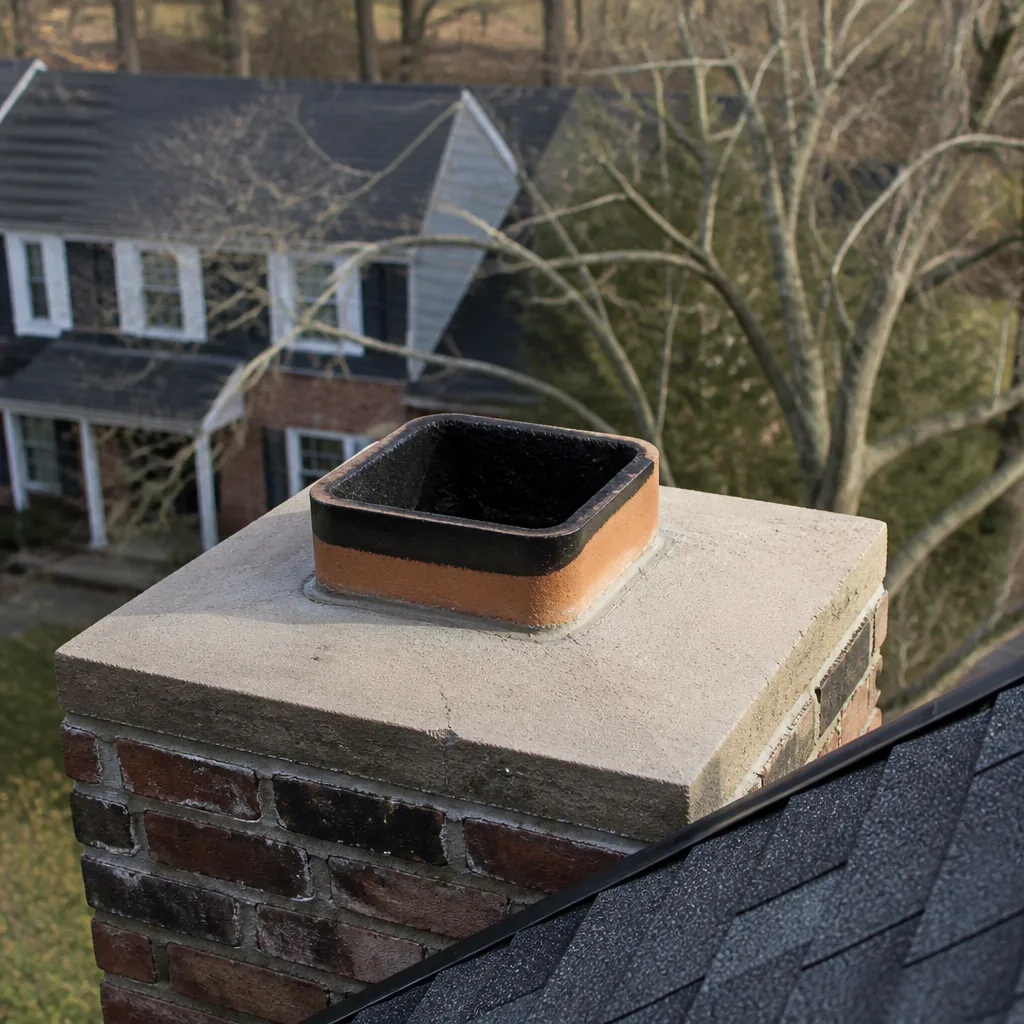
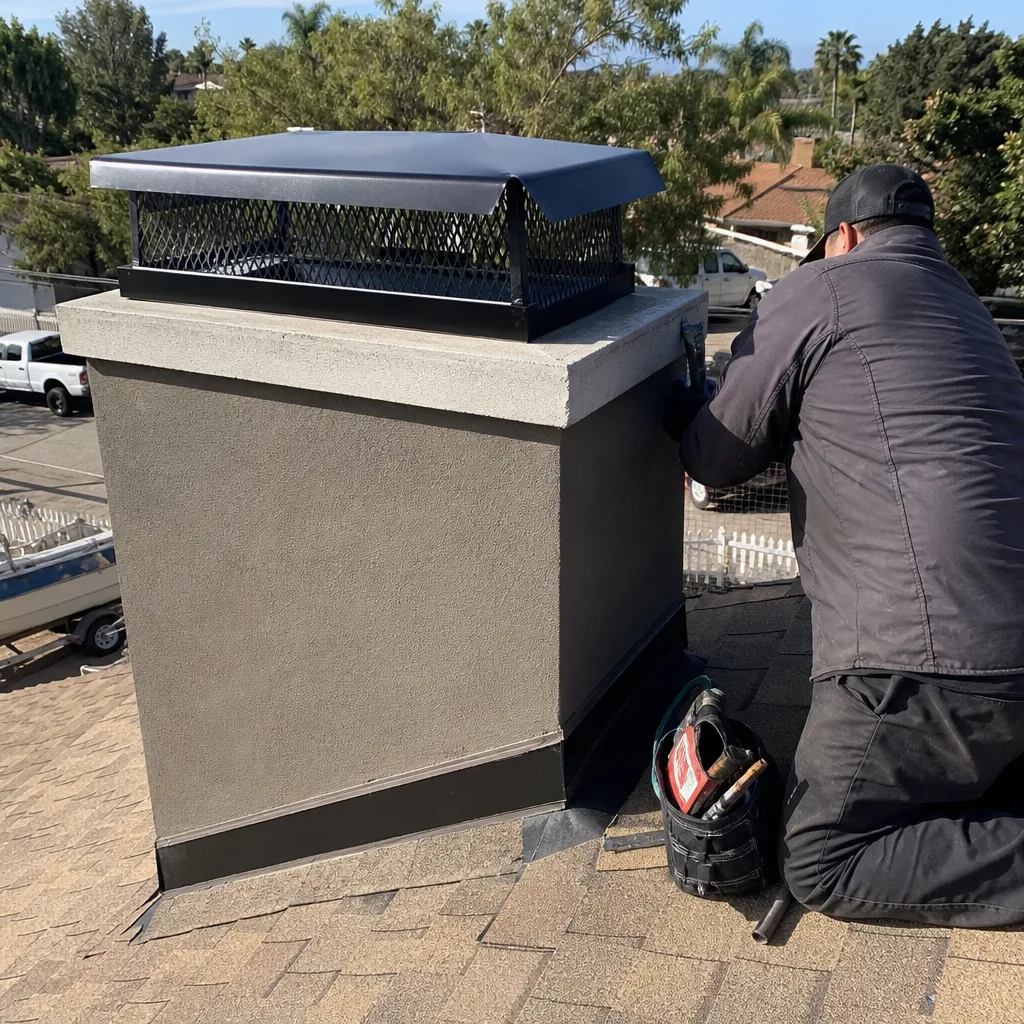
The crown is the concrete or mortar cap that sits on top of the chimney, and its only job is to shed water away from the flue and the masonry below. A properly built crown overhangs the chimney’s edges and slopes away from the flue. Most older chimneys in El Cajon don’t have proper crowns because they were built with ordinary mortar, not a purpose-mixed crown material. Mortar absorbs water, cracks under thermal stress, and eventually channels water directly into the chimney’s core.
What to look for:
- Visible cracks wider than a hairline running across the crown surface
- Missing chips or segments along the crown’s edge
- A flat crown with no visible slope, or worse, one that slopes toward the flue
- Gaps between the crown and the flue liner where water can pour straight down the chimney
Flashing is the metal seal where the chimney meets the roof. In El Cajon, where roof temperatures spike during summer heat waves, flashing expands and contracts constantly. Over years, the sealant degrades, the metal warps or pulls away from the masonry, and water finds the gap. Flashing problems show up as water stains on ceilings near the chimney, damp insulation in the attic around the chimney chase, or rust-colored streaks running down from the roofline.
Both of these conditions require repair, not cleaning. But catching them early is what keeps a repair from becoming a reline. Water that enters through a cracked crown or failed flashing eventually reaches the flue interior, where it damages the liner. Once the liner is compromised, you’re no longer looking at masonry repair. You’re looking at liner resurfacing or full relining. A Chimney Repair in El Cajon assessment that catches crown and flashing issues early can prevent that escalation.
Interior Odor Types: Acrid vs. Musty vs. Burning
Chimney odors are one of the most reliable diagnostic signals a homeowner has, and each type of smell points to a specific kind of problem. Learning to distinguish between them helps you understand whether you’re dealing with a cleaning issue, a moisture issue, or a combustion problem.
Acrid, sharp, or creosote-heavy odor intensifies on humid days or when the house is closed up. This smell indicates creosote buildup inside the flue, which is normal to some degree for wood-burning fireplaces, but becomes a problem when the deposits are thick or the creosote is wet. In El Cajon’s dry climate, creosote tends to be dry and flaky rather than tarry, but the odor signature is similar: sharp, smoky, slightly chemical. A cleaning resolves this. If the odor persists after a sweep, the creosote has likely soaked into the flue’s porous surfaces, which points to liner condition rather than deposit buildup. See our Chimney Sweep Troubleshooting: Common Problems and How to Fix Them for additional guidance.
Musty, damp, or earthy odor indicates moisture. Water is entering the chimney somewhere, and organic material, soot, or old creosote is decaying in the damp environment. This smell never resolves with cleaning alone because the water source remains. Look for the visual signs covered in earlier sections: efflorescence, crown cracks, flashing gaps. The odor is telling you water is present now, even if you can’t see staining yet.
Burning or hot-material odor when the fireplace is not in use is a red flag. This can indicate that creosote deposits are deep enough to smolder or that debris inside the chimney is decomposing under heat from a pilot light or adjacent appliance. If you smell burning when nothing is burning, stop using the fireplace and schedule an inspection promptly. This odor, different from normal fireplace smell, can also signal that the flue is partially blocked and exhaust gases are not venting properly.
Smoke Rollout and Draft Reversal
Smoke rollout is what happens when smoke enters the living space instead of going up the flue. It shows up as a visible haze near the fireplace opening, soot staining on the wall above the mantle, or a smoke smell that lingers in the room hours after the fire. Draft reversal is the same problem in reverse: instead of air flowing up the chimney, outside air flows down, carrying chimney odors into the house even when no fire is burning.
Common causes of smoke rollout and draft reversal in El Cajon homes:
- Creosote or debris buildup narrowing the flue passage, reducing the draft
- A chimney cap that is missing or damaged, allowing wind to push down the flue
- Negative air pressure inside the house, often caused by exhaust fans, a tight house envelope, or competing appliances
- Flue sizing issues, common in older El Cajon homes where fireplaces were built for conditions that no longer exist
- Structural damage inside the flue, such as a collapsed liner section or a dislodged tile
Draft behavior that changes over time is particularly diagnostic. If your fireplace drew fine for years and now rolls smoke only on certain days or under certain conditions, something has changed. The flue may be partially blocked, the cap may be damaged, or the liner may be deteriorating. If the draft was always marginal, the issue is more likely sizing or house pressure. A chimney professional can measure the draft and identify which category the problem falls into rather than guessing.
One note about chimney type: gas inserts and wood-burning appliances have different draft behaviors and different warning signs. A gas insert that produces a sulfur-like or gas odor at startup may be venting incompletely. If you notice those smells, shut the unit down and have the venting checked before running it again.
Functional Changes: Sticking Dampers and Weaker Draw
A damper that used to open smoothly and now sticks, grinds, or won’t fully close is telling you something about conditions inside the flue. The most common cause is creosote buildup on the damper plate and surrounding throat area. As deposits accumulate, the damper’s range of motion decreases until it either seizes partially open or can’t be closed properly. A damper stuck open means warm house air escapes up the chimney all winter, while outdoor air enters when the fireplace isn’t in use. A damper that can’t open fully restricts the draft and causes smoke rollout.
Weaker draw, where fires that used to burn cleanly now smolder or require more encouragement to get going, is another functional signal. The cause is usually one of these:
- Creosote or soot buildup narrowing the effective flue diameter
- Debris at the firebox floor or in the smoke chamber, often from wind events or animal activity
- A partially collapsed or shifted liner section reducing the flue’s cross-section
- A damaged or improperly sized chimney cap restricting airflow at the top
These functional changes don’t always correlate with visible problems at the firebox level. A flue can look fine from below while being 30 percent restricted 10 feet up. That’s why a professional inspection includes checking the full flue length, not just a quick look from the hearth. We use camera inspection equipment to see what’s happening in sections of the flue that are otherwise inaccessible, and we provide photo documentation so homeowners can see the condition with their own eyes. You shouldn’t be asked to accept a repair recommendation without evidence.
Santa Ana Debris: What the Firebox Floor Tells You About Your Cap
Santa Ana winds in El Cajon routinely exceed 30 to 40 mph, with gusts that can push past 50 in exposed areas near the foothills. Those winds pick up leaves, twigs, dust, and construction debris and drive them horizontally across rooftops. A chimney cap that is missing, damaged, or improperly sized will allow that debris to drop directly down the flue and collect at the firebox floor or on the smoke shelf.
What to look for after a Santa Ana event:
- Leaves, twigs, or other organic material inside the firebox
- A visible increase in soot or dust on the firebox floor compared to before the wind event
- Unusual odors coming from the fireplace after the winds subside, suggesting debris has lodged in the flue
- Small particles or grit falling into the firebox when you open or close the damper
Debris at the firebox floor after wind events means your chimney cap has failed or doesn’t exist. The fix is a properly sized cap that allows adequate draft while blocking wind-driven debris. Caps from manufacturers like Gelco and Famco, which we stock and install, are built to handle sustained wind exposure without the mesh clogging or the fasteners working loose. Learn more in our Choosing the Right Chimney Cleaning Brand: A Buyer’s Guide for El Cajon. A cap that falls off during the first big wind of the season isn’t a solution, it’s another problem.
Debris accumulation inside the flue is also a fire hazard. Dry leaves, twigs, and other wind-driven material sitting in the smoke chamber or on the flue ledge can ignite when you start a fire, potentially creating a flue fire in the middle of the chimney where you can’t see it. If you notice wind-driven debris inside your fireplace, don’t burn it out. Have it removed and the cap situation assessed.
Cleaning vs. Repair: How to Tell Which One You Actually Need
This is the distinction that matters most for homeowners deciding whether to book a sweep or a repair appointment. Getting it wrong wastes money: a cleaning won’t fix water intrusion, and a repair won’t resolve creosote buildup.
Signs that indicate cleaning will resolve the issue:
- Acrid or smoky odor when the fireplace hasn’t been used recently, without any other moisture indicators
- Visible soot or creosote flaking inside the firebox or on the damper
- Buildup that accumulates within a single season of regular wood burning
- A damper that sticks due to creosote deposits on moving parts
- Debris accumulation after wind events, indicating a cap issue rather than a liner issue
- Smoke rollout that appears only when the damper is fully open and the fireplace is cold, suggesting draft restriction from buildup
Signs that indicate structural repair is already needed:
- Efflorescence that recurs after cleaning or that appears in thick, continuous bands
- Spalling brick faces or accumulating masonry fragments at the chimney base
- Visible crown cracks wider than a hairline or missing crown segments
- Flashing gaps where the chimney meets the roof, with interior water stains as confirmation
- Musty or damp odor from the fireplace even during dry El Cajon summers
- Smoke rollout that worsens over time regardless of damper position or fire intensity
When a cleaning reveals liner damage, which happens more often than homeowners expect, the conversation shifts to repair options. HeatShield liner resurfacing can restore a deteriorated flue without removing the old liner, which is often faster and less disruptive than full relining. For chimneys where the liner has collapsed or the flue is too compromised for resurfacing, a DuraFlex flexible liner system provides a structural, permanent relining solution. These are repair-class products, professional-grade materials from the same brands certified chimney professionals specify, not the patch kits sold at big-box stores. The right solution depends on what the camera inspection shows, and the goal is to match the repair to the actual condition, not to upsell a procedure the chimney doesn’t need.
Most of what we see in El Cajon falls into a predictable pattern: wind and water work on the exterior cap, crown, and flashing, while burning habits determine the interior condition. A fireplace that’s used regularly through the winter without annual cleaning will accumulate creosote predictably. A chimney that’s never inspected will eventually show exterior water damage. The two systems degrade on different timelines, and the warning signs are different enough that a homeowner paying attention can usually tell which category they’re in. If you’re uncertain, a Acorn Chimney Sweep home inspection removes the guesswork. You should see the evidence before deciding what the chimney needs.
Common Mistakes to Avoid
- Power-washing the chimney exterior to remove efflorescence. High-pressure water drives more moisture into the brick and accelerates the exact problem you’re trying to fix. Efflorescence signals water entry; the entry point needs to be found and sealed, not blasted with more water.
- Ignoring musty odors because El Cajon summers are dry. Moisture trapped inside a chimney doesn’t evaporate the way surface moisture does. A damp smell in July means water has been entering for months, and the damage compounds quietly.
- Burning debris out of the firebox after Santa Ana events. Wind-driven leaves and twigs lodged in the smoke chamber can ignite mid-flue and create a chimney fire. Remove the debris, then address the cap that allowed it in.
- Treating a sticking damper with lubricant or force. The damper is binding because creosote has built up on its surfaces. Lubricant doesn’t remove creosote, and forcing the damper can bend or break the mechanism. The buildup needs to come off.
- Assuming a chimney fire that didn’t spread means nothing happened. Even a brief chimney fire can crack a liner, shift tiles, or damage the flue’s structural integrity. After any chimney fire, the flue needs a camera inspection before the fireplace is used again.
- Delaying flashing repair because there’s no interior stain yet. Water entering through flashing gaps can travel along framing and cause damage far from the entry point. By the time a ceiling stain appears, the problem has been active for a long time.
- Using a general handyman for chimney liner or crown work. Chimney systems have specific codes and material requirements. A crown poured with the wrong mix or a liner installed without proper clearance creates a bigger hazard than it solves. This is the line between a handyman repair and a chimney professional’s job.
See the difference
 Before
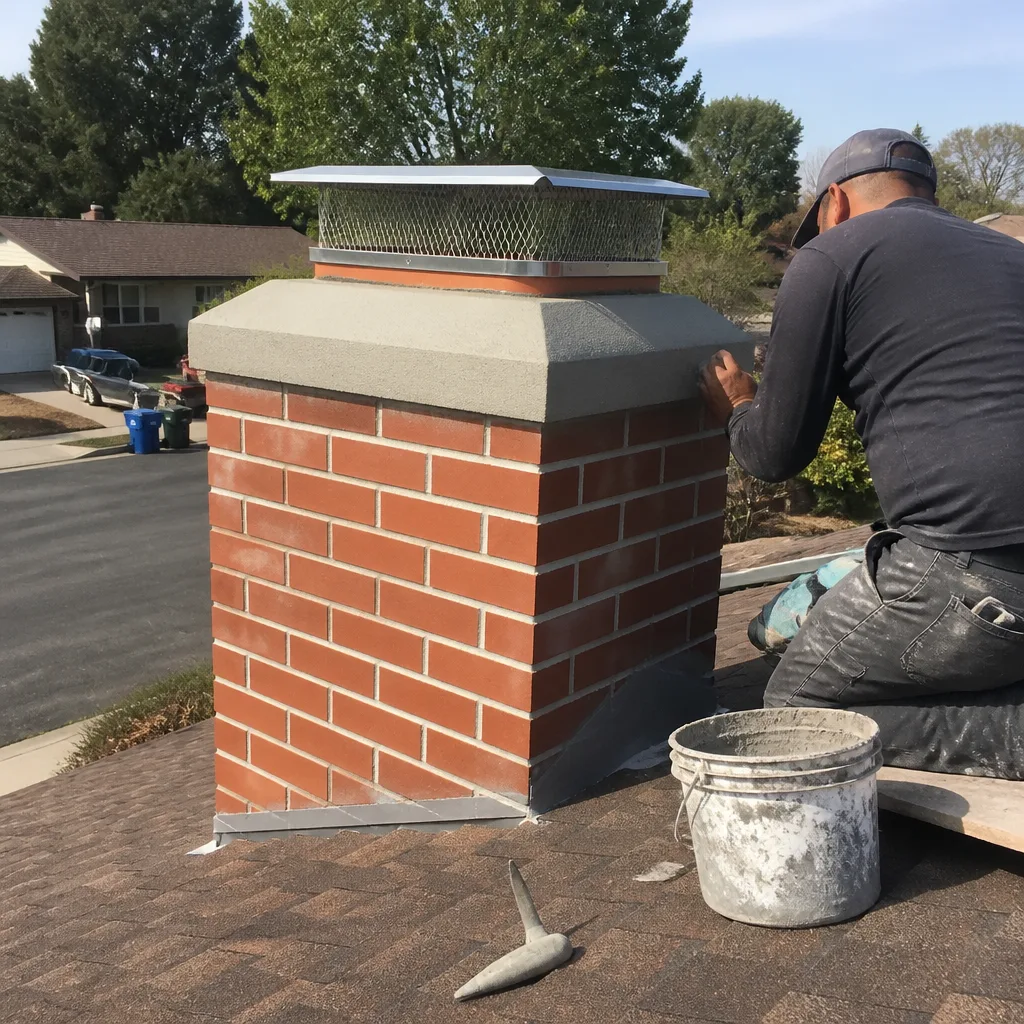 After
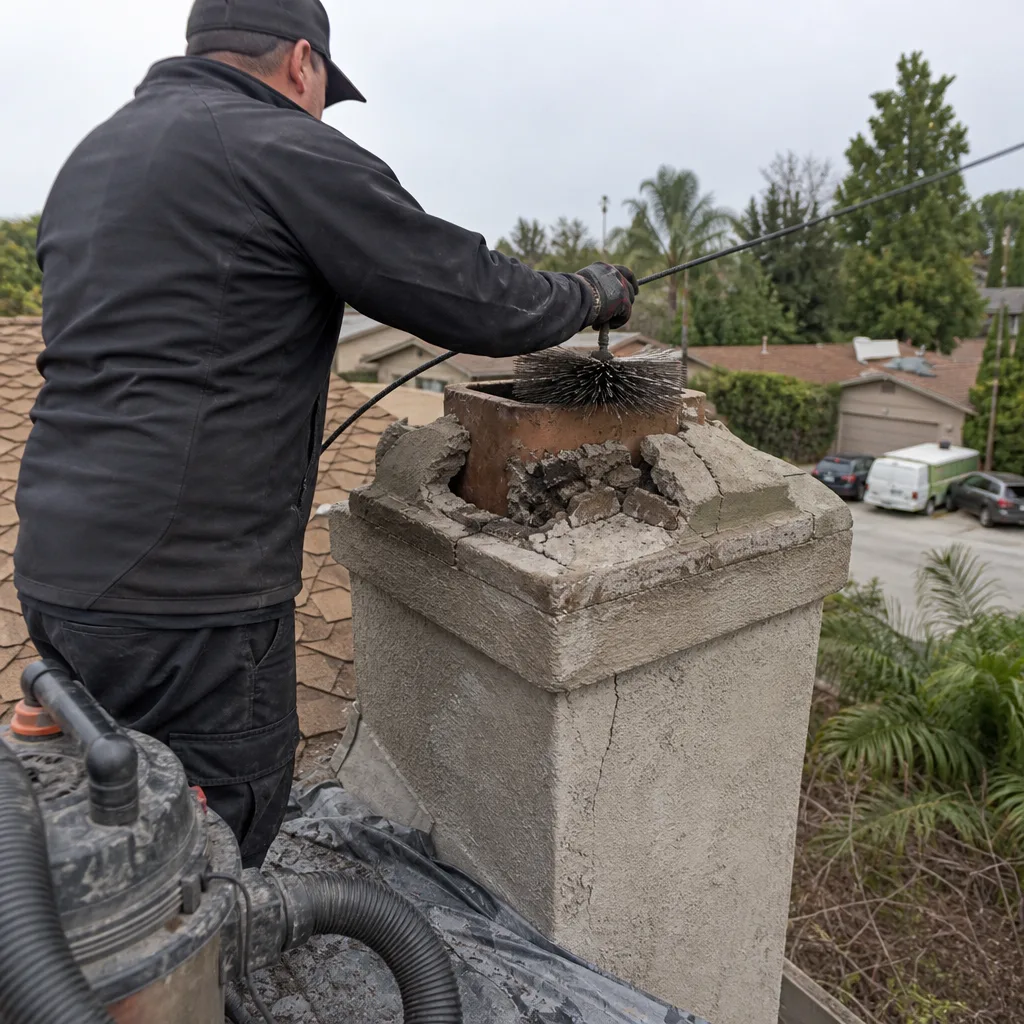 Before
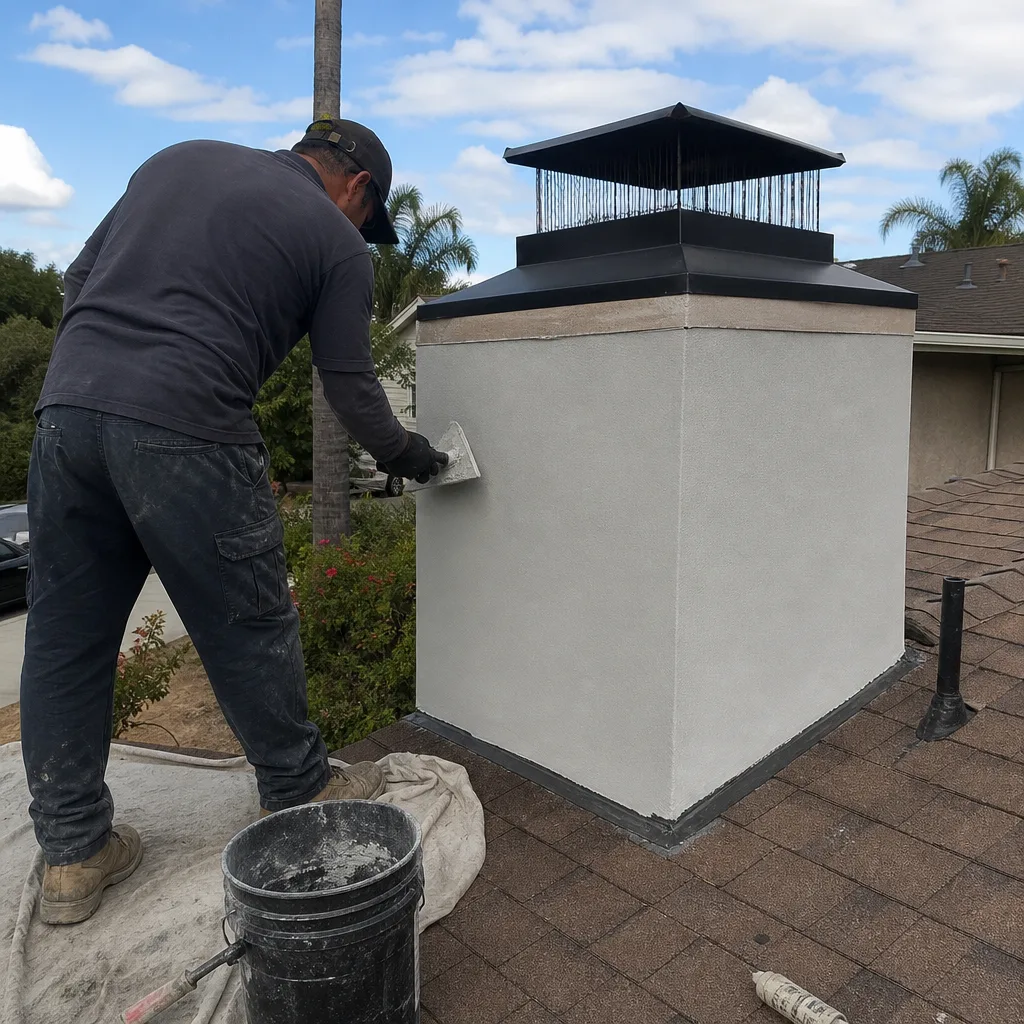 After
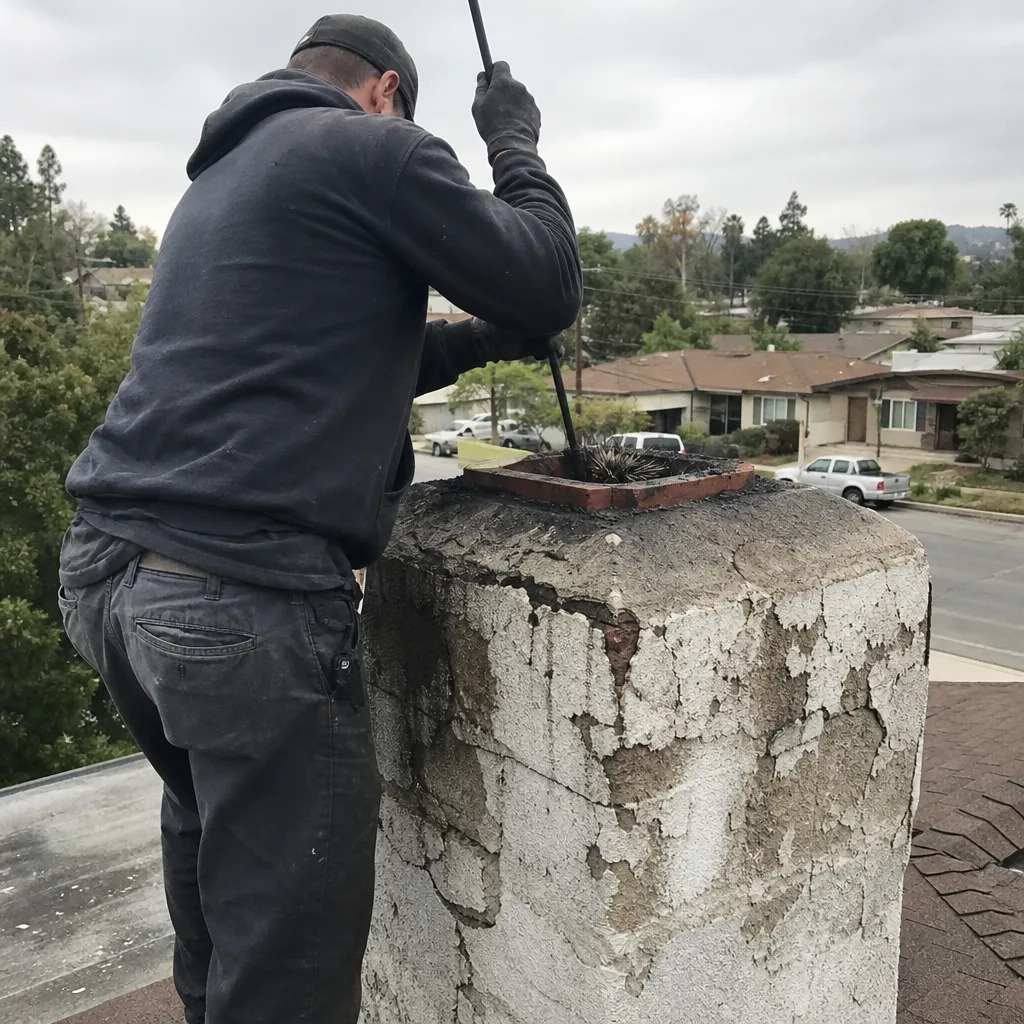 Before
 After
When to Call a Professional
Call a chimney professional if you notice any of these conditions: efflorescence that returns after cleaning, spalled brick faces or accumulating masonry fragments, cracks wider than a hairline in the crown, interior water stains near the chimney, smoke rollout that worsens over time, any smell of burning when nothing is burning, or debris inside the firebox after wind events. If you smell gas from a gas fireplace, shut off the gas supply and call both your utility provider and a chimney professional. If you’re seeing interior water damage, don’t wait through another rain season. Acorn Chimney Sweep offers free estimates in El Cajon, call (844) 510-0293. A camera inspection gives you visual evidence of the flue condition before you commit to any repair decision.
Frequently Asked Questions
Chimney sweeping in El Cajon typically runs between $150 and $300 for a standard wood-burning fireplace, depending on flue condition, accessibility, and whether the chimney has been cleaned recently. A sweep that includes a camera inspection and photo report will be at the higher end because you’re paying for evidence of the flue condition, not just the cleaning itself. Call (844) 510-0293 for an exact quote based on your fireplace type and chimney condition. Estimates are free.
You need a new liner, or liner resurfacing, when the existing liner has cracks, gaps, or deterioration that allows heat or combustion gases to reach combustible materials outside the flue. The only way to know is a camera inspection. We recommend HeatShield liner resurfacing or a DuraFlex flexible liner system when the camera shows genuine damage, and we show you the footage before recommending anything. If a contractor recommends a liner replacement without camera evidence, get a second opinion. Call (844) 510-0293 to schedule an inspection with photo documentation.
A wood-burning chimney used regularly through the winter should be swept once per year, ideally in late summer or early fall before the burning season begins. If you burn more than three cords of wood per season, use green or unseasoned wood, or notice rapid creosote accumulation, you may need a mid-season cleaning as well. Gas fireplaces need less frequent cleaning but should still be inspected annually. Call (844) 510-0293 to schedule a cleaning before the next burning season.
Creosote builds up on the flue walls, narrowing the passage and increasing the risk of a chimney fire. A chimney fire can reach temperatures hot enough to crack the liner, damage the masonry, and in the worst case, spread to the house. Even without a fire, heavy creosote causes odor problems, draft issues, and smoke rollout. The cost of an annual sweep is a fraction of what a chimney fire repair costs. Call (844) 510-0293 to get your chimney checked before you light the first fire of the season.
Yes. Lint accumulation in a dryer vent restricts airflow, which causes the dryer to overheat. Lint is highly flammable, and a restricted vent is one of the leading causes of residential structure fires. Most homeowners never think about their dryer vent because it’s hidden behind the wall. Dryer Vent Cleaning in El Cajon is a core service we offer because the risk is real and the fix is simple. If your dryer takes longer than one cycle to dry clothes, the vent is already restricted. Call (844) 510-0293 to schedule a cleaning.
Summer heat and humidity intensify chimney odors because the warm air inside the flue draws out volatile compounds absorbed in the creosote, and the humidity makes the deposits more active. Musty summer odors mean moisture is present inside the chimney system. Acrid summer odors mean creosote buildup has reached a point where it off-gasses even when the fireplace isn’t in use. Both conditions warrant an inspection. Call (844) 510-0293 to schedule one.
The Bottom Line
Chimney warning signs in El Cajon divide into two clear categories: water and combustion. Water signals, efflorescence, spalling, crown cracks, flashing gaps, and musty odors, require repair, not cleaning. Combustion signals, creosote odor, sticky dampers, weaker draw, smoke rollout, and debris buildup, typically resolve with cleaning as long as the flue itself is intact. The homeowner’s job is to read the signals correctly and act before a cleaning problem becomes a structural problem, or a structural problem becomes a fire hazard. Most warning signs have been present for months before anyone notices. Pay attention to what your chimney is telling you.
Written by the team at Acorn Chimney Sweep, serving El Cajon since 2015. Explore more guides & resources on our blog.