

Last updated October 30, 2026
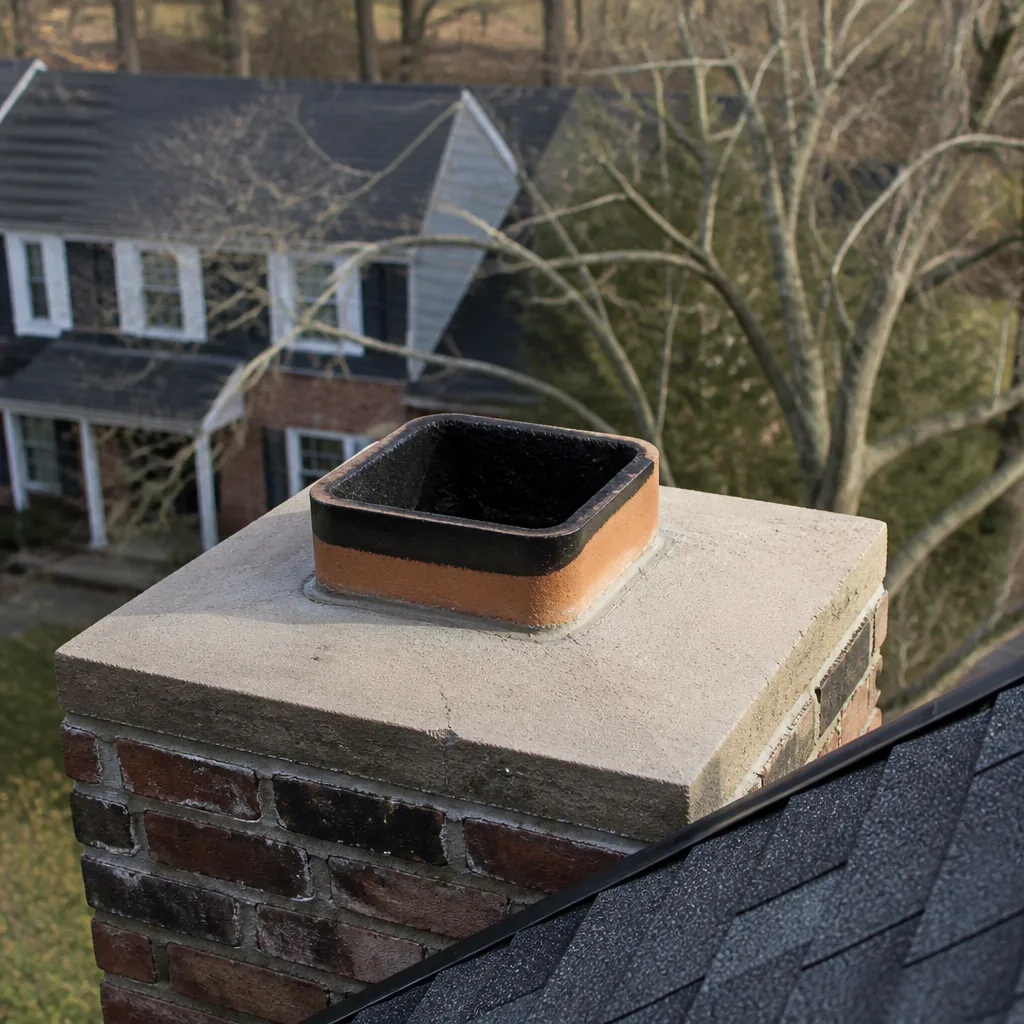 Sweep & inspection
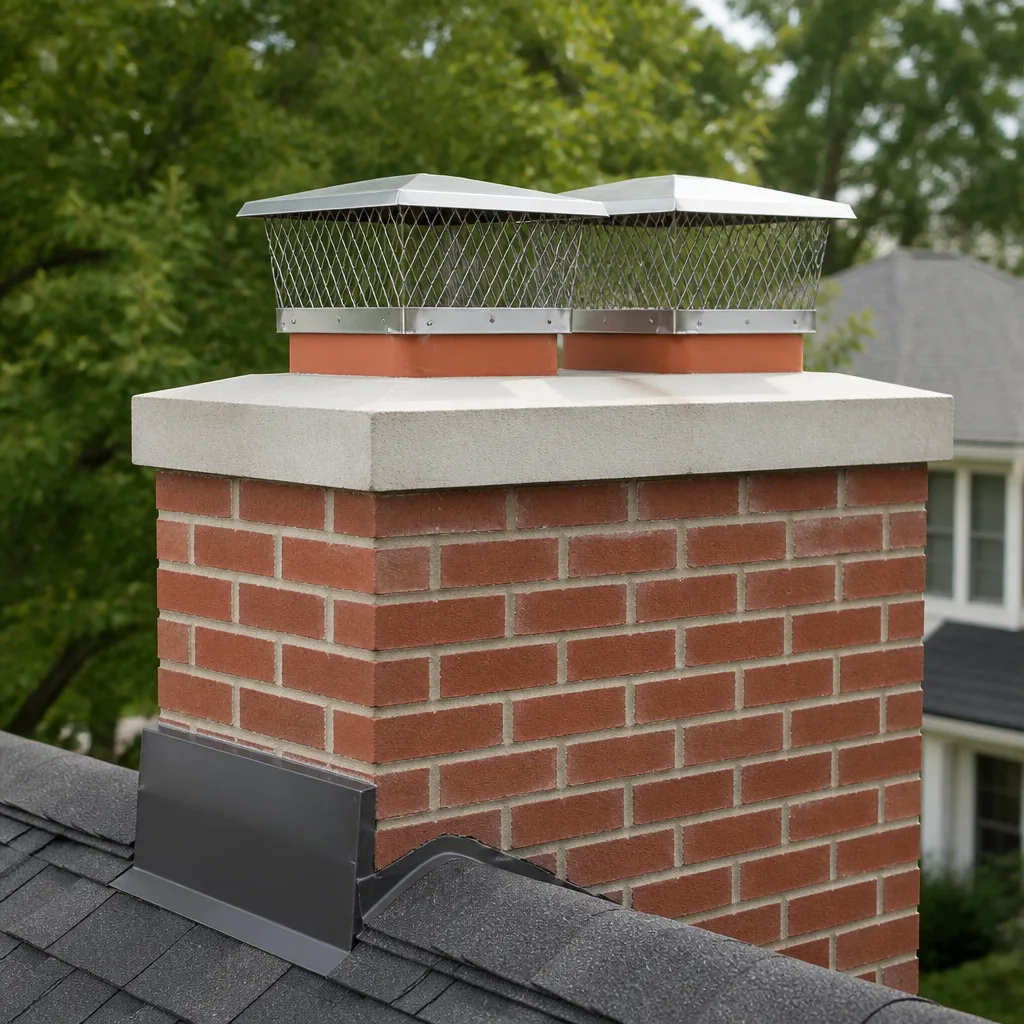 Caps & crowns
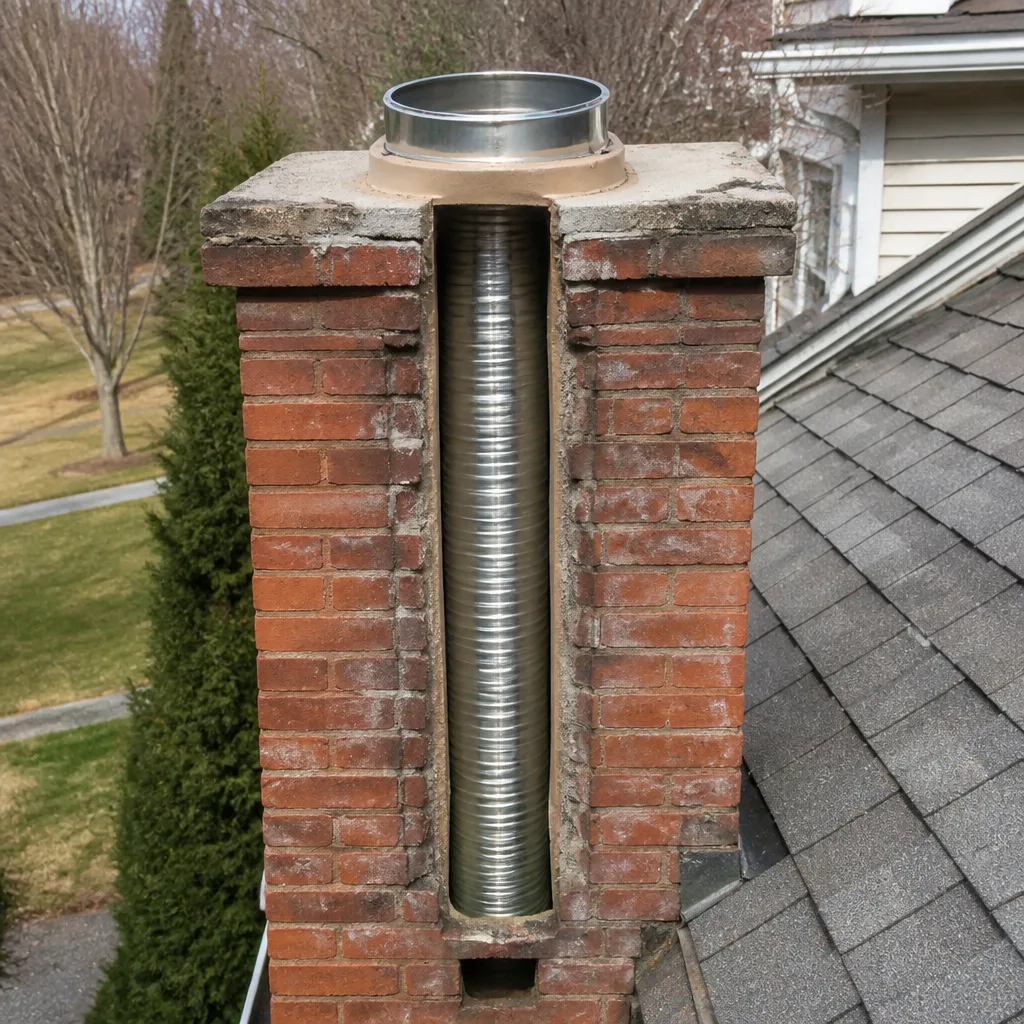 Flue relining
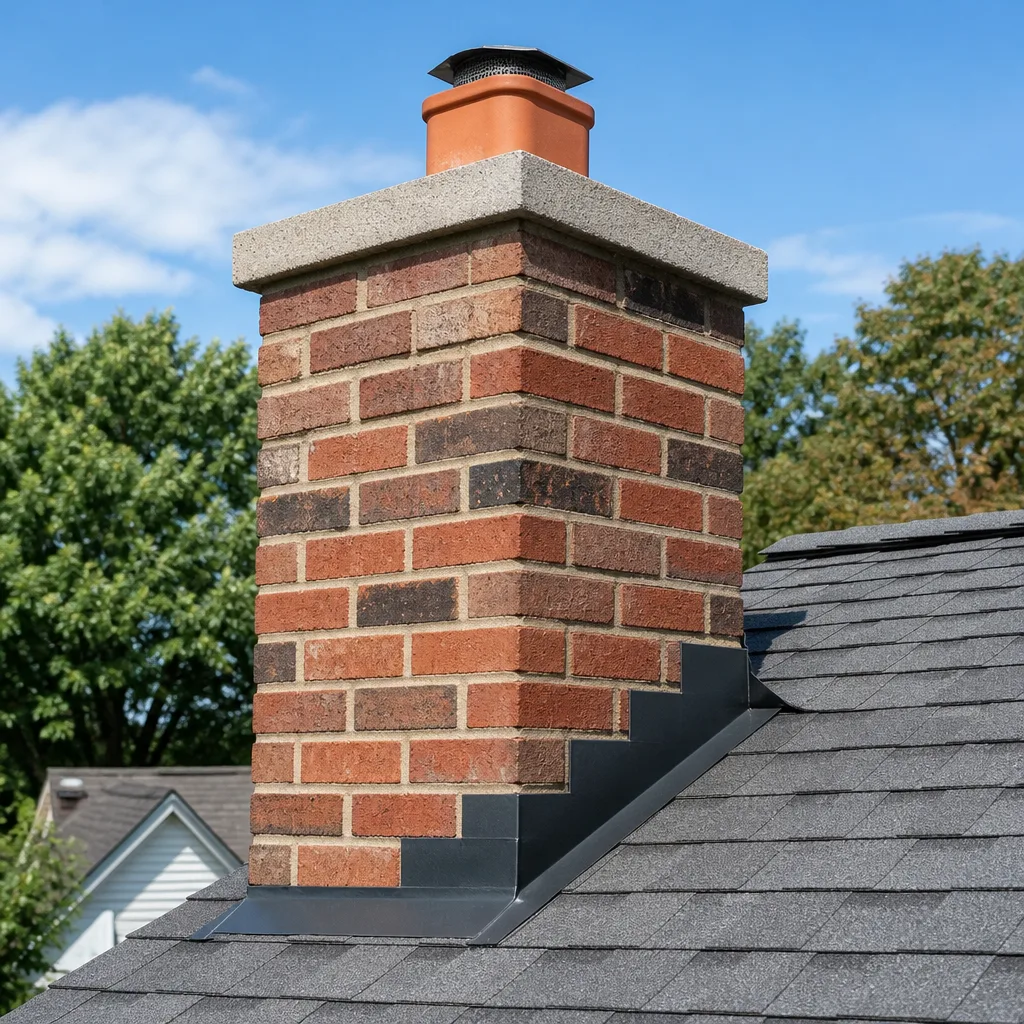 Masonry repair
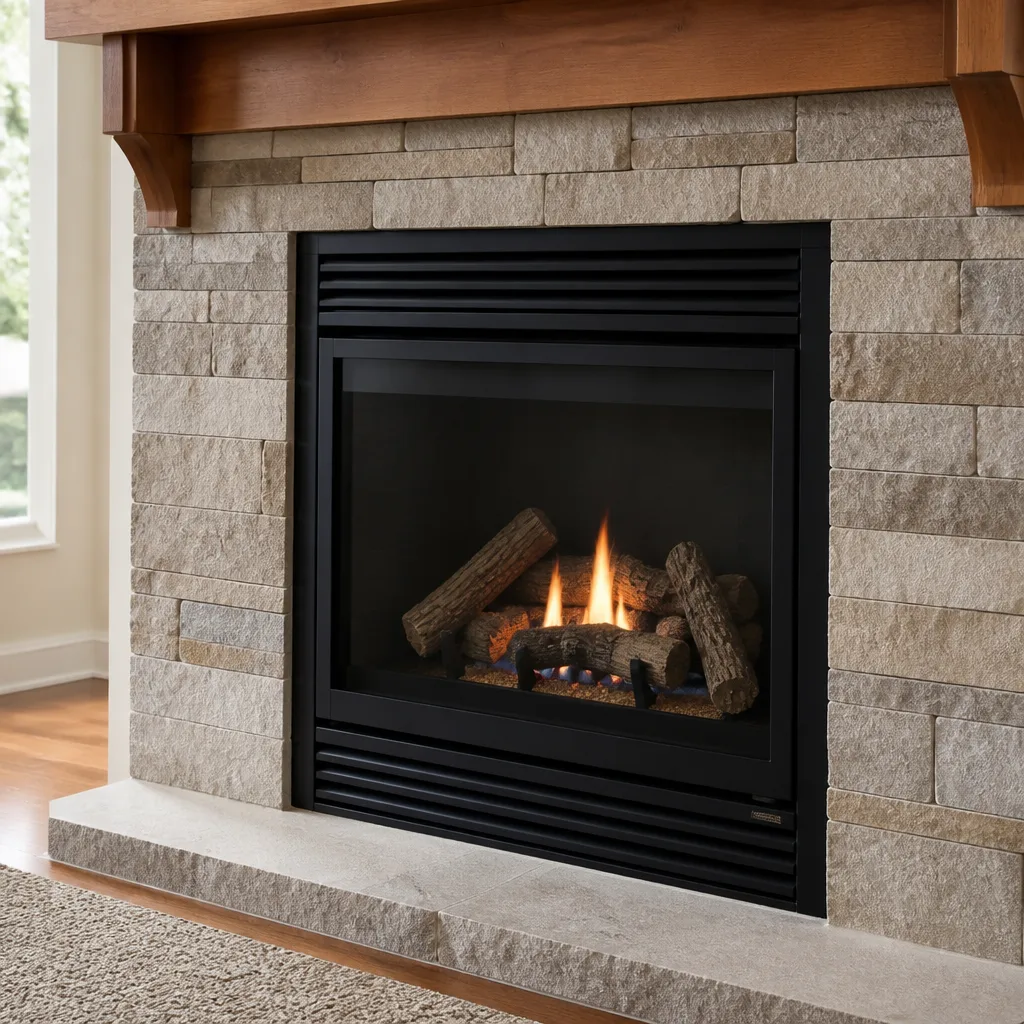 Gas fireplace service
Level 1 sweep and inspection to the NFPA 211 annual standard - flue, crown, cap, and flashing checked and photographed
Chimney sweep logs do not sweep chimneys. They loosen some creosote - which then falls where a brush and vacuum still have to collect it.
Chimney Sweep Maintenance Checklist for El Cajon Homeowners
The chimney crown is the most commonly ignored component on every maintenance checklist, and in El Cajon’s UV-intense, low-humidity environment, it’s often the first thing to crack and funnel water into the masonry below it. Homeowners focus on soot and creosote, but water intrusion through a deteriorated crown causes more structural damage than a dirty flue ever will. This guide walks you through each component of your chimney system, what degrades first in this specific climate, what you can check from the ground, and what genuinely requires a trained technician with a camera. By the time you finish reading, you’ll have a component-by-component reference you can use season after season, and you’ll know exactly when professional chimney sweep service in El Cajon is the right call.
Quick Answer
The essential chimney maintenance checklist for El Cajon homeowners covers seven components: crown, cap, flashing, liner, damper, smoke shelf, and firebox. Wood-burning fireplaces need a professional sweep and inspection every 40 to 60 fires or annually, whichever comes first. Gas inserts and decorative fireplaces follow a lighter schedule but still need an annual visual inspection to catch crown cracks and cap damage that El Cajon’s sun and seismic shifts accelerate.
Styles & brands we work with
Table of Contents
- Component-by-Component Checklists
- How El Cajon’s Climate Accelerates Chimney Wear
- What You Can Check vs. What Requires a Technician
- Maintenance Intervals by Fuel Type and Usage
- How to Document Chimney Condition Over Time
- Common Mistakes to Avoid
- When to Call a Professional
- Frequently Asked Questions
Component-by-Component Checklists
Every chimney is a system of parts, and each part fails in its own way. Here’s what to look for on each component, in the order problems typically appear in this region.
The Crown
The crown is the concrete or mortar slab that caps the top of the chimney structure around the flue opening. Its job is to shed water away from the flue and the masonry below. In El Cajon, the crown takes relentless direct sun from May through October. That UV exposure breaks down the cement binder in the crown over time, and the almost zero humidity means there’s no moisture to slow the curing and cracking cycle. Hairline cracks appear first, then widen into channels that let rainwater and morning condensation seep into the bricks below. A cracked crown is the leading cause of spalling brick and deteriorated mortar joints in this area. We recommend checking the crown visually twice a year from the ground with binoculars if you don’t want to get on the roof. Look for visible cracks, sections that appear lighter or chalkier than the rest, or any area where the crown looks like it’s separating from the flue tile.
The Cap
The cap sits over the flue opening and blocks rain, birds, and debris from dropping into the flue. A missing or damaged cap in El Cajon means more than wet fires. It means creosote gets rained on, which creates an acidic slurry that eats at the flue liner. It also invites nesting from starlings and sparrows, both common here. A good cap with a spark-arresting mesh is standard. Sources like Olympia Chimney and Famco produce caps from stainless steel and copper that hold up far better in this climate than galvanized hardware-store versions. Check that the cap is seated properly, the mesh is intact, and there are no visible gaps between the cap base and the crown.
The Flashing
Flashing is the metal that seals the intersection where the chimney meets the roof. In El Cajon’s dry summers and occasional heavy winter rains, flashing endures cycles of expansion and contraction that loosen sealant and open gaps. When flashing fails, water travels down the chimney chase and into the attic, often showing up as water stains on the ceiling near the fireplace. This is one component homeowners rarely inspect because it requires being on the roof or using a ladder at the roofline. A technician doing a chimney repair in El Cajon will inspect the flashing as part of a standard service call. Sometimes the fix is as simple as reapplying a proper sealant; other times the flashing itself needs replacement with a proper copper or stainless system.
The Liner
The liner is the inner wall of the flue that contains heat and combustion gases. In an older masonry chimney, the liner is usually clay tile. In newer construction or previously relined chimneys, it’s often a stainless steel system like DuraFlex. Clay tiles crack over time from thermal stress, and here’s what matters in El Cajon: the temperature difference between a cold winter morning and a hot fire inside the flue is significant, and years of that thermal cycling cause hairline fractures in clay. Once a liner cracks, exhaust gases and heat can reach the surrounding masonry and, in worst cases, combustible framing. A cracked liner is not something you can see from the ground. It requires a camera inspection. HeatShield resurfacing can restore a deteriorated clay liner without removing it, and DuraFlex flexible liner systems provide a permanent stainless reline when the clay is beyond repair. Both are solutions a full-system chimney contractor can install, but the first step is always seeing the actual condition.
The Damper
The damper is the metal plate just above the firebox that opens when the fireplace is in use and closes when it’s not. Over time, dampers warp from heat exposure, rust from moisture that finds its way past a failed cap or crown, or seize from soot accumulation and disuse. A damper that won’t close completely is an energy leak. It lets conditioned air escape up the chimney in summer and lets cold air drop into the living space in winter. A damper that won’t open fully is a smoke hazard. Worth knowing: many El Cajon homes with original fireplaces have throat dampers that are 30 or 40 years old, and most have never been cleaned or lubricated beyond a token scraping.
The Smoke Shelf
The smoke shelf is the flat or slightly concave area just above the damper and behind the firebox. Its job is to catch falling debris and help redirect downdrafts back up the flue. It’s also where creosote chunks, bird nesting material, and loose mortar collect. Over time, this accumulated debris can restrict airflow and become an additional fuel source in a chimney fire. A standard sweep includes cleaning the smoke shelf, but it’s rarely visible to a homeowner. If you’re getting occasional smoke blowback even with the damper fully open and the flue clear, the smoke shelf is often the culprit.
The Firebox
The firebox is the chamber where the fire actually burns. It’s lined with firebrick and refractory mortar designed to withstand direct flame contact. In El Cajon, where fireplaces generally get used four to six months of the year and then sit dormant through summer, the firebox goes through wet-dry cycles and thermal cycles that eventually break down the mortar joints. Check for bricks that wiggle, mortar that’s crumbling or falling out in chunks, or cracks wider than the edge of a penny. Small surface cracks are normal. Structural cracks, loose bricks, or gaps that you can see through are not, and they need a proper repair with refractory materials, not standard mortar.
How El Cajon’s Climate Accelerates Chimney Wear
El Cajon sits in a semi-arid Mediterranean climate zone. What that means for your chimney, specifically, is a combination of stressors that homeowners in more temperate or more humid regions simply don’t face.
First, the temperature swing. El Cajon sees summer highs routinely crossing into the 90s and 100s, and winter nights dipping into the 40s and sometimes the 30s. That’s a 50 to 60 degree daily range in some seasons. Masonry expands when heated and contracts when cooled. Mortar joints bear the brunt of that movement, and over years, the mortar begins to spall (flake and crumble away from the joint). A chimney in a more moderate climate might go 30 years without significant joint deterioration. In El Cajon, we commonly see spalling mortar on south-facing and west-facing chimney faces within 15 to 20 years, especially where sprinklers are pointed at the masonry.
Second, the aridity. Low humidity means no natural moisture buffer in the masonry. When rain does come, it’s often in short, intense bursts that hit dry mortar and crown material at its most porous. Dry material absorbs water faster than saturated material, which means a single heavy El Cajon rain event can do more water-intrusion damage than months of steady drizzle would in a more humid climate.
Third, seismic activity. El Cajon sits near major fault systems. Small tremors, the kind that don’t make headlines but happen regularly, can shift chimney structures by a millimeter here and there. Over a decade, that’s enough to open hairline cracks in the crown and mortar joints that wouldn’t otherwise appear. It also means chimney flashing, which is anchored to both roof and masonry, gets tugged in two directions during earth movement. That’s a real and specific reason to check flashing integrity regularly here, even if the roof itself looks fine.
Fourth, UV intensity. The crown material and any exposed sealant at the cap or flashing take a year-round beating from high-UV sunlight. UV degrades polymer-based sealants at an accelerated rate, which means caulk and patch products that would last 10 years in Oregon or Washington may fail in 3 to 5 in El Cajon. This is precisely why professional chimney caps and components from manufacturers like Copperfield and Famco, which use UV-stable materials, hold up where cheaper products don’t.
What You Can Check vs. What Requires a Technician
Let’s be straight about this. Some chimney maintenance is genuinely DIY-friendly. Some requires specific tools, cameras, and experience. Knowing the difference saves you money and keeps you from creating a hazard by poking at something you don’t fully understand.
Safe to Eyeball From the Ground
- Crown condition (binoculars): Look for visible cracks, chalky patches, or separation from the flue tile. You’re not fixing it from the ground, but you’re catching it early.
- Cap presence and alignment: If the cap is missing or tilted, you can see it from the yard. That’s a service call, not a ladder project.
- Spalling brick and mortar: Walk around the base of the chimney and look for brick chips on the ground, or visible flaking on the chimney face. That’s the masonry telling you water is getting in.
- Efflorescence: White, chalky residue on the exterior brick is mineral deposits left behind by evaporating water. It means water is moving through the masonry. It’s a sign to call, not a cleaning project.
- Damper operation (from the firebox): With the fireplace cold, open and close the damper. It should move freely and you should feel it seat when closed. Creaking or stiffness is normal for older dampers, but a complete failure to move is a problem.
Requires a Trained Technician With a Camera
- Liner condition: You cannot see the liner from the ground or from the firebox in most homes. A proper inspection uses a specialized chimney camera that shows cracks, gaps, and deteriorated mortar joints between flue tiles.
- Smoke shelf buildup: Debris here is hidden behind the damper. A technician reaches it during a sweep with specialized brushes and vacuums.
- Flashing integrity at the roofline: Unless you’re comfortable and experienced working on roofs, this is not a DIY inspection. Technicians inspect this as part of a standard visit.
- Concealed water damage behind walls or ceilings: If you’re seeing stains near the chimney, the water has been traveling for a while. Finding the entry point requires experience tracing water paths through structure.
- Any repairs involving the liner, crown resurfacing, or damper replacement: These are not handyman jobs. Improper repairs create fire hazards and may violate building codes.
Here’s the thing. The camera inspection is the single most valuable part of a professional chimney service. It turns a visual guess into an actual record of what’s happening inside the flue. Nothing gets recommended for repair without footage the homeowner can see. If a sweep tells you that you need a liner or a crown replacement and can’t show you the problem, get a second opinion.
Maintenance Intervals by Fuel Type and Usage
Maintenance frequency isn’t one-size-fits-all. It depends on what you burn, how often you burn it, and what kind of system you have.
Wood-Burning Fireplace (Primary Heat Source)
If you burn wood more than three times a week during the season, you’re putting down creosote faster than an occasional user. The rule of thumb: a professional sweep and camera inspection every 40 to 60 fires, and never less than once per year before the burning season starts. In El Cajon, that typically means scheduling in September or early October, before the first cold snap sends everyone calling at once. Burn only seasoned hardwood, and you’ll build creosote slower. Burn green wood or soft wood like pine, and you can build up enough creosote in 30 fires to create a real chimney fire risk.
Wood-Burning Fireplace (Occasional Use)
If you burn once every week or two during winter, and the fire is mostly for ambiance rather than heat, you’re still producing creosote, just slower. Annual sweeping is still the standard recommendation, but if the technician’s camera shows minimal buildup after a full season of your typical usage, you might extend to 18 months. Key point: the inspection matters as much as the sweep. Crown cracks, cap issues, and flashing failures happen whether you burn 5 fires or 50.
Gas Insert
Gas inserts don’t produce creosote, which leads homeowners to think they need no maintenance at all. That’s wrong in the other direction. Gas combustion produces acidic water vapor that condenses inside the chimney structure. Over time, that vapor can deteriorate mortar and damage the interior of the chase. Gas systems also have vents and components that need cleaning and inspection. Annual inspection is recommended. A sweep is generally not needed, but the inspection should include the venting path for blockages, the termination cap, and the firebox itself.
Decorative Gas Log Set (No Insert)
These are the ceramic log sets that burn in an open fireplace with the damper open. They produce water vapor and combustion byproducts even though there’s no creosote. The damper needs to remain operational, and the flue needs annual inspection to make sure the products of combustion are venting properly. Carbon monoxide risk is real if the damper fails in the closed position or the flue gets obstructed.
No-Burn Decorative Fireplace
If the fireplace is entirely decorative, with candles or an electric insert, the chimney still needs occasional structural inspection. Water intrusion through a cracked crown doesn’t care if you never light a fire. Check the exterior every couple of years, and consider a full camera inspection every 3 to 5 years just to establish a baseline.
How to Document Chimney Condition Over Time
Here’s something almost no maintenance guide tells you. The biggest mistake El Cajon homeowners make is not the neglected crown or the missed sweep. It’s the absence of a baseline. Without a record of what your chimney looked like last year, or three years ago, you can’t tell if a crack is new or has been there forever, and you can’t prove whether a recommended repair is actually a change.
Create a simple chimney file. Here’s how:
- Take photos. Stand in the same spot in your yard, once in spring and once in fall, and take three photos: the full chimney face, the top (from as high an angle as you can safely get), and the area around the base. Store them in a folder on your phone or computer with the date.
- Keep service records. Every sweep, inspection, or repair report goes in the file. The report should include photos from the camera inspection. If the technician can’t or won’t provide those, that’s a red flag.
- Note burning habits. Write down roughly how many fires you burned that season and what kind of wood. It doesn’t need to be precise. Estimates are fine. This gives you a way to correlate usage with buildup levels.
- Watch for changes. Compare new photos against old ones. A crack that was 1/16 inch and is now 1/8 inch is getting worse. A crack that’s been identically sized for three years is stable and can often be left alone.
- Keep the baseline. If you’ve just bought a home with a fireplace and have no records, a camera inspection from a Chimney Sweep in El Cajon is the right first step. That report becomes your baseline. Everything after that gets compared against it.
This documentation practice has a practical payoff in both directions. It prevents over-servicing, because you can refuse a repair when the evidence shows the condition hasn’t changed. And it catches genuine deterioration early, when fixes are cheaper and less invasive. An informed homeowner with records is the hardest customer to upsell, and that’s exactly how it should be.
Common Mistakes to Avoid
- Ignoring the crown until water damage appears inside. By the time you see a ceiling stain or spalling brick, the crown has been cracked for years. Check it every six months. Replace or repair it before it becomes a bigger masonry problem.
- Burning green wood because it was cheap or convenient. Green wood produces dramatically more creosote than seasoned hardwood. That creosote buildup in El Cajon’s dry summer sits in the flue, and once it reaches a certain thickness, a single hot fire can ignite it. Season your wood at least 6 to 12 months.
- Assuming gas inserts need no maintenance. The combustion byproducts from gas are different but not harmless. Annual venting inspection is not optional.
- Sealing visible cracks with hardware-store caulk. Regular exterior caulk is not rated for the temperatures and expansion cycles a chimney crown goes through. It fails quickly and gives a false sense of repair. Crown repairs need proper crown coat or crown rebuild materials.
- Skipping the dryer vent while focusing on the chimney. Your dryer vent in El Cajon carries lint and heat through an enclosed space. Lint buildup is a leading cause of residential fires. A full-system chimney sweep that also handles dryer vents closes that gap.
- Getting a sweep but skipping the camera inspection. A sweep cleans what’s reachable. A camera inspection tells you the condition of the liner, the tile joints, and the mortar. In an older El Cajon home, the liner might be the original clay from construction. Sweeping alone tells you nothing about whether that liner is cracked.
- Waiting until November to schedule. Every chimney professional in this region is booked weeks out by late October. Schedule your pre-season sweep and inspection in September. You’ll get better availability and you’ll be covered before the first fire.
When to Call a Professional
Call a professional when you see crown cracking, spalling masonry, visible efflorescence, or a cap that’s damaged or missing. Call when you get smoke blowback even with the damper open, when ceiling stains appear near the chimney, or when your camera inspection from a previous year showed a liner crack that hasn’t been addressed. Call before burning season if you haven’t had a sweep and inspection in the past 12 months. And call if you’ve been told by another contractor that you need liner work or masonry repair and you want an honest second look. Acorn Chimney Sweep offers free estimates in El Cajon. Call (844) 510-0293 and we’ll schedule a proper inspection with camera footage you can see for yourself.
Frequently Asked Questions
A wood-burning chimney in El Cajon should be swept every 40 to 60 fires, or at minimum once per year before the burning season. Gas inserts don’t require sweeping but should be inspected annually for venting integrity and condensation damage.
Expect to pay for a sweep and camera inspection as a combined service. Pricing varies by chimney height, accessibility, and condition. For an exact figure on your specific chimney, call (844) 510-0293. Estimates are free, and the price is agreed before any work begins.
Not always. A liner recommendation should be backed by camera footage showing cracks, gaps, or deteriorated mortar joints. If the footage clearly shows significant damage, relining with a system like DuraFlex or resurfacing with HeatShield may be the right fix. If you’re not shown the footage, get a second opinion before authorizing the work.
Skipped maintenance lets creosote build up and lets water intrusion continue unaddressed. The main risks are a chimney fire from accumulated creosote, structural masonry damage from water freezing and thawing inside the brick, and carbon monoxide intrusion if the flue becomes obstructed. Each of these is more expensive to fix than the maintenance that prevents it.
You can remove some loose soot from the firebox and the first couple feet of flue, but you cannot safely or thoroughly remove creosote from the upper flue, the smoke shelf, or the damper area with a homeowner brush kit. You also can’t inspect the liner for cracks. The professional sweep includes equipment and camera inspection that a DIY effort can’t replicate. For a full-system approach with chimney repair in El Cajon capabilities when problems surface, a specialist is the right call.
It’s a different system but the same category of risk. Clothes dryers produce lint that accumulates in the vent line, and lint is combustible. Dryer vent fires are among the most common residential fire types. Any household running a dryer should have the vent cleaned on a schedule matched to usage, typically annually for a family-sized household. Dryer vent cleaning in El Cajon is part of a full-system approach.
The Bottom Line
Chimney maintenance in El Cajon isn’t a single annual task. It’s a system of checks, timed to your usage and your structure, and grounded in a baseline you can compare against. The crown degrades first in this climate. The liner cracks from thermal cycling and seismic movement. The cap and flashing protect against water that enters invisibly and causes damage you won’t see until it’s expensive. Document your chimney’s condition. Schedule maintenance before the season, not during it. And when a repair is recommended, demand to see the camera footage that justifies it. That’s the genuinely useful checklist. Everything else is just noise.
Written by the team at Acorn Chimney Sweep, serving El Cajon since 2015.
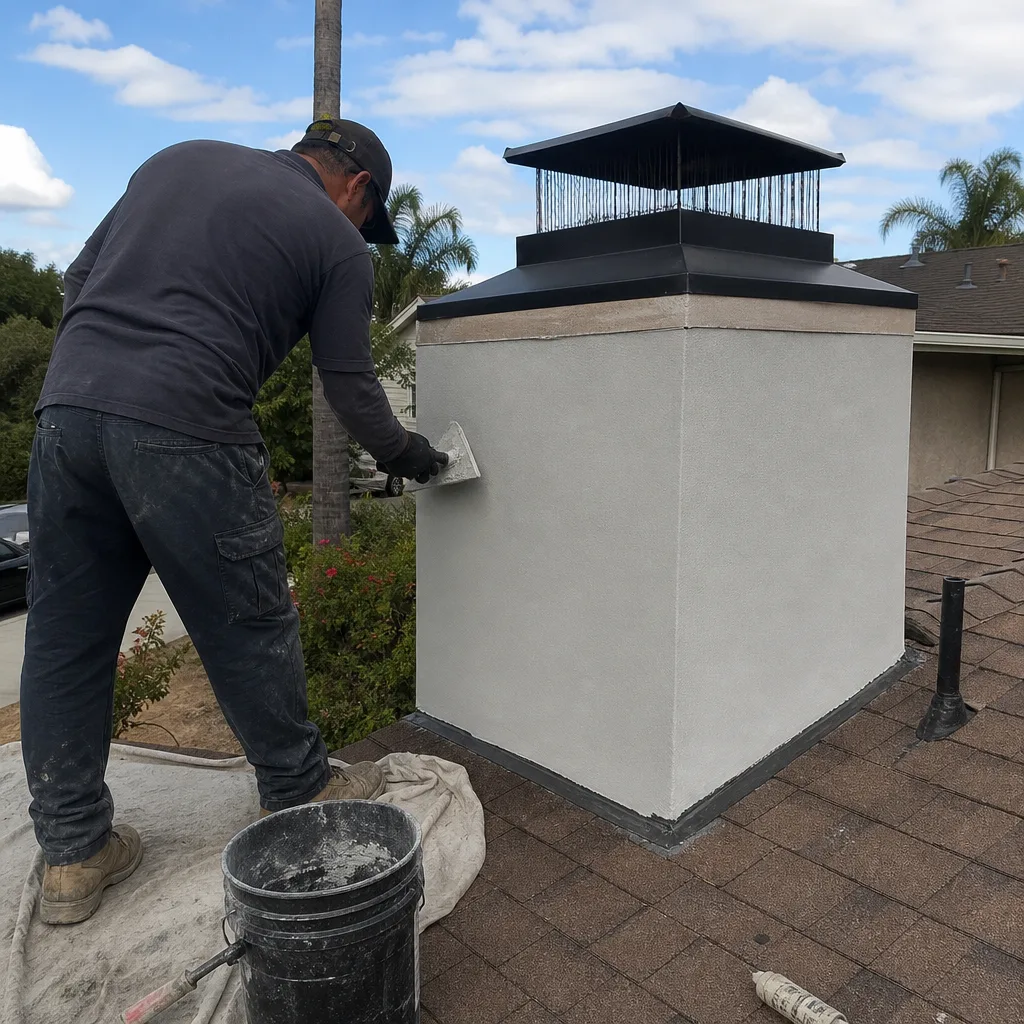
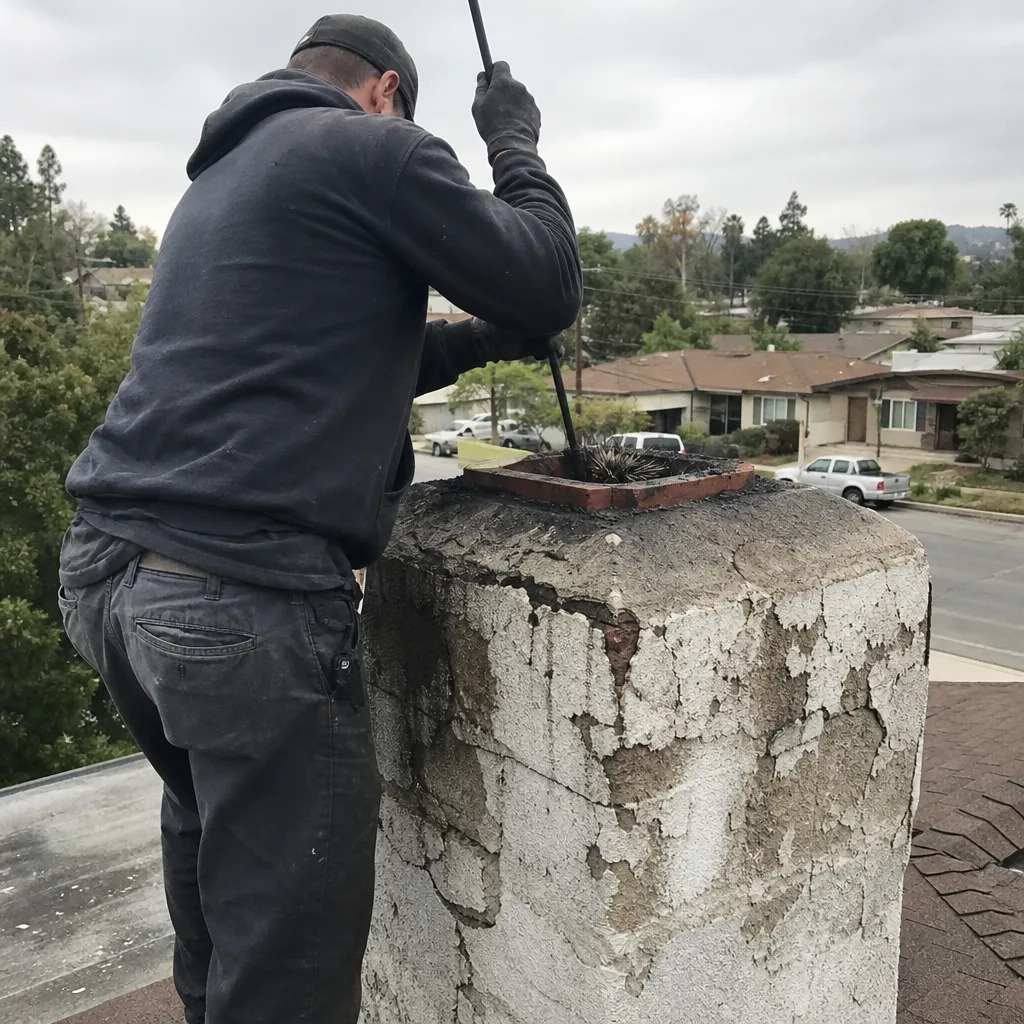
See the difference
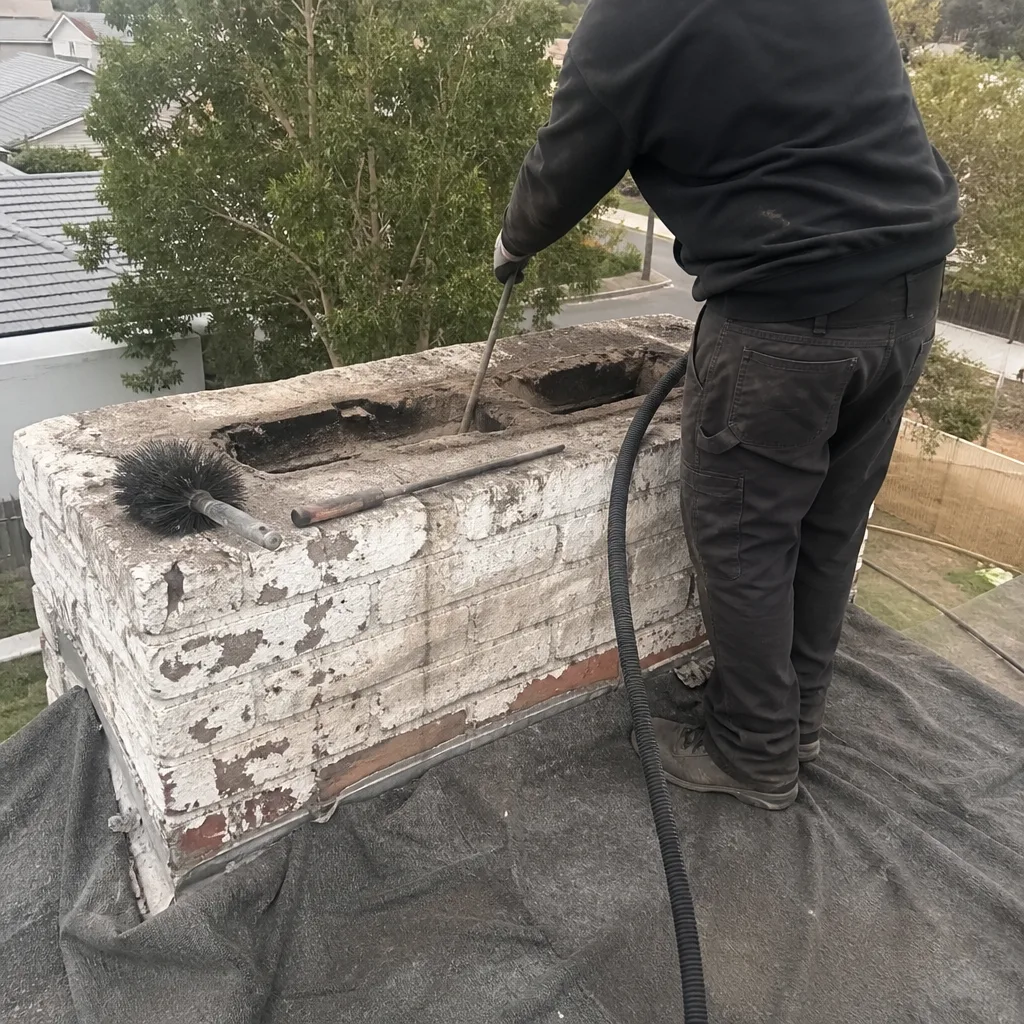 Before
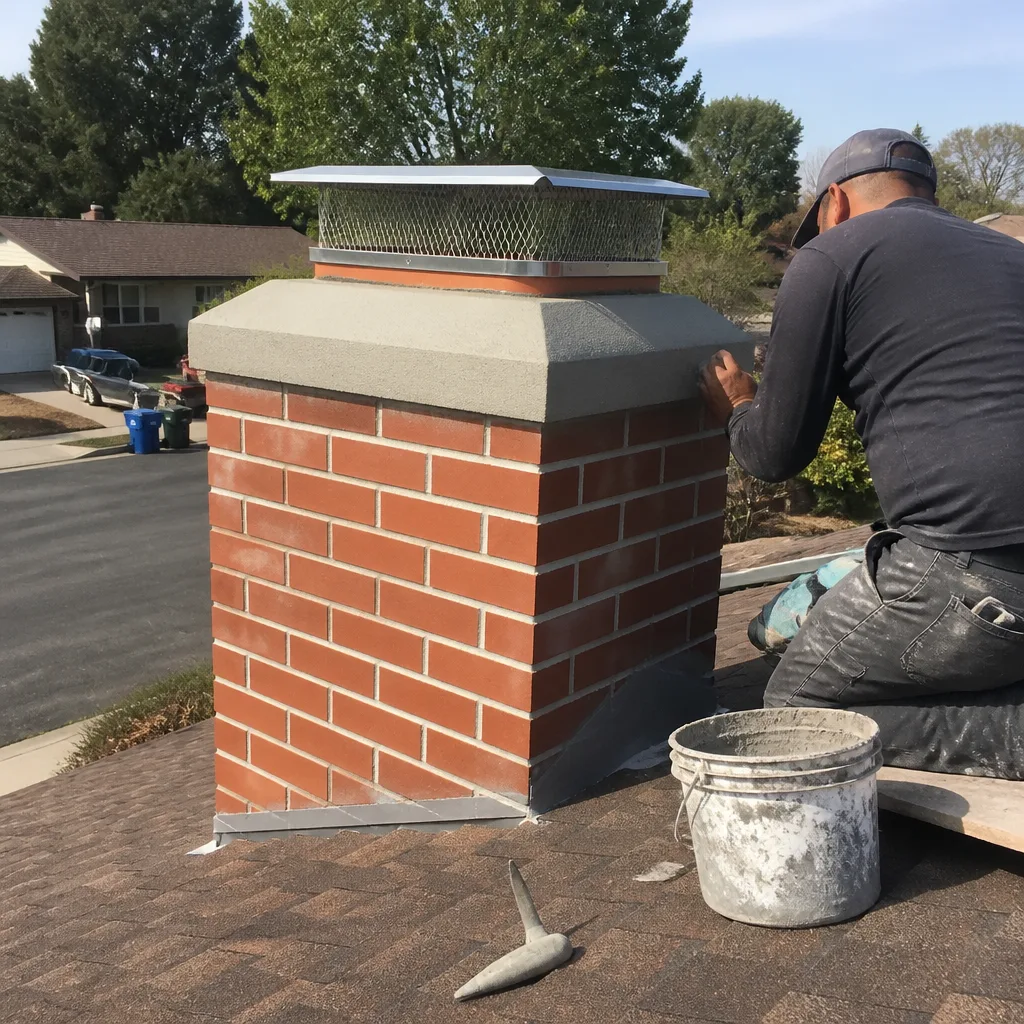 After
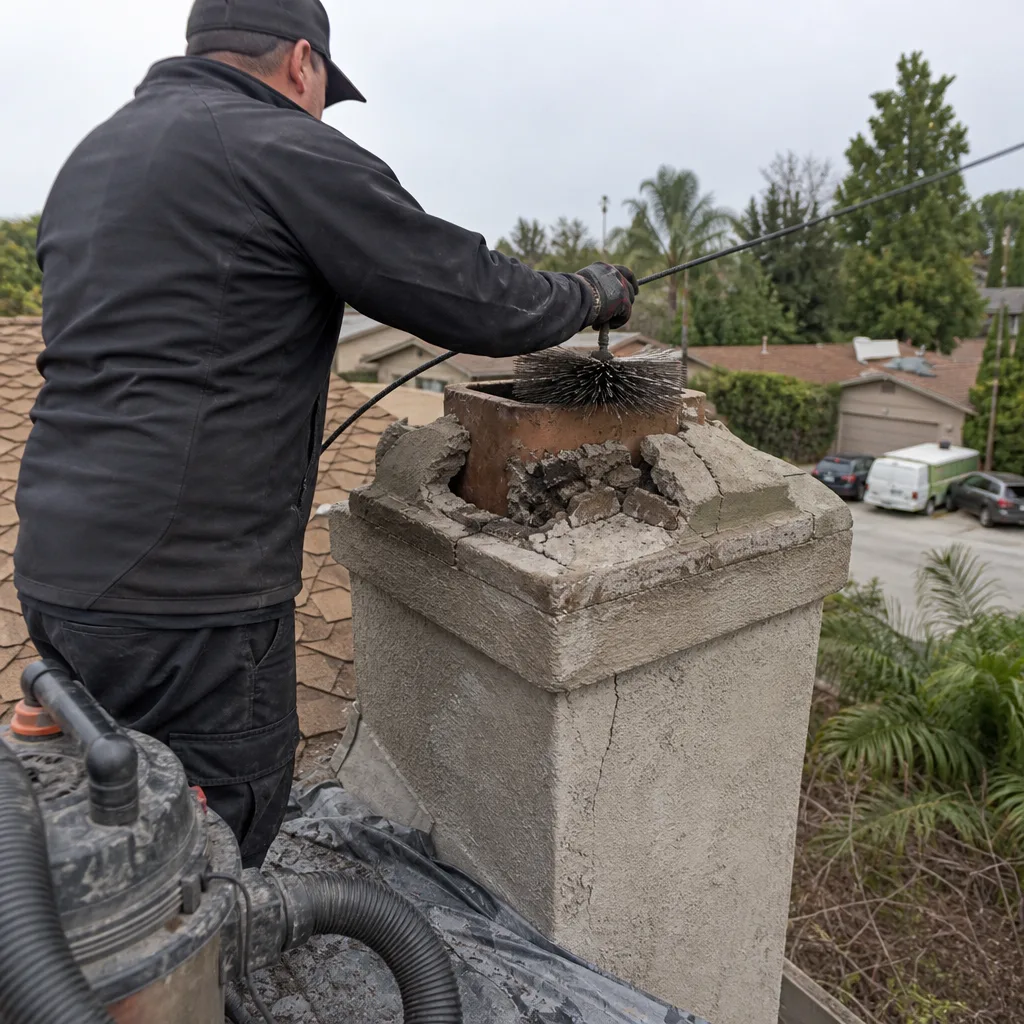 Before
 After
 Before
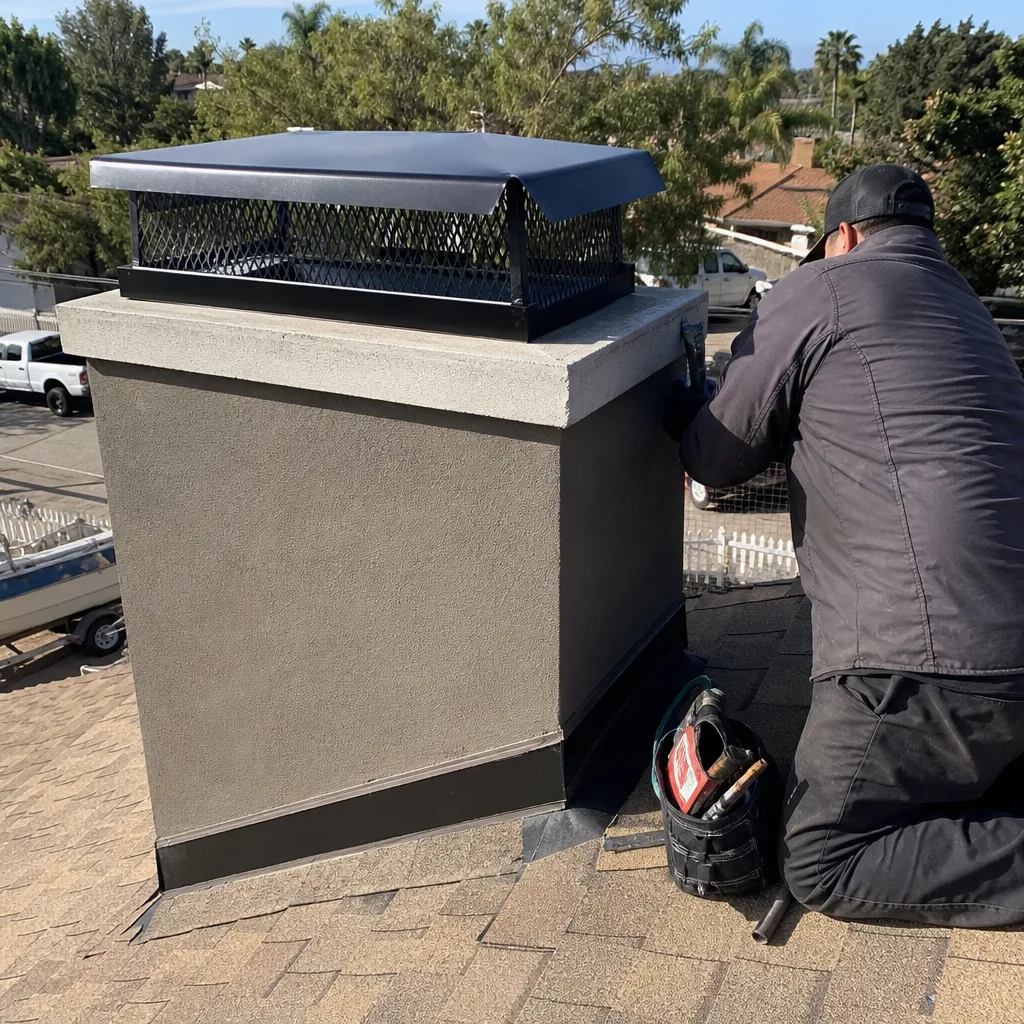 After