
Last updated October 30, 2026
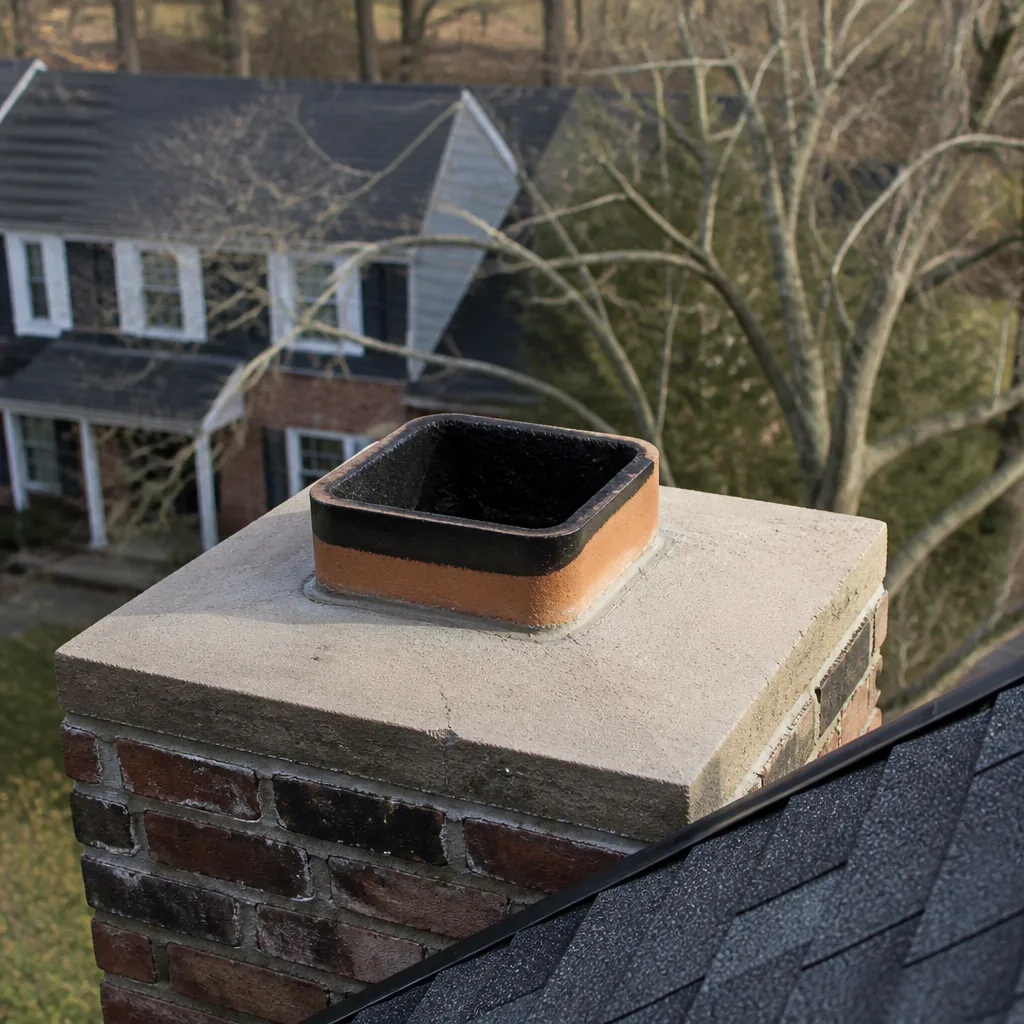 Sweep & inspection
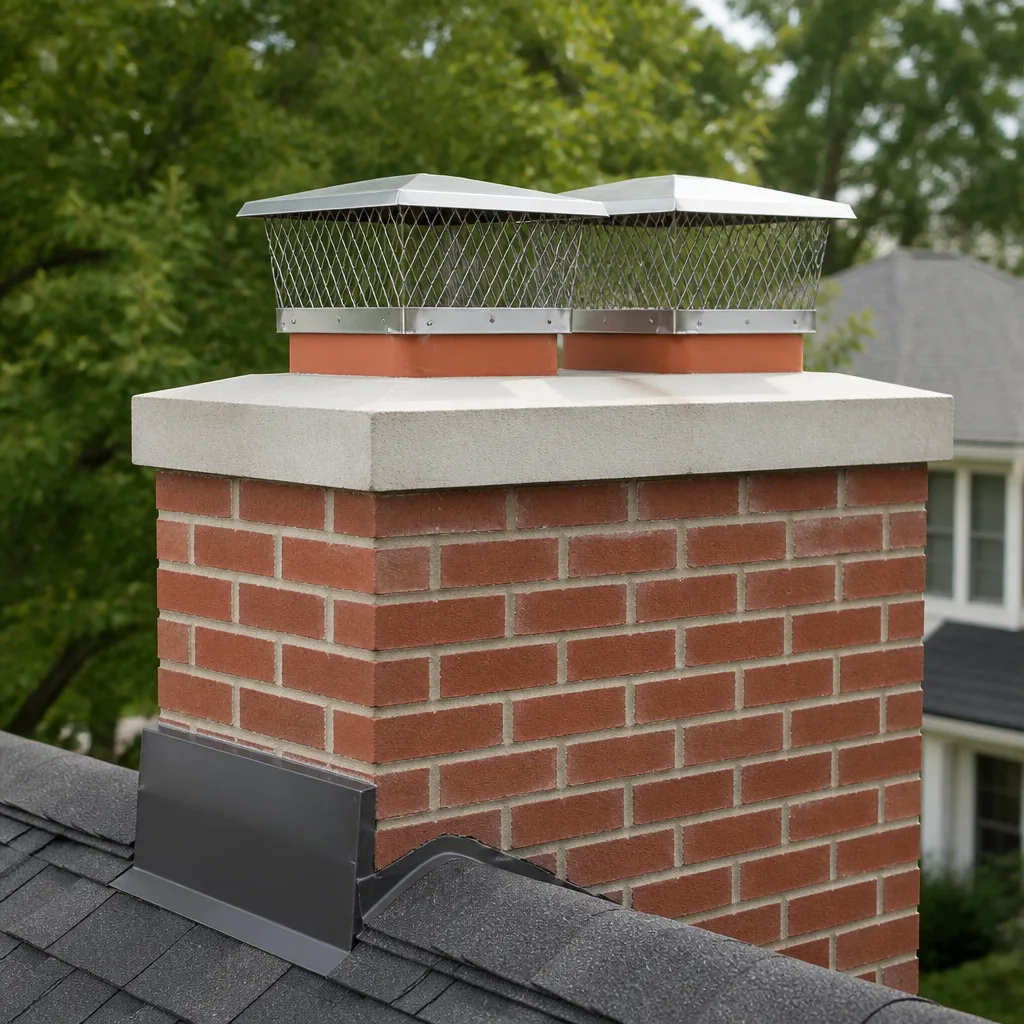 Caps & crowns
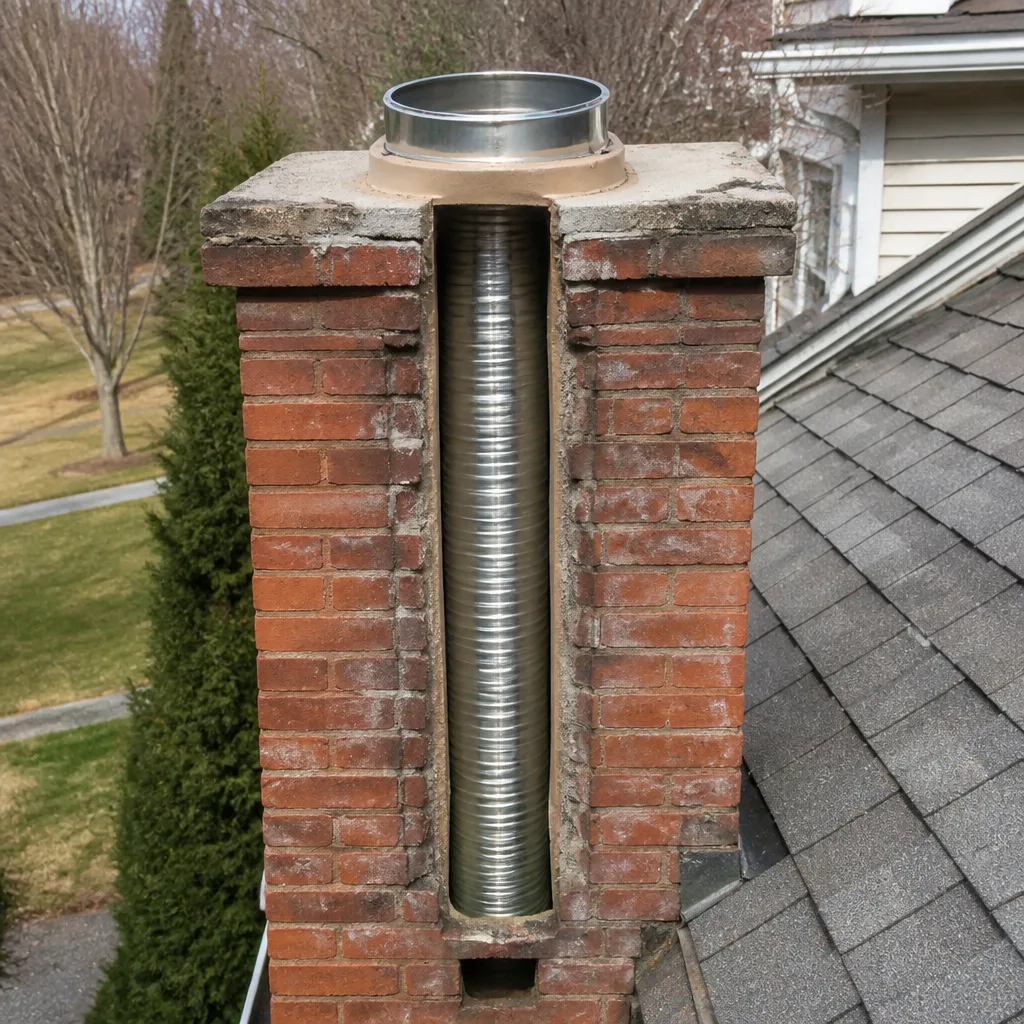 Flue relining
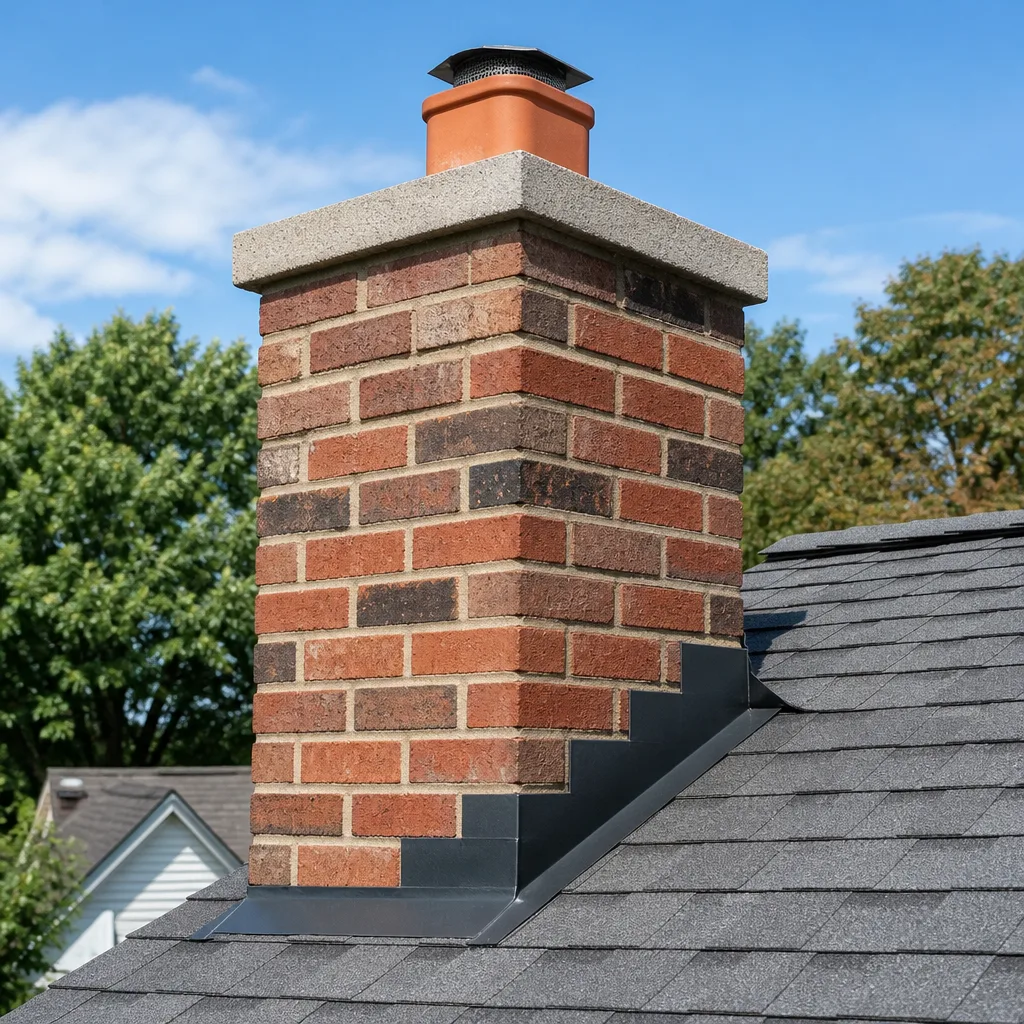 Masonry repair
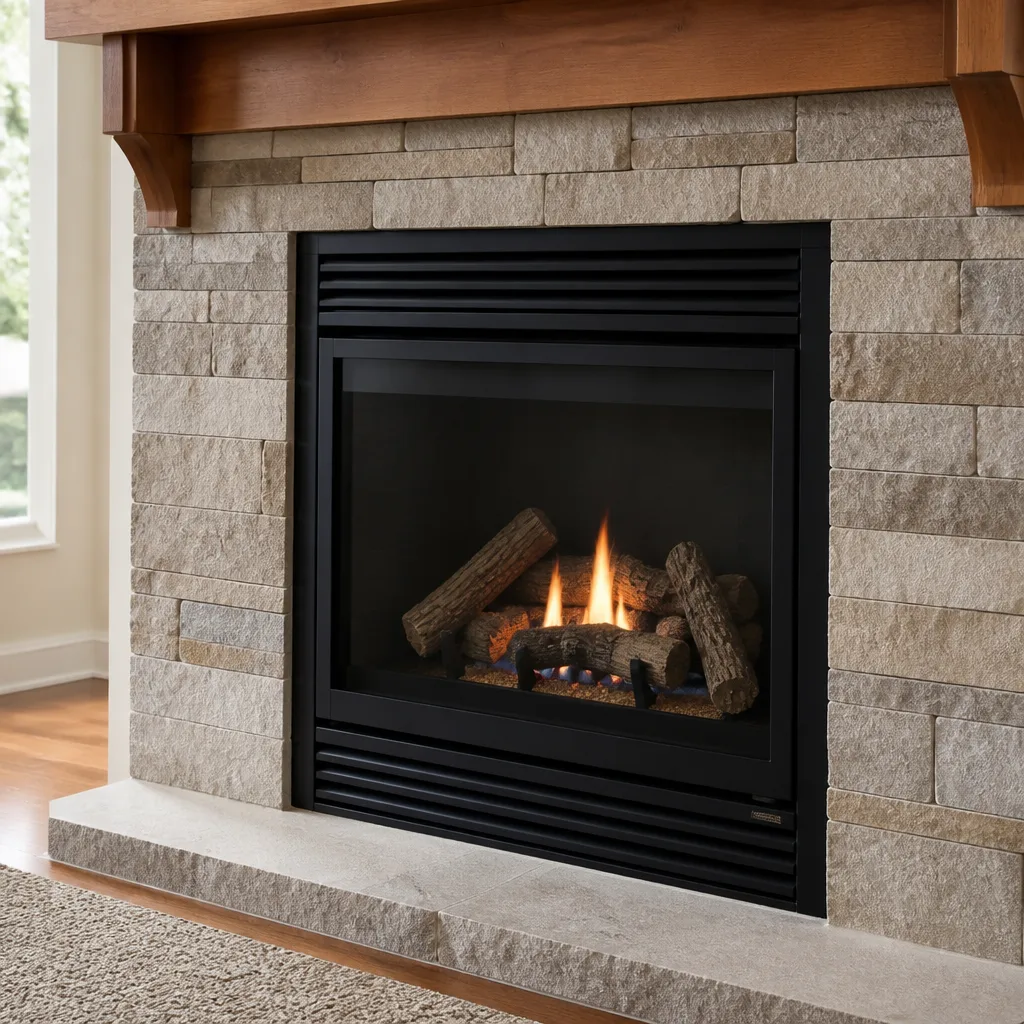 Gas fireplace service
Level 1 sweep and inspection to the NFPA 211 annual standard - flue, crown, cap, and flashing checked and photographed
Chimney sweep logs do not sweep chimneys. They loosen some creosote - which then falls where a brush and vacuum still have to collect it.
Chimney Cleaning Emergency Preparedness Guide for El Cajon Homes
A chimney fire doesn’t always roar and shoot flames from the top. In fact, the most dangerous kind is the one you never see. Slow-burning creosote fires can smolder inside a flue for hours, quietly damaging the liner without producing visible flame or enough noise to alert anyone in the house. Homeowners in El Cajon sometimes don’t know one has occurred until a subsequent inspection reveals charred liner segments and cracked mortar joints. This guide walks you through what to do before, during, and after a chimney-related emergency, with specific attention to the fire-risk and carbon monoxide realities that make El Cajon homes uniquely vulnerable.
Styles & brands we work with
Quick Answer
Chimney emergency preparedness for El Cajon homes means three things: knowing how to recognize an active chimney fire in the first 60 seconds, understanding why a fireplace must stay cold until a Level 2 inspection clears it, and preventing the creosote buildup and flue blockages that cause most emergencies in the first place. If you suspect a chimney fire, evacuate and call 911 immediately, then call (844) 510-0293 for a post-fire inspection before using the fireplace again.
Table of Contents
- How to Recognize an Active Chimney Fire
- The First 60 Seconds: What to Do
- Post-Fire Protocol: Why the Fireplace Stays Cold
- Carbon Monoxide Risk in Gas Fireplaces and Inserts
- Why El Cajon’s Fire Risk Makes Chimney Maintenance a Community Issue
- Documenting a Chimney Fire for Insurance
- Prevention: The Preparedness You Control
- Common Mistakes to Avoid
- When to Call a Professional
- Frequently Asked Questions
- The Bottom Line
How to Recognize an Active Chimney Fire
Chimney fires fall into two categories, and they behave very differently. A free-burning chimney fire is loud and dramatic: a roar that sounds like a freight train or a low-flying jet, flames shooting from the chimney top, and dense smoke. These are unmistakable and usually prompt an immediate 911 call. The quieter threat is the slow-burning creosote fire. Creosote is the tar-like byproduct of wood combustion that condenses on flue walls, and when it ignites, it can burn at temperatures exceeding 2,000°F without ever producing visible flame outside the chimney.
Here’s what to listen for, look for, and feel for:
- Sound: A crackling or popping noise inside the chimney, sometimes described as the sound of dry twigs burning. A low rumble that doesn’t match the normal fire sounds from the firebox.
- Smell: An acrid, hot tar odor that intensifies even when the fire is small. Some homeowners describe it as smelling like a hot asphalt driveway.
- Thermal indicators: The wall or mantel around the chimney feels unusually hot to the touch. A stainless steel chimney pipe may show discoloration or warping. In El Cajon’s older homes, you may notice heat radiating through brick that normally stays cool.
- Visual from outside: Dense, dark smoke that doesn’t match the fire size, or embers and sparks ejected from the chimney cap.
In our experience, the slow-burning type is the one that catches homeowners off guard. The fire in the firebox looks normal. The room is comfortable. But inside the flue, creosote deposits are burning against the liner, and the heat is transferring to whatever surrounds the chimney. That’s where the structural damage begins. If you’re a homeowner in El Cajon and you’ve noticed any of these indicators during a fire, the correct response is the same regardless of severity: treat it as an active chimney fire.
The First 60 Seconds: What to Do
Your first priority is not saving the house. It’s getting everyone out of it. Here is the sequence, in order, with no skipped steps.
- Alert everyone in the home. Shout loudly and plainly. Don’t rely on smoke alarms alone, especially if the fire is contained inside the flue and hasn’t triggered them yet.
- Evacuate immediately. Everyone leaves through the nearest exit. No collecting valuables, no pets hunting unless they’re immediately accessible. The house can be replaced. People cannot.
- Close the door behind you if it’s safe to do so. This limits oxygen available to the fire, which can slow its growth until firefighters arrive.
- Call 911 from outside the home. Tell the dispatcher you have a chimney fire, not just a house fire. This helps them anticipate what they’ll find: fire possibly extending into walls, attic spaces, or the roof structure.
- Shut off the fireplace air supply only if you can reach the damper lever without reaching into or above the firebox. Do not close the damper by hand if it requires reaching over flames. A metal damper lever that’s accessible from the hearth is one thing. Leaning into the firebox is another. If there is any doubt, leave the fire alone and get outside.
- Do not climb onto the roof. Chimney fires can cause sudden structural failure of the flue and stack. A person on a roof has no escape if the stack collapses or if flames shoot through a cracked crown.
Once the fire department has cleared the scene, the emergency response is not over. It has simply entered its second phase: assessment and documentation.
Post-Fire Protocol: Why the Fireplace Stays Cold
The single most consequential mistake a homeowner makes after a chimney fire is lighting the fireplace again too soon. The logic is understandable: the fire department left, the house seems fine, and winter in El Cajon still gets cold enough to want a fire. But here’s what you can’t see: chimney fires routinely damage flue tiles, crack mortar joints, and compromise the liner in ways that allow the next fire to reach combustible framing. In some cases, the fire damages the chimney internally while leaving the exterior brick looking completely normal.
This is precisely why a Level 2 inspection is mandatory after any suspected or confirmed chimney fire. A Level 2 inspection is defined by the National Fire Protection Association (NFPA 211) and is far more thorough than the visual Level 1 inspection you’d get during routine maintenance. It includes:
- Access to the attic, crawl space, and basement to inspect the exterior of the chimney structure for heat transfer damage
- Video scanning of the flue interior to identify cracked tiles, charred creosote, sections of missing mortar, and warped metal liners
- Assessment of the chimney cap, crown, and spark arrestor for fire damage and warping
- Verification that the flue is still structurally sound and properly sized for the appliance it vents
In our experience working with homeowners after chimney fires, the damage is rarely limited to what a camera sees on the first pass. Heat travels through masonry in unpredictable ways. A fire that burned for ten minutes in the flue may have heated the surrounding brick enough to ignite a ceiling joist that’s been touching the chimney for 40 years. That’s not alarmism. That’s structural reality. After a chimney fire in an El Cajon home, the only responsible action is to keep the fireplace cold until a certified professional completes the Level 2 inspection and gives the clearance in writing.
If the inspection does reveal liner damage, there are repair paths that don’t require tearing the chimney apart. HeatShield resurfacing systems can restore a deteriorated flue by applying a ceramic-cement compound that seals cracks and fills voids. For chimneys with more extensive damage, a DuraFlex flexible liner system provides a structural relining solution that’s installed from the top down without full demolition. These are the same approaches we use when we inspect a chimney that’s been through a fire, and the goal is always the same: make the chimney safe to use again without requiring the homeowner to rebuild it from scratch. What we never do is recommend a repair that the video scan doesn’t support. If the camera shows a clean flue, we say so. If it shows damage, we show you the footage.
For homeowners who want to understand exactly what goes into a professional sweep before an emergency happens, our Chimney Sweep in El Cajon page covers the full scope of what a Level 1 inspection includes during routine service, and what condition thresholds trigger a recommendation for deeper assessment.
Carbon Monoxide Risk in Gas Fireplaces and Inserts
Chimney fires get the dramatic attention, but carbon monoxide (CO) is the quieter killer, and it’s especially relevant to gas fireplaces and gas inserts, which many El Cajon homeowners use as their primary winter heat source. A wood fire gives you visible smoke and flame as warning signals. A gas fire produces combustion byproducts that are largely invisible, and when the flue is blocked or the liner is cracked, CO doesn’t announce itself. It accumulates.
The mechanics are straightforward. Gas combustion produces carbon monoxide as a natural byproduct. Under normal conditions, the flue vents that CO to the outside. When a chimney is partially blocked, the gas no longer draws up and out. It spills into the living space instead. The same thing happens when a liner cracks: the flue loses its ability to maintain draw, and combustion gases find the path of least resistance, which often means backward into the house.
What makes this dangerous is that carbon monoxide is colorless and odorless at the concentrations that cause harm. The early symptoms (headache, fatigue, dizziness, nausea) mirror the flu or a poor night’s sleep, and many people simply go to bed and never wake up. California building codes require CO detectors in homes with gas appliances or attached garages, but a detector only tells you when CO is already present. It doesn’t tell you why, and it doesn’t prevent the mechanism that causes it.
Here’s what homeowners in El Cajon should understand about gas fireplaces and inserts:
- Gas fireplaces still need annual chimney inspection. A common misconception is that gas burns clean and doesn’t require sweeping. It’s true that gas produces less creosote than wood, but it still produces acidic condensate that corrodes liners over time, and the inspection is what catches blockages, not the sweep itself.
- A cracked flue is a CO pathway even if the fireplace lights fine. The flame doesn’t care if the liner is cracked. The home’s air quality is a different story.
- Birds, rodents, and debris block gas flues more often than you’d expect. In El Cajon’s climate, critters look for warmth and shelter, and chimneys are a prime target. A chimney cap from Famco or Gelco is a direct, inexpensive prevention measure against animal intrusion.
- Never be in a home that burns gas without a working CO detector. This one is non-negotiable. Detectors expire, batteries die, and placement matters. Follow the manufacturer’s instructions for installation height and distance from fuel-burning appliances.
Why El Cajon’s Fire Risk Makes Chimney Maintenance a Community Issue
El Cajon sits in a region where wildfire risk shapes how the community thinks about fire safety. The city’s location east of San Diego, surrounded by dry terrain and subject to Santa Ana wind patterns that can push fire through the backcountry, means that a house fire is never just a private problem. When a chimney fire spreads to the roof and a hot ember lifts off, it can carry to a neighboring property in seconds.
This is the difference between chimney maintenance in a wetter, denser urban environment and chimney maintenance in El Cajon. In a city with high humidity and close-packed row houses, a chimney fire is usually contained to the structure where it started. In El Cajon, the same fire can become a neighborhood event. Wind carries embers. Dry landscaping provides fuel. Multiple homes can ignite before the first engine arrives.
We think about this in practical terms. A chimney fire that starts in a single El Cajon home becomes a community problem the moment a spark clears the chimney cap. That changes the calculation for every homeowner. The question isn’t just “is my chimney safe enough for my family?” It’s “is my chimney safe enough for my street?”
The companion risk is a chimney that’s been neglected for years and suddenly gets heavy use during a cold snap. In El Cajon, where many homes were built before current fireplace efficiency standards and where some still have original clay-tile liners, years of occasional use can mean heavy creosote buildup and compromised mortar. When a homeowner fires up the wood stove for the first time in three winters, the creosote load in that flue is at its most combustible. If you’re not sure what condition your chimney is in, consult our Chimney Sweep Maintenance Checklist for El Cajon Homeowners and have it inspected before you burn, not after.
Our Acorn Chimney Sweep home page covers the basics of full-system chimney care, including what an inspection actually involves and what we look for in older El Cajon homes. The short version: chimney preparation is part of fire-season preparation in this city, and it belongs on the same checklist as clearing gutters, testing hoses, and establishing a family evacuation plan.
Documenting a Chimney Fire for Insurance
Here’s a scenario we’ve seen play out more than once in El Cajon. A homeowner experiences a slow-burning chimney fire. They call the fire department, the crew confirms there was an active fire event, and then the homeowner is left standing in the living room with a fireplace that’s cold and a house that smells like a campfire. The insurance claim comes later, and that’s where the problems start.
The challenge is that slow-burning chimney fires often leave no dramatic visual evidence. No flames charred the wall. The roof didn’t burn through. The event was real, but proving it to an insurance adjuster requires documentation, not just narrative. Here’s what to record, in order of importance:
- Fire department report. Request a copy of the incident report. This is the single most valuable document in your claim, because it’s an independent, official record that a fire event occurred. Get the report number while the crew is still on scene if possible.
- Photos of everything before anything is cleaned. Soot staining around the firebox opening, discoloration on the mantel, light smoke damage on walls, residue on windows. Take wide shots and close-ups. You can never have too many photos at this stage.
- Level 2 inspection report. This is the contractor’s written assessment of internal damage, and it’s what bridges the gap between “the fire department says there was a fire” and “here’s exactly what the fire did to the flue.” A video scan with still images included is even better, because it shows the adjuster concrete evidence of charred creosote, cracked flue tiles, and damaged liner segments.
- Written scope-of-work records. If the chimney requires repair or relining, get the scope of work in writing from the chimney professional. This should include what was found, what’s required, and what it costs. Insurance companies understand line-item scopes. Vague verbal estimates get challenged.
- Any receipts or prior inspection records. If you had the chimney swept in the past two years, that’s relevant. It shows the chimney wasn’t neglected, which can matter in some claim evaluations.
One note on the repair side. If a chimney fire has destroyed the liner, insurance will sometimes cover a portion of the relining cost, but only if the inspection report clearly documents the fire as the cause. This is another reason to get the Level 2 inspection done quickly, before time and weather make the cause harder to establish. For chimneys that need full liner replacement, a DuraFlex flexible liner is the professional-grade solution we specify most often after fire damage, because it restores the flue to safe operation without requiring demolition of the surrounding masonry.
Prevention: The Preparedness You Control
Everything above is what to do after something goes wrong. But the most practical emergency preparedness advice is to make the emergency less likely in the first place. Here’s the uncomfortable truth: almost every chimney fire we see in El Cajon had a preventable cause. Creosote buildup, a missing spark arrestor, a cracked flue tile that went unrepaired, a chimney cap that failed and let debris accumulate. None of these are acts of God. They are deferred maintenance.
The prevention timeline is simple:
- Annual sweeping for any wood-burning fireplace or stove used more than occasionally. The NFPA recommends sweeping when creosote reaches 1/8 inch of buildup, and in practice, that means most wood burners need an annual visit. Even if you only burn on weekends during the cool season, the creosote from low, slow fires is stickier and more combustible than the creosote from hot, fast burns.
- Yearly inspection for gas fireplaces and inserts. Gas appliances need less sweeping, but the inspection is equally important. The check includes verifying the flue is clear, the liner is intact, and the venting is drawing properly.
- Dryer vent cleaning on the same rhythm. Dryer vents aren’t part of the chimney system, but they’re part of the same fire-prevention logic, and they’re one of the leading causes of residential structure fires in the US. Lint buildup restricts airflow, the dryer overheats, and the lint itself is highly combustible. If you’re scheduling chimney service, this is a natural add-on. Our Dryer Vent Cleaning in El Cajon service addresses this specific risk.
- Replace chimney caps and spark arrestors when they show wear. A chimney cap does three jobs: it keeps animals and debris out, it contains sparks, and it protects the flue from rain. When the cap rusts through or the spark arrestor mesh fails, all three jobs go undone. We source replacement caps from Gelco and Famco, two professional-grade component manufacturers, because the hardware-store versions rarely survive more than a couple of seasons in El Cajon’s sun and wind.
If your chimney hasn’t been inspected in the last year, or if you’ve recently bought a home in El Cajon with a fireplace of unknown history, the sequence is straightforward. Start with an inspection. The Chimney Repair in El Cajon page covers what we find during those inspections, from cracked crowns to liner deterioration, and how we address each issue. The goal is always the same: know what’s actually happening inside the flue before you light the first fire of the season.
Common Mistakes to Avoid
- Lighting the fireplace again after a chimney fire without an inspection. This is the one that turns a repairable liner into a house fire. A chimney fire damages something, even if you can’t see it from outside. The next burn is the one that finds the damage.
- Assuming gas fireplaces don’t need chimney service. Gas is cleaner than wood, but gas still needs to vent, and blocked or cracked flues cause carbon monoxide problems, not just creosote fires. An annual inspection catches what you can’t smell.
- Treating a chimney sweep as optional if the fireplace “seems fine.” Creosote doesn’t announce itself. By the time a slow-burning fire starts, the buildup has been accumulating for months. The only way to know what’s in the flue is to look.
- Burning unseasoned wood to save money. Wet or green wood produces far more creosote per burn than seasoned hardwood. The savings on firewood are erased, and then some, by the increased risk and more frequent sweeping.
- Ignoring dryer vent maintenance while focusing on the chimney. Dryer vents are the fire hazard hiding behind the wall, and they’re often the most neglected vent in an El Cajon home. Lint accumulation kills people. A simple annual clearing removes the threat.
- Closing the damper during a chimney fire to “suffocate” it. Closing the damper can redirect flames and heat toward the home’s interior, which is the opposite of what you want. In an active chimney fire, the only correct action is to evacuate and call 911.
- Documenting nothing after the fire. If you don’t write down what happened, photograph the damage, and get official reports, you’re voluntarily giving up the insurance claim support you paid premiums for.
When to Call a Professional
Some things you can handle yourself: replacing a CO detector battery, choosing seasoned firewood, scheduling regular service. Other things require a trained professional with the right equipment and the right materials. Here’s when to make the call in El Cajon: any time you suspect a chimney fire has occurred in the past, even if the fireplace has been used since without incident. Any time a gas fireplace produces an odor that doesn’t smell like clean combustion, or a CO detector activates without an obvious cause. Any time you inspect the chimney from outside and see cracking, missing mortar, a rusted cap, or vegetation growing from the brick. Any time you haven’t had an inspection in over a year and you plan to use the fireplace or stove regularly. Acorn Chimney Sweep offers free estimates in El Cajon. Call (844) 510-0293 to schedule an inspection, and we’ll let you know exactly what condition the chimney is in and what it needs.
Frequently Asked Questions
The most reliable indicator is a Level 2 inspection with a video scan. Slow-burning chimney fires leave evidence inside the flue: charred or cracked creosote, pitted clay tiles, warped metal liners, and honeycomb-textured creosote that looks different from normal buildup. Without a camera in the flue, the damage is invisible from the outside. If you’ve noticed a strong hot-tar smell during fires, unusual crackling sounds from the chimney, or heat radiating through the surrounding wall, an inspection is warranted.
Keep the fireplace cold until a certified chimney professional completes a Level 2 inspection and gives written clearance. Do not use the fireplace, stove, or insert for any reason, even if the fire department said the home is safe to occupy. The fire department’s job is extinguishment and structural stabilization. The chimney professional’s job is flue assessment. Those are different scopes, and only the second one tells you whether the chimney is safe to burn again. Call (844) 510-0293 to schedule the inspection.
For a wood-burning fireplace or stove used regularly during the cooler months, once per year is the practical standard. Homes that burn softer woods, burn fires low and slow overnight, or use the fireplace as a primary heat source may need sweeping more often. The NFPA guideline is to sweep when creosote reaches 1/8 inch of buildup, which is only measurable through an actual inspection. In El Cajon’s climate, the burning season is shorter than in colder regions, which means many homeowners can safely maintain a once-yearly rhythm for both sweeping and inspection.
Not always. Some chimney fires cause cosmetic creosote charring that cleans up without structural damage. Others crack clay tiles or warp metal liners to the point where relining is the only safe option. The determining factor is a Level 2 inspection with video documentation. If the liner is damaged, HeatShield resurfacing may be an option for minor cracks and gaps. For more extensive damage, a DuraFlex flexible liner provides a permanent relining solution. What we never do is recommend a liner replacement without showing you the video evidence that supports it. If you’d like an honest assessment from someone who does both the inspection and the repair, call (844) 510-0293 for a free estimate.
Yes, and it’s one of the most preventable causes of CO exposure in El Cajon homes. Gas fireplaces and inserts produce carbon monoxide as a combustion byproduct. When the flue is blocked or the liner is cracked, that CO spills into the living space instead of venting outside. Because CO is colorless and odorless, the first sign of a problem is often a headache or nausea that gets dismissed as something else. Working CO detectors are essential, but annual chimney inspection is what prevents the blockage or detects the liner damage before it becomes a ventilation failure.
A chimney fire that spreads to the roof or wall structure in El Cajon can throw embers into the air, and in dry, windy conditions, those embers can ignite nearby homes or vegetation. Before starting any work, check Chimney Cleaning Permits, Codes & Inspections in CA: What You Need to Know to ensure compliance. The city’s location in a high fire-risk zone makes chimney maintenance a neighborhood responsibility, not just a property-level concern. A well-maintained chimney with a clean flue and a functioning spark arrestor doesn’t contribute embers. A neglected chimney can. That’s the connection between individual chimney care and the community-wide fire risk that El Cajon homeowners already understand from wildfire season.
The Bottom Line
Chimney emergency preparedness in El Cajon starts with an honest answer to one question: when was the last time someone actually looked inside your flue? If the answer is more than a year ago, or if you don’t remember, the next step is simple. Schedule an inspection before the next burn. Know what an active chimney fire sounds and smells like, so you can respond in the first 60 seconds instead of wondering. Keep the fireplace cold after any fire event until a Level 2 inspection clears it. Maintain the same annual rhythm for gas fireplaces and dryer vents that you’d apply to a wood-burning flue. And if something does go wrong, document everything and make the insurance claim process easier on yourself. The best emergency is the one that never happens, and in El Cajon, that comes down to routine care before the fire, not reaction after it.
Acorn Chimney Sweep offers full-system chimney care in El Cajon, including sweeping, repair, relining, and dryer vent cleaning. Call (844) 510-0293 for a free estimate, or schedule online at your convenience.
Written by the team at Acorn Chimney Sweep, serving El Cajon since 2015.
See the difference
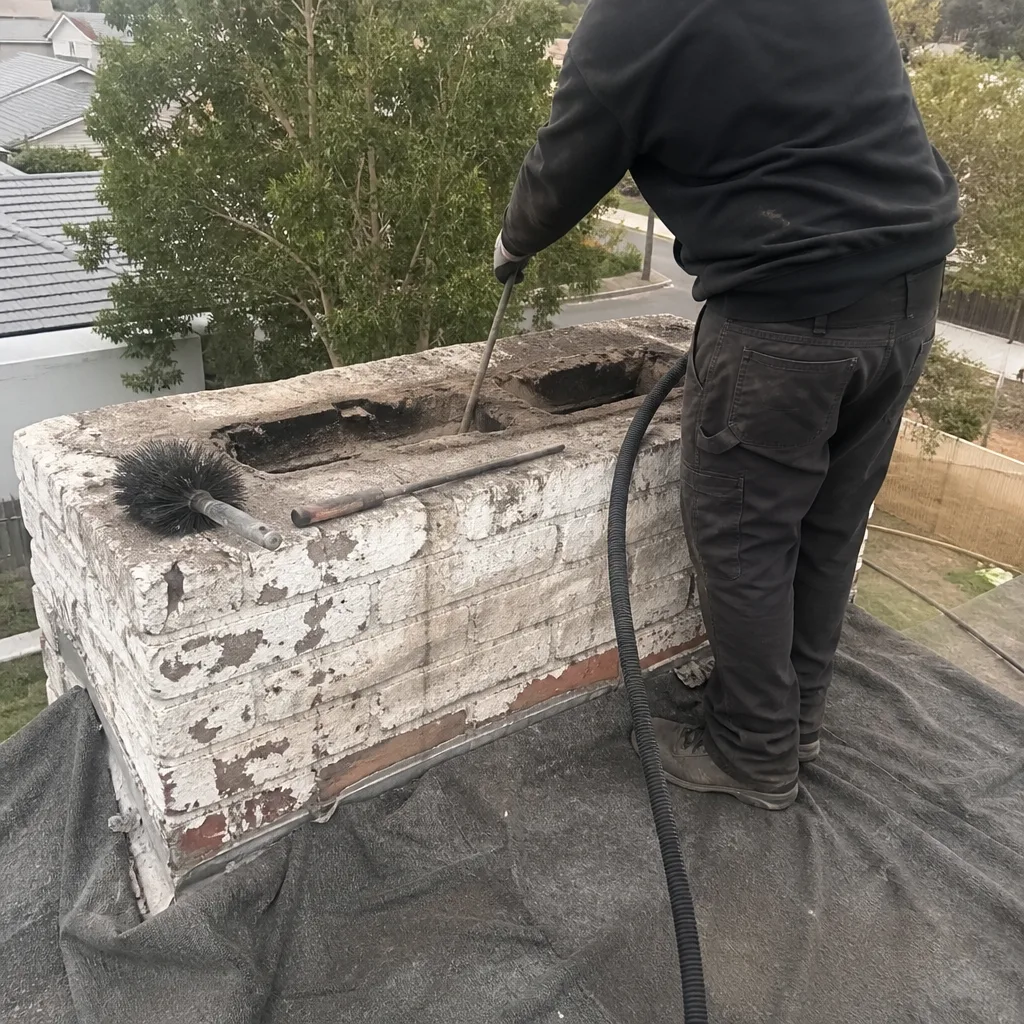 Before
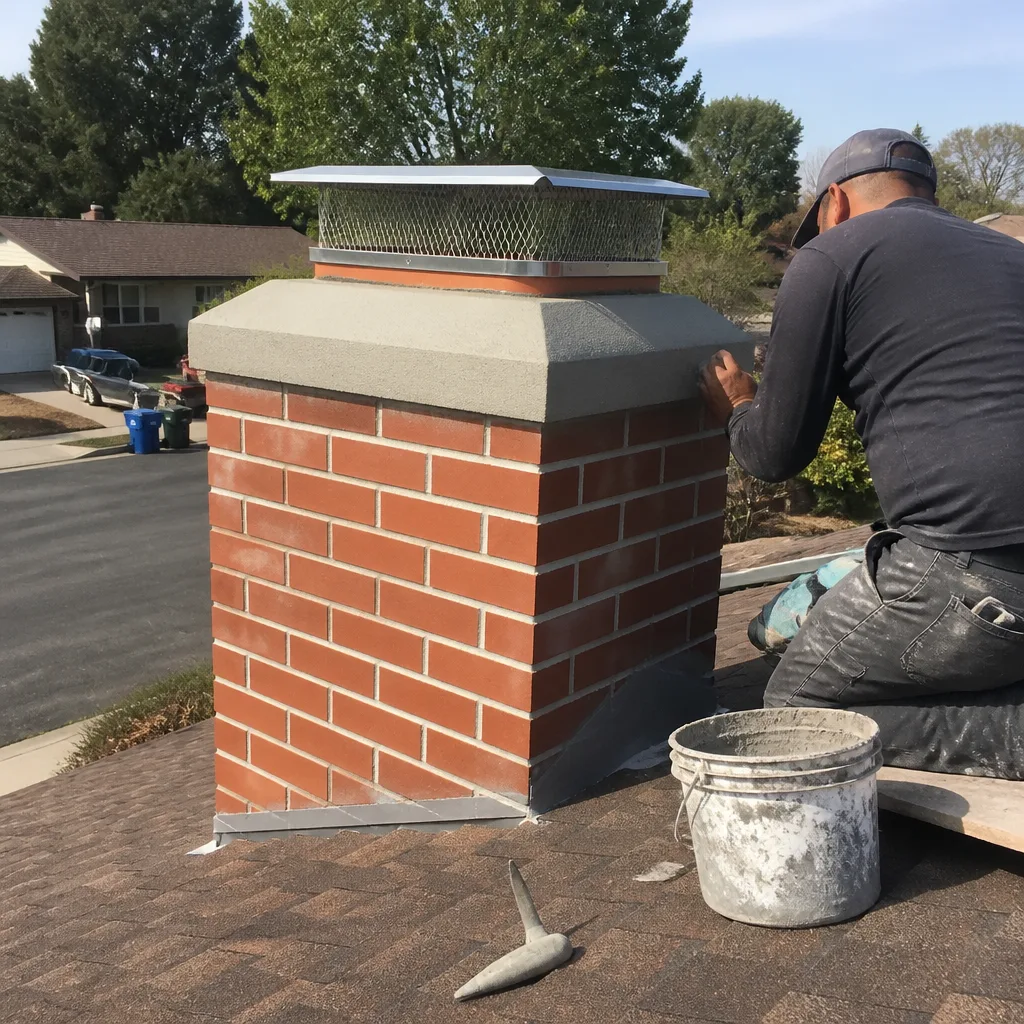 After
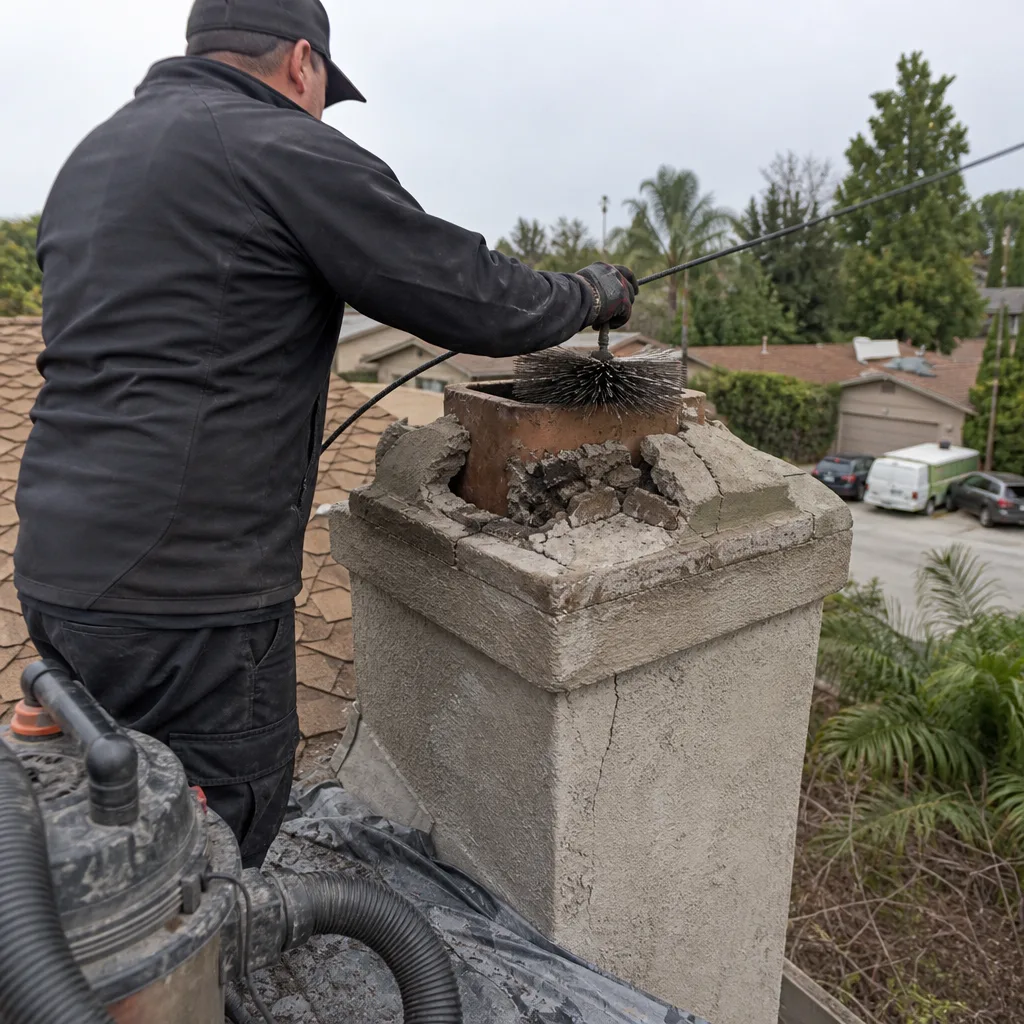 Before
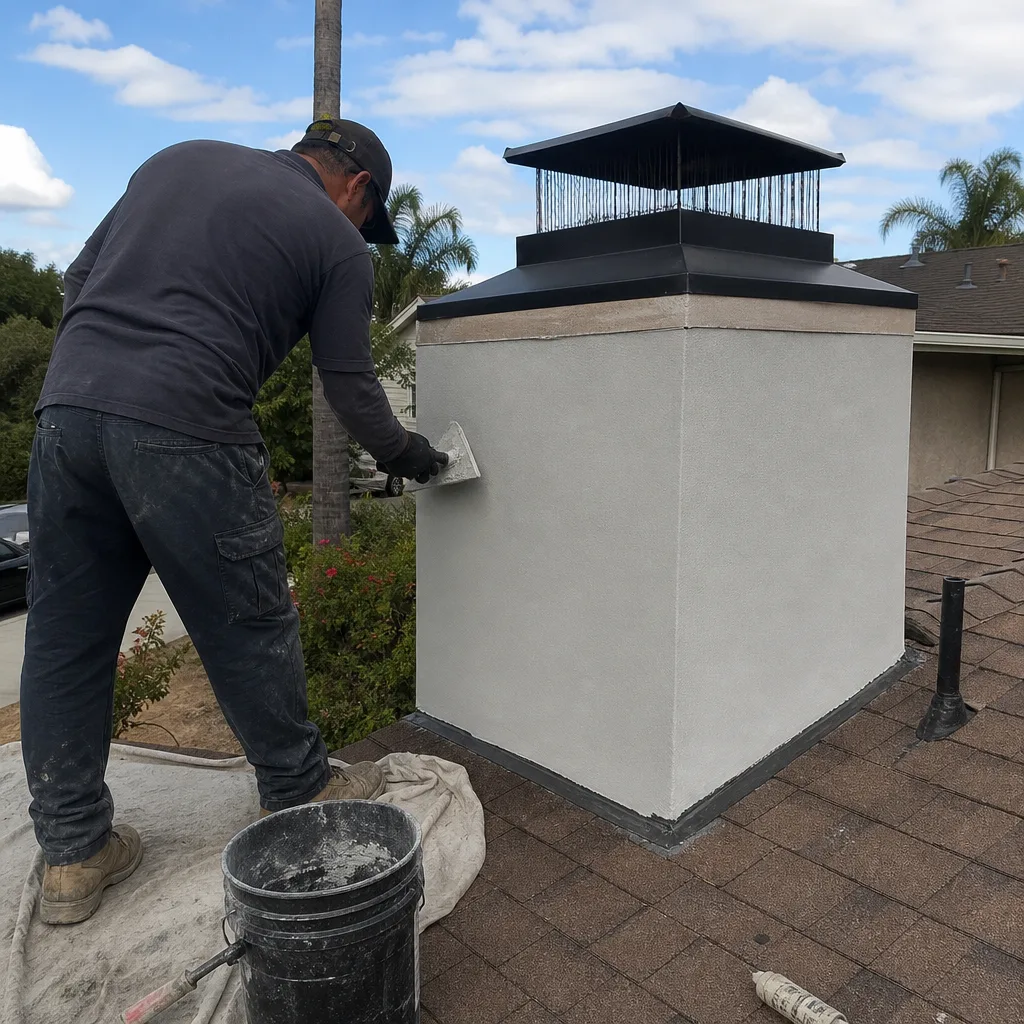 After
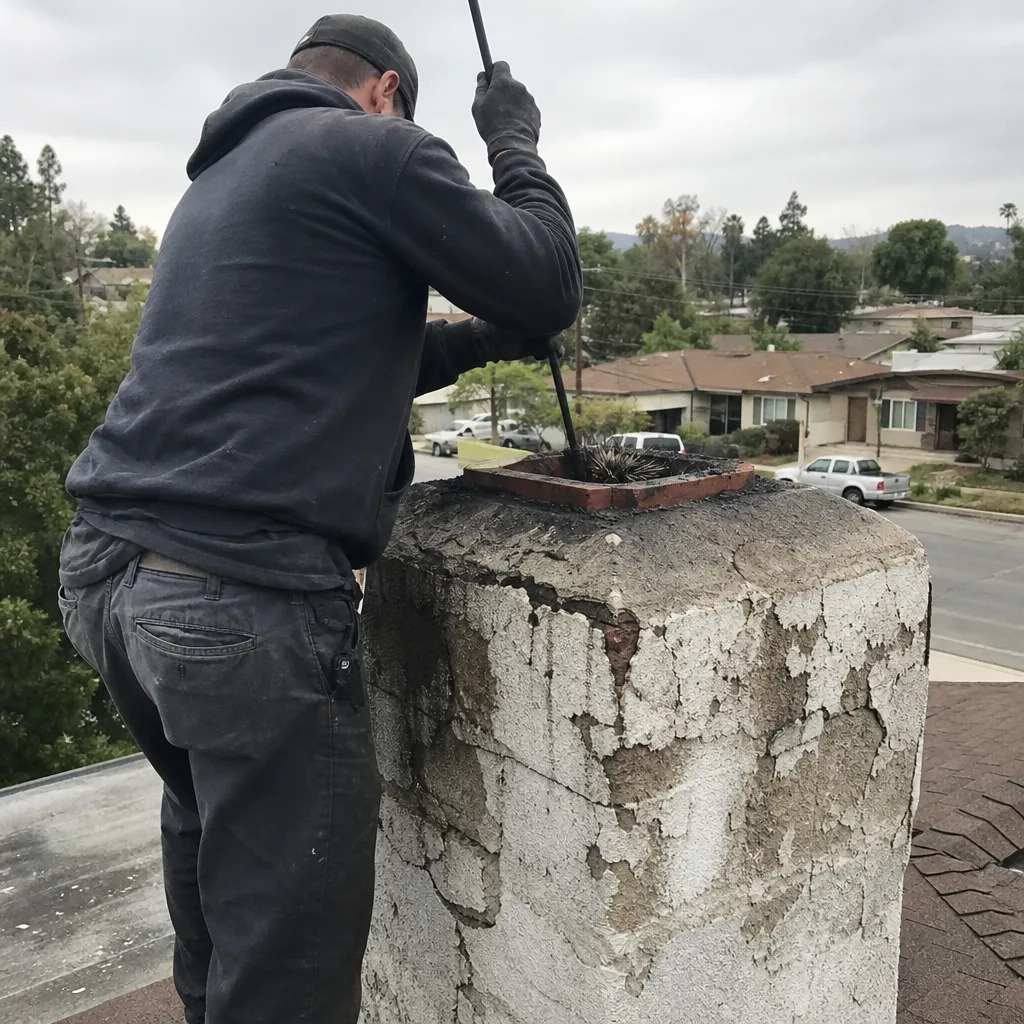 Before
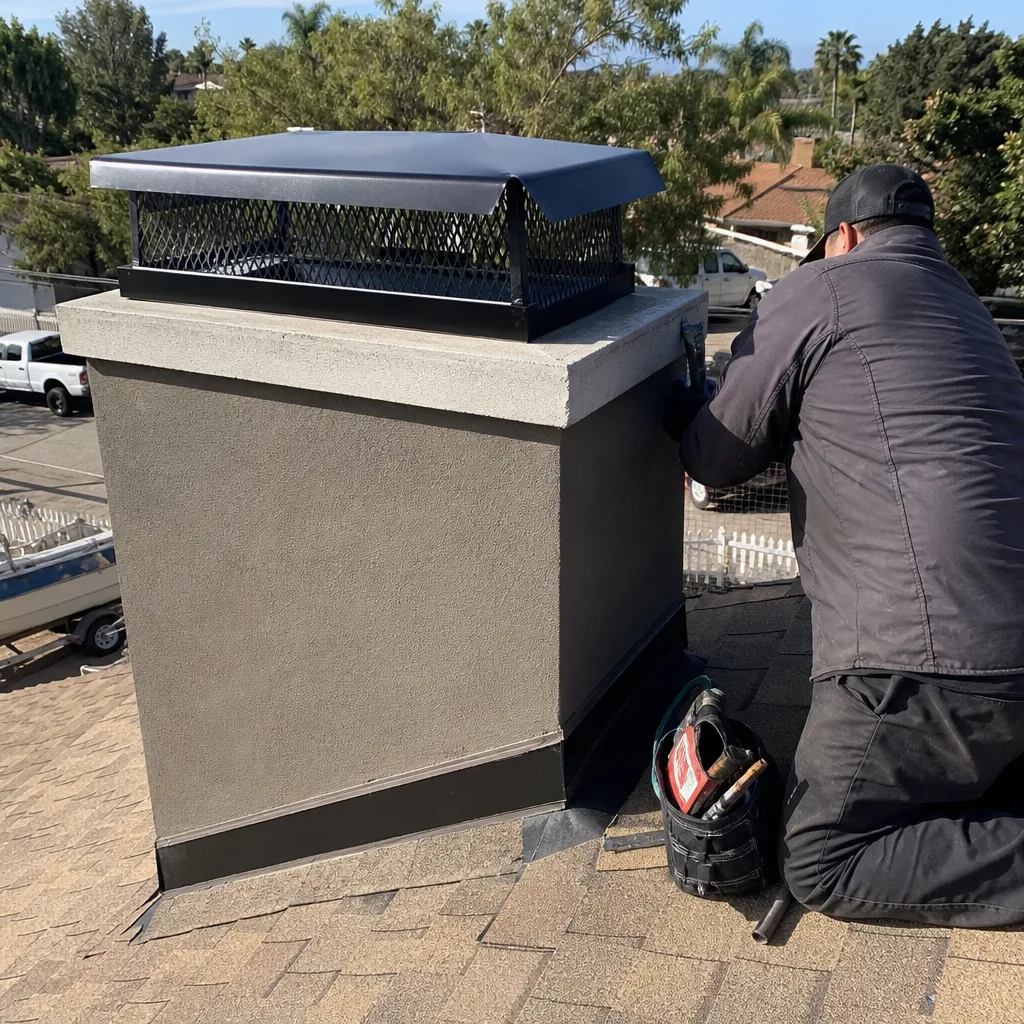 After