Last updated October 30, 2026
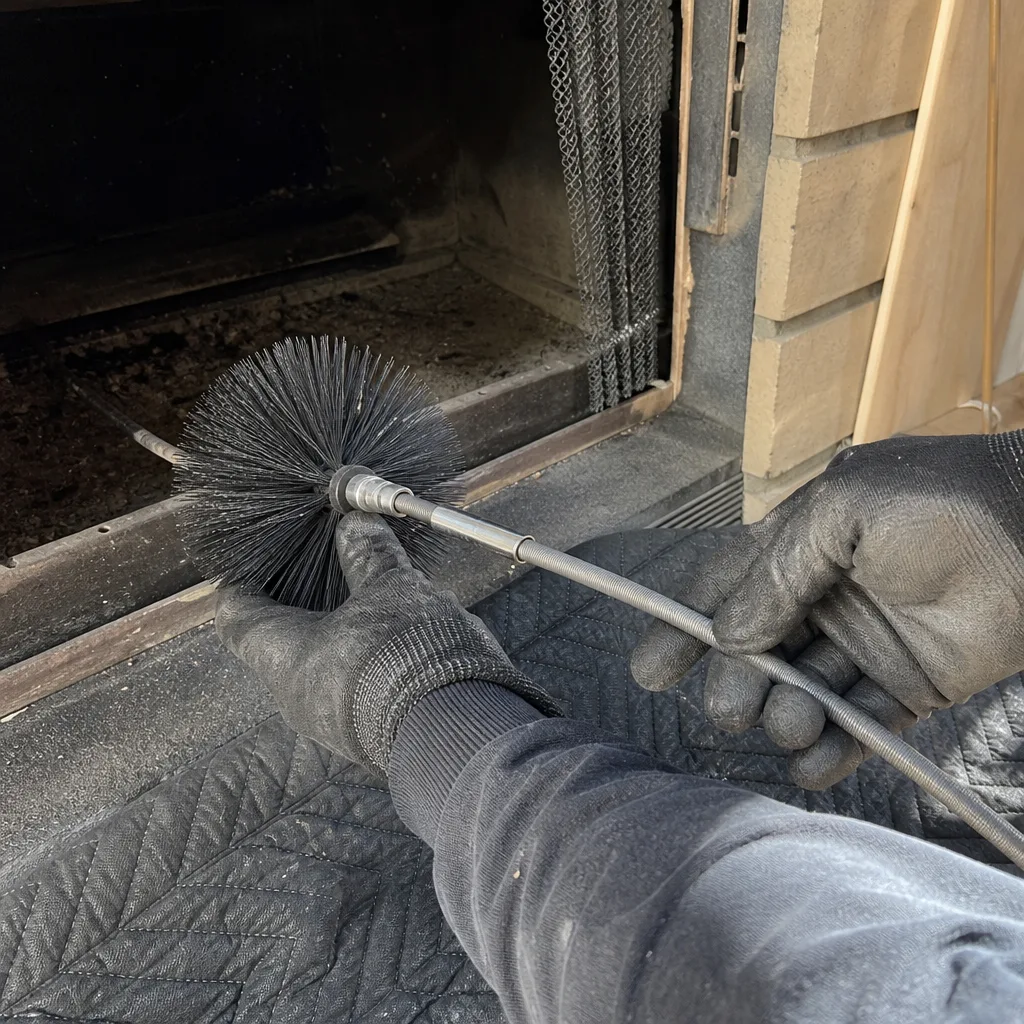
 Sweep & inspection
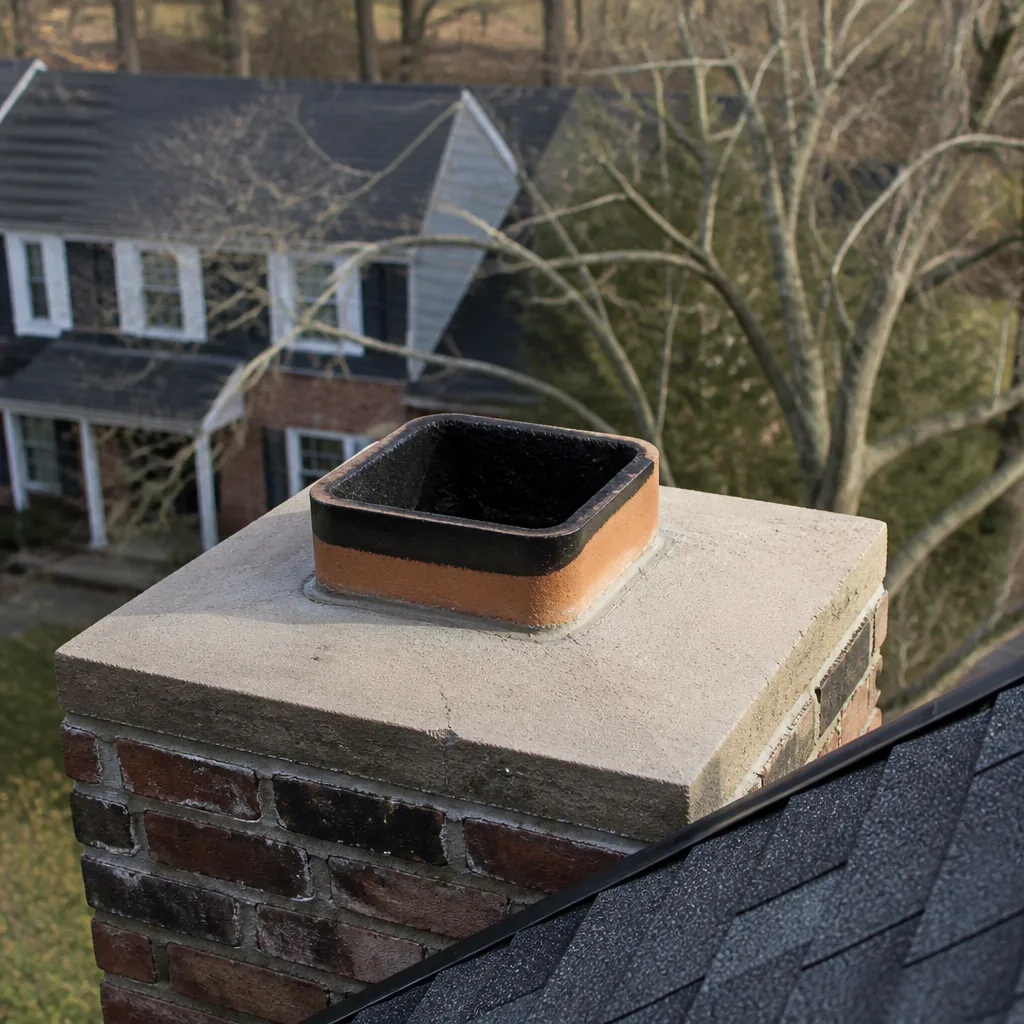
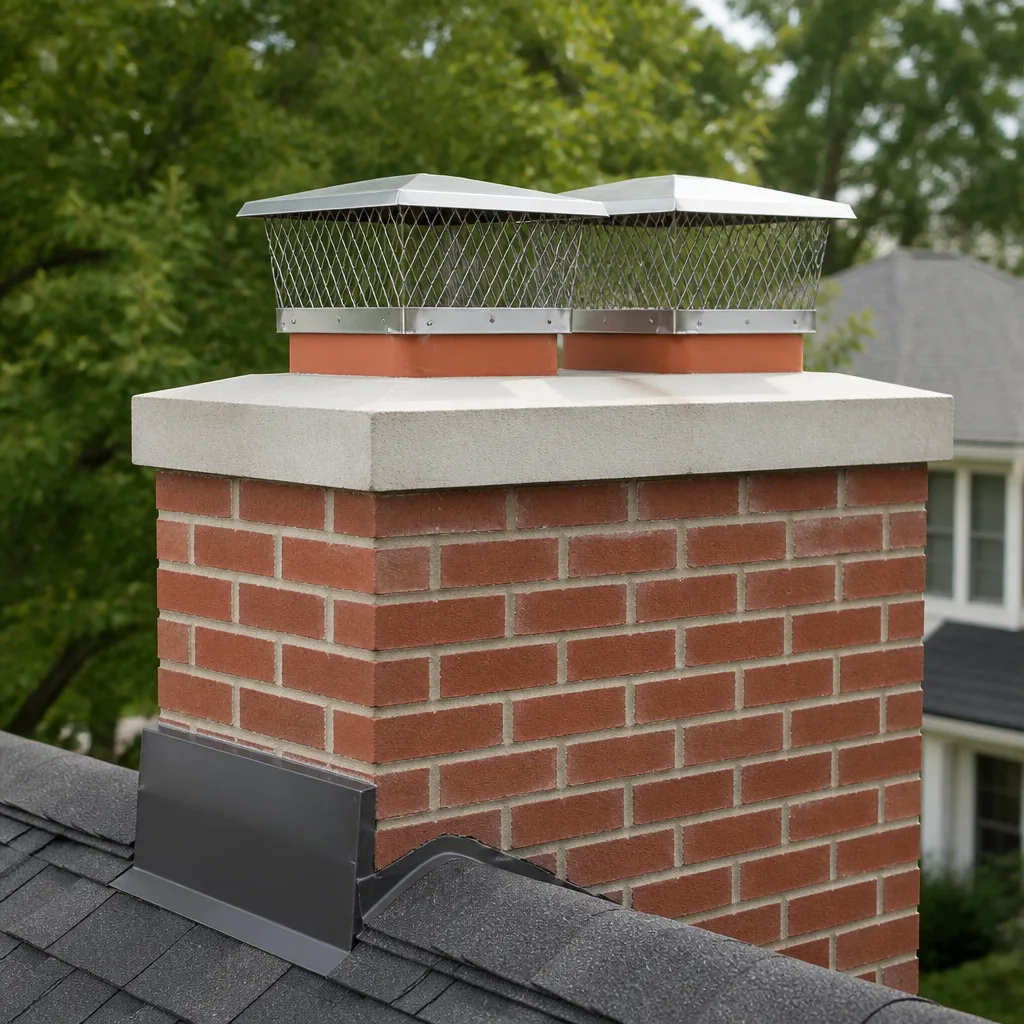 Caps & crowns
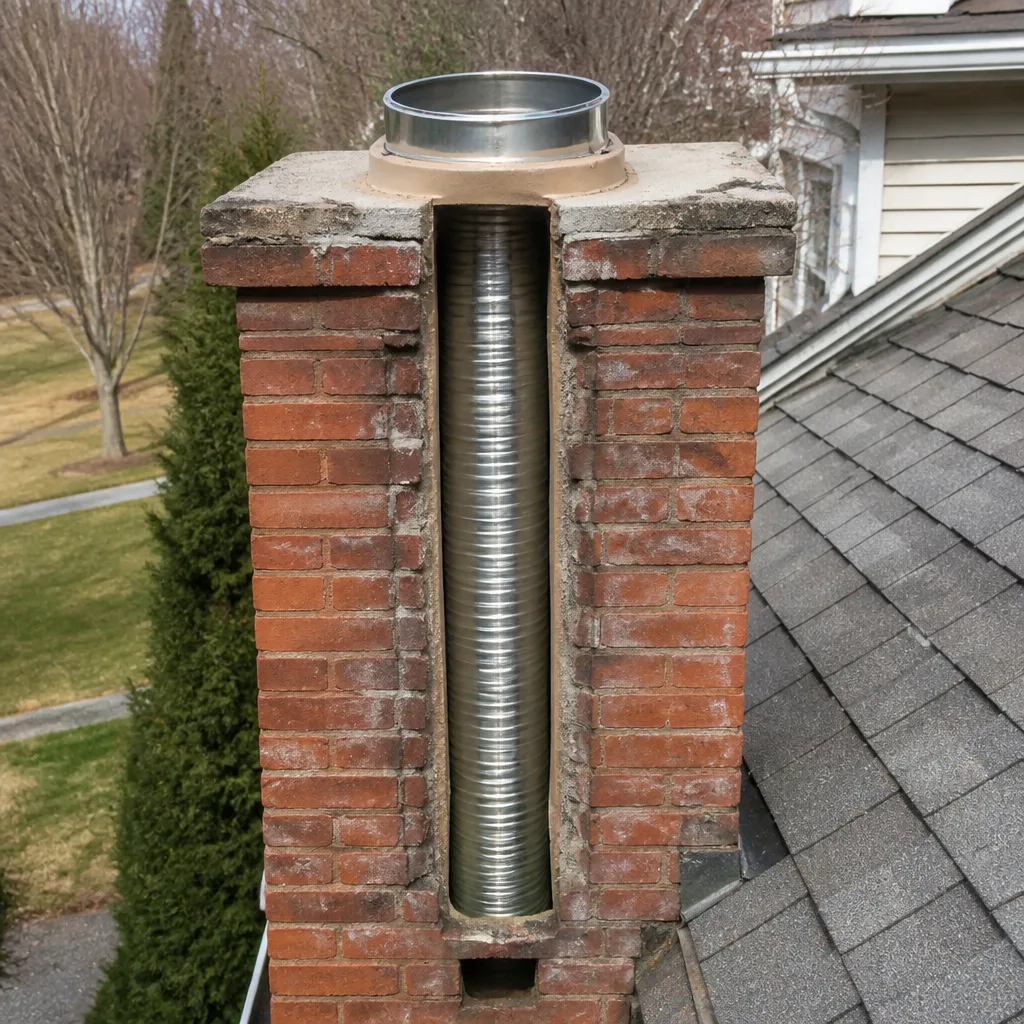 Flue relining
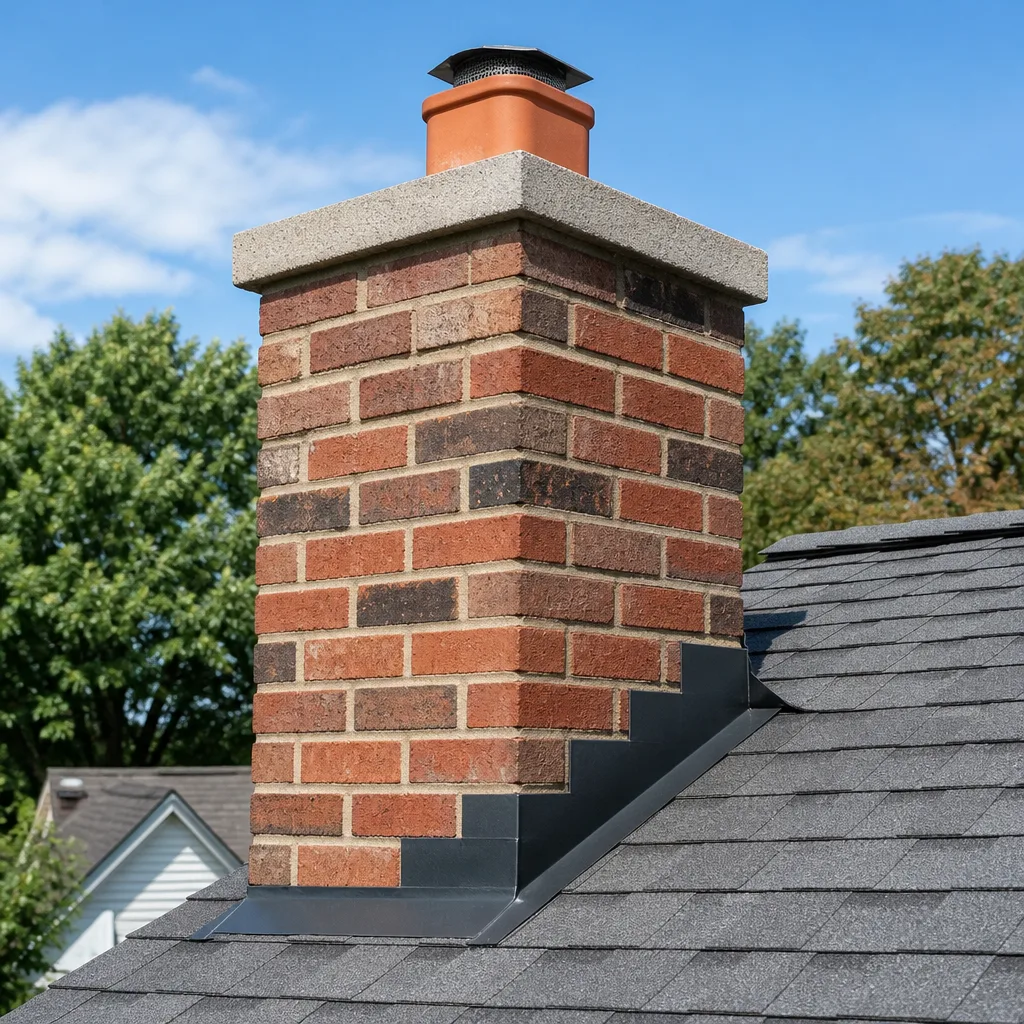 Masonry repair
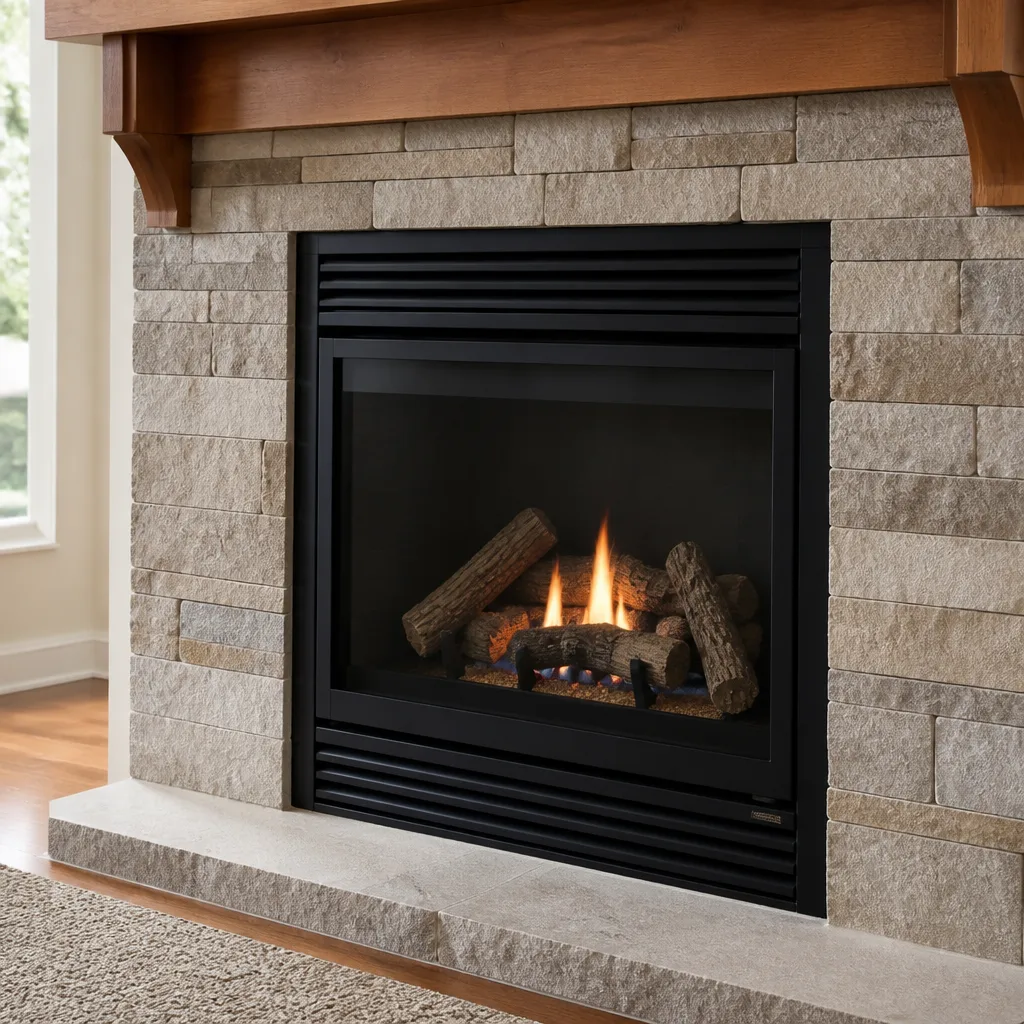 Gas fireplace service
Level 1 sweep and inspection to the NFPA 211 annual standard - flue, crown, cap, and flashing checked and photographed
Chimney sweep logs do not sweep chimneys. They loosen some creosote - which then falls where a brush and vacuum still have to collect it.
Choosing the Right Chimney Cleaning Brand: A Buyer’s Guide for El Cajon
Here’s the thing most El Cajon homeowners don’t realize: there is no single “best” chimney cleaning product. There’s the right product for the specific deposit inside your flue, and the wrong product that wastes your money or, worse, creates a false sense of safety. A contractor who dumps the same chemical solution into every chimney they service is telling you something without saying it: they’re not actually diagnosing. They’re guessing. This guide decodes the professional product landscape so you can ask sharper questions when you’re comparing chimney sweep services in El Cajon, where wood-burning fireplaces see real seasonal use and the right equipment matters. For a deeper dive, see The Complete Guide to Chimney Cleaning in El Cajon.
Quick Answer
Choosing the right chimney cleaning brand comes down to matching the product to the deposit type: rotary brush systems handle creosote removal, chemical treatments tackle specific creosote stages, and professional repair brands like HeatShield and DuraFlex determine whether the chimney is safe to keep using. A full-service contractor who stocks professional-grade lines from multiple manufacturers can diagnose and fix what they find without sending you to a second company.
Styles & brands we work with
Table of Contents
- Rotary Systems vs. Chemical Treatments: What Each One Actually Does
- What a Full-Service Contractor Stocks vs. What a Sweep-Only Service Carries
- Why Professional Liner Repair Brands Matter More Than You Think
- Crown Coating, Flashing Sealant, and Smoke Chamber Resurfacing: The Brands You Never Ask About
- What a Certified Applicator Means and Why Improvised Materials Are a Red Flag
- Questions to Ask Any Chimney Service in El Cajon
- How We Choose the Products and Brands We Use
Rotary Systems vs. Chemical Treatments: What Each One Actually Does
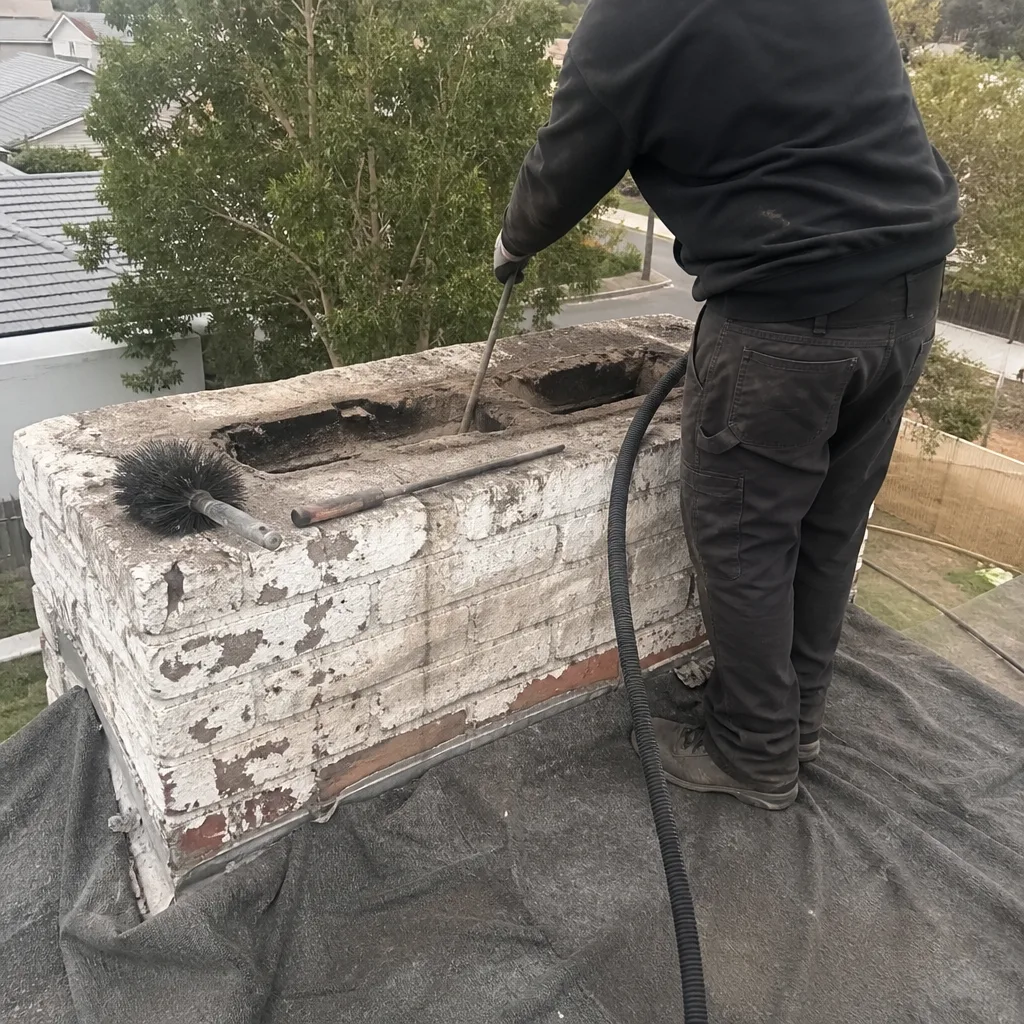
Creosote is not one substance. It’s a range of deposits, from flaky soot that brushes off easily to a hard, glazed tar that resists mechanical removal and needs chemical intervention. A contractor who reaches for the same tool regardless of what’s inside your flue is skipping the diagnostic step. We use rotary cleaning systems with specially designed polypropylene or steel heads that spin against the flue walls under power. Brands like Brushtech and Rutland are the workhorses in this category, and they’re appropriate for the majority of routine cleanings in El Cajon homes that burn seasoned wood. The rotating action dislodges Stage 1 and Stage 2 creosote, the flaky and early-stage tar deposits, without gouging the liner.
Chemical treatments such as ACS (a liquid creosote modifier) and Anti-Creo-Soot (a spray-on manganese catalyst) serve a different function. These aren’t substitutes for mechanical removal – they’re supplements that chemically break down glazed creosote so it can be brushed out later, or they’re preventive treatments applied after cleaning to keep deposits from hardening. A contractor running ACS into a chimney with a Stage 3 glaze isn’t cleaning it. They’re wasting a product and leaving a fire hazard in place. The right protocol starts with a visual inspection, and in our experience, a camera run through the flue after the sweep tells you whether the job is actually done.
In El Cajon, where marine-layer humidity can affect burn quality and creosote formation, we see a meaningful difference between chimneys that get periodic chemical treatment and ones that only get brushed. The chemicals are a maintenance layer. The brushes are the work. Both belong in the toolbox, and the honest contractor explains which one your chimney actually needs rather than defaulting to one or the other.
What a Full-Service Contractor Stocks vs. What a Sweep-Only Service Carries
Here’s a practical way to evaluate any chimney service in El Cajon before you even book: ask them what happens if the sweep finds a cracked flue tile or rusted damper. A sweep-only operation hands you a punch list and recommends someone else. A full-service chimney and venting specialist stocks the repair products to act on the findings immediately. That’s the practical difference, and it shows up in the brands carried.
A sweep-only service typically carries wire or poly brushes, a vacuum, maybe a cobweb brush, and perhaps one chemical treatment. They’re equipped to remove debris. A full-system contractor carries that, plus liner repair systems, cap and cover components, and sealants for structural issues. We work with six professional-tier brands – DuraFlex, HeatShield, Gelco, Olympia Chimney, Famco, and Copperfield – because each serves a distinct repair category. DuraFlex is the flexible liner line we install when a flue has deteriorated to the point that it needs structural relining. HeatShield is the resurfacing system for flues with damaged mortar joints but intact structure. Gelco and Famco cover caps and chase covers. Olympia and Copperfield round out components and accessories.
When a contractor arrives with that range of supplies, the conversation changes. Instead of “you should call someone about this liner,” the conversation is “here’s what your camera inspection showed, here’s the specific product that addresses it, and here’s what it costs to fix it right now.” That eliminates a second service call, a second diagnostic fee, and the gap in responsibility that happens when one company cleans and another repairs.
Why Professional Liner Repair Brands Matter More Than You Think
The liner is the spine of your chimney. It contains the heat, protects your home’s structure, and channels combustion byproducts safely outside. When a liner fails – cracked clay tile, deteriorated mortar, spalling – you’re not dealing with a cosmetic issue. You’re dealing with a ventilation failure that can put carbon monoxide inside the house. The brand your contractor uses for liner repair is a signal of how seriously they take this.
HeatShield is a professionally specified resurfacing system used to restore deteriorated flues without full demolition. It’s a cerfified-applicator product: the manufacturer trains and certifies installers, and the material itself is engineered for high-temperature flue conditions. A hardware-store refractory patch is not the same thing. Neither is a sheet metal sleeve improvised on site. HeatShield works because it’s applied to the flue interior as a cohesive resurfacing layer that seals cracks and restores the flue’s structural integrity – and it’s backed by a manufacturer’s warranty when installed properly.
DuraFlex is our go-to for full relining. It’s a flexible stainless steel liner system used when a chimney can no longer vent safely and needs a permanent, structural solution. DuraFlex isn’t a surface patch. It’s a new flue installed inside the old one, designed for specific fuel types and available in different grades for wood, gas, and oil applications. The brand matters because the materials are engineered to handle the particular corrosives and temperatures of the vented exhaust. A contractor who relines with generic flexible aluminum tubing is creating a new problem, not solving the old one.
Crown Coating, Flashing Sealant, and Smoke Chamber Resurfacing: The Brands You Never Ask About
Most homeowners ask about the cleaning. Fair enough – that’s the appointment. But the parts of a chimney that fail first are rarely the ones you can see from the living room. The crown – the concrete slab at the top – cracks under El Cajon’s hot, dry summers and cool winters. Flashing, where the chimney meets the roof, lifts with expansion and contraction. The smoke chamber, the angled transition between firebox and flue, collects creosote in its corbelled surfaces and is a common source of chimney fires.
Professional-grade crown coatings are elastomeric, meaning they flex with the chimney through the temperature swings we see here. A hardware-store cement patch dries rigid and cracks again within a season or two. Flashing sealant should be a high-temperature rated product; the generic stuff degrades quickly near a chimney that gets hot. Smoke chamber resurfacing uses specialized refractory materials like HeatShield’s parging system (or other professional equivalent) to smooth out the corbelled surfaces, eliminating the creosote traps and restoring the chamber’s original function.
We bring these up because you’ll rarely ask about them unprompted, and a contractor who isn’t stocked or trained in these categories won’t bring them up either. When we source components from Gelco and Famco for chimney caps and covers, it’s part of a system assessment: does this chimney shed water properly, or is it slowly rotting the masonry from the inside? The honest sweep in El Cajon points at the problem and then offers the fix. The capped sweep moves on and lets the damage compound.
What a Certified Applicator Means and Why Improvised Materials Are a Red Flag
Certain repair systems come with a specific requirement: the installer must be trained and certified by the manufacturer to apply the product. HeatShield liner resurfacing is one of those. The manufacturer’s warranty is only valid when a certified applicator does the installation. That’s a meaningful distinction, because it protects you. If an uncertified contractor installs a HeatShield system incorrectly, the warranty doesn’t apply, and you’re left with a failed repair and no recourse.
A certified applicator means the contractor has taken the manufacturer’s training, demonstrated competence with the installation equipment and procedures, and maintains a relationship with the product line. When you ask a chimney company whether they’re factory-certified for their liner repair system, a reputable company answers directly. A contractor who says “we’ve done similar work” without naming a certification is improvising, and improvised materials in a venting system are a gamble with your house.
Improvised options show up more often than they should: general-purpose caulk on flashing, hardware-store refractory cement on cracked flues, flexible aluminum duct pulled through a flue as a “liner.” These aren’t shortcuts so much as failures waiting to happen. When we install a repair, we use the specified product line for the job because the material properties – heat tolerance, expansion rate, adhesive quality – were engineered for chimney conditions. General-purpose products were not.
Questions to Ask Any Chimney Service in El Cajon
The most effective thing you can do as a homeowner is ask the right questions before you commit to a chimney sweep or repair. For The Complete Chimney Sweep Guide for El Cajon Homeowners, here’s the exact list we recommend using when you call around El Cajon:
- “What cleaning methods do you use, and do they change based on what you find?” The answer tells you whether they diagnose or default. A contractor who describes both rotary brushing and chemical treatments, and explains when each applies, is treating the work as a craft. A contractor who says “we just sweep it” may be fine for a routine cleaning, but they’re not equipped for anything they find.
- “What brands do you use for liner repair or relining?” The specific answer matters. HeatShield, DuraFlex, and similar professional lines indicate a contractor invested in certified systems. If they can’t name the product they’d use, that’s your answer.
- “Are you a factory-certified applicator for your repair systems?” If yes, they’ll say so immediately. If no, ask about their repair qualifications and whether the manufacturer warranties still apply to their work.
- “Do you do the repair work yourself, or do you refer it out?” A full-service chimney and venting specialist handles repairs in-house. A sweep-only service refers. Neither is inherently bad, but you should know which you’re getting before problems surface.
- “Do you clean dryer vents too?” Dryer vent buildup is a leading cause of residential fires, and most chimney-only sweeps never even look at the vent. A company that offers Dryer Vent Cleaning in El Cajon as a core service is assessing your entire exhaust system, not just one part of it.
How We Choose the Products and Brands We Use
We don’t stock products based on what’s cheapest or most available. We stock them because we’ve installed them, repaired them, and stood behind the results. When we choose a liner system, we choose DuraFlex because the material is specified for fuel type and application, not because it happens to be on the shelf. When we resurface a flue, we use HeatShield because the warranty and the product engineering are tied to certified application. When we install caps and covers, we source from Gelco, Famco, and Copperfield because the components are professional-grade – the same lines specified by certified chimney professionals nationwide.
That matters in El Cajon specifically because our climate punishes chimneys. Summer temperatures climb well over 100 degrees. Winter swings shift from warm afternoons to cold nights. That thermal cycling expands and contracts every material on your chimney, from the crown to the flashing to the liner itself. Hardware-store substitutes fail faster under those conditions. Professional-grade materials are engineered for it.
We also clean what most sweeps ignore: the dryer vent. Your dryer vent is a fire hazard hiding behind a wall, and lint accumulation is the direct cause. Most chimney-only sweeps never touch it. We treat it as part of the same whole-home exhaust assessment. When you schedule a Chimney Sweep in El Cajon with us, we’re thinking about the entire system, not just the flue.
Common Mistakes to Avoid
- Buying on price alone. A cheap sweep that misses creosote buildup is more expensive than a thorough one. Ask about the method and the equipment, not just the quote.
- Ignoring the liner recommendation. A cracked liner doesn’t fix itself, and the problem accelerates. If a contractor shows you camera evidence of deterioration, act on it before the next fire season.
- Using chemical treatments as a substitute for mechanical cleaning. No chemical product removes substantial creosote by itself. Anyone selling a spray-on solution as a complete service is misrepresenting how these products work.
- Accepting an uncertified liner repair. HeatShield and similar systems carry warranties only when installed by factory-certified applicators. Ask for proof of certification.
- Overlooking the dryer vent. Dryer vent fires are among the most preventable residential fires, yet most chimney sweeps never inspect the vent. Make it part of the service call.
- Choosing a company that refers out repairs. If the company cleaning your chimney can’t fix what they find, you’ll pay for two diagnoses and face a coordination gap. A full-system specialist avoids that entirely.
- Deferring maintenance because the fireplace “still works.” A chimney can appear functional while accumulating a dangerous amount of creosote. Annual inspections catch the problem while it’s still manageable.
See the difference
 Before
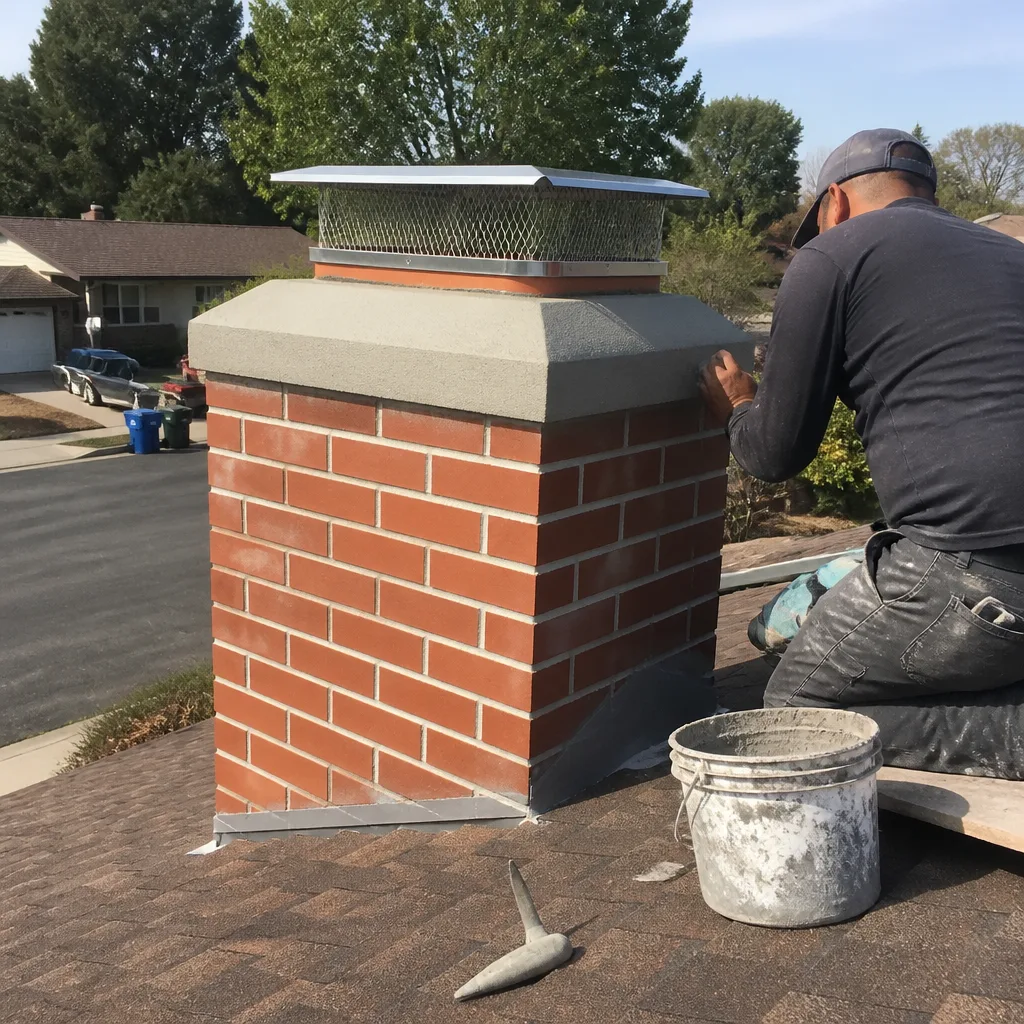 After
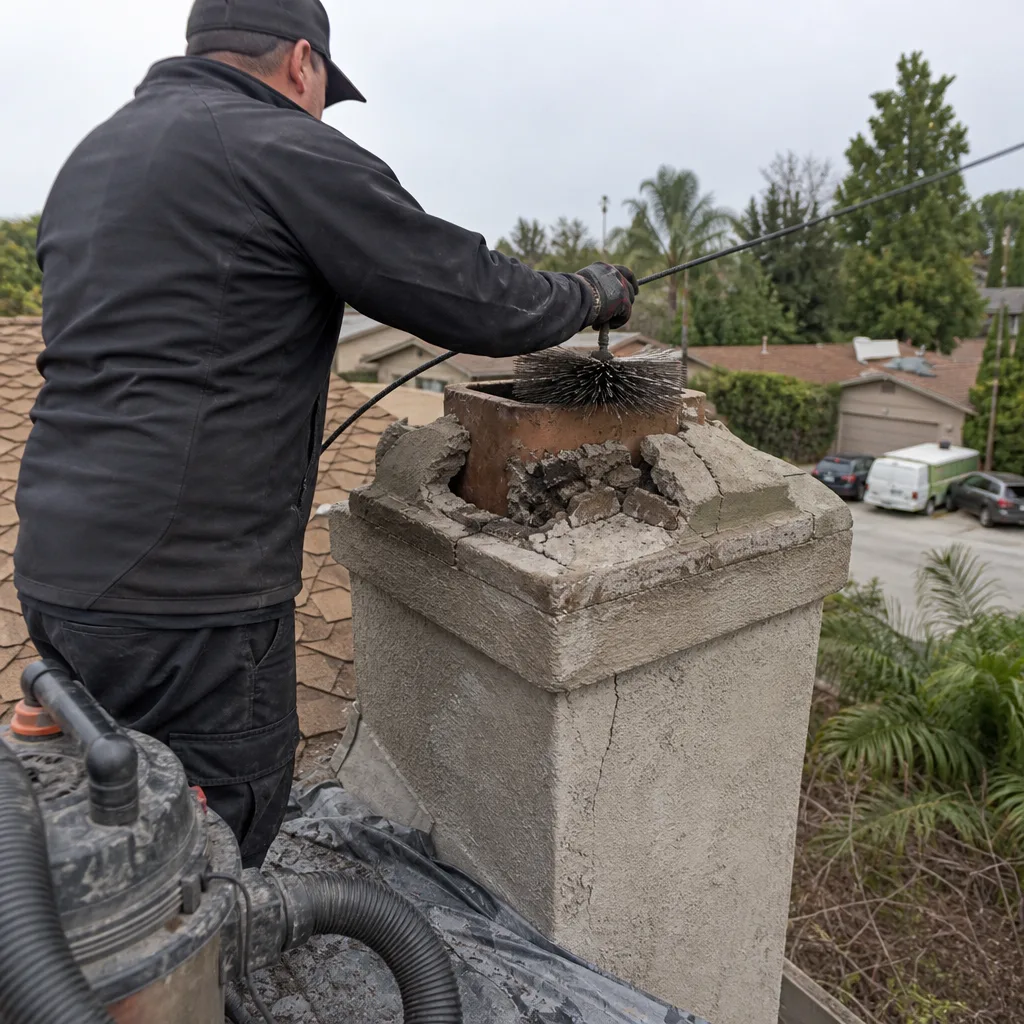 Before
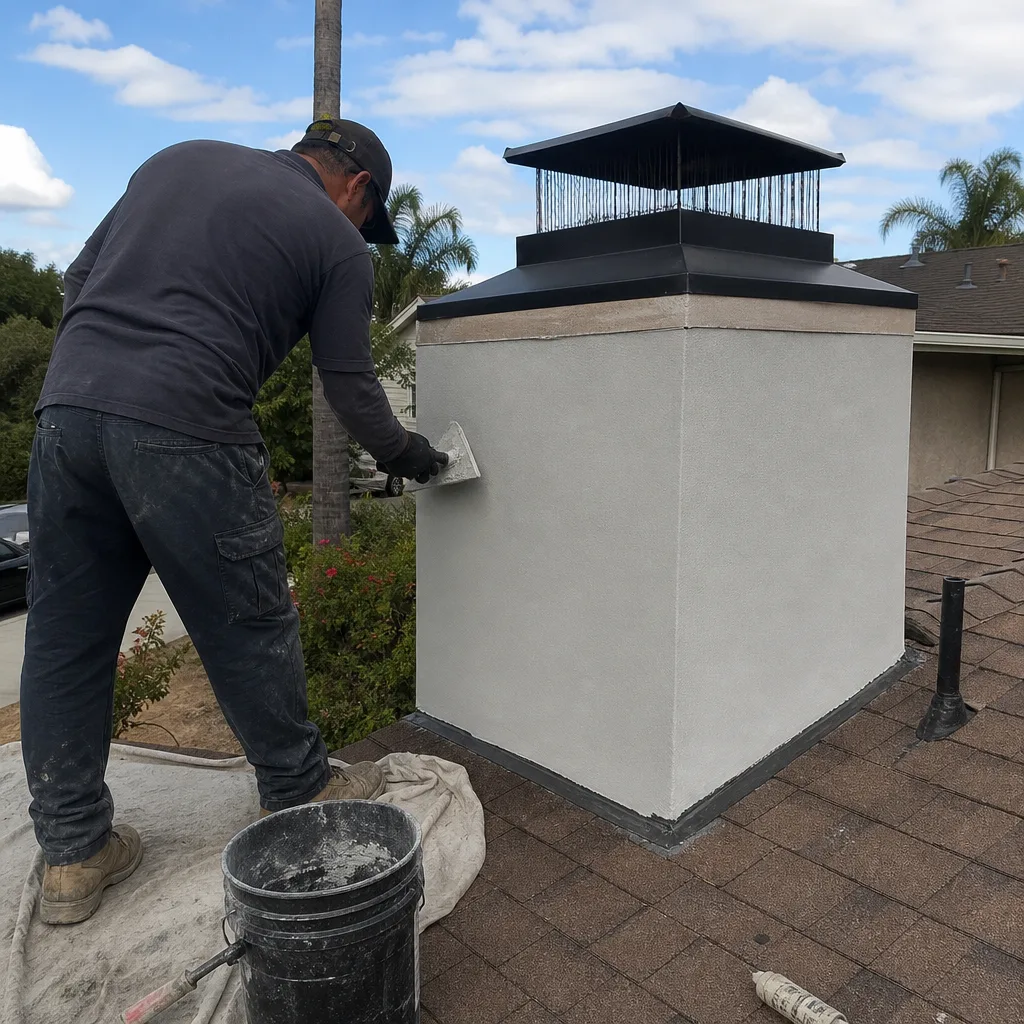 After
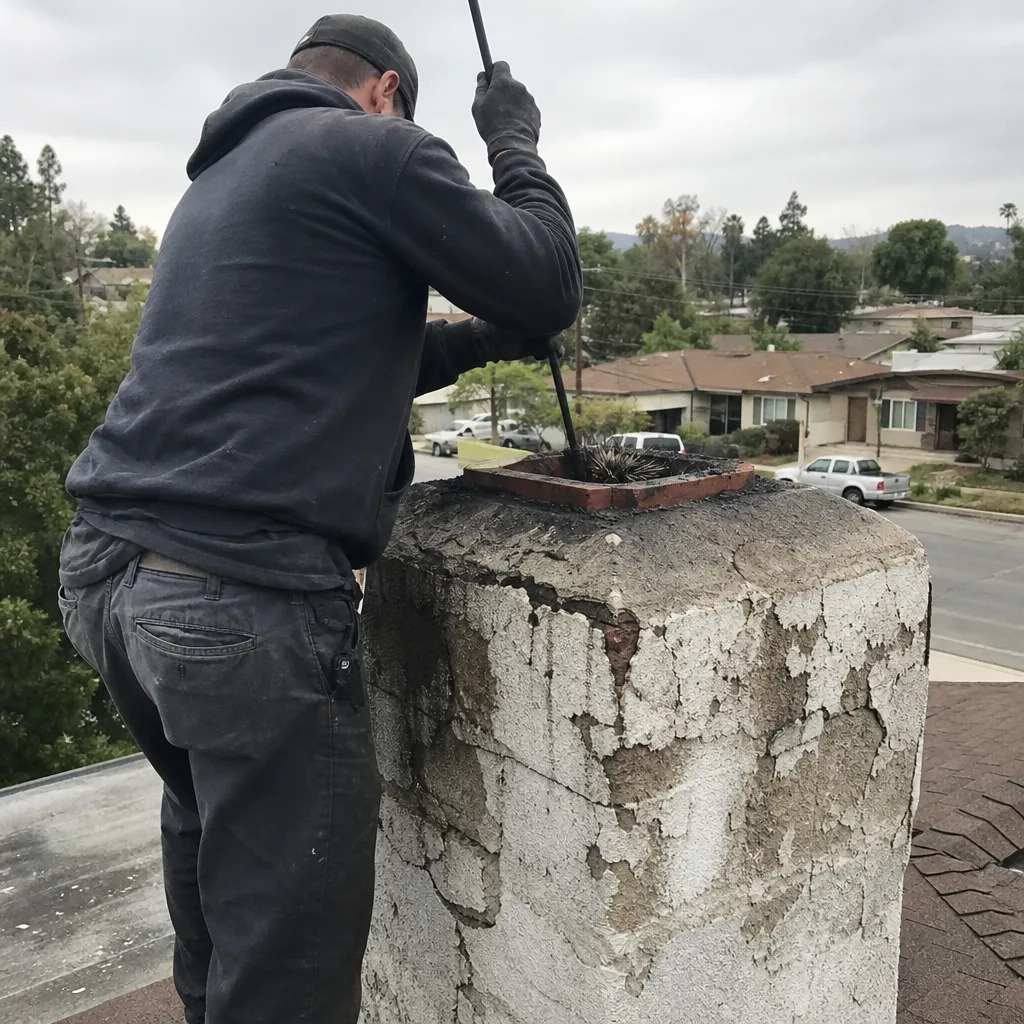 Before
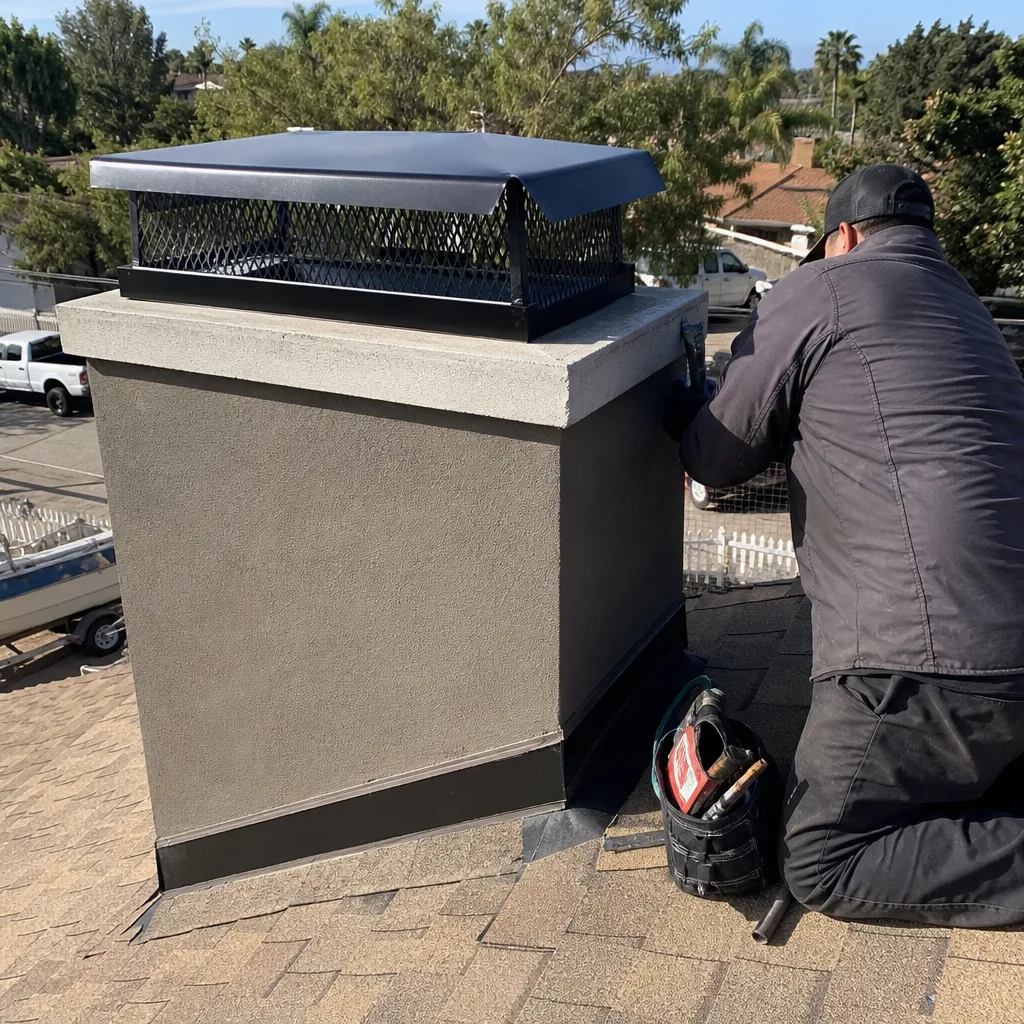 After
When to Call a Professional
Call a professional chimney and venting specialist when you notice any of these: a strong smell from the fireplace even when it’s not in use, visible creosote or soot buildup inside the flue, white staining on the exterior masonry (a sign of water penetration), smoke backing into the room during a fire, or a dryer that takes longer than normal to dry clothes. Browse our more guides & resources to stay ahead of chimney maintenance. These are signals that something in the exhaust system has changed. If you haven’t had the chimney inspected in the past year, schedule it before the burning season starts. Acorn Chimney Sweep offers free estimates in El Cajon – call (844) 510-0293 to book a sweep and full-system inspection.
Frequently Asked Questions
A rotary brush mechanically removes creosote through spinning bristles, while a chemical treatment chemically alters or dissolves creosote deposits so they can be brushed out or to prevent hardening between cleanings. Both are useful, but they serve different functions, and neither replaces the other.
A hardware-store refractory patch is a temporary surface fix, not a structural repair. Professional-grade systems like DuraFlex and HeatShield are engineered for flue conditions and installed to manufacturer specifications with valid warranties. A patch will fail, usually within a season or two.
Annual inspection is the baseline, with sweeping scheduled when creosote accumulation reaches 1/8 inch or more. Homes burning unseasoned wood or using the fireplace heavily through El Cajon’s cooler months may need twice-yearly cleanings.
Creosote continues accumulating, and at Stage 3 it becomes a glazed, tarry substance that ignites at lower temperatures than Stage 1 or 2. A chimney fire can crack the liner, ignite surrounding framing, and compromise the home. The damage compounds the longer it’s deferred.
A sweep removes deposits. An inspection assesses the structural and functional condition of the entire system: liner, crown, flashing, smoke chamber, cap, and damper. We recommend a camera inspection with every cleaning, because it verifies the sweep was complete and catches problems you can’t see from the firebox.
If you’re working with a full-service chimney and venting specialist, yes. We carry the repair products needed to address liner deterioration, cap failures, and masonry damage as they’re found, so the fix happens on the spot rather than after a second booking. That’s the advantage of working with a company that does Chimney Repair in El Cajon alongside sweeping.
The Bottom Line
Choosing the right chimney cleaning brand means matching the product to the problem: rotary brushes for creosote removal, chemical treatments for specific deposit stages, and professional-grade repair systems like HeatShield and DuraFlex for liner restoration and relining. The brand your contractor uses is a window into their preparation and certification. A full-service specialist stocks the materials to clean, repair, and reline in one call, and doesn’t refer you to a second company when the inspection turns up work. In El Cajon’s climate, where thermal cycling punishes masonry and seasonal fireplace use drives real creosote buildup, the right products and the right practitioner are the difference between a maintained system and a silent hazard. Call (844) 510-0293 for a free estimate, or visit Acorn Chimney Sweep home to schedule your inspection before the season starts.
Written by the team at Acorn Chimney Sweep, serving El Cajon since 2015.